Memecoin mania: Social relevance, speculation drives PEPE surge

CointelegraphPublié le 2023-05-06Dernière mise à jour le 2023-05-06

Résumé

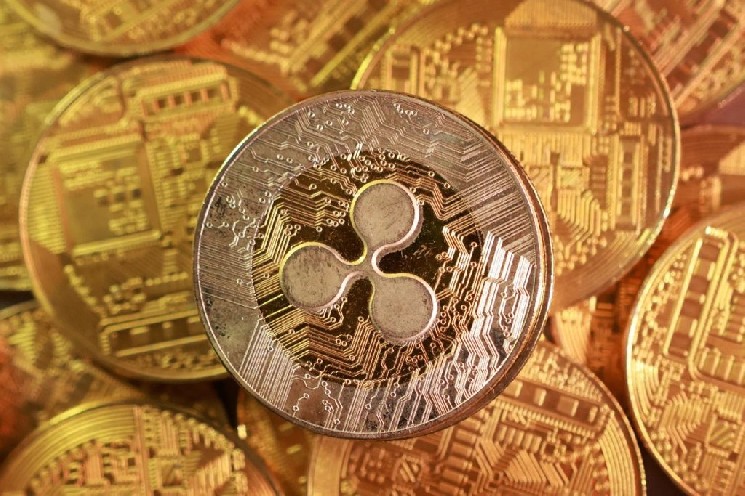
Memecoins have been part and parcel of the cryptocurrency space since the inception of Dogecoin back in 2013, with fortunes made and ruined in equal measure. But a new token on the block caused a stir in recent weeks, as Pepecoin (PEPE) grabs a chunk of the memecoin market share from plucky investors.

Memecoins have been part and parcel of the cryptocurrency space since the inception of Dogecoin back in 2013, with fortunes made and ruined in equal measure. But a new token on the block caused a stir in recent weeks, as Pepecoin (PEPE) grabs a chunk of the memecoin market share from plucky investors.
As previously reported by Cointelegraph, Pepecoin saw a 2.000% boom in value following its launch in late April 2023. The reason for the token’s rally is primarily attributed to zealous memecoin hype, with the project widely shared on Twitter over the past month.
Today. $PEPE #MMGA pic.twitter.com/Adf0Vem8B3
— Pepe (@pepecoineth) April 14, 2023
The Pepecoin website itself is brandished with a closing disclaimer, labeling $PEPE as "a meme coin with no intrinsic value or expectation of financial return." The project also stipulates that it has no formal team or roadmap and that the token is "completely useless and for entertainment purposes only.
Data analytics firm Nansen provided insightful data and key takeaways following the rise of PEPE’s market capitalization. Research analyst Xin Yi estimated that the total memecoin market value is around $20 billion, with the top five tokens, DOGE, SHIB, PEPE, BABYDOGE and FLOKI, accounting for over $18 billion of the value.

$PEPE's token has spiked in value since in launch, eclipsing the likes of $DOGE and $SHIB. Source: Nansen QueryData provided from Nansen Query shows the massive spike in token value and market capitalization of PEPE in relation to the other top five memecoins. Yi also notes that the infographic does not paint a complete picture, given that the data for PEPE reflects its listing on Coingecko, which came a couple of weeks after its inception.

$PEPE's token's market capitalization surged by 400% since its inception. Source: Nansen QueryYi told Cointelegraph that the social aspect of memecoins remains a major driver of investor sentiment and action, highlighting the likes of Elon Musk’s infamous Dogecoin touts and rampant Twitter bots driving memecoin hashtags to relevance on Twitter:
“Since memecoins have no intrinsic value, it relies on catalysts such as social relevance and also events like 4/20 which is known as DOGE day can affect the prices of the token as well.”
As previously explored, Nansen provides data analytics and insights into ‘smart money’ cryptocurrency traders and holders by labeling wallets and tracking trades. The rise of PEPE has also attracted a significant number of ‘smart money’ holders as per onchain data highlighted by Yi. She added that a few thousand traders might benefit from the surge in value of memecoins, which is a gamble given that many other memecoins are pump and dump or ‘rugpull’ operations:
“Nonetheless, gains on one good coin can easily surpass the cost of the other 'failed' coins, which is probably why these memecoins remain attractive for most traders to ape into. Hence, it really depends on the investor's risk appetite.”
Nevertheless, Yi also pointed out the inherent risks of memecoins which often lead to liquidity crunches, where major token holders dump their holdings which leaves smaller investors reeling from losses.
A number of cryptocurrency exchanges listed PEPE in the wake of its launch and subsequent investor appeal, including the likes of OKX, MEXC Global, Bitget, Gate.io and Huobi. Pepecoin 

Lectures associées

Les gros investisseurs sont très actifs : ils achètent et vendent des altcoins majeurs aujourd'hui !

Les gros investisseurs, souvent appelés "baleines", sont très actifs sur le marché des cryptomonnaies, effectuant d'importantes transactions sur plusieurs altcoins majeurs. Un premier grand investisseur a réalisé un profit substantiel en prenant une position longue de 20 000 ETH (Ethereum) à environ 1 936 $, portant sa position à environ 50 millions de dollars pour un bénéfice non réalisé dépassant 11 millions de dollars. Le même investisseur a ensuite ouvert une nouvelle position longue sur 100 000 SOL (Solana) avec un effet de levier de 20x, à un prix d'entrée d'environ 104,5 $, pour une position totale évaluée à 10,45 millions de dollars. Parallèlement, un deuxième grand investisseur a attiré l'attention par des achats agressifs du token HYPE (Hyperliquid). Après un achat initial de 24 millions de dollars de HYPE en juin, environ 24 millions de dollars supplémentaires ont été utilisés ces dernières 24 heures pour acquérir 282 090 HYPE à un prix moyen d'environ 81,5 $. Les acquisitions totales de HYPE par les grands investisseurs atteignent désormais 4,67 millions de tokens, d'une valeur d'environ 381 millions de dollars, générant un bénéfice non réalisé d'environ 74,4 millions de dollars sur cette seule transaction. Ces mouvements importants mettent en lumière la forte activité et l'optimisme des grands porteurs sur des actifs cryptographiques comme Ethereum, Solana et Hyperliquid. *Ceci n'est pas un conseil en investissement.

cryptonews.ruIl y a 3 mins

Les gros investisseurs sont très actifs : ils achètent et vendent des altcoins majeurs aujourd'hui !

cryptonews.ruIl y a 3 mins

Pourquoi le staking de l'ethereum va changer en 2026

La validation par preuve d'enjeu (staking) de l'Ethereum devient un outil de gestion d'actifs pratique pour les conseillers financiers et les grands investisseurs, générant des revenus intégrés directement à partir de la blockchain, contrairement au Bitcoin. Pour participer, les utilisateurs peuvent devenir validateurs indépendants (nécessitant 32 ETH), ou utiliser des pools, des plateformes centralisées ou des protocoles de staking liquide. Le rendement annuel se situe généralement entre 2% et 5%, variant selon plusieurs facteurs. Le staking transforme l'ETH d'un actif passif en un actif productif. Le modèle natif verrouille les fonds pour une liquidité limitée, tandis que le staking liquide offre plus de flexibilité via des jetons représentatifs. D'ici 2026, la mise à jour majeure "Glamsterdam" visera à renforcer la décentralisation, la résilience quantique et l'évolutivité du réseau, consolidant ainsi son attractivité pour les participants institutionnels. Les avantages incluent un revenu passif et la sécurisation du réseau. Les risques couvrent les pannes techniques, les pénalités, la perte d'accès, les risques des plateformes/tiers et l'évolution réglementaire. Avant de recommander un produit, il est crucial d'examiner : la responsabilité en cas de pénalité, la robustesse de l'infrastructure, le modèle de liquidité, la composition des récompenses (part protocolaire stable vs MEV variable), la prévisibilité du rendement et les solutions de garde. Les tendances à surveiller incluent l'évolution réglementaire sur la garde d'actifs, les travaux sur la résistance quantique et les discussions législatives concernant les récompenses sur les stablecoins.

cryptonews.ruIl y a 56 mins

Pourquoi le staking de l'ethereum va changer en 2026

cryptonews.ruIl y a 56 mins

Trading

Spot
活动图片