Artículos Relacionados con Secondary Market

El Centro de Noticias de HTX ofrece los artículos más recientes y un análisis profundo sobre "Secondary Market", cubriendo tendencias del mercado, actualizaciones de proyectos, desarrollos tecnológicos y políticas regulatorias en la industria de cripto.

A Comprehensive Analysis of On-Chain Pre-IPO: Why is the Pricing Power of SpaceX and OpenAI Moving On-Chain?

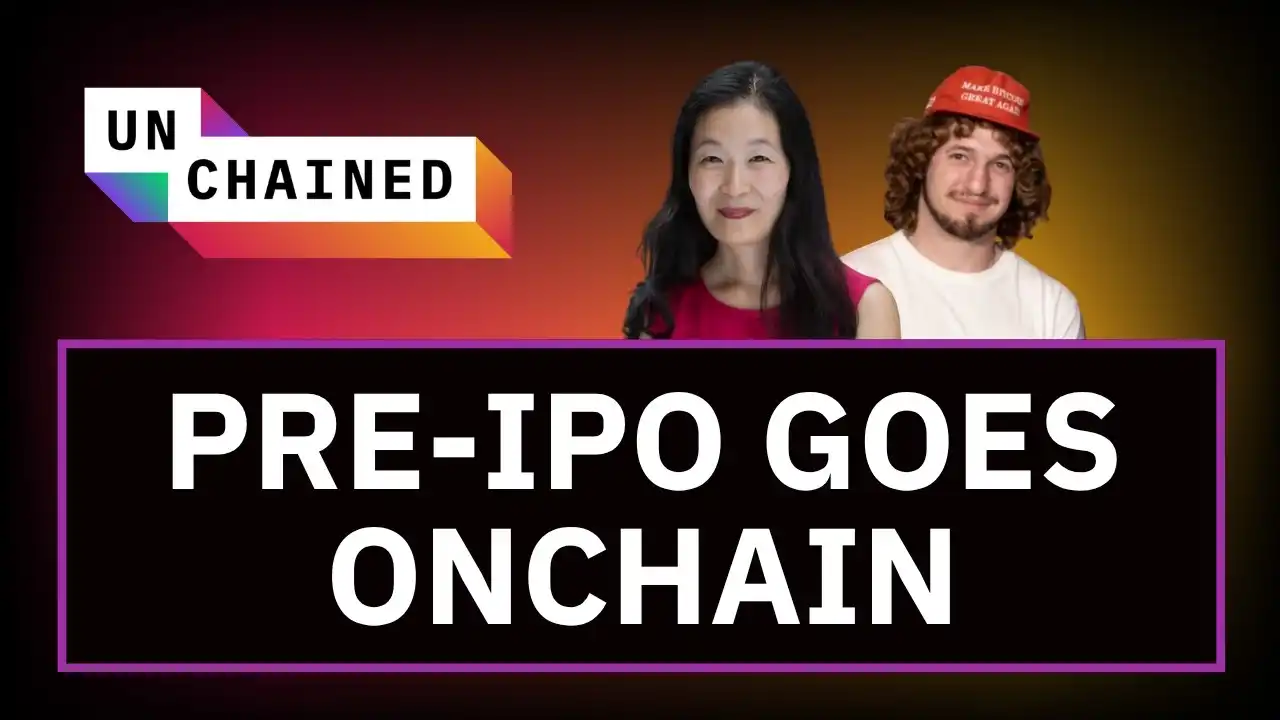
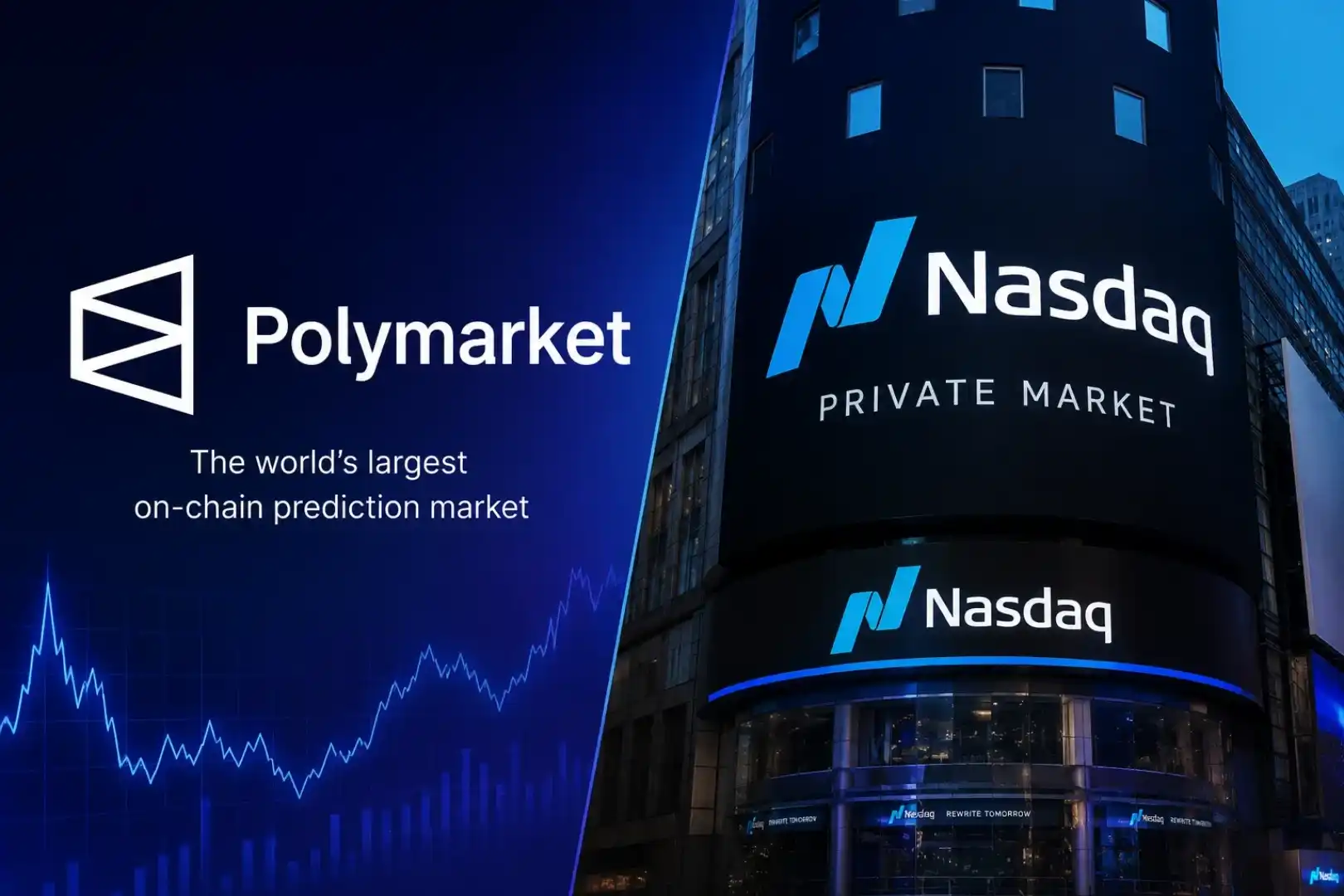
This podcast episode explores the rise of on-chain pre-IPO price discovery and trading, focusing on companies like SpaceX, OpenAI, and Anthropic. Key trends include the recent launch of a SpaceX pre-IPO perpetual contract on Hyperliquid, the secondary market trading of AI company shares, and a new partnership between Nasdaq Private Market and Polymarket. Dio Casares explains why AI companies like OpenAI and Anthropic actively deny the legitimacy of secondary trades. Primary reasons are to protect their primary funding rounds (as secondary trades don't provide cash to the company) and to avoid complex legal and administrative responsibilities associated with settling these transactions. He argues that on-chain **derivatives** (like perpetuals) are a more viable solution than **tokenized spot markets**, as they better navigate U.S. regulatory holding period requirements, provide effective hedging, and avoid antagonizing the companies themselves by competing with their primary raises. The discussion covers the risks and methods of gaining pre-IPO exposure, from direct investments and SPVs to riskier, layered structures that can lead to legal complications and settlement issues. Casares also maps the landscape of key players, differentiating between traditional secondary brokers (like Forge, Hiive, and Setter) and on-chain derivatives protocols (like Trade.xyz/Ventuals on Hyperliquid) and tokenization platforms (often on Solana). He positions Patagon as a facilitator for access to private market deals but clarifies it avoids on-chain tokenization to maintain good relations with portfolio companies. Looking ahead, the convergence of a historic IPO pipeline (with potential trillion-dollar valuations), the 24/7 nature of crypto markets, and the strategic use of pre-market perpetuals as a "loss leader" suggest continued growth and competition in the on-chain pre-IPO space.

marsbitHace 2 días 10:19

A Comprehensive Analysis of On-Chain Pre-IPO: Why is the Pricing Power of SpaceX and OpenAI Moving On-Chain?

marsbitHace 2 días 10:19

Conversation with Patagon Founder: Revealing the Inside Story of Anthropic's Secondary Market

**Summary: Inside Anthropic's Massive, Opaque Secondary Market** In a revealing interview, Patagon founder Dio Casares pulls back the curtain on the booming, high-risk secondary market for shares in companies like Anthropic. This private market, fueled by companies staying private longer and massive funding rounds, is estimated to involve hundreds of billions of dollars. Casares distinguishes between two types of "secondary" trading: 1. **Company-approved SPV (Special Purpose Vehicle) sales:** Where new capital flows into the company, often facilitated by select private equity firms. Anthropic supports this to manage liquidity and pre-IPO selling pressure. 2. **The "gray" market:** Platforms like Hive and Forge that match buyers and sellers, often creating pricing confusion and competing with official funding rounds. These intermediaries are widely disliked by companies. The market structure is complex and fragmented, relying heavily on personal connections. Brokers connect buyers and sellers, often layering multiple SPVs to pool capital, with single transaction fees as high as 10%. Strikingly, some finance professionals earn more from this trading than from their primary investment roles. **Key risks highlighted include:** * **High Fraud Rates:** An estimated 10-20% of transactions involve fake stock certificates or sellers who take payment without having the shares. * **Complex, Risky Structures:** Nested SPVs, "forward contracts" on employee equity, and tokenized private equity create layers of opacity. This is exemplified by a recent incident where an xAI employee's shares were revoked after an espionage allegation, leaving buyers empty-handed. * **Post-IPO "Settlement Hell":** After an IPO, delays in distributing shares through multiple SPV layers and decisions by fund managers to hold onto shares could trigger years of lawsuits as downstream investors are locked out. **For small investors** holding positions through tokenized vehicles or layered SPVs, it's often impossible to verify the underlying asset. Casares advises caution: if the investment feels wrong, consider exiting. As the private market now surpasses IPO fundraising, this "wild west" ecosystem faces a looming reckoning. While it will likely professionalize, the post-IPO period for a company like Anthropic could unleash a wave of disputes, exposing the vulnerabilities built into this frenzied, largely unregulated marketplace.

marsbit05/17 01:08

Conversation with Patagon Founder: Revealing the Inside Story of Anthropic's Secondary Market

marsbit05/17 01:08

Bankless Interview: Private Equity Insiders Reveal the Inside Story of Anthropic's Primary Market Trading

**Bankless Interview: A Private Equity Veteran Exposes the Dark Side of Anthropic's Pre-IPO Trading** In a Bankless podcast, Patagon founder Dio Casares reveals the opaque inner workings of the massive secondary market for shares in pre-IPO giants like Anthropic. The market, driven by private SPVs (special purpose vehicles), brokers, and even informal networks, sees hundreds of billions in notional value changing hands, with single-deal fees as high as 10%. However, an estimated 10-20% of transactions involve fraud or fabricated share certificates. Intermediaries often profit more from these deals than from their core investment businesses. Two types of "secondary" exist: company-sanctioned trades (like employee tender offers) that bring new money to the company, and disruptive "gray market" trades on platforms like Hive or Forge, which companies like Anthropic actively fight. The latter creates pricing chaos and complicates primary fundraising. A major risk involves multi-layered, nested SPV structures. When a company like Anthropic finally IPOs, delays in distributing shares down these chains, combined with discretionary powers of fund managers (GPs) to hold or sell, could trigger a wave of lawsuits and settlement nightmares lasting years. For small investors in "tokenized" versions of these assets, transparency is minimal, and due diligence is often impossible. Casares advises extreme caution, suggesting investors trust their gut and exit if something feels wrong. He warns that the post-IPO period will be a major "reckoning" for this wild and largely unregulated market.

marsbit05/15 09:44

Bankless Interview: Private Equity Insiders Reveal the Inside Story of Anthropic's Primary Market Trading

marsbit05/15 09:44

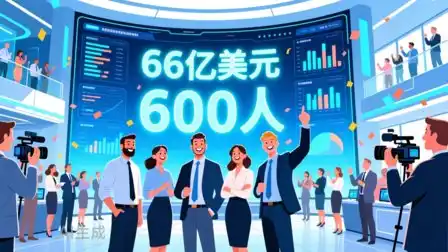
600 People, $66 Billion: The First Major Cash-Out in the Era of Large Models

The first systematic "big cash-out" of the AI era occurred in October 2025, when over 600 current and former OpenAI employees sold a total of $6.6 billion in shares via a secondary market. Approximately 75 individuals maxed out a $30 million per-person sale limit, while around 525 others cashed out an average of $8.3 million each. This event, exceeding the scale of any 2024 US IPO, functioned as a "shadow IPO." It marked a radical departure from the traditional Silicon Valley path of waiting for a public listing, instead allowing employees to convert equity to cash after just two years of tenure—a direct retention tool in a fiercely competitive talent market where rivals like Meta have offered packages worth hundreds of millions. This massive liquidity event presents a dual-edged sword for OpenAI. While it helps retain talent, it also risks triggering a brain drain as newly wealthy employees may depart. Furthermore, it creates a dilemma for those who sold: they forfeited potential future gains as the company's valuation soared from $400 billion to $852 billion within months. In stark contrast, employees at rival Anthropic demonstrated greater reluctance to sell during their own secondary offering. The financial narratives of the two labs also diverge sharply. OpenAI, while achieving over $20 billion in annualized revenue by 2025, faces massive projected losses (up to $14 billion in 2026), a long path to cash flow positivity, and significant revenue-sharing payments to Microsoft. Anthropic reports rapid revenue growth, improving gross margins, and a faster path to profitability. OpenAI's trajectory is thus balanced precariously between skyrocketing valuation based on funding narratives and the pressures of sustained financial losses post-cash-out. The event underscores that the AI race has evolved into a capital and human experiment, where immense wealth crystallizes the complex calculations of greed, fear, and ambition within the industry.

marsbit05/12 07:46

600 People, $66 Billion: The First Major Cash-Out in the Era of Large Models

marsbit05/12 07:46

Anthropic and OpenAI Have Single-Handedly Severed the Logic of Pre-IPO Stock Tokenization

The pre-IPO stock token market is experiencing significant turmoil following strong statements from AI giants Anthropic and OpenAI. Both companies have updated their official policies, declaring that any transfer of their company shares—including sales, transfers, or assignments of share interests—without prior board approval is "invalid" and will not be recognized in their corporate records. This means buyers in such unauthorized transactions would not be recognized as shareholders and would have no shareholder rights. A major point of contention is the use of Special Purpose Vehicles (SPVs), which are legal entities commonly used by pre-IPO token platforms to pool investor funds and indirectly acquire shares from employees or early investors. The companies explicitly state they do not permit SPVs to acquire their shares, and any such transfer violates their restrictions. They warn that third parties selling shares through SPVs, direct sales, forward contracts, or stock tokens are likely engaged in fraud or are offering worthless investments due to these transfer limits. This stance directly threatens the core model of many pre-IPO token platforms, which rely on SPV structures. The announcement revealed additional risks within this model, such as complex "SPV-within-SPV" layering that obscures legal transparency, increases management fees, and creates a chain reaction risk of invalidation. Following the news, tokens like ANTHROPIC and OPENAI on platforms like PreStocks fell sharply (over 20%). The market reaction highlights a divergence: while asset-backed pre-IPO tokens plummeted, purely speculative pre-IPO futures contracts, which are bilateral bets on future IPO prices with no claim to actual shares, remained relatively stable as they are unaffected by the transfer restrictions. The industry is split on the implications. Some believe the fundamental logic of pre-IPO token trading is broken if leading companies reject SPV-held shares, potentially causing a domino effect. Others, like Rivet founder Nick Abouzeid, argue that buyers of such unofficial tokens always knowingly accepted the risk of non-recognition by the company. The statements serve as a stark risk warning and a corrective measure for a market where valuations for some AI-related pre-IPO tokens had soared to irrational levels, far exceeding recent funding round valuations.

marsbit05/12 05:04

Anthropic and OpenAI Have Single-Handedly Severed the Logic of Pre-IPO Stock Tokenization

marsbit05/12 05:04

活动图片