Artículos Relacionados con Electricity

El Centro de Noticias de HTX ofrece los artículos más recientes y un análisis profundo sobre "Electricity", cubriendo tendencias del mercado, actualizaciones de proyectos, desarrollos tecnológicos y políticas regulatorias en la industria de cripto.

A History of Technological Evolution Powered by Electricity: Aluminum, Bitcoin, and AI

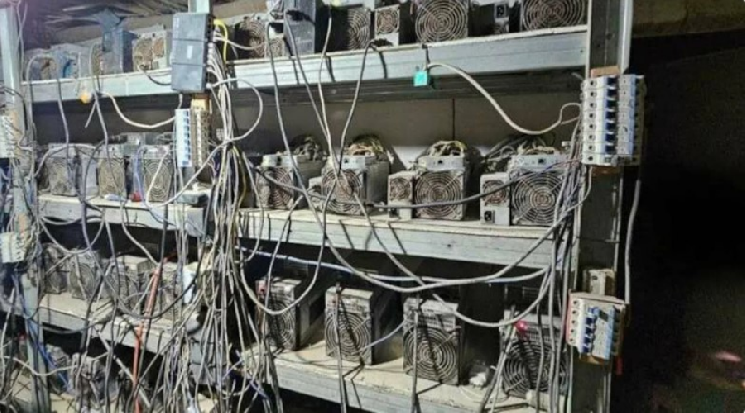
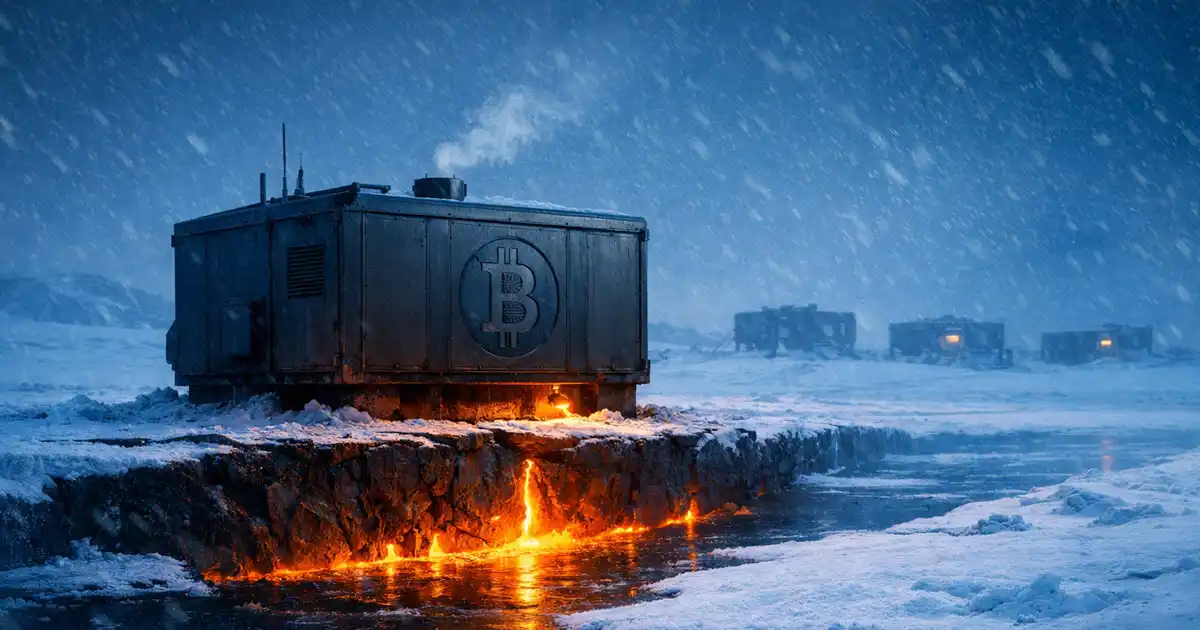
The journey from the Rockdale aluminum smelter in Texas to space-based data centers illustrates a core economic principle: whoever controls the cheapest electricity dictates the use of computing power. The evolution is clear. Old industrial sites with pre-existing, high-capacity power grids are being repurposed. In Rockdale, a former Alcoa plant now houses vast Bitcoin mining rigs, which are increasingly being replaced by AMD chips for AI training. The logic is purely financial: while smelting aluminum yields $0.17–0.27 per kWh and Bitcoin mining $0.05–0.11, AI inference on H100 GPUs generates $1.27–3.67 per kWh. Recent deals confirm the rush for power infrastructure. Riot Platforms leases space to AMD; TeraWulf bought an old Kentucky aluminum plant for its grid; NYDIG secured a New York site for its cheap hydropower to mine Bitcoin. As AI giants like Anthropic, Microsoft, Google, and Amazon aggressively expand, they now directly compete with crypto miners for the same industrial power resources, often outbidding them. This has led to a decline in Bitcoin's global hash rate and a wave of miner conversions to AI data centers. This "digital resource curse" extends globally. Gulf nations, long offering subsidized power to attract heavy industry like aluminum, are now pivoting to become AI and cloud computing hubs—exporting computational power instead of physical commodities. Similarly, Bhutan halted its sovereign Bitcoin mining to sell hydropower directly to India for a steadier return. The frontier is space. Projects like Starcloud plan orbital solar-powered data centers, leveraging constant sunlight and natural cooling, with Bitcoin mining as a secondary use for surplus power. Even consumer brands are transforming; Allbirds shifted from footwear to AI infrastructure, causing its stock to surge. Meanwhile, crypto projects like Bittensor, Render, and Akash propose a decentralized alternative, creating markets to aggregate distributed, idle computing resources from individual hardware. The underlying infrastructure—the power grid—remains constant. As profit margins shift, the facilities built upon it will continue to evolve, from aluminum to Bitcoin to AI and beyond, always chasing the highest yield per kilowatt-hour, whether in Texas, Abu Dhabi, or low Earth orbit.

marsbit05/26 10:09

A History of Technological Evolution Powered by Electricity: Aluminum, Bitcoin, and AI

marsbit05/26 10:09

The AI-Era Power Arms Race: Energy Order Reshuffle Behind NextEra's Acquisition of Dominion

The AI arms race is shifting from a focus on chips and models to a fundamental battle over electricity. NextEra Energy's proposed $66.8 billion acquisition of Dominion Energy highlights this profound change, as AI's explosive growth is rewriting the growth logic for the power sector. The deal is less about traditional utility consolidation and more about securing a strategic gateway to Virginia’s "Data Center Alley," a critical hub where tech giants have massive, signed load requirements. The core challenge is a growing disconnect: data center construction cycles are far shorter than the years needed to build new power generation and transmission infrastructure. Morgan Stanley predicts a 49GW gap in power availability for U.S. data centers by 2028. Electricity, once a taken-for-granted commodity, is now a scarce and strategic resource. This transforms the competitive landscape—future AI competitiveness may hinge not just on algorithms but on a company's ability to secure long-term, stable, and affordable power supply. The transaction signals a broader revaluation of the entire energy infrastructure chain, from natural gas and nuclear power for base load to storage and transmission equipment. However, the largest variable is regulation. Balancing rapid AI-driven grid expansion with public concerns over costs, fairness, and environmental impact will be a complex political and social challenge. The true value in the coming AI era may lie not just in power generation assets, but in owning the crucial infrastructure nodes, grid access rights, and the regulatory relationships needed to deliver electricity where it's needed most.

marsbit05/19 11:37

The AI-Era Power Arms Race: Energy Order Reshuffle Behind NextEra's Acquisition of Dominion

marsbit05/19 11:37

Token Going Global: Selling China's Electricity to the World

The article "Token Goes Global: Selling Chinese Electricity to the World" draws a parallel between the 19th-century British Empire's control over global telegraph networks and China's emerging dominance in AI model-based token consumption. By 2026, data from OpenRouter shows Chinese models (like MiniMax M2.5, Kimi K2.5, and GLM-5) account for 61% of the top ten models’ token usage, driven by significantly lower costs—sometimes 17 times cheaper than Western alternatives. This shift accelerated with tools like OpenClaw, which increased token consumption exponentially, leading developers to seek affordable alternatives. Chinese models offer competitive performance at a fraction of the price, thanks to lower electricity costs, efficient MoE architectures, and intense domestic competition. The core idea is that token consumption represents a new form of “electricity export.” While physical electricity remains in China, its value is delivered globally via tokens—avoiding traditional trade barriers. This mirrors China’s earlier role in Bitcoin mining, but tokens now offer more practical, embedded value in developer workflows. However, challenges like data sovereignty and U.S. chip restrictions remain. The situation is framed as a new strategic competition between the U.S. and China, akin to the space race, where control over AI infrastructure could shape global digital influence. The token-driven battle is ongoing, silent, and fought on every developer’s machine.

marsbit02/26 10:09

Token Going Global: Selling China's Electricity to the World

marsbit02/26 10:09

活动图片