Not Just Trading and Meme: These 5 Projects on Base Are Exploring New On-Chain Use Cases

marsbitPublicado a 2026-08-28Actualizado a 2026-08-28

Resumen

Beyond Trading and Memes: 5 Projects Exploring New On-Chain Use Cases on Base While much of the crypto space is dominated by speculation, Base—Coinbase's Ethereum Layer 2 with over $5B TVL—is fostering innovative projects beyond the usual categories. Here are five notable examples: 1. **Hydrex**: A MetaDEX/AMM aggregator that pools native and external liquidity (e.g., from Uniswap, Morpho) to offer optimal swap rates. It features a ve(3,3)-style incentive model and single-signature transactions. 2. **SwapRoyale**: A fantasy trading competition app where users pay a fixed entry fee to trade with a virtual $100k portfolio in real-time contests. It gamifies trading with various tournament formats and has already distributed over $100k in prizes. 3. **BlockRun**: A permissionless AI gateway and payment layer for the on-chain agent economy. It allows autonomous systems to discover, pay for, and execute services using USDC on Base via the x402 micropayment standard, enabling pay-per-use AI. 4. **PixieChess**: A play-to-earn digital chess game where each piece is a collectible NFT with unique abilities that alter classic rules. Value is kept within the ecosystem, with a treasury funding real ETH prizes for winners. 5. **Tokensto**: A platform that lets users sell their unused AI API credits (e.g., from OpenRouter) for cash. It automatically prices credits and facilitates direct payouts to crypto wallets. These projects demonstrate that builders on Base are actively exper...

Author: ollieblocmates, blocmates

Compiled by: Deep Tide TechFlow

Deep Tide Guide: The popular consensus is that crypto has been reduced to four winning categories: perpetual contracts, memecoin launchpads, stablecoin issuers, and trading apps. As technological optimists, blocmates is touring major networks to find viable use cases that still have vitality beyond speculation's dominance. This stop is Base: a network with over $5 billion in TVL, handling approximately 12 million transactions daily, and settling about 90% of x402 transactions, is nurturing a batch of products that haven't yet entered the spotlight—the MetaDEX Hydrex which aggregates liquidity, the fantasy competition app SwapRoyale that gamifies trading, the permissionless AI gateway BlockRun, the real-money chess PixieChess where pieces are collectible NFTs, and Tokensto which turns idle AI tokens into cash. The author believes the surface area of interesting on-chain activities is still wider than the current consensus admits.
The popular consensus is that crypto has been reduced to four winning categories—perpetual contracts, memecoin launchpads, stablecoin issuers, and trading apps.

From a revenue perspective, there's some truth to this statement.

However, as technological optimists, we believe crypto has more viable use cases beyond the dominance of speculation.

To prove our point, we are touring major networks to see what interesting things are brewing within their ecosystems.

Today's stop is Base—the native network of the Base App.

Despite being in controversy where there's a gap between the network's stated direction and its actions, a look at the charts reveals a healthy network with a TVL of over $5 billion.
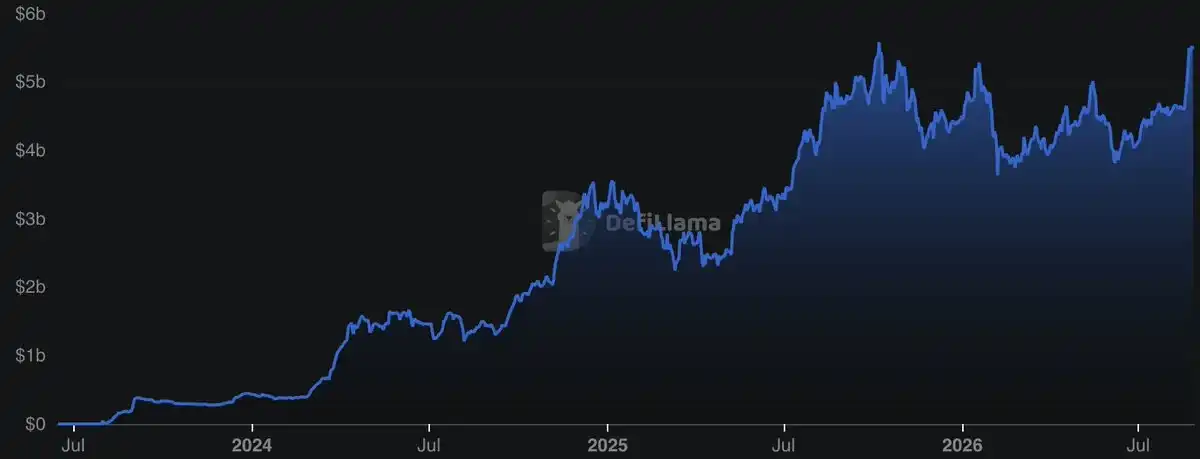
Chart: Source: DeFiLlama

It's worth noting that this metric is significantly skewed. Morpho alone accounts for over 80% of the network's locked value, totaling over $3 billion.

As of mid-August 2026, the network processes approximately 12 million transactions daily (ranking among the highest in tracked chains for transaction volume), with about 283,000 daily active addresses.

Base also settles about 90% of x402 transactions (the emerging standard for micropayments between agents) and leads in on-chain spot trading volume for major L1 assets like BTC, ETH, and SOL.

Over the past year, its share of global DEX trading volume increased from 8.8% to 12.1% (a 38% growth), with total trading volume up 38% year-over-year.

Furthermore, some refreshing products have emerged on the network, some not yet in the spotlight. We've listed a few worth watching.

Hydrex

Starting with Hydrex. This is a Base-native MetaDEX/automated market maker that aggregates native pools with external liquidity sources within the Base ecosystem, routing trades through Uniswap, Morpho, etc., to provide the best prices.

Hydrex runs a modified ve(3,3)-style incentive engine, with weekly community governance directing HYDX emissions and protocol revenue to the most productive liquidity and trading volume.

Holders of locked token accounts can capture 100% of the fees generated by Hydrex LPs through weekly distributions, plus partner incentives, creating a tight flywheel that rewards long-term commitment.

Hydrex has some very cool features, like token swaps and liquidity provision with a single signature, automated liquidity managers, and backing HYDX emissions with real reserve contributions.

SwapRoyale

Yes, we do agree perpetual contracts are one of crypto's "four horsemen," but have you tried the DraftKings version?

SwapRoyale adds something particularly appealing to the concept of trading; it's truly one of the most interesting projects being built on Base right now.
Chart: Source: SwapRoyale

SwapRoyale is a fantasy trading competition app, currently in public beta on iOS. Users pay a fixed entry fee to receive a $100,000 virtual portfolio and participate in real-time trading competitions.

At a time when consumer apps are finally starting to win markets (fomo being the most recent obvious proof), SwapRoyale is one of the purest expressions of this thesis: take something people already love (trading), wrap it in a gamified, skill-oriented format, and make the UX smooth.

Here's how it works:

  • Users sign up with an email
  • A wallet is automatically created
  • Fund via Coinbase, Venmo, PayPal, Apple Pay, debit card, or any crypto wallet
  • Zero platform fees for deposits and withdrawals
  • Users can view and join competitions: available assets, prize pool, payout structure, duration, max number of trades, and minimum participants

There are three competition formats:

  • Guaranteed Prize Pool (GPP)—high volatility, large prizes
  • Double/Triple Up—low volatility, stable play
  • Free contests to practice the format risk-free

SwapRoyale currently has over 300 daily players, has distributed over $100,000 in prizes, and has over 1,500 paying players.

More integrations are being added to enhance the player experience, covering rewards, engagement, and ease of use.

These integrations will bring a full 76-badge system (with interactive 3D collectibles, revamped streak mechanics, and richer sharing), weekly Megapot draws (free entry tickets, real-time prize pool tracking, prizes backed by real tickets), and partner rewards redeemable through Trove, Moonshot, and Beezie.

It also adds Blink for instant deposits, a more polished first-launch experience, and a major UX overhaul across the app: new navigation system, unified leaderboard, smoother gestures, haptic feedback, sound effects, animations, and redesigned sharing flows.

This product is already showing strong product-market fit and is definitely worth watching as it progresses.

BlockRun

The on-chain agent economy is being built on Base, and this is far from just a slogan.

We've witnessed some of the most innovative things in on-chain AI launching first on Base, with x402 being a significant innovation among them.

BlockRun adds to these exciting projects, serving as a routing and payment layer for the agent economy.

BlockRun is a permissionless AI gateway that enables autonomous systems to discover, pay for, and execute services without API keys, subscriptions, or credit cards.

Through BlockRun, agents can fund a non-custodial wallet with USDC on Base, call any endpoint, and have payments directly embedded into HTTP requests by the x402 protocol, completing settlement in a single round trip.

With BlockRun, users enjoy true metered intelligence, paying only for what they actually use.

Payments settle instantly in USDC, agents run at internet speed, unburdened by the friction of traditional API billing.

PixieChess

We also found a magical, real-money chess game built on Base where each piece is a collectible NFT with unique abilities that rewrite the classic rules.

It's called PixieChess. Players assemble their board from their collections, then either climb the ladder or burn pieces to enter high-stakes tournaments and duels.
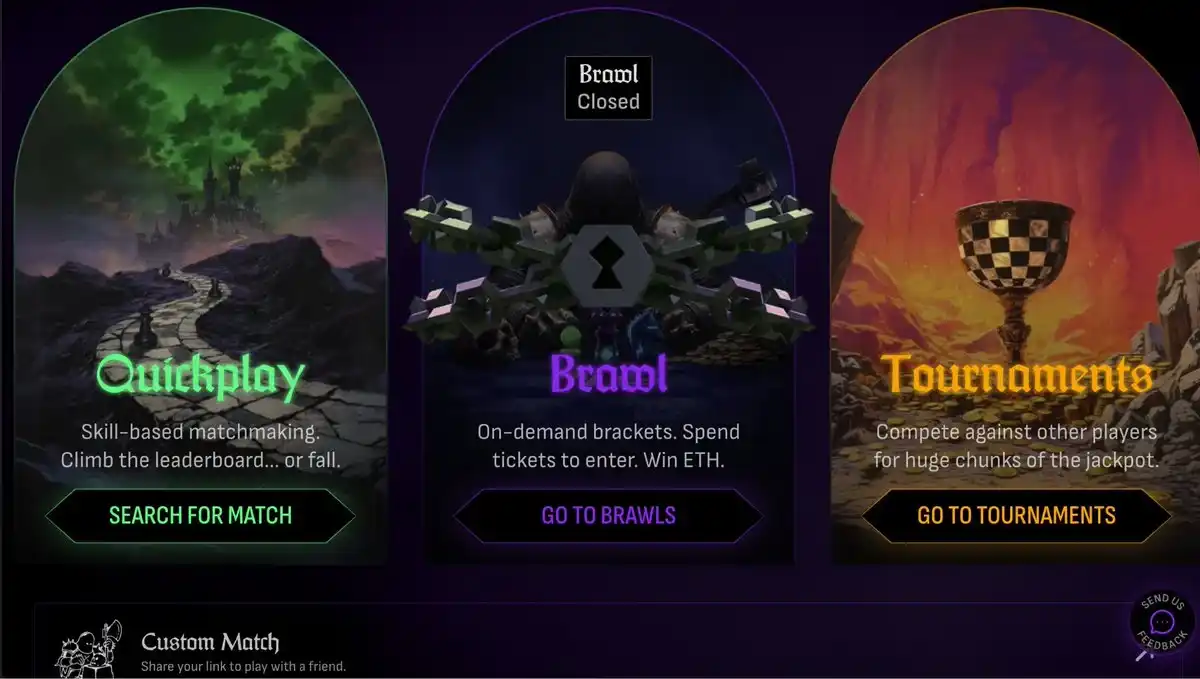
PixieChess is built so all value stays within the system. Each sale funds the treasury, which in turn funds prizes, allowing winners to take home real ETH.

PixieChess is based on classic chess: White moves first, players take turns, moving one piece per turn. Castling, en passant, and pawn promotion follow standard rules (unless overridden by a piece's special ability).

The goal is to checkmate the opponent's king. However, stalemate, agreed draw, the 50-move rule (no captures or pawn moves), threefold repetition, or insufficient material result in a draw.

Each player has a chess clock that only runs on their turn. Timeout usually means losing (unless the opponent has insufficient material to checkmate, then it's a draw).

I'm not much of a chess player, but this is genuinely very cool and has the potential to break out of the Crypto Twitter echo chamber.

Tokensto

Almost everyone familiar with AI has experienced this "sobering moment": spending subscription money on an AI product they thought was really great, only to be left with a pile of unused tokens.

Or maybe it's not just disappointment—it could be accumulating a large amount of tokens, only to stumble upon a competitor's viral launch video, and that competitor happens to be 10x better than the one they subscribed to.

Tokensto solves this problem: it lets users turn idle AI tokens into cash. This is a fairly straightforward product built on the Base network.

Users paste a provider key (OpenRouter, Venice, or any OpenAI-compatible URL), and it gets listed; if the price is competitive enough, it gets bought, with proceeds sent directly to the user's wallet.

Its tech is powered by Surplus (an open inference marketplace), Usdctofiat automatically prices each listing at the top of the order book, and users can cash out directly to off-chain banking apps via Peer (a permissionless on/off-ramp protocol).
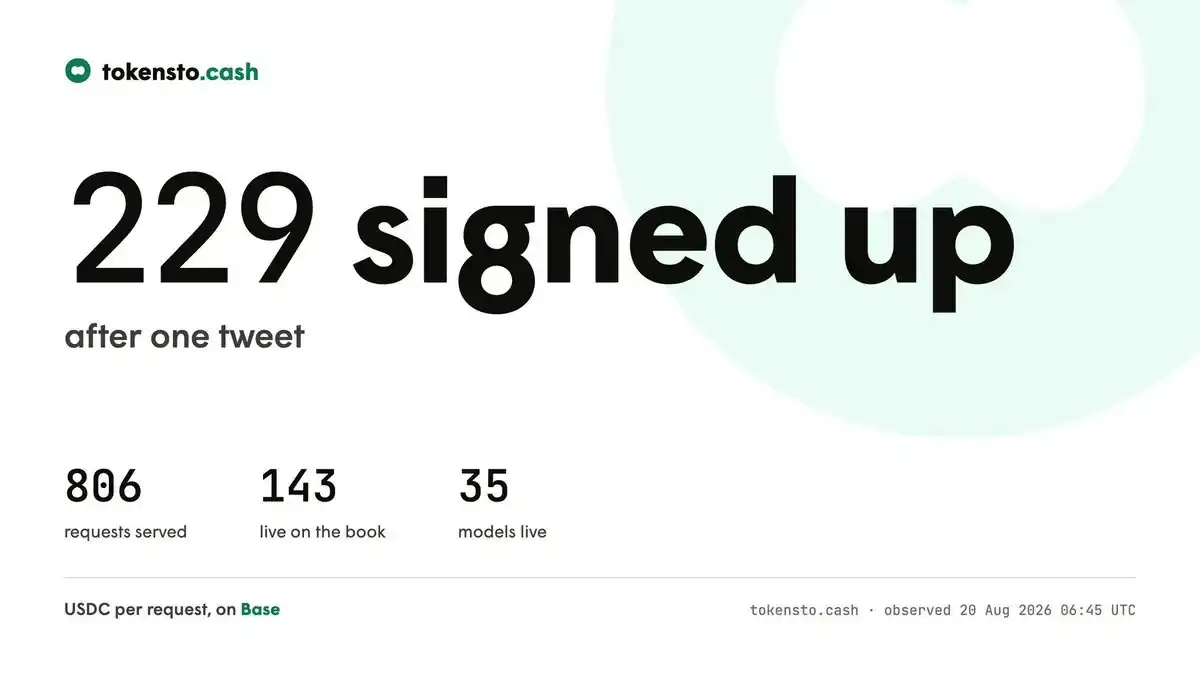
The data shows users are buying into it; its breakout is only a matter of time.

Reflections

Our tour of Base revealed a MetaDEX designed for tighter incentive alignment, a skill-based fantasy trading app that turns market intuition into competition, an agent payment layer that eliminates the friction of traditional API billing, a magical chess game that rewrites rules with collectible pieces while keeping value flowing within the system, and a platform that can sell idle AI tokens for cash.

Not all of these experiments will become category-defining successes, but they show that builders on Base are still willing to explore consumer experiences, the agent economy, and novel gaming mechanics, rather than simply chasing the next speculative flywheel.

This means the surface area of interesting on-chain activities is still wider than the current consensus admits.

As trading volume quietly flows in and the "going crypto" slogan grows louder, we believe more projects will surface. We can only hope that this time is different, with more than just a handful of apps truly breaking out of the CT echo chamber.


Criptos en tendencia

Preguntas relacionadas

QWhat are the four dominant categories that popular consensus suggests cryptocurrency has been reduced to, according to the article?

AThe four dominant categories are perpetual contracts, memecoin launchpads, stablecoin issuers, and trading applications.

QWhat is the main function and unique feature of Hydrex on Base?

AHydrex is a Base-native MetaDEX/Automated Market Maker that aggregates native pools with external liquidity sources within the Base ecosystem. Its unique feature is a modified ve(3,3) incentive engine, where weekly community governance directs HYDX emissions and protocol revenue to the most productive liquidity and trading volumes, creating a flywheel that rewards long-term alignment.

QHow does SwapRoyale transform trading into a gamified experience?

ASwapRoyale is a fantasy trading competition application. Users pay a fixed entry fee to receive a $100,000 virtual portfolio and participate in real-time trading contests. It gamifies trading by wrapping the speculative activity in a competitive, skill-oriented format with a smooth user experience.

QHow does BlockRun enhance the on-chain AI/agent economy on Base?

ABlockRun serves as a permissionless AI gateway and payment layer for the agent economy. It allows autonomous systems to discover, pay for, and execute services without requiring API keys, subscriptions, or credit cards. Using USDC on Base, agents fund a non-custodial wallet, call endpoints, and have payments embedded directly into HTTP requests via the x402 protocol, enabling single-round-trip settlement and true pay-as-you-go AI usage.

QWhat problem does Tokensto solve, and how does it work on Base?

ATokensto solves the problem of users having leftover, unused AI credits or tokens. It allows users to turn these idle AI tokens into cash. Users can paste a vendor key (e.g., from OpenRouter or any OpenAI-compatible URL) to list it for sale. If the price is competitive, it gets bought, and the proceeds are sent directly to the user's wallet, facilitated by Surplus and Usdctofiat, with off-ramping via Peer.

Lecturas Relacionadas

One Vote Could Make SOL's Daily Burn Rate Soar 14 Times

Solana's first formal on-chain governance vote concluded on August 27th, coinciding with SOL hitting a yearly high. Three key proposals aimed at reshaping the network's tokenomics were decided. Solana's core challenge is a massive usage-to-value capture gap. Despite processing 120x more transactions than Ethereum and leading in DEX volume, its fee revenue is significantly lower due to its fee structure. Currently, most fees (priority fees) go to validators, with only a small base fee partially burned. This results in high net inflation (approx. 6k SOL issued vs. ~650 burned daily). The three proposals seek to address this: **SGP-0001** establishes the formal governance framework. **SGP-0002** (Double Deflation Acceleration) proposes doubling the annual reduction rate of new SOL issuance from 15% to 30%, aiming to reach the terminal inflation rate by 2029 instead of 2032, reducing issuance by an estimated 18.9 million SOL. **SGP-0003** (Resource & Entry Fee Restructuring) would split the base fee into a fixed "entry fee" for block producers and a variable, fully burned "resource fee." This could increase daily SOL burns by ~14x to 7,500-9,000. Major stakeholders like Helius, Jupiter, and Jito support the changes. However, opposition exists, notably from Solana Company (HSDT), whose revenue is 99.4% from staking. They argue rapid changes could disrupt institutional adoption. Critics also highlight a potential conflict where validators can vote against reduced staking yields using delegated SOL without explicit voter consent. The outcome of these votes provides a directional mandate. If passed, they represent a significant step towards aligning Solana's immense network activity with tangible economic value for SOL holders.

marsbitHace 10 min(s)

One Vote Could Make SOL's Daily Burn Rate Soar 14 Times

marsbitHace 10 min(s)

Chinese Venture Capital Is Shifting from 'Selecting People' to 'Selecting Cities'

Chinese Venture Capital: Shifting from "Picking Founders" to "Picking Cities" The article discusses a significant shift in China's venture capital (VC) landscape. Historically, VC investments heavily focused on the individual founder's vision, track record, and capability, as seen in early internet-era successes like Wang Xing (Meituan), Li Bin (Nio), and Li Xiang (Li Auto). The belief was that betting on exceptional people was the key to success. However, the rise of hard tech startups—in fields like semiconductors, robotics, AI, and biotech—has changed this calculus. These industries depend heavily on deep, localized ecosystems: specialized talent pools, established supply chains, manufacturing bases, and application scenarios. A city's industrial "resume" now significantly impacts a startup's chances. Examples include Shenzhen's dominance in robotics, Beijing's concentration of AI firms, Suzhou's biotech cluster, and Hefei's successful bet on semiconductor giant ChangXin. This shift is further driven by changes in funding sources. Government-guided funds and state-owned capital now dominate VC limited partners (LPs). These "patient capital" investors prioritize local economic development, job creation, and industrial chain growth alongside financial returns. Their early bets signal viability to other investors. Ultimately, the VC logic remains about managing risk and increasing the odds of success. In the hard tech era, a supportive city ecosystem provides crucial resources—talent, suppliers, R&D, and policy stability—that a single founder cannot easily assemble. The investment due diligence process has thus expanded from evaluating just the founder to also evaluating the founder's city. Consequently, capital is concentrating in a few regions with strong, focused industrial foundations, challenging other cities to build compelling, credible ecosystems to attract investment.

marsbitHace 1 hora(s)

Chinese Venture Capital Is Shifting from 'Selecting People' to 'Selecting Cities'

marsbitHace 1 hora(s)

Trading

Spot

Artículos destacados

Qué es MEME 2.0

Memecoin 2.0: El Ascenso de $MEME 2.0 en el Mundo de las Criptomonedas Introducción En el panorama siempre cambiante de las criptomonedas, ha surgido un nuevo contendiente. Memecoin 2.0, simbolizada como $MEME 2.0, lleva el concepto de las monedas meme a un emocionante nuevo nivel. Como un subproducto del Memecoin original, este proyecto ha capturado la atención de la comunidad cripto al cambiar el enfoque de los incentivos financieros típicos a una experiencia comprometida y entretenida. Operando en la blockchain de Ethereum, Memecoin 2.0 redefine audazmente la participación de la comunidad en la esfera cripto. ¿Qué es Memecoin 2.0, $MEME 2.0? En su núcleo, Memecoin 2.0 es un proyecto de criptomoneda que prioriza el espíritu comunitario y la diversión asociada con la cultura meme. A diferencia de las criptomonedas convencionales, que se concentran en casos de uso prácticos y beneficios tangibles, Memecoin 2.0 se distingue al abrazar el lado más liviano de la moneda digital. El proyecto existe sin promesas de utilidad, un mapa estructurado o retornos financieros, enfocándose en cambio en fomentar una comunidad vibrante centrada en memes y en el disfrute compartido. Al hacerlo, aprovecha la creciente tendencia de la cultura meme en el espacio en línea, convirtiéndose en un jugador único en el mundo de los activos digitales. Creador de Memecoin 2.0, $MEME 2.0 A pesar de la extensa investigación sobre los orígenes de Memecoin 2.0, la identidad explícita de su creador sigue siendo desconocida. Esta anonimidad no es inusual en la comunidad cripto, donde muchos proyectos son liderados por individuos o grupos que prefieren permanecer en las sombras. La falta de información disponible públicamente sobre el creador podría verse como un movimiento estratégico, poniendo el foco en la participación comunitaria en lugar de la notoriedad individual dentro del espacio. Inversores de Memecoin 2.0, $MEME 2.0 La información sobre los inversores o el respaldo financiero de Memecoin 2.0 es escasa. Esta ausencia de detalles puede sugerir que el proyecto es autofinanciado o que su enfoque en la comunidad en lugar de las estructuras de inversión tradicionales ha atraído a un tipo diferente de apoyo. Dado que el mundo de las monedas meme generalmente involucra una participación más de base en lugar de inversión institucional, este enfoque está alineado con la ética de los proyectos impulsados por la comunidad. ¿Cómo Funciona Memecoin 2.0, $MEME 2.0? Memecoin 2.0 opera completamente en la blockchain de Ethereum, capitalizando sus robustas características de seguridad y escalabilidad. Al aprovechar las fortalezas de Ethereum, Memecoin 2.0 puede ofrecer un entorno seguro para las interacciones de los usuarios, asegurando que las transacciones sean tanto eficientes como rentables. Uno de los atributos únicos de Memecoin 2.0 radica en su estructura impulsada por la comunidad. El valor y la popularidad del token $MEME 2.0 derivan de la participación activa de sus usuarios, en vez de de una utilidad inherente. Este diseño refuerza el enfoque del proyecto en el aspecto de entretenimiento de las criptomonedas, lo que implica que la risa y la participación comunitaria son las verdaderas monedas que impulsan su éxito. Además, el proyecto encaja dentro del ecosistema más amplio de las monedas meme, donde el valor de cada moneda meme oscila basado en la cultura, tendencias y la participación de la comunidad, en lugar de principios económicos tradicionales. Cronología de Memecoin 2.0, $MEME 2.0 Para entender mejor la evolución y los hitos de Memecoin 2.0, aquí hay una cronología que destaca eventos significativos en su historia: 2024: Se reconoce la creación de Memecoin 2.0 como una ramificación del Memecoin original, estableciéndose dentro del contexto próspero de las monedas meme mientras opera en la blockchain de Ethereum. 13 de julio de 2024: Memecoin 2.0 se posiciona oficialmente como una moneda meme centrada en la comunidad en la red de Ethereum, enfatizando su enfoque centrado en el entretenimiento que invita a los usuarios a participar y crecer. Puntos Clave Sobre Memecoin 2.0, $MEME 2.0 Varios rasgos críticos definen a Memecoin 2.0: Enfoque Centrado en la Comunidad: La misión principal de Memecoin 2.0 es crear una experiencia comunitaria divertida y atractiva, capitalizando en el disfrute colectivo derivado de la cultura memética. Construido sobre Ethereum: Operar en la blockchain de Ethereum proporciona al proyecto una infraestructura esencial que garantiza seguridad y escalabilidad. Falta de Utilidad o Hoja de Ruta: En un notable desvío de las criptomonedas tradicionales, Memecoin 2.0 no promete características utilitarias ni retornos financieros, reafirmando su compromiso con la participación comunitaria y el compromiso social. Enfoque en la Cultura Memética: Al abrazar los aspectos humorísticos y culturales del fenómeno meme, Memecoin 2.0 proporciona una plataforma para que los usuarios interactúen con cripto tanto fuera de línea como en línea. Contexto Adicional: La Importancia de las Monedas Meme Las monedas meme han surgido como una clase distinta de criptomonedas, a menudo impulsadas por el humor y un enfoque desenfadado para el comercio. Estas monedas generalmente carecen de una utilidad significativa o hojas de ruta de desarrollo, atrayendo a los usuarios con la promesa de diversión, interacción comunitaria y relevancia cultural. En el panorama del ecosistema cripto más amplio, las monedas meme reviven la importancia de la participación comunitaria, revirtiendo enfoques únicamente motivados por el lucro. Proyectos como Memecoin 2.0 inauguran una era donde el entretenimiento puede armonizar con las aspiraciones financieras, convirtiendo la blockchain en un parque de diversiones para la creatividad y la interacción social. Conclusión Memecoin 2.0, o $MEME 2.0, encarna una nueva ola de criptomonedas que prioriza la participación comunitaria sobre estructuras financieras rígidas. Con un enfoque en el humor y la interacción social, capitaliza sobre la fascinación que rodea la cultura meme. Al operar en la blockchain de Ethereum, Memecoin 2.0 aprovecha las capacidades de la tecnología mientras se mantiene firme en su compromiso con el valor de entretenimiento de la moneda digital. A medida que el espacio alrededor de las criptomonedas continúa evolucionando, Memecoin 2.0 sirve como un testimonio de la noción de que el futuro de los activos digitales podría depender, en gran medida, de experiencias compartidas, risas y sólidas conexiones comunitarias. En el mundo impredecible de las criptomonedas, quizás la alegría pueda ser tan valiosa como la ganancia financiera tradicional.

242 Vistas totalesPublicado en 2024.04.04Actualizado en 2024.12.03

Qué es MEME 2.0

Cómo comprar MEME

¡Bienvenido a HTX.com! Hemos hecho que comprar Memeland (MEME) sea simple y conveniente. Sigue nuestra guía paso a paso para iniciar tu viaje de criptos.Paso 1: crea tu cuenta HTXUtiliza tu correo electrónico o número de teléfono para registrarte y obtener una cuenta gratuita en HTX. Experimenta un proceso de registro sin complicaciones y desbloquea todas las funciones.Obtener mi cuentaPaso 2: ve a Comprar cripto y elige tu método de pagoTarjeta de crédito/débito: usa tu Visa o Mastercard para comprar Memeland (MEME) al instante.Saldo: utiliza fondos del saldo de tu cuenta HTX para tradear sin problemas.Terceros: hemos agregado métodos de pago populares como Google Pay y Apple Pay para mejorar la comodidad.P2P: tradear directamente con otros usuarios en HTX.Over-the-Counter (OTC): ofrecemos servicios personalizados y tipos de cambio competitivos para los traders.Paso 3: guarda tu Memeland (MEME)Después de comprar tu Memeland (MEME), guárdalo en tu cuenta HTX. Alternativamente, puedes enviarlo a otro lugar mediante transferencia blockchain o utilizarlo para tradear otras criptomonedas.Paso 4: tradear Memeland (MEME)Tradear fácilmente con Memeland (MEME) en HTX's mercado spot. Simplemente accede a tu cuenta, selecciona tu par de trading, ejecuta tus trades y monitorea en tiempo real. Ofrecemos una experiencia fácil de usar tanto para principiantes como para traders experimentados.

394 Vistas totalesPublicado en 2024.12.12Actualizado en 2026.06.02

Cómo comprar MEME

Discusiones

Bienvenido a la comunidad de HTX. Aquí puedes mantenerte informado sobre los últimos desarrollos de la plataforma y acceder a análisis profesionales del mercado. A continuación se presentan las opiniones de los usuarios sobre el precio de MEME (MEME).

活动图片