Just Now, The World's First Human vs. Robot Tennis Match Begins, Robot's Desperate Save Leaves Zheng Jie Astonished

marsbitPublicado a 2026-08-23Actualizado a 2026-08-23

Resumen

Just now, the world's first human vs. robot tennis match began, featuring stunning robotic saves that left tennis star Zheng Jie in awe. This historic event, part of the second World Humanoid Robot Games and broadcast live globally by China Media Group, marked a pivotal moment in Chinese technological innovation and embodied artificial intelligence. The match featured both mixed human-robot doubles and a groundbreaking singles match between Zheng Jie and the "Galaxy Xingzai" humanoid robot developed by Galaxy General. The robot demonstrated impressive skills including serving, forehands, backhands, and strategic court movement, with serves exceeding 100 km/h. It exhibited remarkable adaptability, recovering from a fall to continue play and handling slices and spins. The doubles match highlighted its ability to coordinate dynamically with a human partner. The event's significance extends far beyond a novelty match. Tennis represents an ultimate pressure test for embodied AI, demanding real-time integration of perception, decision-making, full-body motion control, and live博弈 within fractions of a second—a stark contrast to the discrete, contemplative environment of board games like Go mastered by AlphaGo. It directly confronts Moravec's paradox, showcasing AI's move from digital cognition to physical execution. This capability is powered by Galaxy General's proprietary "Galaxy Star Brain" (AstraBrain) model. Its key innovation is a unified architecture that integrates high-l...

AstraTennis moment for China's robots has arrived.

On August 22nd, the second World Humanoid Robot Games opened, broadcast live globally by China Media Group.

As the camera panned across the court, the entire venue seemed to hold its breath.

On either side of the net stood a human tennis star on one side, and a humanoid robot on the other.

This moment marks a historic singularity in embodied AI for Chinese technological innovation.

The world's first true human vs. robot tennis match officially began!

World's First Human vs. Robot Tennis Match

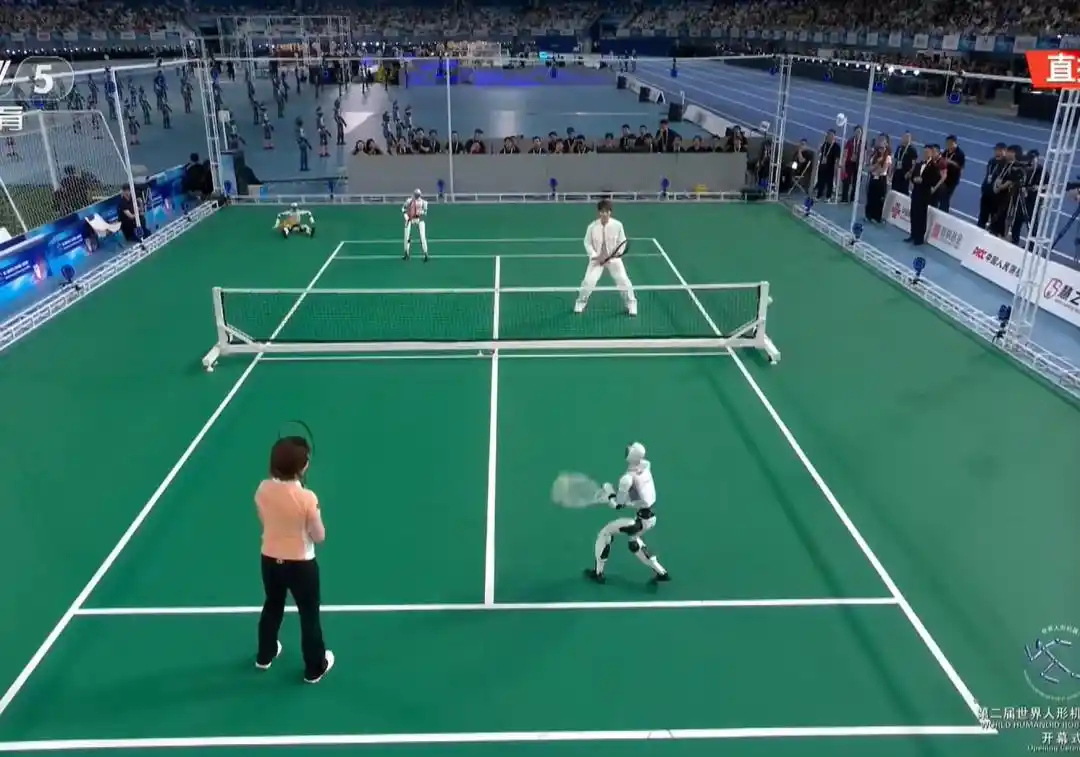
It started right away with an exciting human-robot mixed doubles match.

Surprisingly, Galaxy Xingzai's performance was brilliant: Its footwork was nimble, moving quickly back and forth as needed, playing very smoothly.

Moreover, Xingzai and its human partner formed a perfect one-in-front, one-behind formation with great默契, fighting hard against the opposing team.
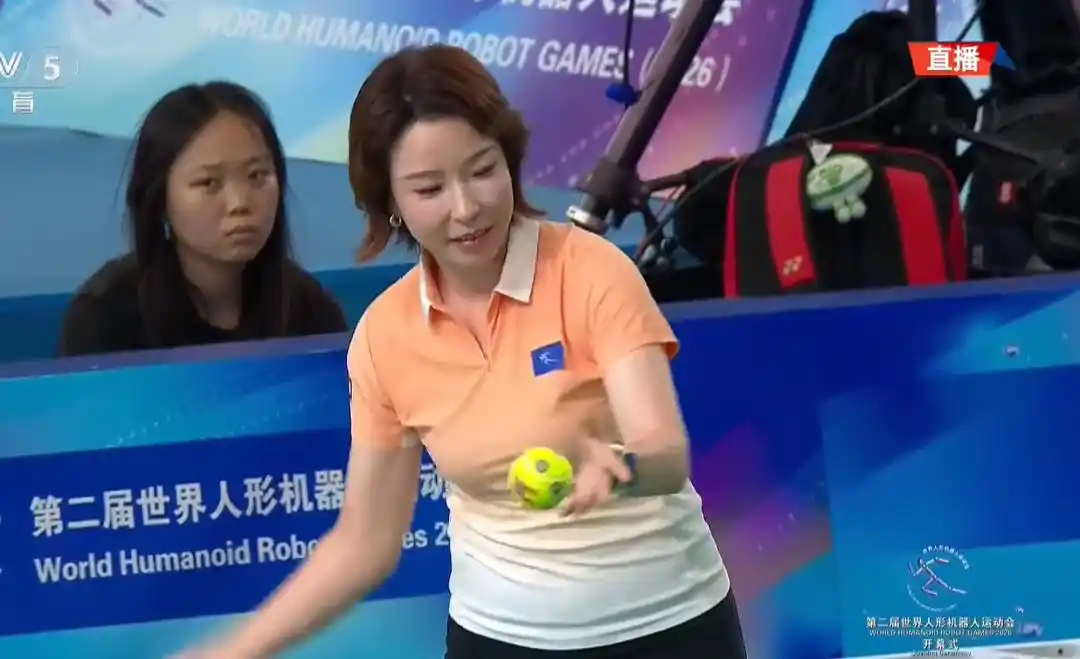
Next, tennis star Zheng Jie and Galaxy General-purpose Robot engaged in the world's first human vs. robot singles match.
Whether forehand or backhand, the robot traded shots with the human on equal terms.

Then, Zheng Jie decided to up the difficulty, hitting a lob.
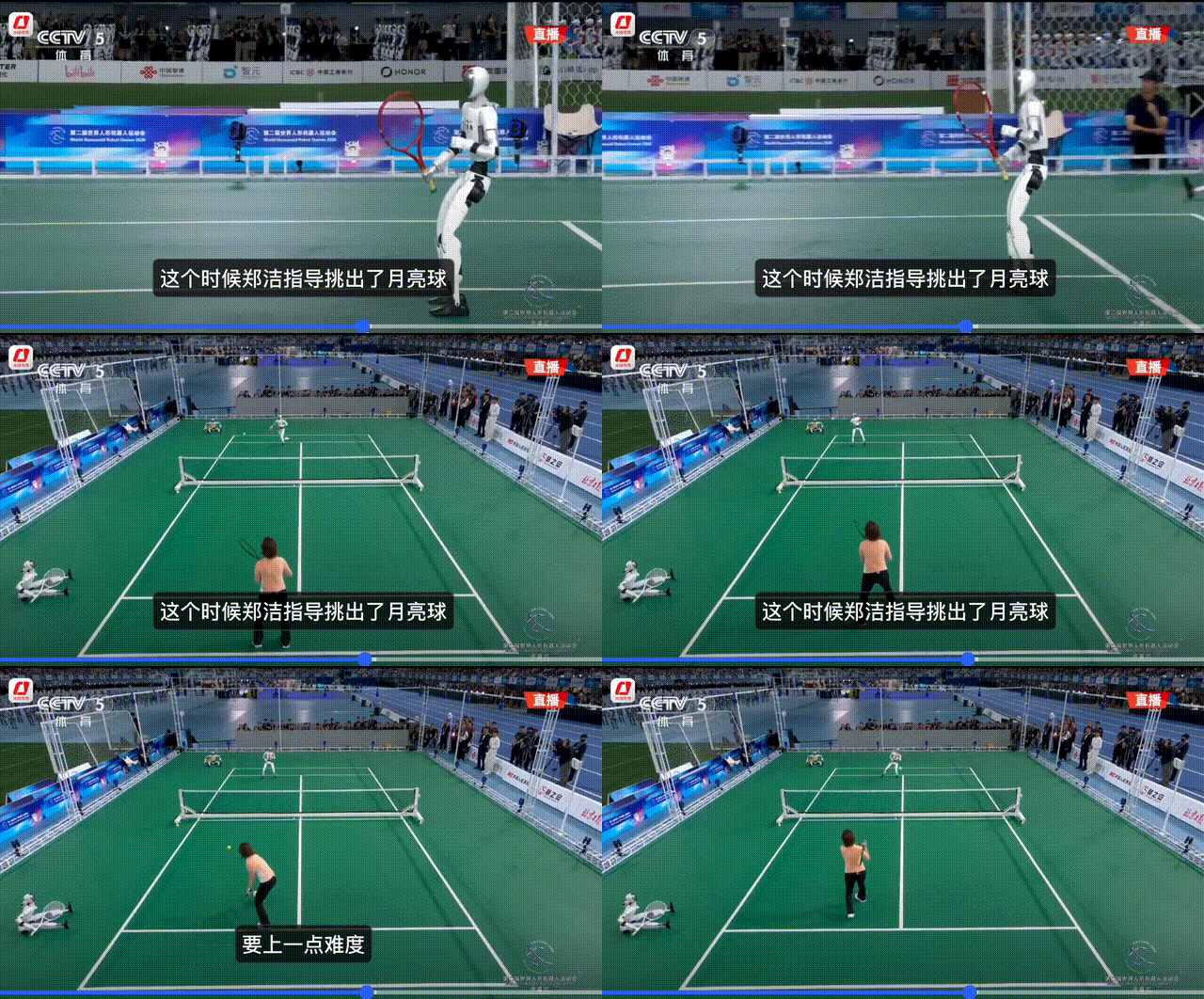
However, while being pulled left and right by its opponent, the robot accidentally took a tumble and landed flat on its back.

Unexpectedly, the next second, it immediately adjusted its posture and stood back up.

Facing Zheng Jie's slices and spins, the robot's judgment was also surprisingly good.

Finally, Zheng Jie knew she couldn't hold back anymore and began moving the robot around with shots left, right, forward, and back. The robot unexpectedly executed a brilliant split-step, earning cheers from the live audience.

The match ended, and the robot's performance had everyone cheering.

Throughout the match, actions like bending the knees, tossing the ball, and body rotation were all performed autonomously by the humanoid robot.

Moreover, with serve speeds exceeding 100 kilometers per hour, leaving it only a few tenths of a second to react, it rarely faltered.

This robot is from Galaxy General.

Ten years ago, AlphaGo defeated Lee Sedol. Ten years later, a Chinese robot competes on the same court as a top tennis athlete.

If AlphaGo proved AI could conquer the digital world, then today, Galaxy General's Chinese robot proves: AI can withstand the extreme pressure tests of the physical world.

For the first time, it stood up from within the code, running, swinging, strategizing in real competition, even getting up on its own after a fall and continuing the fight.

Such a spectacular embodied AI AstraTennis moment was witnessed globally, simultaneously!
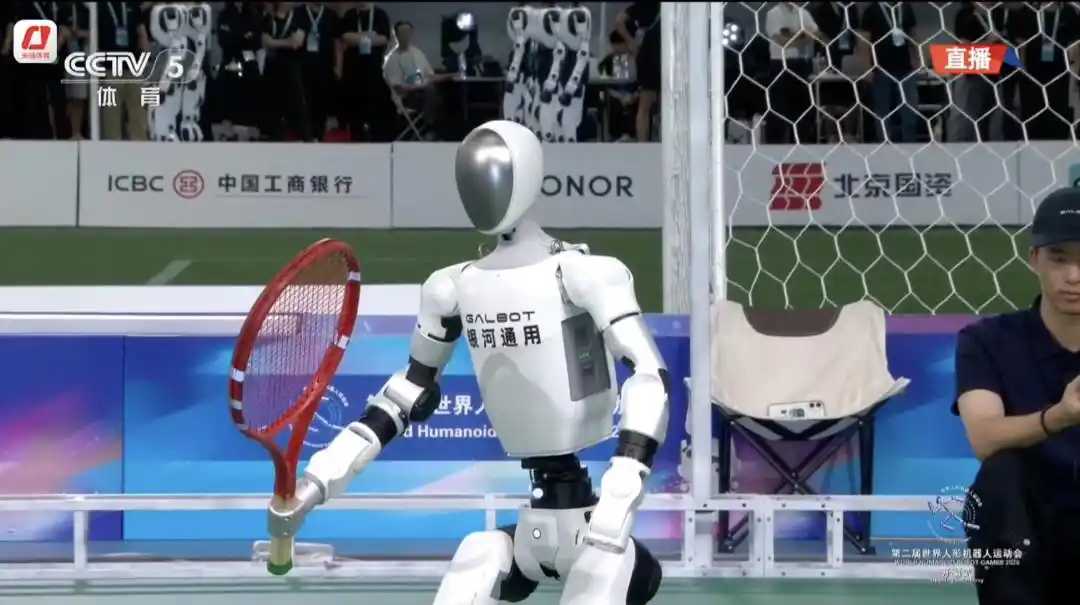
The AstraTennis Moment for China's Robots

Why could this tennis match trigger a massive earthquake in the global tech community?

Because tennis is the ultimate pressure test for embodied intelligence.

With reaction times of only a few tenths of a second, this sport simultaneously pushes a robot's perception, decision-making, whole-body motion control, and real-time strategic gameplay to their physical limits.

Furthermore, playing tennis is much harder for AI than playing Go.

After all, AlphaGo faced 361 definite intersections on a 19x19 grid, and after the opponent's move, it had tens of seconds or even minutes to calculate the next step.

That was gameplay in the digital world—vast solution space, but clear boundaries and constant rules. The entire world was static, discrete, and completely visible to the AI.

Although the solution space for this puzzle was larger than the number of atoms in the universe, for AI it was just a more difficult "math problem."
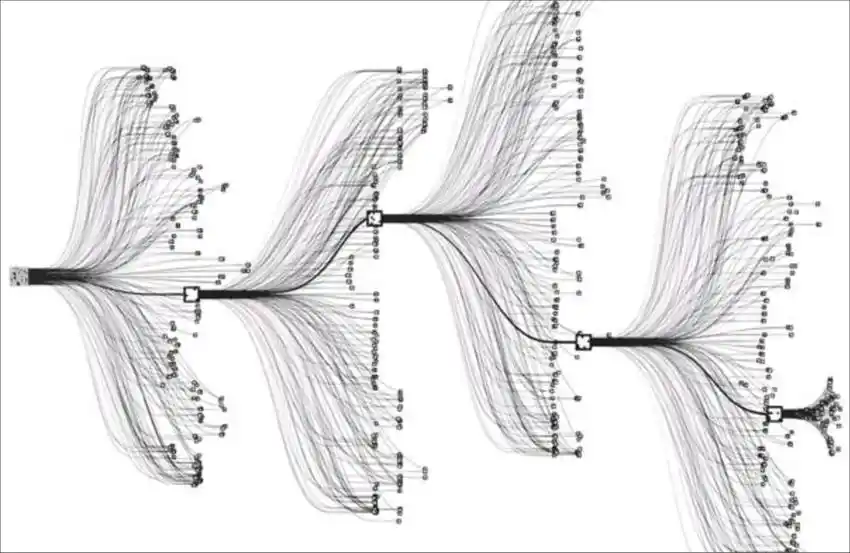
But a tennis court is different.

The ball comes at speeds over 100 km/h, its landing point affected by spin, wind, and court friction, with varying physical parameters for every single shot.

The robot must complete perception, prediction, decision-making, and whole-body coordination within a few hundred milliseconds, while keeping itself from falling. The opponent is a living person who can deceive the robot and change pace.

This is the Moravec's Paradox in action.

In 1988, Hans Moravec, then the head of Carnegie Mellon's Mobile Robot Laboratory, pointed out: "It is comparatively easy to make computers exhibit adult-level performance on intelligence tests or playing checkers, and difficult or impossible to give them the skills of a one-year-old when it comes to perception and mobility."
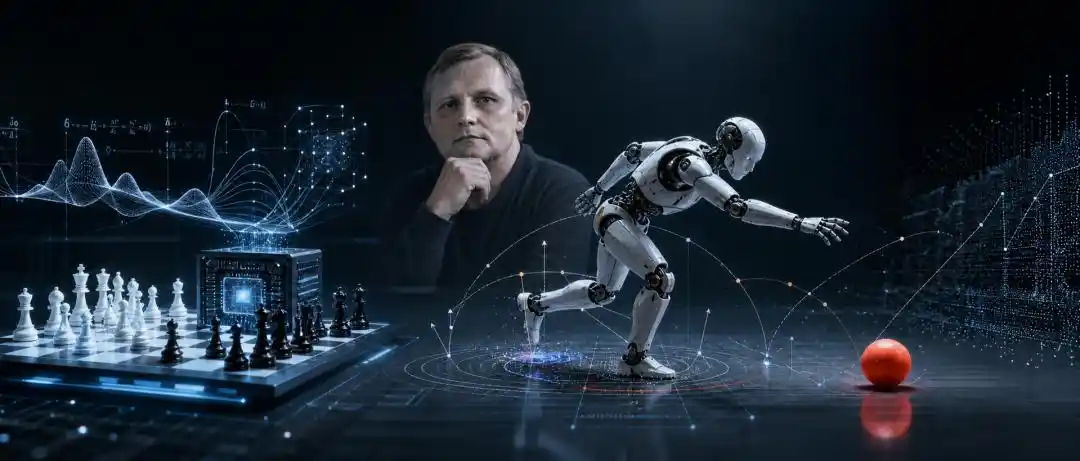
Over thirty years later, the first half has long been fulfilled, but the latter half remains very difficult to achieve.

Therefore, the true significance of this tennis match far exceeds "whether a robot can play tennis."

The question it poses is: This time, can AI truly step out of the digital world and close the loop—perceiving, deciding, controlling motion, and engaging in real-time gameplay—within a real physical environment?

AI cannot stop at thinking; it must complete the full loop from cognitive decision-making to whole-body execution.

This time, a Chinese company has submitted the answer first!

On the court, Galaxy General's robot performance was truly stunning.

Serving, forehand, backhand, baseline rallies, net volleys—all these individual skills appeared during the match, and all were performed exceptionally well.

Doubles presented even greater challenges.

With the robot and its human teammate on the same side, it had to judge in real-time who should go for the ball, who should cover, and dynamically adjust its tactics.

So, it needed to understand not just the ball, but also what its teammate intended to do next.

During the high-speed exchanges, there were moments of desperate saves. After falling down, the robot got back up on its own and continued playing.

Many people's first reaction was: Haven't robots done these individual movements before?

Shooting hoops, kicking a ball, running 100 meters—videos of humanoid robots over the past two years seem to show everything.

But the biggest difference here is that tennis is a contest between two players.

The environment for running is predictable; every shot in tennis is a new problem presented by the opponent in real-time. Running allows practicing one movement ten thousand times; no two tennis shots are exactly the same.

To stand firm in a contest—that is true intelligence.

Brain and Cerebellum, Housed in the Same Model for the First Time

Supporting all this is Galaxy General's self-developed embodied intelligence large model, "Galaxy Star Brain" AstraBrain.

One of its biggest highlights lies in its architectural choice.

The mainstream approach in the industry has been hierarchical: a "brain" model responsible for task understanding and high-level decision-making, a "cerebellum" module responsible for real-time motion control, with instructions passed between them via interfaces.

The drawbacks of this architecture are direct: Even if the brain thinks clearly, by the time the instruction reaches the cerebellum, it's already half a step late; even if the cerebellum's movements are precise, it doesn't know why the brain wants it to move that way.

A more subtle problem is the information gap.

When the brain issues a command, it doesn't know where its center of gravity is leaning or how much force the right arm has left; when the cerebellum executes an action, it doesn't know whether this shot is meant to move the opponent around or to win the point directly.

Both sides might be optimal individually, but together they form a system that "thinks but can't act" or "acts but doesn't think."

In a task like tennis, being slightly late means losing the point.

Galaxy Star Brain's approach is to integrate the brain layer (task understanding and tactical decision-making), the cerebellum layer (high-dynamic whole-body motion control), and neural control within the same model.

According to Galaxy General, this is the world's first model capable of simultaneously handling "thinking clearly" and "acting out," with no information loss in between.

Reasoning backward from the tennis task, this might be the only solution. Tactical decisions cannot be separated from real-time perception of one's own physical limits, and motion control cannot be separated from understanding tactical intent—the two should never have been separated in the first place.
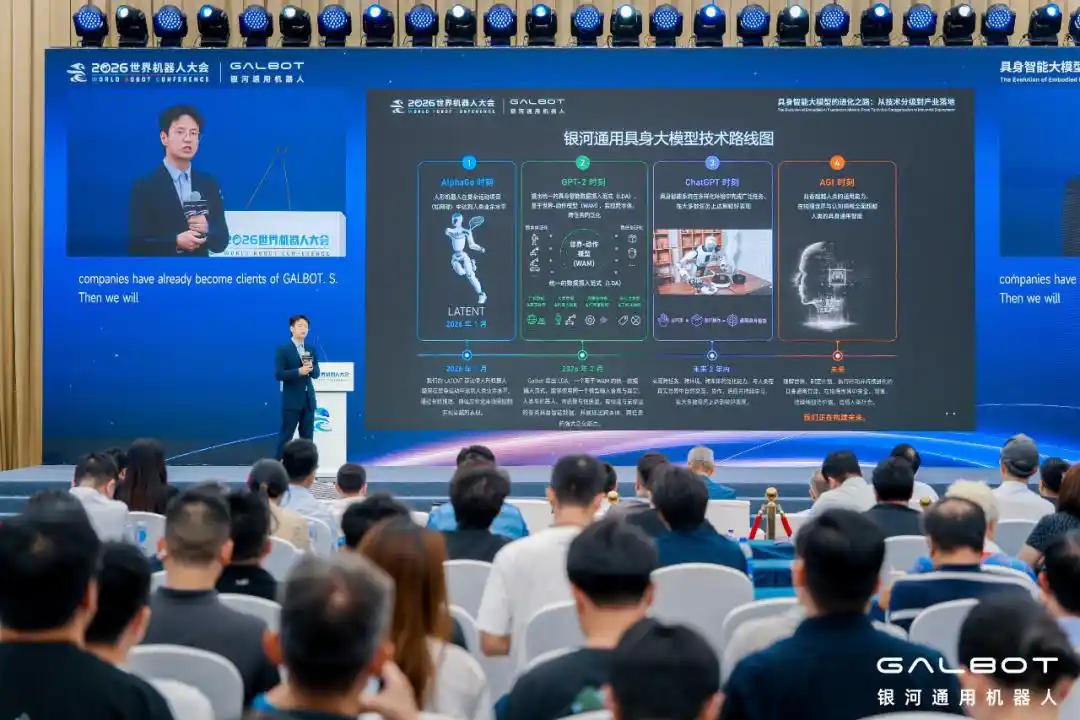
Learning from Imperfect Human Data

Playing Ten Million Matches in Virtual Courts

Beyond architecture, another question is: How was this model trained?

A traditional challenge in robotics is the lack of data.

A language model can consume all the text on the internet; robots don't have such an internet.

Collecting one hour of real robot movement data takes one hour, requires human supervision, and risks hardware damage.
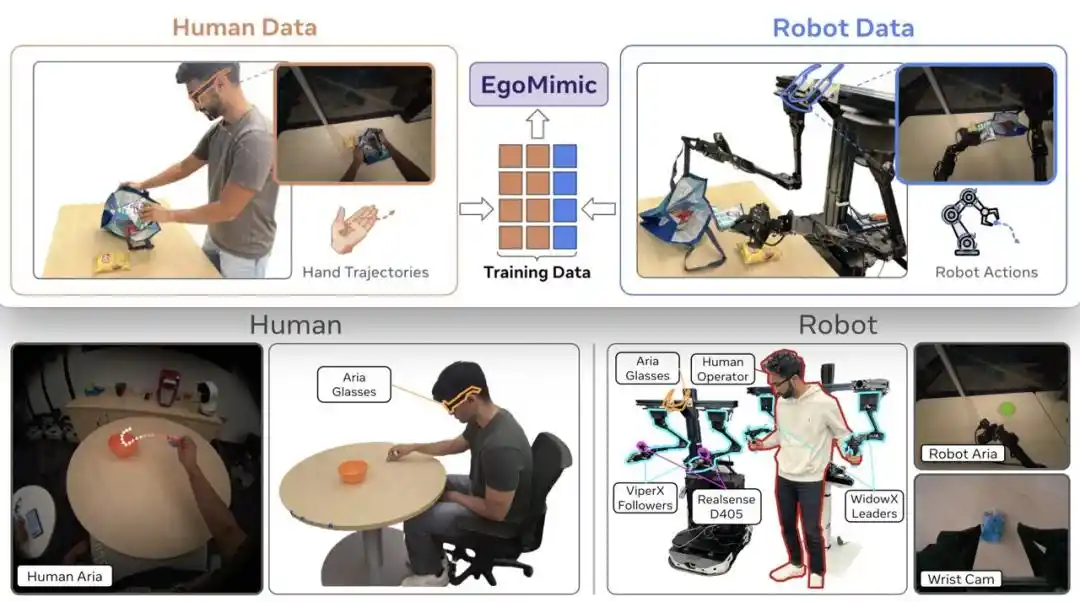
This is also why progress in embodied AI has often been slower than expected in recent years.

Supporting this effort is Galaxy General's core technology platform, "Galaxy Star Workshop."

The process is divided into two main steps.

Step One: Learning from "Imperfect Human Data."

Human tennis movement data can be collected via motion capture, video, or wearable sensors.

However, human movements themselves are not standardized. Amateur players are indeed amateurs, with extraneous movements. Professional players' movements maximize their individual athleticism, making them difficult for others to replicate, and everyone's height, wingspan, and joint angles differ from the robot's.

Traditional imitation learning requires demonstration data to be clean, aligned, and high-quality—requirements almost impossible to meet with human data.

The task of the Galaxy Star Workshop data platform is to extract useful priors from this noisy, misaligned, mixed-quality demonstration data:

When to start moving, the general rhythm of a swing, how to transfer body weight—truly learning the underlying motion principles.

The value of this step lies in cold-start capability.

The robot doesn't have to start exploring from random movements; it begins with a rough idea of "what playing tennis looks like."

Step Two: Entering the Virtual Tennis World.

In the simulated environment, multiple intelligent agents play against each other. It's not one robot practicing against a ball machine, but multiple strategies evolving and competing against each other.

When one side learns to hit the sidelines, the other is forced to learn large lateral movements; when one side learns the drop shot, the other is forced to learn to rush the net.

Within this vast virtual competition, a miracle occurs—"skill emergence."

Engineers never taught it how to slide for a desperate save, but after countless failures to reach the ball, the model itself "figured out" the posture for a maximum extension.

Engineers never wrote hard-coded instructions for getting up after a fall, but after falling millions of times in the virtual world, the model itself "learned" how to coordinate all its motors to stand back up.

Skills do not need to be manually designed; under the pressure of competition, the AI learns them on its own.

Finally, when these "souls" honed to mastery in the virtual world are seamlessly transferred into the physical bodies of real robots in the physical world, a tennis master is born!

Placed within the spectrum of machine learning, this path lies between two extremes.

The ceiling of pure imitation learning is the level of the demonstrator; a human coach cannot teach a student who surpasses them, and human demonstrations simply don't contain data on "how to get up after falling and continue playing."

Pure reinforcement learning explores from scratch. In tasks like tennis with huge action spaces and sparse rewards, the search cost becomes unrealistically high, and it tends to learn bizarre, humanly incomprehensible actions that might win points but don't resemble tennis.

Start with human priors as a foundation, then elevate through autonomous evolution.

This approach isn't entirely new; AlphaGo also started by learning human Go games before self-play. What's new is that ten years ago, this method succeeded on a board, and ten years later, it has succeeded for the first time on a task requiring a body.

In a sense, this is the most fascinating technical echo between AstraTennis and AlphaGo.

In the AlphaGo era, intelligence thought on a board; this time, intelligence begins to enter the physical world.

This is far more than just a tennis match. This AstraTennis moment proves: In the new era of carbon-silicon symbiosis, the power of China is beginning to create more wonders.

Edited by: Aeneas, David

This article is from the WeChat public account "New Zhiyuan", author: ASI Apocalypse

Criptos en tendencia

Preguntas relacionadas

QWhat major event in the history of AI and robotics is described in the article as taking place on August 22nd?

AThe second World Humanoid Robot Games, which featured the world's first genuine man vs. machine tennis match between Chinese tennis star Zheng Jie and a humanoid robot from Galaxy General Robots.

QWhat is the name of the AI model developed by Galaxy General Robots that powers the tennis-playing robot, and what is its key architectural innovation?

AThe AI model is called AstraBrain (Galaxy Star Brain). Its key innovation is integrating the 'brain' (task understanding and tactical decision-making) and the 'cerebellum' (high-dynamic full-body motion control) into a single model, eliminating information loss and delay between decision and action.

QAccording to the article, why is playing tennis a much harder challenge for AI than playing Go (like AlphaGo)?

ATennis is harder because it exists in the dynamic, continuous physical world. The robot must perceive, predict, decide, and coordinate its entire body within fractions of a second against a live, unpredictable opponent, dealing with variables like spin, wind, and friction. Go, in contrast, is a static, discrete digital board game with clear rules and longer decision times.

QHow did the Galaxy General Robots team train their AI model to play tennis, overcoming the lack of real-world robot data?

AThey used a two-step process. First, the model learned general movement priors from 'imperfect human data' (motion capture, videos). Second, multiple AI agents were placed in a high-fidelity virtual tennis simulator where they played millions of matches against each other. Through this self-play and evolutionary pressure, the model autonomously developed advanced skills like sliding saves and recovering from falls, which were then transferred to the physical robot.

QWhat broader technological significance does the article attribute to this 'AstraTennis moment' beyond just a robot playing a sport?

AThe event marks a historic 'embodied intelligence singularity' for Chinese innovation. It demonstrates that AI can successfully transition from pure cognitive tasks in the digital realm (like AlphaGo) to performing integrated perception, decision-making, and full-body motion control under the extreme pressure of real-time physical competition. It proves AI can form a complete closed loop from thought to action in the unpredictable physical world.

Lecturas Relacionadas

Mysterious "Ox Alpha" Large Model Goes Viral with Limited-Time Free Access

A mysterious anonymous AI model named "Ox Alpha," nicknamed "Cow is Coming" by Chinese netizens, has appeared on OpenRouter, sparking widespread speculation. The model offers a 1 million token context, supports text, image, and video inputs, can call tools, and is currently free. Its standout feature is strong coding ability. Initial tests on the DeepSWE benchmark, which evaluates real-world software engineering tasks, showed an 80% pass rate on a subset of tasks, reportedly nearing top-tier code models. However, follow-up tests yielded a 63% score, with variations attributed to different task sets and configurations. The model's true developer is a major topic of debate. The prevailing theory points to Zhipu AI's unreleased GLM-5.3 Flash or its multimodal variant. Evidence cited includes identical visual token consumption patterns with GLM-5V-Turbo for videos, a consistent offset in text token counts compared to GLM-5.3, and similar behavioral traits like refusing audio processing. Zhipu has a precedent of anonymous testing. Simultaneously, another anonymous model, "korrine," appeared on Code Arena, with guesses ranging from Moonshot's Kimi K3.1 to models from Qwen or MiMo, adding to the industry's guessing game. This trend of anonymous "undercover" testing allows for unbiased performance evaluation in platforms like Arena and provides real-world, high-pressure testing through tools like OpenRouter before official release. It also serves as an effective marketing tactic, prolonging discussion through suspense. If Ox Alpha is indeed a "Flash" model, its performance raises expectations for the full-scale version's potential.

marsbitHace 52 min(s)

Mysterious "Ox Alpha" Large Model Goes Viral with Limited-Time Free Access

marsbitHace 52 min(s)

Breaking News: DeepSeek Announces All-Day Off-Peak Pricing on Weekends, Making Weekend Work More Cost-Effective?

DeepSeek has announced a significant change to its API pricing model, effective August 23. The new policy removes peak/off-peak distinctions on weekends (Saturdays and Sundays), charging the lower off-peak rate for the entire two-day period. This adjustment has sparked mixed reactions within the developer and professional communities. For developers and businesses heavily reliant on DeepSeek's V4-Flash and V4-Pro APIs, this is welcome news. It allows them to schedule bulk processing tasks on weekends without the higher peak-hour costs, potentially halving their API bills for such workloads. Some users have celebrated the move for making weekend work more cost-effective. However, the announcement has also raised concerns among employees. There is apprehension that companies, particularly in cost-sensitive sectors like AI-powered short drama production, might reorganize work schedules to align with these new cost incentives. Instances are already emerging where teams schedule high-token tasks during cheaper nighttime hours or adjust staff shifts. This has led to worries about a potential shift towards weekend workdays and weekday time-off, prioritizing cost savings over traditional work-life balance. Debate has ensued regarding the practicality of such schedule changes, with questions about increased communication overhead and overall efficiency. Speculation about DeepSeek's motives for the change includes theories that peak pricing correlates with internal model training schedules, though others counter that training is largely automated. The new pricing structure is now in effect, prompting users to reconsider their task scheduling strategies.

marsbitHace 1 hora(s)

Breaking News: DeepSeek Announces All-Day Off-Peak Pricing on Weekends, Making Weekend Work More Cost-Effective?

marsbitHace 1 hora(s)

The Biggest Dark Horse in AI Payments Might Be Coinbase Giving Agents a Wallet

In the AI payments race, while most focus on traditional giants like Visa or AI platforms like OpenAI, Coinbase has quietly emerged as a key player. Data from 2026 shows over 90% of on-chain Agent transactions occur on Coinbase's Base network, with 99% settled in USDC and over 97% using the x402 protocol. Coinbase's pivotal move was launching "Agentic Wallets" in February 2026—a dedicated wallet infrastructure giving AI Agents their own financial identity. Unlike Visa or Stripe, which connect Agents to existing payment rails, Coinbase provides Agents with autonomous wallets to hold assets (like stablecoins), initiate transfers, and execute transactions under predefined rules. This solves core issues for machine-to-machine payments: high credit card fees for micropayments, the need for constant human authorization, and unclear transaction attribution. Coinbase's strength lies in its closed-loop ecosystem: the Base blockchain (low-cost, high-throughput), the x402 payment protocol, Agentic Wallets, and native assets like USDC. This integrated stack, built through years of infrastructure investment, positioned Coinbase to capture early Agent payment demand as the AI economy surged. The key insight is that AI payment adoption may depend less on whose standard wins and more on whose usable infrastructure is ready first. While debates over protocols and payment rails continue, real Agent transactions are already flowing—primarily through Coinbase's ecosystem. It may not be the ultimate winner, but for now, it's the frontrunner by being prepared.

marsbitHace 2 hora(s)

The Biggest Dark Horse in AI Payments Might Be Coinbase Giving Agents a Wallet

marsbitHace 2 hora(s)

Dialogue with Bitwise CIO: Bitcoin May Be Near Bottom, Who Will Drive the Next Rally?

In a recent podcast, Bitwise CIO Matt Hougan analyzed Bitcoin's current market cycle, suggesting it is near a bottom characterized by low volatility and investor indifference. He believes the next major price surge will be driven primarily by wealth management platforms, financial advisors, and family offices, who control trillions in assets and are now gaining access to Bitcoin ETFs. Hougan views Bitcoin as a long-dated, out-of-the-money call option on it becoming a global reserve asset. Its value increases with global monetary system volatility, making it a natural hedge against currency disorder. He outlined Bitcoin's adoption path: first as a global digital store of value (competing with gold), and potentially later as a check against fiat currency abuse by sovereign states. Addressing the muted price action despite institutional ETF inflows, Hougan explained that significant selling by long-term retail holders has offset buying pressure. However, he is optimistic as data shows retail selling has subsided, which, combined with continued institutional inflows, could propel prices higher. Hougan downplayed the future impact of Federal Reserve interest rates and MicroStrategy's actions on Bitcoin's price, arguing they are becoming less relevant. Instead, he pointed to runaway U.S. fiscal deficits and debt as the core long-term drivers. Finally, he discussed the transformative potential of asset tokenization, predicting all traditional assets will eventually trade 24/7 on blockchains. This will merge traditional and crypto markets, increasing efficiency but also introducing crypto-like features such as overnight volatility and easier access to leverage into traditional finance.

marsbitHace 3 hora(s)

Dialogue with Bitwise CIO: Bitcoin May Be Near Bottom, Who Will Drive the Next Rally?

marsbitHace 3 hora(s)

Trading

Spot

Artículos destacados

Qué es $S$

Entendiendo SPERO: Una Visión General Completa Introducción a SPERO A medida que el panorama de la innovación continúa evolucionando, la aparición de tecnologías web3 y proyectos de criptomonedas juega un papel fundamental en la configuración del futuro digital. Un proyecto que ha atraído la atención en este campo dinámico es SPERO, denotado como SPERO,$$s$. Este artículo tiene como objetivo reunir y presentar información detallada sobre SPERO, para ayudar a entusiastas e inversores a comprender sus fundamentos, objetivos e innovaciones dentro de los dominios web3 y cripto. ¿Qué es SPERO,$$s$? SPERO,$$s$ es un proyecto único dentro del espacio cripto que busca aprovechar los principios de descentralización y tecnología blockchain para crear un ecosistema que promueva la participación, la utilidad y la inclusión financiera. El proyecto está diseñado para facilitar interacciones de igual a igual de nuevas maneras, proporcionando a los usuarios soluciones y servicios financieros innovadores. En su esencia, SPERO,$$s$ tiene como objetivo empoderar a los individuos al proporcionar herramientas y plataformas que mejoren la experiencia del usuario en el espacio de las criptomonedas. Esto incluye habilitar métodos de transacción más flexibles, fomentar iniciativas impulsadas por la comunidad y crear caminos para oportunidades financieras a través de aplicaciones descentralizadas (dApps). La visión subyacente de SPERO,$$s$ gira en torno a la inclusividad, buscando cerrar brechas dentro de las finanzas tradicionales mientras aprovecha los beneficios de la tecnología blockchain. ¿Quién es el Creador de SPERO,$$s$? La identidad del creador de SPERO,$$s$ sigue siendo algo oscura, ya que hay recursos públicos limitados que proporcionan información de fondo detallada sobre su(s) fundador(es). Esta falta de transparencia puede derivarse del compromiso del proyecto con la descentralización, una ética que muchos proyectos web3 comparten, priorizando las contribuciones colectivas sobre el reconocimiento individual. Al centrar las discusiones en torno a la comunidad y sus objetivos colectivos, SPERO,$$s$ encarna la esencia del empoderamiento sin señalar a individuos específicos. Como tal, comprender la ética y la misión de SPERO sigue siendo más importante que identificar a un creador singular. ¿Quiénes son los Inversores de SPERO,$$s$? SPERO,$$s$ cuenta con el apoyo de una diversa gama de inversores que van desde capitalistas de riesgo hasta inversores ángeles dedicados a fomentar la innovación en el sector cripto. El enfoque de estos inversores generalmente se alinea con la misión de SPERO, priorizando proyectos que prometen avances tecnológicos sociales, inclusión financiera y gobernanza descentralizada. Estas fundaciones de inversores suelen estar interesadas en proyectos que no solo ofrecen productos innovadores, sino que también contribuyen positivamente a la comunidad blockchain y sus ecosistemas. El respaldo de estos inversores refuerza a SPERO,$$s$ como un contendiente notable en el dominio de proyectos cripto que evoluciona rápidamente. ¿Cómo Funciona SPERO,$$s$? SPERO,$$s$ emplea un marco multifacético que lo distingue de los proyectos de criptomonedas convencionales. Aquí hay algunas de las características clave que subrayan su singularidad e innovación: Gobernanza Descentralizada: SPERO,$$s$ integra modelos de gobernanza descentralizada, empoderando a los usuarios para participar activamente en los procesos de toma de decisiones sobre el futuro del proyecto. Este enfoque fomenta un sentido de propiedad y responsabilidad entre los miembros de la comunidad. Utilidad del Token: SPERO,$$s$ utiliza su propio token de criptomoneda, diseñado para servir diversas funciones dentro del ecosistema. Estos tokens permiten transacciones, recompensas y la facilitación de servicios ofrecidos en la plataforma, mejorando la participación y la utilidad general. Arquitectura en Capas: La arquitectura técnica de SPERO,$$s$ apoya la modularidad y escalabilidad, permitiendo la integración fluida de características y aplicaciones adicionales a medida que el proyecto evoluciona. Esta adaptabilidad es fundamental para mantener la relevancia en el cambiante paisaje cripto. Participación de la Comunidad: El proyecto enfatiza iniciativas impulsadas por la comunidad, empleando mecanismos que incentivan la colaboración y la retroalimentación. Al nutrir una comunidad sólida, SPERO,$$s$ puede abordar mejor las necesidades de los usuarios y adaptarse a las tendencias del mercado. Enfoque en la Inclusión: Al ofrecer tarifas de transacción bajas e interfaces amigables para el usuario, SPERO,$$s$ busca atraer a una base de usuarios diversa, incluyendo a individuos que anteriormente pueden no haber participado en el espacio cripto. Este compromiso con la inclusión se alinea con su misión general de empoderamiento a través de la accesibilidad. Cronología de SPERO,$$s$ Entender la historia de un proyecto proporciona información crucial sobre su trayectoria de desarrollo y hitos. A continuación se presenta una cronología sugerida que mapea eventos significativos en la evolución de SPERO,$$s$: Fase de Conceptualización e Ideación: Las ideas iniciales que forman la base de SPERO,$$s$ fueron concebidas, alineándose estrechamente con los principios de descentralización y enfoque comunitario dentro de la industria blockchain. Lanzamiento del Whitepaper del Proyecto: Tras la fase conceptual, se lanzó un whitepaper completo que detalla la visión, los objetivos y la infraestructura tecnológica de SPERO,$$s$ para generar interés y retroalimentación de la comunidad. Construcción de Comunidad y Primeras Interacciones: Se realizaron esfuerzos de divulgación activa para construir una comunidad de primeros adoptantes y posibles inversores, facilitando discusiones en torno a los objetivos del proyecto y obteniendo apoyo. Evento de Generación de Tokens: SPERO,$$s$ llevó a cabo un evento de generación de tokens (TGE) para distribuir sus tokens nativos a los primeros seguidores y establecer liquidez inicial dentro del ecosistema. Lanzamiento de la dApp Inicial: La primera aplicación descentralizada (dApp) asociada con SPERO,$$s$ se puso en marcha, permitiendo a los usuarios interactuar con las funcionalidades centrales de la plataforma. Desarrollo Continuo y Alianzas: Actualizaciones y mejoras continuas a las ofertas del proyecto, incluyendo alianzas estratégicas con otros actores en el espacio blockchain, han moldeado a SPERO,$$s$ en un jugador competitivo y en evolución en el mercado cripto. Conclusión SPERO,$$s$ se erige como un testimonio del potencial de web3 y las criptomonedas para revolucionar los sistemas financieros y empoderar a los individuos. Con un compromiso con la gobernanza descentralizada, la participación comunitaria y funcionalidades diseñadas de manera innovadora, allana el camino hacia un paisaje financiero más inclusivo. Como con cualquier inversión en el espacio cripto que evoluciona rápidamente, se anima a los posibles inversores y usuarios a investigar a fondo y participar de manera reflexiva con los desarrollos en curso dentro de SPERO,$$s$. El proyecto muestra el espíritu innovador de la industria cripto, invitando a una mayor exploración de sus innumerables posibilidades. Mientras el viaje de SPERO,$$s$ aún se desarrolla, sus principios fundamentales pueden, de hecho, influir en el futuro de cómo interactuamos con la tecnología, las finanzas y entre nosotros en ecosistemas digitales interconectados.

447 Vistas totalesPublicado en 2024.12.17Actualizado en 2024.12.17

Qué es $S$

Qué es AGENT S

Agent S: El Futuro de la Interacción Autónoma en Web3 Introducción En el paisaje en constante evolución de Web3 y las criptomonedas, las innovaciones están redefiniendo constantemente cómo los individuos interactúan con las plataformas digitales. Uno de estos proyectos pioneros, Agent S, promete revolucionar la interacción humano-computadora a través de su marco agente abierto. Al allanar el camino para interacciones autónomas, Agent S busca simplificar tareas complejas, ofreciendo aplicaciones transformadoras en inteligencia artificial (IA). Esta exploración detallada profundizará en las complejidades del proyecto, sus características únicas y las implicaciones para el dominio de las criptomonedas. ¿Qué es Agent S? Agent S se presenta como un marco agente abierto innovador, diseñado específicamente para abordar tres desafíos fundamentales en la automatización de tareas informáticas: Adquisición de Conocimiento Específico del Dominio: El marco aprende inteligentemente de diversas fuentes de conocimiento externas y experiencias internas. Este enfoque dual le permite construir un rico repositorio de conocimiento específico del dominio, mejorando su rendimiento en la ejecución de tareas. Planificación a Largo Plazo de Tareas: Agent S emplea planificación jerárquica aumentada por la experiencia, un enfoque estratégico que facilita la descomposición y ejecución eficiente de tareas complejas. Esta característica mejora significativamente su capacidad para gestionar múltiples subtareas de manera eficiente y efectiva. Manejo de Interfaces Dinámicas y No Uniformes: El proyecto introduce la Interfaz Agente-Computadora (ACI), una solución innovadora que mejora la interacción entre agentes y usuarios. Utilizando Modelos de Lenguaje Multimodal de Gran Escala (MLLMs), Agent S puede navegar y manipular diversas interfaces gráficas de usuario sin problemas. A través de estas características pioneras, Agent S proporciona un marco robusto que aborda las complejidades involucradas en la automatización de la interacción humana con las máquinas, preparando el terreno para una multitud de aplicaciones en IA y más allá. ¿Quién es el Creador de Agent S? Si bien el concepto de Agent S es fundamentalmente innovador, la información específica sobre su creador sigue siendo elusiva. El creador es actualmente desconocido, lo que resalta ya sea la etapa incipiente del proyecto o la elección estratégica de mantener a los miembros fundadores en el anonimato. Independientemente de la anonimidad, el enfoque sigue siendo en las capacidades y el potencial del marco. ¿Quiénes son los Inversores de Agent S? Dado que Agent S es relativamente nuevo en el ecosistema criptográfico, la información detallada sobre sus inversores y patrocinadores financieros no está documentada explícitamente. La falta de información disponible públicamente sobre las bases de inversión u organizaciones que apoyan el proyecto plantea preguntas sobre su estructura de financiamiento y hoja de ruta de desarrollo. Comprender el respaldo es crucial para evaluar la sostenibilidad del proyecto y su posible impacto en el mercado. ¿Cómo Funciona Agent S? En el núcleo de Agent S se encuentra una tecnología de vanguardia que le permite funcionar de manera efectiva en diversos entornos. Su modelo operativo se basa en varias características clave: Interacción Humano-Computadora Similar a la Humana: El marco ofrece planificación avanzada de IA, esforzándose por hacer que las interacciones con las computadoras sean más intuitivas. Al imitar el comportamiento humano en la ejecución de tareas, promete elevar las experiencias de los usuarios. Memoria Narrativa: Empleada para aprovechar experiencias de alto nivel, Agent S utiliza memoria narrativa para hacer un seguimiento de las historias de tareas, mejorando así sus procesos de toma de decisiones. Memoria Episódica: Esta característica proporciona a los usuarios una guía paso a paso, permitiendo que el marco ofrezca apoyo contextual a medida que se desarrollan las tareas. Soporte para OpenACI: Con la capacidad de ejecutarse localmente, Agent S permite a los usuarios mantener el control sobre sus interacciones y flujos de trabajo, alineándose con la ética descentralizada de Web3. Fácil Integración con APIs Externas: Su versatilidad y compatibilidad con varias plataformas de IA aseguran que Agent S pueda encajar sin problemas en ecosistemas tecnológicos existentes, convirtiéndolo en una opción atractiva para desarrolladores y organizaciones. Estas funcionalidades contribuyen colectivamente a la posición única de Agent S dentro del espacio cripto, ya que automatiza tareas complejas y de múltiples pasos con una intervención humana mínima. A medida que el proyecto evoluciona, sus posibles aplicaciones en Web3 podrían redefinir cómo se desarrollan las interacciones digitales. Cronología de Agent S El desarrollo y los hitos de Agent S pueden encapsularse en una cronología que resalta sus eventos significativos: 27 de septiembre de 2024: El concepto de Agent S fue lanzado en un documento de investigación integral titulado “Un Marco Agente Abierto que Usa Computadoras Como un Humano”, mostrando las bases del proyecto. 10 de octubre de 2024: El documento de investigación fue puesto a disposición del público en arXiv, ofreciendo una exploración profunda del marco y su evaluación de rendimiento basada en el benchmark OSWorld. 12 de octubre de 2024: Se lanzó una presentación en video, proporcionando una visión visual de las capacidades y características de Agent S, involucrando aún más a posibles usuarios e inversores. Estos marcadores en la cronología no solo ilustran el progreso de Agent S, sino que también indican su compromiso con la transparencia y la participación comunitaria. Puntos Clave Sobre Agent S A medida que el marco Agent S continúa evolucionando, varios atributos clave destacan, subrayando su naturaleza innovadora y potencial: Marco Innovador: Diseñado para proporcionar un uso intuitivo de las computadoras similar a la interacción humana, Agent S aporta un enfoque novedoso a la automatización de tareas. Interacción Autónoma: La capacidad de interactuar de manera autónoma con las computadoras a través de GUI significa un salto hacia soluciones informáticas más inteligentes y eficientes. Automatización de Tareas Complejas: Con su metodología robusta, puede automatizar tareas complejas y de múltiples pasos, haciendo que los procesos sean más rápidos y menos propensos a errores. Mejora Continua: Los mecanismos de aprendizaje permiten a Agent S mejorar a partir de experiencias pasadas, mejorando continuamente su rendimiento y eficacia. Versatilidad: Su adaptabilidad en diferentes entornos operativos como OSWorld y WindowsAgentArena asegura que pueda servir a una amplia gama de aplicaciones. A medida que Agent S se posiciona en el paisaje de Web3 y criptomonedas, su potencial para mejorar las capacidades de interacción y automatizar procesos significa un avance significativo en las tecnologías de IA. A través de su marco innovador, Agent S ejemplifica el futuro de las interacciones digitales, prometiendo una experiencia más fluida y eficiente para los usuarios en diversas industrias. Conclusión Agent S representa un audaz avance en la unión de la IA y Web3, con la capacidad de redefinir cómo interactuamos con la tecnología. Aunque aún se encuentra en sus primeras etapas, las posibilidades para su aplicación son vastas y atractivas. A través de su marco integral que aborda desafíos críticos, Agent S busca llevar las interacciones autónomas al primer plano de la experiencia digital. A medida que nos adentramos más en los reinos de las criptomonedas y la descentralización, proyectos como Agent S sin duda desempeñarán un papel crucial en la configuración del futuro de la tecnología y la colaboración humano-computadora.

834 Vistas totalesPublicado en 2025.01.14Actualizado en 2025.01.14

Qué es AGENT S

Cómo comprar S

¡Bienvenido a HTX.com! Hemos hecho que comprar Sonic (S) sea simple y conveniente. Sigue nuestra guía paso a paso para iniciar tu viaje de criptos.Paso 1: crea tu cuenta HTXUtiliza tu correo electrónico o número de teléfono para registrarte y obtener una cuenta gratuita en HTX. Experimenta un proceso de registro sin complicaciones y desbloquea todas las funciones.Obtener mi cuentaPaso 2: ve a Comprar cripto y elige tu método de pagoTarjeta de crédito/débito: usa tu Visa o Mastercard para comprar Sonic (S) al instante.Saldo: utiliza fondos del saldo de tu cuenta HTX para tradear sin problemas.Terceros: hemos agregado métodos de pago populares como Google Pay y Apple Pay para mejorar la comodidad.P2P: tradear directamente con otros usuarios en HTX.Over-the-Counter (OTC): ofrecemos servicios personalizados y tipos de cambio competitivos para los traders.Paso 3: guarda tu Sonic (S)Después de comprar tu Sonic (S), guárdalo en tu cuenta HTX. Alternativamente, puedes enviarlo a otro lugar mediante transferencia blockchain o utilizarlo para tradear otras criptomonedas.Paso 4: tradear Sonic (S)Tradear fácilmente con Sonic (S) en HTX's mercado spot. Simplemente accede a tu cuenta, selecciona tu par de trading, ejecuta tus trades y monitorea en tiempo real. Ofrecemos una experiencia fácil de usar tanto para principiantes como para traders experimentados.

1.6k Vistas totalesPublicado en 2025.01.15Actualizado en 2026.06.02

Cómo comprar S

Discusiones

Bienvenido a la comunidad de HTX. Aquí puedes mantenerte informado sobre los últimos desarrollos de la plataforma y acceder a análisis profesionales del mercado. A continuación se presentan las opiniones de los usuarios sobre el precio de S (S).

活动图片