Bitwise: Bullish on Bitcoin's Performance in the Second Half of the Year, AI and Regulation Will Spark a New Altcoin Season

marsbitPublicado a 2026-04-24Actualizado a 2026-04-24

Resumen

Bitwise CIO Matt Hougan and Research Lead Ryan Rasmussen express strong bullish sentiment on Bitcoin's long-term prospects, suggesting that its $1 million price target may be too conservative. They argue Bitcoin serves a dual role: as digital gold and a potential global settlement asset, especially amid declining trust in traditional monetary systems. Despite a weak Q1 2026 where nearly all crypto assets and prices saw double-digit declines, the analysts remain optimistic due to strong forward-looking catalysts, including institutional adoption via Bitcoin ETFs from major firms like Morgan Stanley and Goldman Sachs. Geopolitical instability, such as Iran’s mention of using Bitcoin for international payments, increases the value of Bitcoin’s “out-of-the-money call option” as a non-political, global settlement currency. This enhances its appeal beyond a mere store of value. . Additionally, Hougan highlights that a clearer regulatory token framework under current SEC leadership, combined with AI efficiency gains and high-performance blockchains, could fuel a new “altseason” by late 2026. This may lead to a wave of legitimate, value-capturing token projects, unlike the earlier ICO boom. . Bitwise also announced an Avalanche ETF, citing its unique architecture and rapid growth in real-world asset (RWA) tokenization, which has surged 10x to nearly $30 billion in two years. The firm believes Layer 1 blockchains are still early in their growth cycle, with significant potential a...

Source: Milk Road Show

Compiled by: Felix, PANews

Bitwise Chief Investment Officer Matt Hougan and Head of Research Ryan Rasmussen believe that a $1 million Bitcoin valuation might be too conservative. Their reasoning: Bitcoin is not just a store of value; it is effectively both digital gold and a potential future global settlement asset, especially as the world gradually loses trust in traditional monetary systems. Below are the highlights of the conversation.

Host: How are you feeling about the market right now? Especially after another round of fluctuations over the weekend due to geopolitics, but things still look quite strong.

Matt: I remain relatively optimistic about the market. Previously, the market's direction was completely off, with negative funding rates and heavy put options, which led to the market getting squeezed and then it rebounded. It's holding support quite steadily here now. I think if we can maintain levels around $75,000, I'd be very excited about the trajectory for the second half of the year. So, I'm optimistic. We're now past the tax deadline, which was the inflection point I mentioned before. I think things look good now.

Ryan: It feels fantastic. I'm very optimistic. And it's truly an exciting time right now. I was just at Paris Blockchain Week last week. There was a lot of passion and many great opportunities. There were crypto-native companies doing very well and working on exciting things, and also many institutions and UK regulators were present.

Host: You just released the Q1 2026 Crypto Market Review report. What were the main takeaways from that report?

Matt: The main takeaway is that Q1 was terrible. My experience with these reports is that Ryan and his team compile them and send them to me for review when they're almost ready. Usually, when I look at the data, I see some metrics up, some down, some assets up, some down. But in Q1, almost everything crashed. Every major crypto asset saw double-digit declines, most major crypto stocks also saw double-digit declines. Almost every on-chain metric you could look at fell significantly. The only 'silver lining' was some good news on the stablecoin front. We've been doing this quarterly report for three or four years now, and this is the only report we've ever produced where the data was 'down across the board'.

On the other hand, the news flow was overwhelmingly positive. The market was falling when Morgan Stanley launched a Bitcoin ETF. The market was falling when Goldman Sachs launched a Bitcoin ETF, and when the U.S. SEC published a token framework. What really struck me was that this data is backward-looking. Looking back, it was indeed awful. But the thing is, all the news flow is forward-looking. Will it pull through into Q2? I think that's what people are betting on in Q2, and that's why the market has rallied in the past few weeks.

Host: Ryan, from your perspective, what were the main conclusions?

Ryan: I think Matt is spot on. Usually, you look at this report and see broad data. You see prices and fundamentals showing a trend, and the news more or less echoes that. But here, there was a huge divergence, one you don't typically see of this magnitude. Except for stablecoins, tokenization, and some Polymarket (prediction market) data that you'd expect to be up, the entire market was indeed down.

It's worth noting that the starting point at the beginning of the year was relatively high (compared to the end of Q1), but since the end of Q1, crypto has performed very well. If you take the Iran conflict as the midpoint of Q1, since the conflict broke out, we have outperformed other major asset classes, which feels pretty good. So I think the uniqueness of this quarter lies in its starting point; it contained many sharp swings and indicator changes with high highs and low lows. But I think from a long-term perspective, the indicators we've been tracking, whether sequentially or year-over-year, are significantly higher than in the past. But you also get these inter-quarter volatilities, which feel particularly bleak in a bear market.

Host: Were there any specific metrics or data points that stood out as particularly noteworthy for the future?

Ryan: In this report, RWA is a pretty incredible chart. A few years ago, it wasn't even in our report. Even if we had it in the 2024 report, the amount of real-world assets tokenized was less than $2 billion. In the past two years, that number has grown to nearly $30 billion, more than a 10x increase, with astonishing growth since the beginning of 2025.

Additionally, the range of asset types being tokenized is broadening. For a long time, it was basically just government bonds, maybe some tokenized gold. Now you're starting to see asset-backed credit, asset-backed securities, especially in the specialty finance category, and more commodities being brought on-chain. I think this proliferation across different assets is particularly interesting. I believe we will continue to see this chart move to the upper right, and the categories will keep widening.

Host: What is this 'Dual Bet' on Bitcoin?

Matt: At Bitwise, we have always described Bitcoin as a store of value, coupled with an out-of-the-money call option on it becoming a universal currency or international settlement tool. In other words, when you invest in Bitcoin, you are betting on it becoming digital gold. We believe that even modest progress on the path to becoming digital gold could easily push Bitcoin to $1 million per coin.

But at the same time, you also get this out-of-the-money call option on Bitcoin becoming an international monetary settlement tool. We never used to talk about this with institutions because the idea was too far-fetched; it was a theoretical concept. So we kept the focus on digital gold, but you still own this international settlement option.

The Iran conflict brought this call option on an international settlement tool closer to being in-the-money, as Iran talked about using Bitcoin for toll fees. But just as importantly, the global monetary order has become more unstable. If the underlying market becomes more volatile, the option becomes more valuable. So the reason we think geopolitical crises can drive Bitcoin to outperform is: the global monetary order is more unstable, therefore this 'out-of-the-money call option' becomes more valuable. So you're no longer just talking about digital gold; you're also talking about Bitcoin as money. This is the two-in-one bet. This makes me think our target price of $1.3 million by 2035 is too low. Maybe it should be $2.3 million. I think this idea of a non-political currency is becoming a reality, and as the world becomes more chaotic and volatility increases, I think this directly benefits Bitcoin.

Host: However, does this rely on more geopolitical conflicts?

Matt: Well, it will depend on a global reduction in reliance on a single political currency. So, I think once these systems break, they can't really be fully put back together. For example, the US froze Russian government bond assets. I don't think you can just put a band-aid on it, and then other countries suddenly think, 'Okay, I'm willing to put my wealth on your balance sheet'. I think the genie is out of the bottle. Does it require more geopolitical conflict? I'm not sure; it might require more growth in non-dollar economies, and I think that takes time, but geopolitical conflicts will certainly accelerate the process. I think it acts somewhat as a hedge against such geopolitical conflicts.

Host: To what extent is this reason driving institutional adoption? Would analysts at all these companies really think: decades of treaties and alliances are breaking down, the future of a single fiat currency is uncertain, and that becomes a reason to get into crypto?

Matt: I think it should drive institutional interest. Apart from us, I rarely hear others talk about this at the institutional level. This is a theory that has been circulating at the retail level for a long time, but I seldom hear it at the institutional level. I guess as I travel around, I'll start talking about it more. I think this is still a narrative that needs to permeate the institutional view.

Ryan: I'd like to add, when Matt and I discuss this, what I find interesting is: if Bitcoin has the potential to become a settlement currency in the future. Even if Bitcoin isn't used tomorrow for settling international trade, the probability of it happening is being pushed higher, and obviously this kind of thing is happening here (paying strait tolls). Any options trader would be happy to buy such a call option because it can see huge increases in both premium and value.

So, this is where it clicked for us: Oh, this is no longer that thing with a 2% chance of happening at some point in the future. Now it becomes a 15% or 20% possibility. That's a multiplicative increase in probability. This is also why we think this is a significant moment; it goes beyond the traditional digital store of value and is more likely to be used as an international trade settlement rail.

Host: Has Iran actually accepted Bitcoin payments, or was it just a threat?

Matt: I think the point Ryan made is very good, which is: this isn't actually a binary outcome. You don't have to wait until 'China settles transactions with Russia using Bitcoin' happens for the market to recognize that the probability has increased from, say, 1% to 10%. I think this has certainly happened. Now Iran, facing a difficult geopolitical situation sandwiched between the US and China, has floated this idea. You naturally turn to this non-political asset. I think this is also why you see Bitcoin's value rising again. It doesn't need to be fully realized; just an increase in probability is enough. And I think that is objectively happening.

Host: I saw you say something on the show, 'AI plus the new token framework will lead to the 2026 altcoin season'. Please explain that.

Matt: That was designed for clicks, and I'm quite proud of it. The thing about the token framework is really interesting. If you look back at crypto history, entrepreneurs tried to build token projects that captured some form of value to incentivize community development. But these attempts were always thwarted by the previous SEC – if you successfully created a valuable token, they'd throw you in jail. So, we ended up with meme governance tokens, and everyone gave up on the idea of using tokens to incentivize people.

The current SEC Chairman, Paul Atkins, has a lobbying background specifically for tokens. I think he believes that tokens capable of capturing real value can incentivize the building of new networks crucial to the economy. Therefore, he has created a safe harbor for people in this regard. When you apply this new capability, I think it will surprise people because everyone is still stuck in the memory of it not working before. Combine that with the characteristic of AI allowing people to do more with fewer people. You combine these two. I can already see a million truly valuable token projects springing up. We are starting to see evidence of value capture, like with Hyperliquid, and now you have a token framework that allows you to do it in a legal, compliant way. I think we will see a new wave of innovation, a new ICO (Initial Coin Offering) boom. I think it will all come back, but this time, some projects will actually be able to succeed.

Host: ICO boom, those words sound scary.

Matt: They were scary in the past because they were illegal securities offerings conducted by scammers. But using valuable tokens to incentivize community activity, build new networks, and solve the 'cold start' problem is a very interesting entrepreneurial idea. And we can now do it in a regulatory-compliant manner. The tokens of the past failed because they were born at the wrong time. But I absolutely do not think that means they wouldn't work in this new environment with high-performance blockchains, a robust regulatory framework, and AI empowerment. I do believe a new boom will occur within the next 18 months.

Host: I like your point: with a clear token framework, it's no longer the stage where unknown teams release projects; now you might see more mature, more professional things being put on the table. People might choose tokens to help bring their ideas to fruition.

Matt: To clarify, this involves three elements. Compliant regulation, high-performance blockchain systems, and significantly enhanced AI capabilities. When these three come together, I think it will be very exciting, and we now have all three conditions.

Host: Is this the crypto endgame you always foresaw? The major conditions necessary for great projects to be achieved?

Matt: I always thought the ideas we experimented with in 2018, 2020, and 2021 were good ideas that just appeared at the wrong time. For example, using crypto incentives to solve the cold start problem, or DeFi projects being limited by the lack of high-performance blockchains. Having lived through the internet bubble era, you know that you need regulations, technology, and the right market conditions to make these things happen. So I do see this as an inevitability, and I think it will catch many people by surprise.

Host: You announced an Avalanche (AVAX) ETF, believing it will launch soon. What was the reason for launching an Avalanche product?

Matt: Our view on the L1 space is that it's still very early stages. As I mentioned before, the scale of L1s is growing from $20 billion to $600 trillion. Therefore, we want to see L1 networks with differentiated architectures that show traction in the real world. Ethereum has one architecture and has obviously been hugely successful. Solana has another architecture and has also been hugely successful. We have large ETFs for Ethereum and Solana respectively. Avalanche is a third unique architecture; they use customizable Avalanche L1s, allowing various projects to build their own permissioning, fee networks, etc. Avalanche has made real progress in RWA; RWA on Avalanche has grown nearly 1000% year-over-year. They are one of the few L1s that have truly found success. I don't know how the L1 landscape will look in five to ten years, but I know it will definitely grow. I want all the projects that have real potential and leading architectures. Everyone is watching Ethereum, Solana, and Avalanche. So, we launched VAVA BAVA.

Related reading: Conversation with Bitwise CIO: Quantum Computing and AI Threats Overstated, Bullish on Crypto 'Big Four'


Preguntas relacionadas

QAccording to Bitwise's CIO Matt Hougan, why is a $1 million Bitcoin valuation considered conservative?

ABecause Bitcoin is not just a store of value; it is both digital gold and has an out-of-the-money call option to become a future global settlement asset, especially as trust in traditional monetary systems erodes. Geopolitical instability, like the Iran conflict, increases the value of this 'settlement currency' option, making the target price seem too low.

QWhat was the main conclusion from Bitwise's Q1 2026 Crypto Market Review report?

AThe main conclusion was that Q1 was exceptionally bad, with nearly every major crypto asset and crypto stock experiencing double-digit declines, and most on-chain metrics falling significantly. It was the only report in their history to show data 'falling across the board,' though the news flow during the period was positive and forward-looking.

QWhat three factors does Matt Hougan believe will combine to catalyze a new 'altseason' in 2026?

AThe three factors are: 1) A clear regulatory token framework from the SEC that allows for compliant token offerings, 2) High-performance blockchain systems, and 3) Greatly enhanced AI capabilities that allow projects to do more with fewer people.

QHow did the Iran conflict impact the perceived value of Bitcoin's 'double bet'?

AThe Iran conflict made Bitcoin's 'out-of-the-money call option' to become an international settlement currency move closer to being in-the-money. It increased the probability of Bitcoin being used for this purpose (e.g., Iran discussing using it for strait toll payments), thereby significantly increasing the option's premium and overall value due to greater global monetary instability.

QWhy did Bitwise decide to launch an Avalanche (AVAX) ETF?

ABitwise believes the Layer 1 (L1) space is still in its growth phase. They see Avalanche as a project with a unique, differentiated architecture (customizable L1s) that has demonstrated real-world traction, particularly in the Real World Asset (RWA) tokenization sector, which has grown nearly 1000% year-over-year on its network.

Lecturas Relacionadas

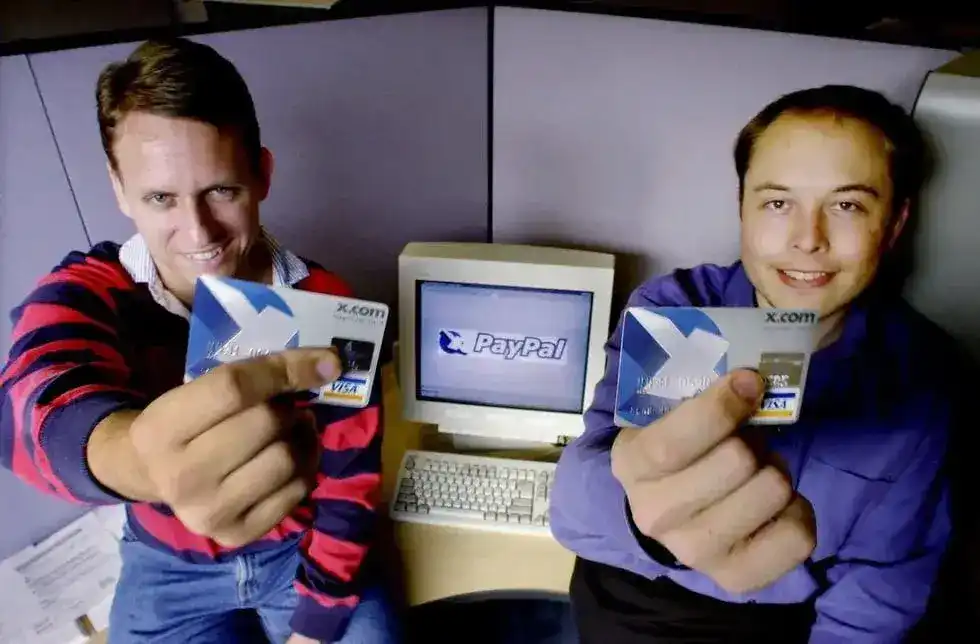
Kicked Out of PayPal, Musk Aims for a Comeback in the Crypto Market

Elon Musk's X (formerly Twitter) has launched its "Smart Cashtags" feature, generating approximately $1 billion in trading volume within days of its April 2026 pilot launch. The feature allows users to click on stock or crypto tickers (or even full Solana token contract addresses) in posts to view real-time price charts and discussions without leaving the app. Initially available to iPhone users in the US and Canada, with a partnership in Canada enabling direct trading via the Wealthsimple app. This move is part of Musk's broader "Everything App" vision, spearheaded by the upcoming X Money platform. Analysts, such as Mizuho's Dan Dolev, see this as a potential disruptor to the US payments market, even prompting a downgrade of PayPal's stock. X Money's beta offers services like 6% APY on deposits, cashback, and P2P transfers, with speculation it may later incorporate crypto trading and stablecoin settlements for faster transactions. However, the ambitious plan faces significant regulatory scrutiny. Senator Elizabeth Warren has questioned the sustainability of the high 6% yield and raised concerns over X's banking partner, Cross River Bank, which has a history of regulatory violations. Additional risks involve the "GENIUS Act," which may create loopholes for stablecoin issuance without full FDIC insurance coverage, potentially leaving users unprotected. The integration of social trading on a platform with over 500 million users could inject new liquidity and retail interest into the crypto market. Yet, it also amplifies risks like herd mentality and the blurring of lines between entertainment and financial speculation. Musk's return to finance, after his ouster from PayPal, hinges on balancing innovation with regulatory compliance.

marsbitHace 1 hora(s)

Kicked Out of PayPal, Musk Aims for a Comeback in the Crypto Market

marsbitHace 1 hora(s)

Trading

Spot
Futuros

Artículos destacados

Qué es BITCOIN

Entendiendo HarryPotterObamaSonic10Inu (ERC-20) y Su Posición en el Espacio Cripto En los últimos años, el mercado de criptomonedas ha sido testigo de un aumento en la popularidad de las monedas meme, capturando el interés no solo de los comerciantes, sino también de aquellos que buscan compromiso comunitario y valor de entretenimiento. Entre estos tokens únicos se encuentra HarryPotterObamaSonic10Inu (ERC-20), un proyecto intrigante que mezcla referencias culturales en el tejido de las criptomonedas. Este artículo profundiza en los aspectos clave de HarryPotterObamaSonic10Inu, explorando sus mecanismos, ethos impulsado por la comunidad y su relación con el paisaje cripto más amplio. ¿Qué es HarryPotterObamaSonic10Inu (ERC-20)? Como su nombre sugiere, HarryPotterObamaSonic10Inu es una moneda meme construida sobre la blockchain de Ethereum, clasificada bajo el estándar ERC-20. A diferencia de las criptomonedas tradicionales que pueden enfatizar la utilidad práctica o el potencial de inversión, este token prospera en el valor de entretenimiento y la fuerza de su comunidad. El proyecto tiene como objetivo fomentar un entorno donde los usuarios comprometidos puedan reunirse, compartir ideas y participar en actividades inspiradas por diversos fenómenos culturales. Una característica notable de HarryPotterObamaSonic10Inu es su cero impuestos en las transacciones. Este atractivo elemento tiene como objetivo incentivar el comercio y la participación comunitaria, sin cargos adicionales que puedan disuadir a los comerciantes de pequeña escala. El suministro total de la moneda está establecido en mil millones de tokens, una cifra que marca su intención de mantener una circulación sustancial dentro de la comunidad. Creador de HarryPotterObamaSonic10Inu (ERC-20) Los orígenes de HarryPotterObamaSonic10Inu están algo envueltos en misterio; los detalles sobre el creador siguen siendo desconocidos. El desarrollo de este token carece de un equipo identificable o de un plan explícito, lo cual no es inusual dentro del sector de monedas meme. En cambio, el proyecto ha surgido de manera orgánica, con su progreso muy dependiente del entusiasmo y la participación de su comunidad. Inversores de HarryPotterObamaSonic10Inu (ERC-20) En cuanto a inversiones externas y respaldo, HarryPotterObamaSonic10Inu también sigue siendo ambiguo. El token no lista ninguna fundación de inversión conocida o apoyo organizacional significativo. En cambio, la savia del proyecto es su comunidad de base, que informa su crecimiento y sostenibilidad a través de la acción colectiva y el compromiso en el espacio cripto. ¿Cómo Funciona HarryPotterObamaSonic10Inu (ERC-20)? Como una moneda meme, HarryPotterObamaSonic10Inu opera principalmente fuera de los marcos tradicionales que a menudo rigen el valor de los activos. Hay varios aspectos distintivos que definen cómo funciona el proyecto: Transacciones Sin Impuestos: Sin tarifas impositivas en las transacciones, los usuarios pueden comprar y vender el token libremente sin preocuparse por costos ocultos. Compromiso Comunitario: El proyecto prospera en la interacción comunitaria, aprovechando plataformas de redes sociales para crear entusiasmo y facilitar la participación. Las discusiones, el intercambio de contenido y el compromiso son elementos cruciales que ayudan a expandir su alcance y fomentar la lealtad entre los seguidores. Sin Utilidad Práctica: Cabe señalar que HarryPotterObamaSonic10Inu no ofrece utilidad concreta dentro del ecosistema financiero. Más bien, se clasifica como un token principalmente para actividades de entretenimiento y comunitarias. Referencia Cultural: El token incorpora astutamente elementos de la cultura popular para atraer interés, conectando con entusiastas de los memes y seguidores de las criptomonedas por igual. HarryPotterObamaSonic10Inu ejemplifica cómo las monedas meme operan de manera diferente a los proyectos de criptomonedas más tradicionales, ingresando al mercado como construcciones sociales innovadoras en lugar de activos utilitarios. Cronología de HarryPotterObamaSonic10Inu (ERC-20) La historia de HarryPotterObamaSonic10Inu está marcada por varios hitos notables: Creación: El token surgió de un meme viral, capturando la imaginación de muchos entusiastas de las criptomonedas. Las fechas específicas de creación no están disponibles, subrayando su ascenso orgánico. Listado en Exchanges: HarryPotterObamaSonic10Inu ha llegado a varios exchanges, permitiendo un acceso y comercio más fácil por parte de la comunidad. Iniciativas de Compromiso Comunitario: Actividades continuas destinadas a mejorar la interacción comunitaria, incluyendo concursos, campañas en redes sociales y generación de contenido por parte de fanáticos y defensores. Planes de Expansión Futuros: La hoja de ruta del proyecto incluye el lanzamiento de una colección de NFT, mercancía y un sitio de comercio electrónico relacionado con sus temas culturales, involucrando aún más a la comunidad e intentando añadir más dimensiones a su ecosistema. Puntos Clave Sobre HarryPotterObamaSonic10Inu (ERC-20) Naturaleza Impulsada por la Comunidad: El proyecto prioriza la participación colectiva y la creatividad, asegurando que la involucración de los usuarios esté a la vanguardia de su desarrollo. Clasificación como Moneda Meme: Representa la epítome de las criptomonedas basadas en el entretenimiento, diferenciándose de los vehículos de inversión tradicionales. Sin Afiliación Directa con Bitcoin: A pesar de la similitud en el nombre del ticker, HarryPotterObamaSonic10Inu es distinto y no tiene relación con Bitcoin u otras criptomonedas establecidas. Enfoque en la Colaboración: HarryPotterObamaSonic10Inu está diseñado para crear un espacio para la colaboración y el intercambio de historias entre sus poseedores, proporcionando una vía para la creatividad y el vínculo comunitario. Perspectivas Futuras: La ambición de expandirse más allá de su premisa inicial hacia NFTs y mercancías describe un camino para que el proyecto potencialmente ingrese a avenidas más tradicionales dentro de la cultura digital. A medida que las monedas meme continúan capturando la imaginación de la comunidad de criptomonedas, HarryPotterObamaSonic10Inu (ERC-20) se destaca debido a sus lazos culturales y su enfoque centrado en la comunidad. Si bien puede no encajar en el molde típico de un token impulsado por la utilidad, su esencia radica en la alegría y la camaradería fomentadas entre sus seguidores, destacando la naturaleza en evolución de las criptomonedas en una era cada vez más digital. A medida que el proyecto continúa desarrollándose, será importante observar cómo las dinámicas comunitarias influyen en su trayectoria en el cambiante paisaje de la tecnología blockchain.

1.3k Vistas totalesPublicado en 2024.04.01Actualizado en 2024.12.03

Qué es BITCOIN

Cómo comprar BTC

¡Bienvenido a HTX.com! Hemos hecho que comprar Bitcoin (BTC) sea simple y conveniente. Sigue nuestra guía paso a paso para iniciar tu viaje de criptos.Paso 1: crea tu cuenta HTXUtiliza tu correo electrónico o número de teléfono para registrarte y obtener una cuenta gratuita en HTX. Experimenta un proceso de registro sin complicaciones y desbloquea todas las funciones.Obtener mi cuentaPaso 2: ve a Comprar cripto y elige tu método de pagoTarjeta de crédito/débito: usa tu Visa o Mastercard para comprar Bitcoin (BTC) al instante.Saldo: utiliza fondos del saldo de tu cuenta HTX para tradear sin problemas.Terceros: hemos agregado métodos de pago populares como Google Pay y Apple Pay para mejorar la comodidad.P2P: tradear directamente con otros usuarios en HTX.Over-the-Counter (OTC): ofrecemos servicios personalizados y tipos de cambio competitivos para los traders.Paso 3: guarda tu Bitcoin (BTC)Después de comprar tu Bitcoin (BTC), guárdalo en tu cuenta HTX. Alternativamente, puedes enviarlo a otro lugar mediante transferencia blockchain o utilizarlo para tradear otras criptomonedas.Paso 4: tradear Bitcoin (BTC)Tradear fácilmente con Bitcoin (BTC) en HTX's mercado spot. Simplemente accede a tu cuenta, selecciona tu par de trading, ejecuta tus trades y monitorea en tiempo real. Ofrecemos una experiencia fácil de usar tanto para principiantes como para traders experimentados.

4.7k Vistas totalesPublicado en 2024.12.12Actualizado en 2025.03.21

Cómo comprar BTC

Qué es $BITCOIN

ORO DIGITAL ($BITCOIN): Un Análisis Integral Introducción al ORO DIGITAL ($BITCOIN) ORO DIGITAL ($BITCOIN) es un proyecto basado en blockchain que opera en la red Solana, cuyo objetivo es combinar las características de los metales preciosos tradicionales con la innovación de las tecnologías descentralizadas. Aunque comparte un nombre con Bitcoin, a menudo referido como “oro digital” debido a su percepción como un refugio de valor, ORO DIGITAL es un token separado diseñado para crear un ecosistema único dentro del paisaje Web3. Su meta es posicionarse como un activo digital alternativo viable, aunque los detalles sobre sus aplicaciones y funcionalidades aún están en desarrollo. ¿Qué es ORO DIGITAL ($BITCOIN)? ORO DIGITAL ($BITCOIN) es un token de criptomoneda diseñado explícitamente para su uso en la blockchain de Solana. A diferencia de Bitcoin, que proporciona un papel de almacenamiento de valor ampliamente reconocido, este token parece centrarse en aplicaciones y características más amplias. Aspectos notables incluyen: Infraestructura Blockchain: El token está construido sobre la blockchain de Solana, conocida por su capacidad para manejar transacciones de alta velocidad y bajo costo. Dinámicas de Suministro: ORO DIGITAL tiene un suministro máximo limitado a 100 cuatrillones de tokens (100P $BITCOIN), aunque los detalles sobre su suministro circulante no se han divulgado actualmente. Utilidad: Si bien las funcionalidades precisas no están delineadas explícitamente, hay indicios de que el token podría ser utilizado para diversas aplicaciones, potencialmente involucrando aplicaciones descentralizadas (dApps) o estrategias de tokenización de activos. ¿Quién es el Creador de ORO DIGITAL ($BITCOIN)? En la actualidad, la identidad de los creadores y el equipo de desarrollo detrás de ORO DIGITAL ($BITCOIN) sigue siendo desconocida. Esta situación es típica entre muchos proyectos innovadores dentro del espacio blockchain, particularmente aquellos alineados con las finanzas descentralizadas y fenómenos de monedas meme. Si bien tal anonimato puede fomentar una cultura impulsada por la comunidad, intensifica las preocupaciones sobre la gobernanza y la responsabilidad. ¿Quiénes son los Inversores de ORO DIGITAL ($BITCOIN)? La información disponible indica que ORO DIGITAL ($BITCOIN) no tiene patrocinadores institucionales conocidos ni inversiones destacadas de capital de riesgo. El proyecto parece operar en un modelo de peer-to-peer centrado en el apoyo y la adopción de la comunidad en lugar de rutas de financiamiento tradicionales. Su actividad y liquidez se sitúan principalmente en intercambios descentralizados (DEX), como PumpSwap, en lugar de plataformas de trading centralizadas establecidas, lo que resalta aún más su enfoque de base. Cómo Funciona ORO DIGITAL ($BITCOIN) Los mecanismos operativos de ORO DIGITAL ($BITCOIN) pueden elaborarse en función de su diseño blockchain y atributos de red: Mecanismo de Consenso: Al aprovechar el único proof-of-history (PoH) de Solana combinado con un modelo de proof-of-stake (PoS), el proyecto asegura una validación de transacciones eficiente que contribuye al alto rendimiento de la red. Tokenómica: Si bien los mecanismos deflacionarios específicos no se han detallado extensamente, el vasto suministro máximo de tokens implica que podría atender microtransacciones o casos de uso nicho que aún están por definirse. Interoperabilidad: Existe el potencial de integración con el ecosistema más amplio de Solana, incluyendo varias plataformas de finanzas descentralizadas (DeFi). Sin embargo, los detalles sobre integraciones específicas permanecen no especificados. Cronología de Eventos Clave Aquí hay una cronología que destaca hitos significativos relacionados con ORO DIGITAL ($BITCOIN): 2023: El despliegue inicial del token ocurre en la blockchain de Solana, marcado por su dirección de contrato. 2024: ORO DIGITAL gana visibilidad al estar disponible para trading en intercambios descentralizados como PumpSwap, permitiendo a los usuarios comerciar contra SOL. 2025: El proyecto presencia actividad de trading esporádica y potencial interés en compromisos liderados por la comunidad, aunque no se han documentado asociaciones notables o avances técnicos hasta el momento. Análisis Crítico Fortalezas Escalabilidad: La infraestructura subyacente de Solana soporta altos volúmenes de transacciones, lo que podría mejorar la utilidad de $BITCOIN en varios escenarios de transacción. Accesibilidad: El potencial bajo precio de trading por token podría atraer a inversores minoristas, facilitando una participación más amplia debido a oportunidades de propiedad fraccionada. Riesgos Falta de Transparencia: La ausencia de patrocinadores, desarrolladores o un proceso de auditoría conocidos públicamente puede generar escepticismo sobre la sostenibilidad y confiabilidad del proyecto. Volatilidad del Mercado: La actividad de trading depende en gran medida del comportamiento especulativo, lo que puede resultar en una volatilidad de precios significativa y en incertidumbre para los inversores. Conclusión ORO DIGITAL ($BITCOIN) surge como un proyecto intrigante pero ambiguo dentro del ecosistema de Solana en rápida evolución. Si bien intenta aprovechar la narrativa del “oro digital”, su alejamiento del papel establecido de Bitcoin como refugio de valor subraya la necesidad de una diferenciación más clara de su utilidad y estructura de gobernanza previstas. La aceptación y adopción futura dependerán probablemente de abordar la actual opacidad y de definir sus estrategias operativas y económicas de manera más explícita. Nota: Este informe abarca información sintetizada disponible hasta octubre de 2023, y pueden haber ocurrido desarrollos más allá del período de investigación.

83 Vistas totalesPublicado en 2025.05.13Actualizado en 2025.05.13

Qué es $BITCOIN

Discusiones

Bienvenido a la comunidad de HTX. Aquí puedes mantenerte informado sobre los últimos desarrollos de la plataforma y acceder a análisis profesionales del mercado. A continuación se presentan las opiniones de los usuarios sobre el precio de BTC (BTC).

活动图片