1460% 涨幅之后:重新审视 ZEC 的价值基础

深潮Publicado a 2025-11-20Actualizado a 2025-11-21

叙事和情绪可以创造神话,而基本面决定神话能走多远。

撰文:Lacie

神话的起点,崩塌的伏笔

在过去短短两个月内,Zcash($ZEC)成为整个加密市场最耀眼的焦点。从 9 月底的 $50 暴涨至近期高点 $730,涨幅高达 1460%,FDV 更是飙升至 8 年以来的历史峰值 $13B。
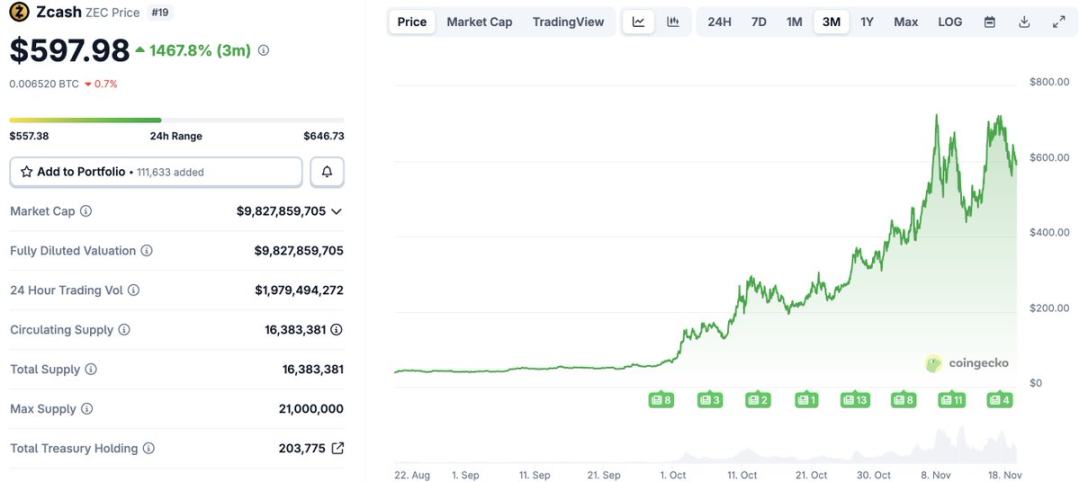
https://www.coingecko.com/en/coins/zcash

更令情绪推至高潮的,是一众顶级大佬纷纷站台: @naval @0xMert_ @CryptoHayes 等重量级人物的喊单成为催化剂,引爆了市场 FOMO,吸引大量 KOL、散户乃至一些基金重新审视这条老链。罕见的,中英文 CT 都在热烈讨论 ZEC、隐私叙事与 ZK 技术回潮,Privacy 似乎再次被加密市场奉为「下一轮大趋势」的主角。

然而,在这幅看似炙热、完美的叙事背景之下,一些关键的基本面问题却始终被忽视:ZEC 的矿工经济模型、网络安全性和链上交互活跃度,真的足以支撑高达 100 多亿美金的 FDV 吗?

ZEC 正处在 PoW 历史上典型的 Hardware–Price Scissors 的前夜

在讨论任何 PoW 项目的可持续性之前,挖矿端的经济激励往往最直观反映链的价值捕获能力。

让我们先来一起计算下 ZEC 目前的回本周期:

1)Z15 Pro:目前最主流的矿机

当前市场讨论度最高、也是矿工愿意抢购的最新款 ZEC 旗舰矿机,是 Bitmain Antminer Z15 Pro,它的硬件规格如下:

  • 算力(Hashrate):840 KH/s

  • 功耗(Power):2780 W,实际运行 2560 W 左右

  • 能效比:0.302 KH/W

目前官网只有 Z15 Pro 期货,2026 年 4 月交付,价格是 $4,999,等不及的小伙伴也可以去黑市某鱼上抢购二手现货,真实价格约 5w rmb。
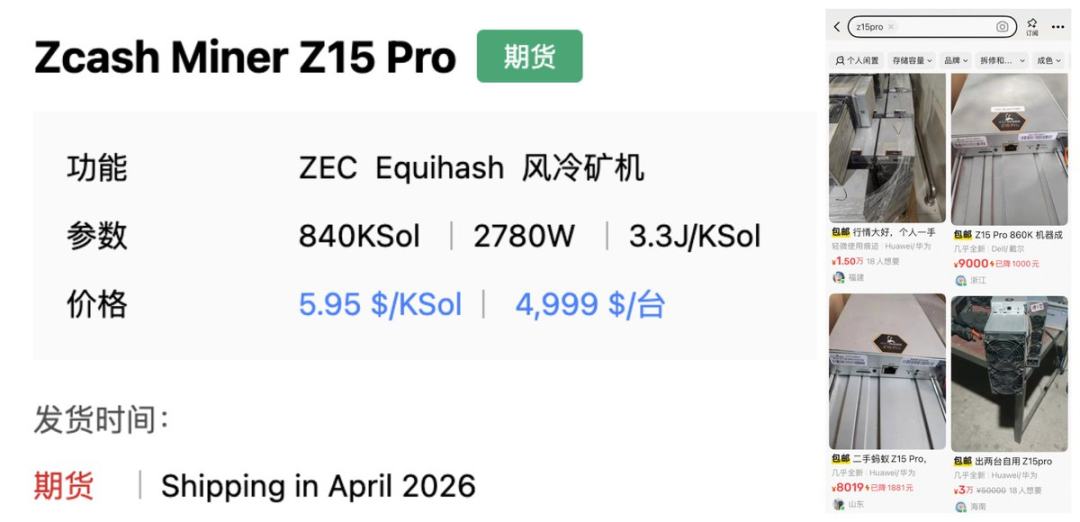
https://m.bitmain.com/zh/product/detail?pid=00020251112140439260bFAoSY2F0667

2)ZEC 的算力与挖矿收益结构:惊人的每日收益

过去两个月,ZEC 的高收益正在快速吸引算力进场,全网 hashrate 开始显著增长, difficulty 也已经进入升高周期。从图表可以清楚看到,ZEC 的 price(黄色线)在 9 月底开始脱离横盘状态,而 hashrate(淡紫色)与 difficulty(深蓝色)随之出现同步抬升。这一段走势意味着挖矿端已经开始对价格上涨做出反应。
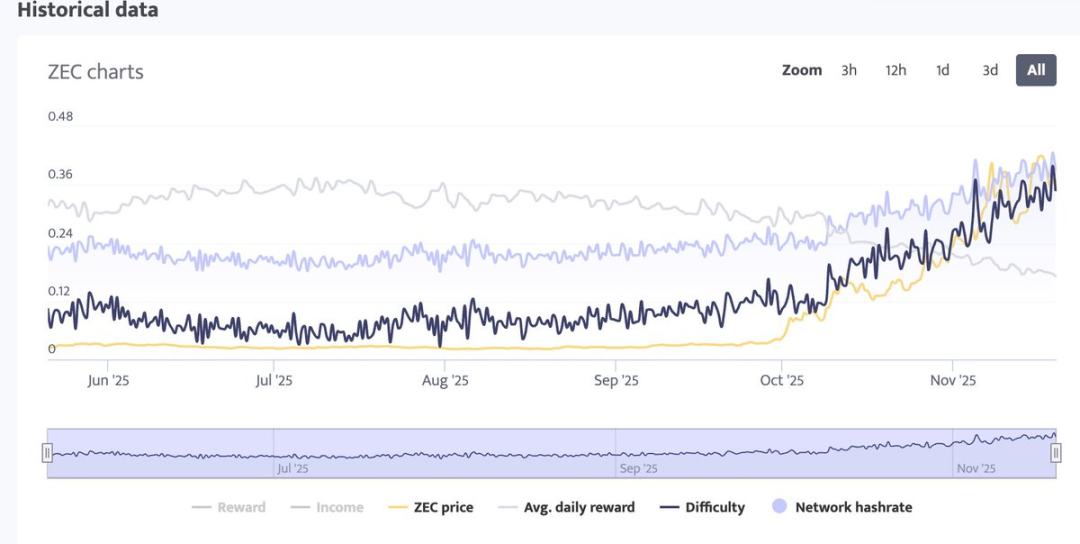
https://minerstat.com/coin/ZEC

截止写稿时,Zcash 网络的关键参数为:

  • 全网算力:13.31 GH/s

  • 网络难度:118.68M

  • 区块奖励:2.5 ZEC / block

为了计算每日收益,我们将 Z15 Pro 的参数带入挖矿收益计算器,并按标准矿工设定:

  • 矿池费:2%

  • 电价:$0.08 / kWh

  • 每日电力消耗:5.34 美元(2.78 kW × 24 小时 × 0.08 美元 /kWh)

然后我们就可以得出一个惊人的数字:单台 Z15 Pro 每天的净收益超过 $50!且从历史数据看,这么高的收益已经持续至少 1 周以上了。
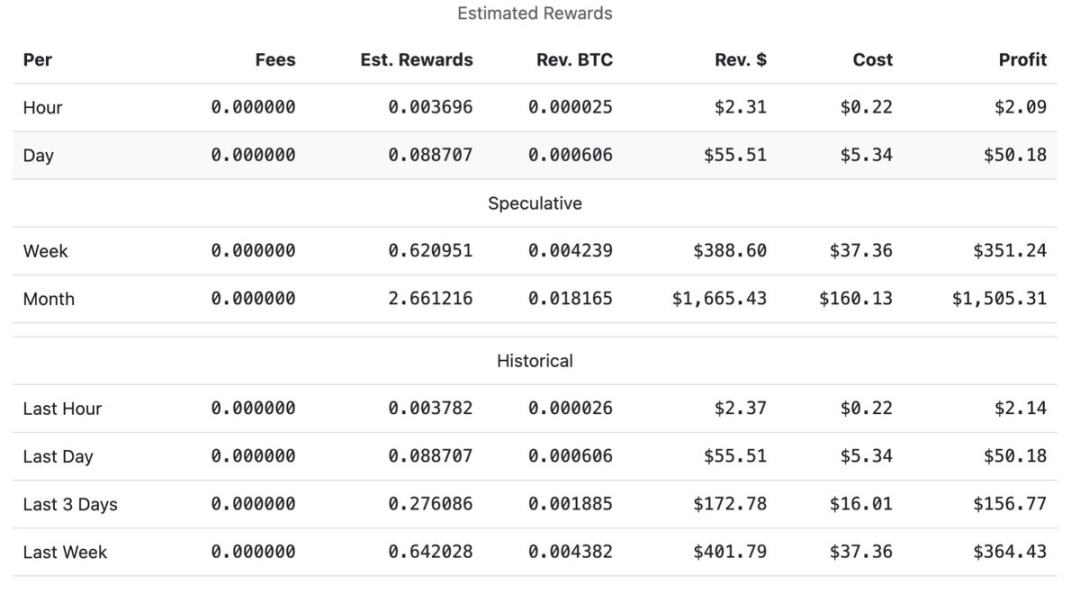
https://whattomine.com/coins/166-zec-equihash

3)回本周期:极为罕见的高 ROI

在假定网络难度短期不变、电费稳定的情况下,我们用 Z15 Pro 矿机期货价格 $4,999 计算回本周期。

为体现真实成本,这里按矿机 5 年(1826 天)直线摊销:

  • 每日机器成本摊销:$2.74

  • 考虑摊销后的每日净收益:约 $47.63

因此,一台 Z15 Pro 的静态回本周期仅约 105 天,换算下年化收益率近 350%。

这一数字在整个 PoW 历史中都极为罕见——甚至可以说是异常:

  • BTC 矿机上涨周期的回本周期通常要 12–24 个月

  • ETH PoW 时代的矿机 ROI 在 300–600 天之间

  • 历史上回本低于 120 天的 PoW 项目(FIL、XCH、RVN 等)几乎均在数月后崩盘
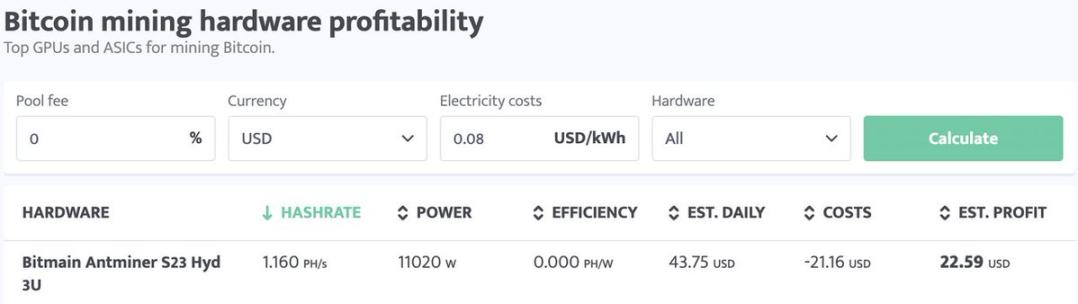
当前最新款 BTC 矿机每日收益 ~$23,静态回本周期约 3.4 年

4)案例回顾:反复上演的 Hardware–Price Scissors

Hardware-Price Scissors 是 PoW 挖矿历史上反复上演的「收割」剧本,矿工在币价最高、Fomo 情绪最重时,以溢价几倍的价格订购矿机(此时 ROI 看起来极低,仅需 4 个月回本)。然而,当矿机真正交付上架、算力暴涨时(通常延迟 3 个月以上),庄家往往高位出货,导致矿工面临「币价腰斩 + 产量腰斩」的双杀,而手中的矿机瞬间变成了高价废铁。

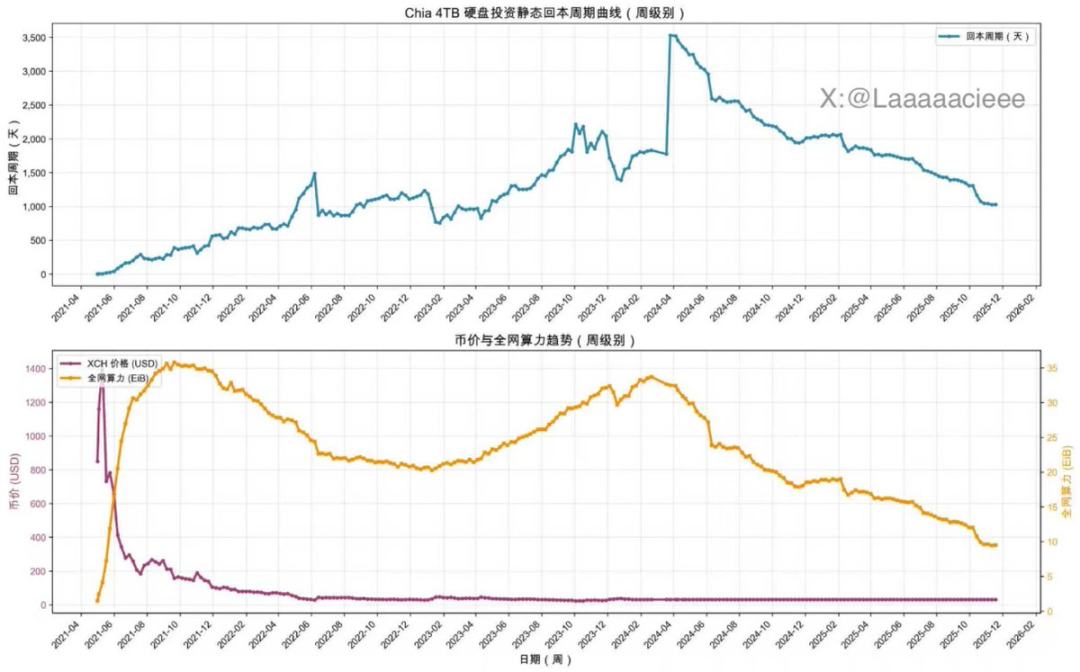
  • 2021 年 5 月,Chia 曾引发全球硬盘断货。当时 XCH 币价飙升至 $1,600,早期的硬盘投入显示的静态回本周期一度被压缩至 130 天以内。 这种极致的暴利瞬间引发了全球存储算力的海啸。然而,随之而来的是惨烈的「剪刀差」: 尽管币价下跌,但前期订购的硬盘持续上线,全网算力在币价见顶后依然惯性暴涨,回本周期从 30 天被迅速拉长至 3,000 天以上。
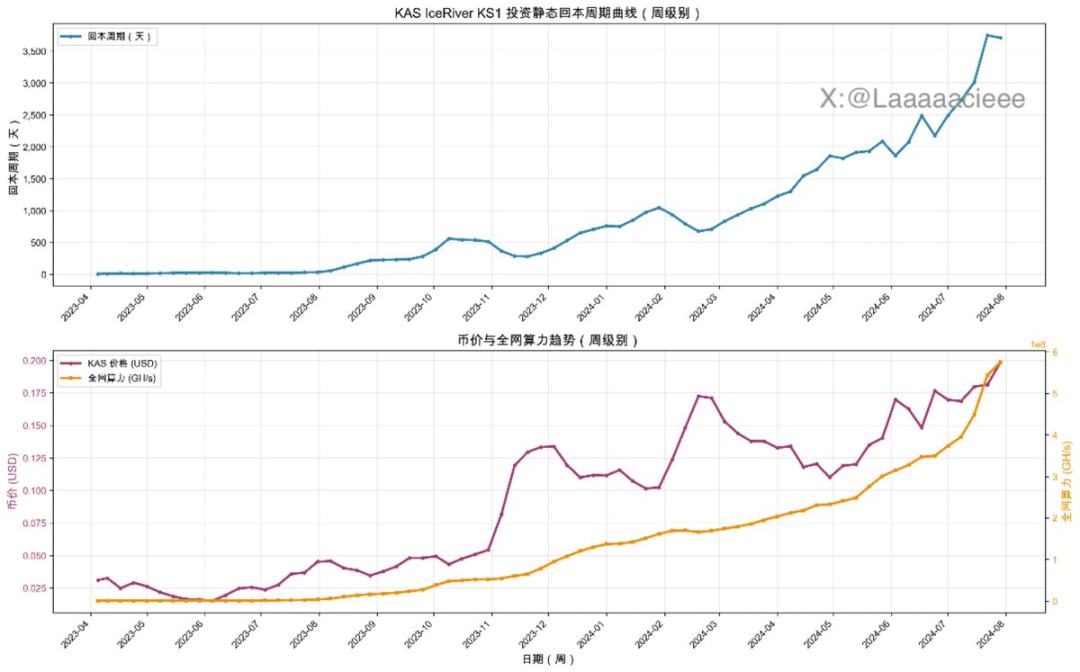
  • 观察 IceRiver KS1 矿机的数据,在 2023 年中旬,其回本周期一度低至 150 天。 与 Chia 不同的是,KAS 的币价甚至保持了上涨趋势。但即便如此,矿工依然亏损,因为算力增长的斜率远超币价上涨的斜率。工业级 ASIC 的快速迭代和大规模部署,让全网难度呈指数级上升。 尽管币价坚挺,但由于难度暴涨,KS1 这款机器的回本周期依然不可逆转地飙升至 3,500 天。
ZEC 的算力水平正处在历史上多次被 51% 攻击的危险区间

在挖矿经济模型之外,另一条决定性风险线是网络的安全性与算力规模。对于 PoW 链而言,「全网算力规模 + 51% 攻击成本」直接决定其能否在高估值状态下自洽。

1)全网算力规模:仅相当于一个中小型比特币矿场

根据网络最新数据,ZEC 的全网算力约为 12.48 GSol/s,按一台 Z15 Pro 算力 0.00084 GSol/s 计算,仅需要约 14,857 台 Z15 Pro 矿机,对应的能源消耗大约在 40 MW 级别,这相当于一个中小型比特币矿场的规模。

从整个网络的算力规模看,Zcash 的安全基座显得极其薄弱,已经进入众多曾被成功 51% 攻击的小型 PoW 链的风险区间。
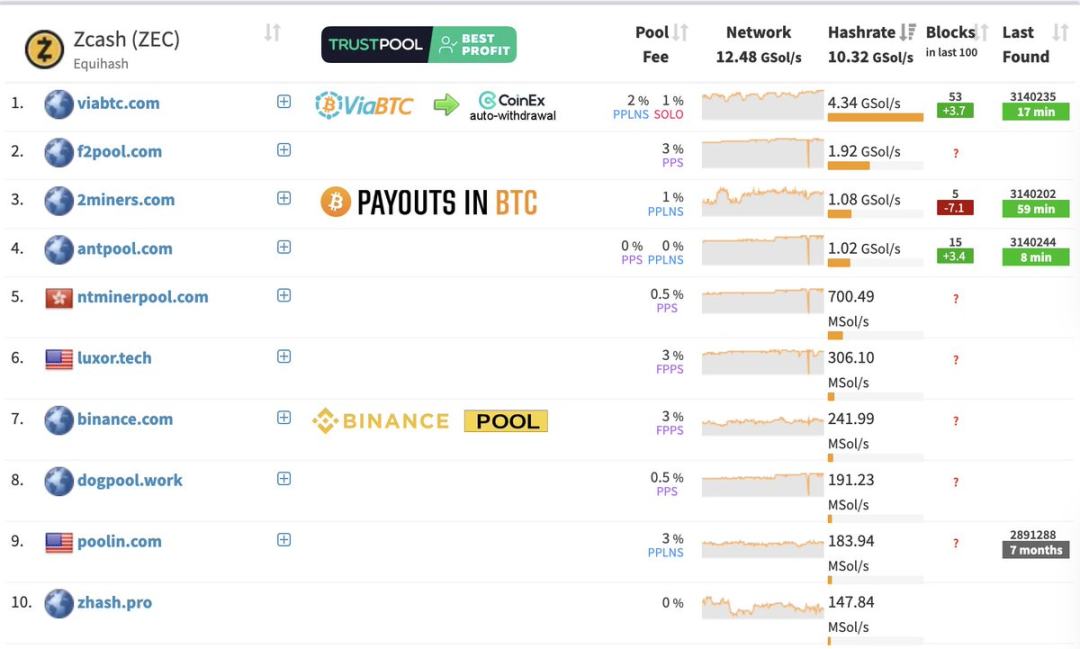
https://miningpoolstats.stream/zcash

2)攻击成本:理论仅数百万美元级别

一般而言,开启 51% 攻击需要在同一时间内掌握超过全网 50% 的算力。若 ZEC 全网近 1.6w 台 Z15 Pro 即可构成主力,那么攻击者只需租用或购买数千台设备,就有可能控制超过 50% 的算力。

粗略估算:

  • 每台 Z15 Pro 期货成本 ~$5,000,一般 300 台以上构成大客户采购,可享至少 9 折

  • 控制算力 ~8,000 台 → 成本至多 ~$40M,攻击所需能耗在 20 MW 左右

  • 若租赁、二手价格更低,实际启动成本可能数百万美元

在一个 FDV 近百亿美元的公链上,仅需百万级别的算力投资即可发动潜在的链重组或双花,这本身就是一个难以忽视的结构性风险。

3)与主流链对比:安全性差距巨大

为了让大家有更直观清晰的感知,让我们来与其他运行的大型 PoW 链进行简单对比:
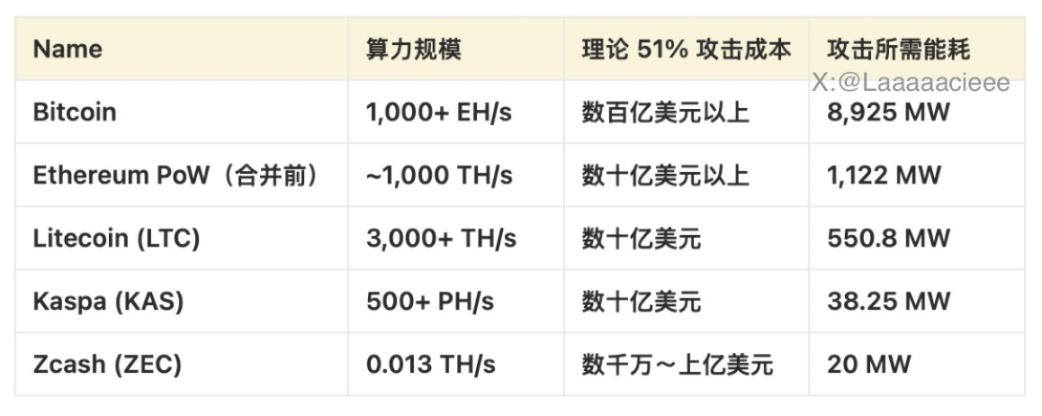
更关键的是,ZEC 当前的算力不仅远低于 BTC/LTC/KAS 等主流 PoW 链,甚至连 ETC、BTG、VTC、BSV 这些曾被成功 51% 攻击的链,在遭受攻击时的算力都普遍高于现在的 ZEC,这意味着 ZEC 的网络安全性实际上已经落入可被攻击的危险区间。

链上数据揭示 ZCash 的真实使用量依然非常有限

尽管近期 ZEC 叙事持续升温,但链上数据提供了一个更加冷静的视角——真实使用量与当前的百亿级 FDV 之间存在显著偏离。

从交易量、活跃地址到生态规模,Zcash 的实际网络行为远没有价格走势所暗示的那般繁荣:

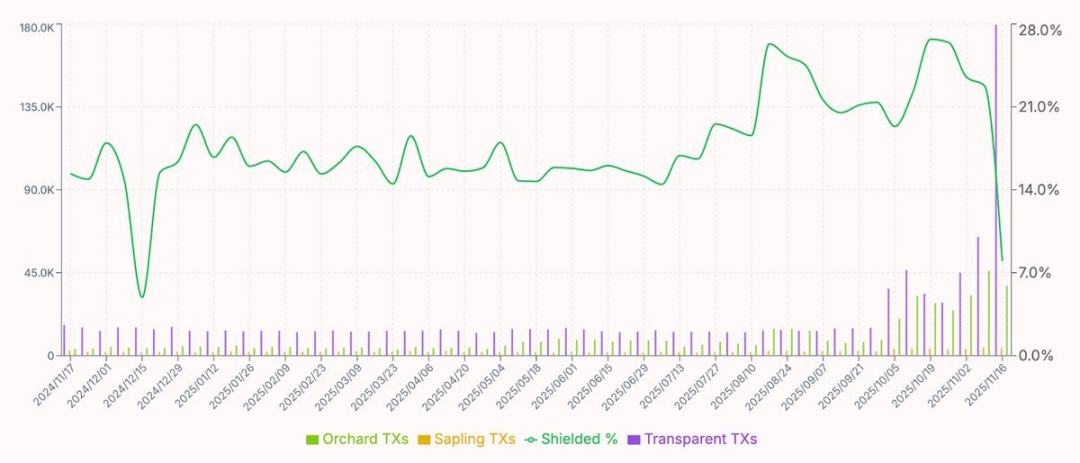
  • 过去一个月的日均交易仅 15,000 – 18,000 笔 / 天,仅为大型公链的 1% – 2%

  • 作为隐私链, 绝大部分交易仍是透明交易,shielded 交易不足 10%

https://zechub.wiki/dashboard

当市场从狂热回归冷静时的重新定价

叙事、情绪、名人效应和矿机经济陷阱共同把一个沉睡八年的老项目推上了舆论顶峰。但透过热闹的表象,当我们真正回到区块链最核心的三件事:经济可持续性、网络安全性与链上采用量,ZEC 呈现出的是截然相反的一幅图景。

这是:

  • 回本仅 105 天、年化 350% 的围剿矿工盘

  • 算力规模仅相当于一个中型比特币矿场,51% 攻击成本低至百万美元级别,交易量仅为主流公链的 1%–2%,隐私功能实际使用占比不足 10% 的 PoW 链

历史已经无数次证明:极短的回本周期(超高 ROI)往往是矿难和币价崩盘的前兆。

ZEC 是否会成为例外,我无法断言。

但加密世界的规律从未改变:叙事和情绪可以创造神话,而基本面决定神话能走多远。

Criptos en tendencia

Lecturas Relacionadas

Tiger Research: Zuckerberg Begins Betting on Prediction Markets, While Asian Nations Still View Them as Gambling

This article examines the rise of prediction markets, contrasting their growing institutional acceptance in the West with their restrictive regulation in Asia. It details how prediction markets, which originated from informal political betting and academic experiments like the Iowa Electronic Market, aggregate crowd wisdom into probabilistic prices through binary contracts. Their growth accelerated around 2020, reaching over $14 billion in monthly volume. A key driver is the "skin in the game" principle, where users risk their own capital, leading to high accuracy in predicting events like Fed rate decisions and elections, as demonstrated by platforms like Polymarket. Meta's entry, with Mark Zuckerberg reportedly leading the development of the Arena app, signals the market's maturation. In the U.S., court rulings have distinguished prediction markets from gambling, facilitating entry by traditional financial institutions. However, most Asian jurisdictions still classify them as gambling, focusing on social control rather than financial innovation. The article argues this stance creates three problems for Asia: 1) regulatory arbitrage pushes users to riskier offshore platforms, 2) loss of sovereign information infrastructure as valuable social sentiment data accumulates abroad, and 3) abandonment of user protection. It concludes that Asia needs a policy shift from prohibition to constructive regulation, integrating these markets into the formal system to harness their data as a national asset, as initiatives like Limitless Research are beginning to do.

marsbitHace 2 hora(s)

Tiger Research: Zuckerberg Begins Betting on Prediction Markets, While Asian Nations Still View Them as Gambling

marsbitHace 2 hora(s)

Ethereum's Next Decade in the Eyes of Vitalik

"Lean Ethereum" Long-Term Roadmap Unveiled by Vitalik Buterin On July 5, 2026, Vitalik Buterin published the "Lean Ethereum" roadmap, positioning it as Ethereum's third major evolution following the Merge. This multi-year, multi-phase upgrade aims to fundamentally transform Ethereum's core protocol through staged network upgrades extending to 2029. Key goals include achieving 1 gigagas per second L1 throughput (a massive increase from the current ~32 TPS), near-instant finality, and quantum-resistant cryptography. The plan involves transitioning Ethereum's security model from full transaction re-execution by all nodes to native verification via recursive STARK proofs. A major proposed change is replacing the EVM with a proof-friendly architecture like RISC-V or leanISA, though this remains a point of contention, especially with L2s like Arbitrum favoring alternatives like WASM. Other planned upgrades include a restructured state model with a large, cheap "warehouse" storage layer to drastically reduce fees for migrated applications, multi-dimensional gas pricing, and a new focus on making privacy a first-class, native protocol feature. While the roadmap significantly raises Ethereum's long-term technical ceiling, analysts note it does not directly address ETH's mid-term token economics or value capture. The plan's multi-year timeline means near-term price impact will likely depend on observable progress milestones, such as the successful deployment of the upcoming Glamsterdam gas limit increase, growth in L2 activity and blob usage, and trends in L1 fee revenue and ETH burn.

链捕手Hace 3 hora(s)

Ethereum's Next Decade in the Eyes of Vitalik

链捕手Hace 3 hora(s)

In Just 11 Days, Claude Rewrote Millions of Lines of Code, an Epic AI Engineering Feat Sparks Fury

In just 11 days, Bun's founder Jarred Sumner used Anthropic's Claude AI models to rewrite its million lines of code from Zig to Rust. This move sparked significant controversy, particularly from Zig's creator, Andrew Kelley, who publicly criticized Sumner's engineering practices and the decision to use AI for such a massive rewrite. Bun, a high-performance JavaScript/TypeScript runtime and rival to Node.js, was originally written in Zig. After Anthropic acquired Bun, the team encountered persistent stability and memory safety bugs in the Zig codebase. These issues, combined with Zig's strict policy against LLM-generated code, led to the decision to rewrite in Rust. The rewrite was executed using Claude AI tools at an estimated API cost of $165,000, dramatically reducing the expected time and financial cost. Andrew Kelley's response was scathing. He blamed the original bugs on poor engineering habits, calling Bun's Zig code a collection of "hacks on top of hacks." He expressed relief that Bun was no longer associated with Zig, fearing it would misrepresent the language and attract low-quality, AI-generated contributions. The tech community is divided; some view Kelley's critique as unprofessional, while others see it as a defense of engineering integrity. A major concern about the AI-driven rewrite is the resulting code quality. The translation from Zig left approximately 27,000 lines of unsafe Rust code, raising fears about long-term maintainability and technical debt. The debate centers on whether this project is a milestone in AI-assisted development or a future maintenance nightmare.

marsbitHace 4 hora(s)

In Just 11 Days, Claude Rewrote Millions of Lines of Code, an Epic AI Engineering Feat Sparks Fury

marsbitHace 4 hora(s)

Trading

Spot

Artículos destacados

Cómo comprar ZEC

¡Bienvenido a HTX.com! Hemos hecho que comprar Zcash (ZEC) sea simple y conveniente. Sigue nuestra guía paso a paso para iniciar tu viaje de criptos.Paso 1: crea tu cuenta HTXUtiliza tu correo electrónico o número de teléfono para registrarte y obtener una cuenta gratuita en HTX. Experimenta un proceso de registro sin complicaciones y desbloquea todas las funciones.Obtener mi cuentaPaso 2: ve a Comprar cripto y elige tu método de pagoTarjeta de crédito/débito: usa tu Visa o Mastercard para comprar Zcash (ZEC) al instante.Saldo: utiliza fondos del saldo de tu cuenta HTX para tradear sin problemas.Terceros: hemos agregado métodos de pago populares como Google Pay y Apple Pay para mejorar la comodidad.P2P: tradear directamente con otros usuarios en HTX.Over-the-Counter (OTC): ofrecemos servicios personalizados y tipos de cambio competitivos para los traders.Paso 3: guarda tu Zcash (ZEC)Después de comprar tu Zcash (ZEC), guárdalo en tu cuenta HTX. Alternativamente, puedes enviarlo a otro lugar mediante transferencia blockchain o utilizarlo para tradear otras criptomonedas.Paso 4: tradear Zcash (ZEC)Tradear fácilmente con Zcash (ZEC) en HTX's mercado spot. Simplemente accede a tu cuenta, selecciona tu par de trading, ejecuta tus trades y monitorea en tiempo real. Ofrecemos una experiencia fácil de usar tanto para principiantes como para traders experimentados.

381 Vistas totalesPublicado en 2024.12.12Actualizado en 2026.06.02

Cómo comprar ZEC

Discusiones

Bienvenido a la comunidad de HTX. Aquí puedes mantenerte informado sobre los últimos desarrollos de la plataforma y acceder a análisis profesionales del mercado. A continuación se presentan las opiniones de los usuarios sobre el precio de ZEC (ZEC).

活动图片