Hyperliquid 韩国黑客松落幕,一文速览 13 个获奖项目

marsbitPublicado a 2025-09-23Actualizado a 2025-09-24

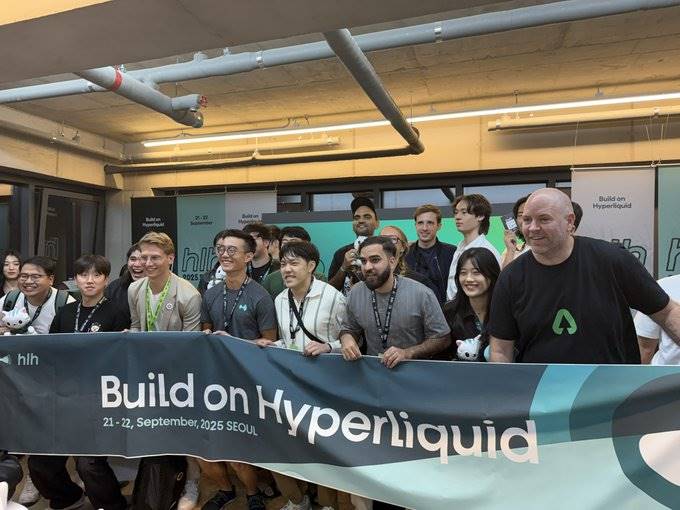
2025年9月21-22日,在首尔 Korea Blockchain Week (KBW)活动展开的同时,Hyperliquid 也在当地举办了其首届线下黑客松活动。

这场为期48小时的开发者马拉松吸引了来自全球的建设者,最终评选出13个获奖项目,奖金池总额超过5万美元。

随着竞争加剧和用户期待提升,Hyperliquid需要更丰富的应用层来巩固其生态地位。

这次黑客松也意味着其正在从纯交易平台向完整生态系统转型,而其中的优秀项目或许可能成为日后的生态黑马,也蕴藏着机会。
Hyperliquid

(图源:X用户@reason8eth

从AI交易助手到跨链基础设施,从风险管理工具到社交交易平台,我们可以一起来快速看看这次参赛项目中的佼佼者到底是谁。


第一名:Hyperliquid Copilot

项目定位:基于AI的专业交易助手,为Hyperliquid用户提供机构级交易执行能力。

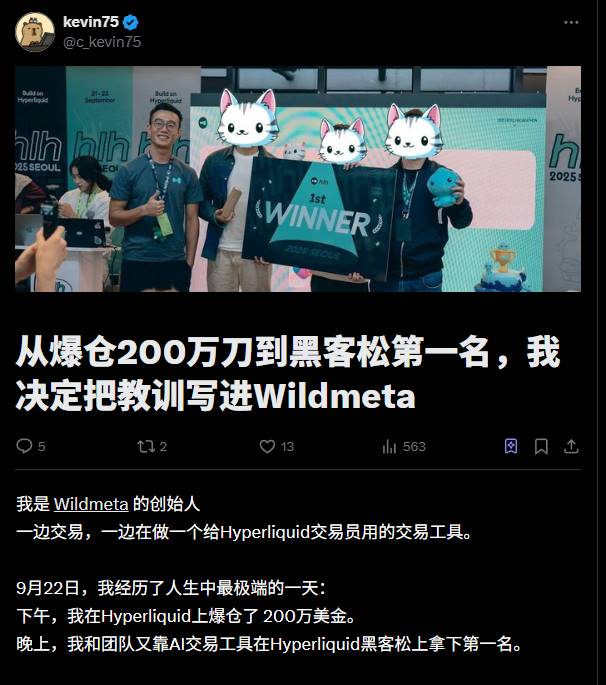
该项目由Wildmeta团队开发,创始人是Kevin Chen (@c_kevin75)。有趣的是,Kevin在黑客松当天先是在Hyperliquid上被清算了200万美元,然后当晚就凭借这个项目获得了第一名。他在获奖感言中提到要"把交易教训写进Wildmeta产品中"。
Hyperliquid

Wildmeta是一个更广泛的Hyperliquid交易平台,提供交易者发现、通知系统、链抽象以及HyperCore/HyperEVM账户管理。在黑客松中展示的Copilot功能专注于AI驱动的交易洞察,包括实时信号生成、自动订单执行和量化分析。

该工具与HyperCore无缝集成,利用链上数据和市场模式进行AI分析,帮助交易者提高效率。特别强调风险管理功能,这可能源于创始人自己的交易经历。

当前状态:Wildmeta应用已经上线,支持iOS和Android,与Hyperliquid桌面应用兼容,无需额外钱包设置。

Hyperliquid

数据表现:据报告,平台已有超过100万PnL用户。

值得关注的原因:这是一个已经有实际用户基础的成熟项目,创始人的亲身交易经历为产品开发提供了真实的需求洞察。


第二名:Edgescan

项目定位@edgescan,专为Hyperliquid和HyperEVM设计的智能合约安全扫描器。

Edgescan是一家运营超过10年的网络安全公司,专注于漏洞扫描和渗透测试服务。公司已处理超过4万次安全评估,在传统web安全领域有深厚积累。

该项目为Hyperliquid生态提供持续的安全监控服务,能够检测智能合约中的各类漏洞,包括SQL注入、API暴露等关键安全问题。系统支持HyperEVM上的合约扫描,能够识别恶意资产和影子IT风险。

Edgescan采用"混合自动化+人工验证"的方式,声称能够达到100%的准确率,有效消除误报。系统集成了EUVD(欧盟漏洞数据库)以满足合规要求,并能扫描768+个活跃被利用的CVE漏洞。

当前状态:基础平台已经成熟运营,黑客松期间专门为Hyperliquid生态开发了定制化扫描功能。

数据表现:公司过往处理了超过4万次评估,在传统安全领域有良好记录。

值得关注的原因:随着Hyperliquid生态快速增长,安全需求将会急剧上升。Edgescan的成熟团队和技术积累为其在这个细分市场的成功奠定了基础。


第三名:HODL Bot

项目定位@hlbot_hl,基于Telegram的群组交易机器人,专注长期持有和风险管理策略。

项目团队信息相对较少,但从产品设计可以看出团队对社区驱动交易和风险管理有深入理解。

HODL Bot的核心是将复杂的风险管理策略简化为Telegram群组内的简单操作。用户可以设置自动化的长期持有策略,系统会进行自动再平衡。更重要的是,机器人支持delta中性对冲功能,帮助用户在市场波动中保护资产价值。

Hyperliquid

项目直接集成Hyperliquid API,支持100+永续合约和最高50倍杠杆。所有操作通过Telegram界面完成,用户始终保持对钱包的完全控制权,无需资产托管。

当前状态:目前以Telegram机器人形式运行,处于早期阶段。团队计划开发原生应用程序。

值得关注的原因:社交化交易是DeFi发展的重要趋势,HODL Bot在群组协作和风险管理方面的创新值得关注。


第四名:Hyper Homo

项目定位:Hyperliquid 原生的社交跟单交易平台。

团队采用了模因文化和社区驱动的品牌策略,具体背景信息有限。

平台允许用户实时跟随顶级交易者的永续和现货持仓,支持自定义持仓大小和止损设置。用户可以通过社区投票选择跟随的信号和策略,形成去中心化的投资决策机制。

项目充分利用了Hyperliquid的链上订单簿特性,实现透明、低滑点的交易复制。相比其他跟单平台,用户可以看到完整的链上交易记录。

当前状态:目前还处于原型阶段,尚未有可用的产品界面。

值得关注的原因:跟单交易市场巨大,如果能在Hyperliquid生态内建立先发优势,有望获得显著增长。


第五名:STIBS

项目定位:Hyperliquid收益平滑工具,专注减少DeFi策略中的回撤风险。

团队信息较少,公开信息显示 STIBS 通过将用户的不同策略收益进行汇集和平均,来减少个体策略的波动性。系统会在永续、现货和HLP流动性挖矿之间进行动态配置,在资金费率异常时自动进行对冲操作。

项目的创新在于通过资金池机制实现收益平滑,用户可以获得相对稳定的APY,而不必承受单一策略的剧烈波动。

当前状态:目前处于早期原型阶段,尚未实际部署。

值得关注的原因:收益平滑是机构投资者的核心需求,如果产品成熟,有望吸引大量追求稳定收益的资金。


第六名:HyperFlash

项目定位:跨链套利引擎,专注亚秒级执行和零资本占用,Github地址见此处

该项目由一位19岁的天才开发者独自完成,这在黑客松中引起了不小的轰动。尽管年轻,但其技术实现水平获得了评委的高度认可。

开发小哥社媒账号:@AndreiDeSte

Hyperliquid

HyperFlash解决了传统跨链套利中资本效率低下的问题。传统方案需要在多条链上预存资金,而HyperFlash通过创新的异步桥接技术,能够在不锁定资金的情况下完成套利操作。

系统能够在毫秒级别完成跨链套利,相比传统DEX几分钟的操作时间有质的提升。更重要的是,整个过程无需预置TVL,大大提高了资本效率。

当前状态:已完成原型演示,技术可行性得到验证,但距离产品化还需要时间。

值得关注的原因:跨链套利是DeFi的重要需求,如果技术方案成熟,市场潜力巨大。年轻开发者的创新思维也值得期待。


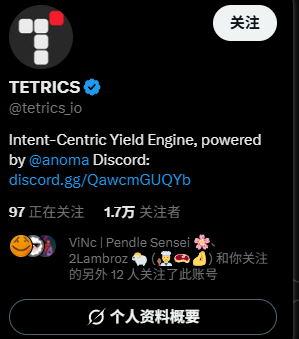
第七名:Tetrics

项目定位:投资组合分析和风险评分工具。

团队专注于DeFi风险管理,与Anoma生态系统有合作关系,显示出在隐私保护和跨链技术方面的专业背景。
Hyperliquid

Tetrics为Hyperliquid用户提供投资组合的综合分析,包括风险评分、资产配置建议和潜在损失预警。系统能够实时监控用户的持仓风险,并提供优化建议。

项目结合了传统金融的风险管理模型和DeFi的特殊需求,能够处理永续合约、现货和流动性挖矿等多种资产类型的风险计算。

当前状态:处于早期开发阶段,已有基础框架但功能还不完整。

值得关注的原因:随着DeFi用户资产规模增长,专业的风险管理工具需求会越来越大。


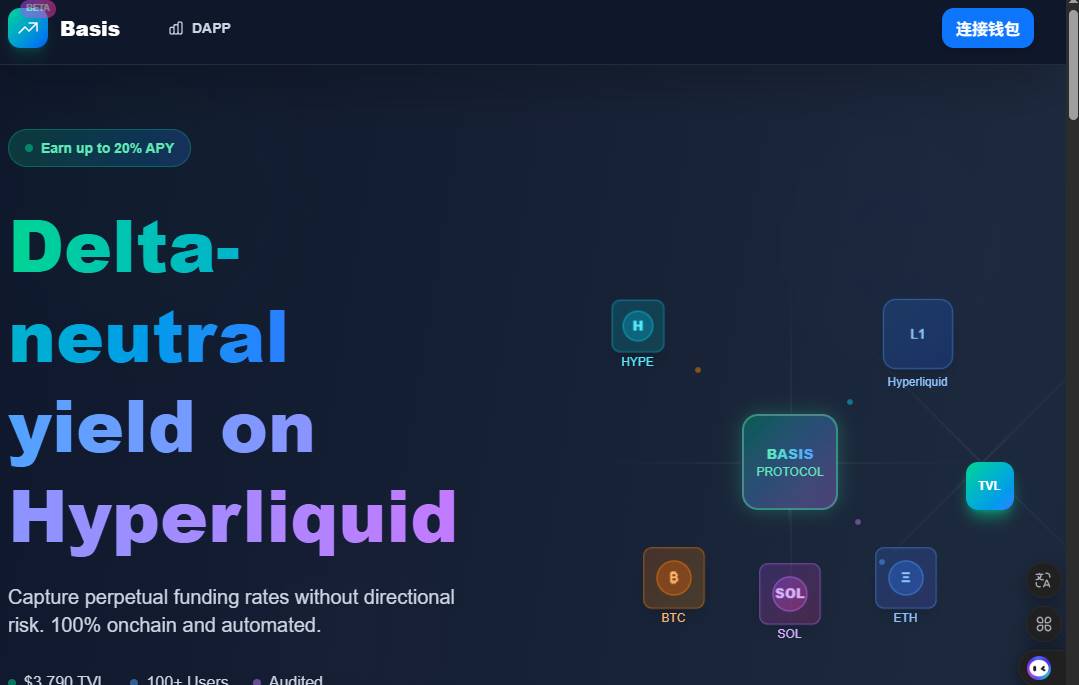
第八名:BASIS X

项目定位@BasisFi,delta中性基差交易的链上资金池。

团队具有量化交易背景,对基差交易策略有深入理解。

BASIS X通过同时持有现货和永续合约的相反头寸,获得相对稳定的基差收益。用户可以将资金存入池子,享受delta中性策略带来的稳定回报。

项目实现了完全链上的基差交易策略,透明度高,用户可以实时查看策略表现。
Hyperliquid

当前状态:已上线测试版本,当前TVL为$3,790,是少数几个已经有实际资金管理的项目。

数据表现:虽然TVL还较小,但已经开始实际运营,展现了从概念到产品的完整实现能力。

值得关注的原因:delta中性策略是机构投资者青睐的策略,市场需求稳定且可预期。


第九名:HyperSonia

项目定位:AI交易教练,提供个性化交易指导。

团队信息相对较少,但从产品功能可以看出对AI技术和交易教育有一定理解。

HyperSonia结合语义搜索和预测警报功能,为用户提供个性化的交易建议和市场洞察。系统能够分析用户的交易历史,提供针对性的改进建议。

当前状态:目前处于原型阶段,没有独立的网站或产品界面。

值得关注的原因:交易教育是一个巨大的市场,AI驱动的个性化指导有望改变传统的学习方式。


第十名:AlgoGene

项目定位:基因算法驱动的交易策略生成器。

项目信息较少,大致是使用遗传算法自动生成和优化交易策略,通过模拟进化过程不断改进策略参数,寻找最优的交易模型。

理论上,将生物学的进化概念应用到交易策略优化中,能够发现人工难以设计的复杂策略组合。

当前状态:处于早期开发阶段,主要完成了算法框架的设计。


其他特别奖项目

Spread,RedStone特别奖

项目定位:NBBO(最佳买卖价)路由器,为用户寻找最优交易价格。

Spread在多个DEX之间比较价格,自动为用户路由到最佳价格执行交易,减少滑点和交易成本。

当前状态:已有MVP版本,获得RedStone合作伙伴奖项。


HyperPlug,deBridge赛道第一名

项目定位:多链钱包交互组件,简化跨链操作。

为开发者提供易于集成的跨链交互组件,降低DApp开发的技术门槛。

当前状态:已有可用的开发者工具包。


Hyper Metal(原型阶段)

项目定位:DeFi风险检测器,通过链上模拟发现潜在漏洞。

在真实环境中模拟各种攻击场景,帮助协议发现安全隐患。当前处于概念验证阶段,专注于安全工具开发。

由于时间所限,以上项目目前公布的信息并不完整,部分项目没有社媒账号和产品界面,可能存在信息偏差或错误。

对 Hyperliquid 黑客松和项目进展有更多了解需求,可以关注 Hyperliquid Hackathon 官方的社媒账号,以获得更多的后续信息。

Lecturas Relacionadas

Data Theft at Will! Major Vulnerability Exposed in This Popular AI Programming Tool

A critical vulnerability in Anthropic's Claude Code AI programming tool allowed attackers to bypass its network sandbox for over five months, enabling potential data exfiltration. Independent researcher Aonan Guan discovered a second complete bypass exploiting a null-byte injection in the SOCKS5 proxy. This flaw, present since the sandbox's launch in October 2025, let processes inside the sandbox access any host, contrary to user-configured domain whitelists. The attack chain involved manipulating hostnames (e.g., `attacker.com\x00.google.com`). JavaScript's `endsWith()` check would pass `.google.com`, while the underlying C `getaddrinfo()` function would only parse `attacker.com` due to the null byte, creating a parser discrepancy. Combined with a previously disclosed prompt injection method, this could leak API keys, credentials, and internal data. Anthropic silently fixed the issue in April 2026 without a security advisory, CVE, or user notification. The researcher noted that Claude Code itself confirmed the vulnerability's severity when tested. This incident highlights broader industry issues, as similar vulnerabilities found in Google's Gemini CLI and GitHub's Copilot Agent also lacked public disclosures. The report criticizes the false sense of security created by a broken sandbox and emphasizes the need for defense-in-depth and transparency in AI tool security.

marsbitHace 1 hora(s)

Data Theft at Will! Major Vulnerability Exposed in This Popular AI Programming Tool

marsbitHace 1 hora(s)

Under the squeeze between giants Tether and Circle, how can foreign exchange stablecoins break through?

In the face of dominance by Tether (USDT) and Circle (USDC), new entrants in the stablecoin space face significant challenges competing directly, especially in the foreign exchange (FX) market. A more viable and efficient path forward is the adoption of synthetic foreign exchange (Forex) built atop existing USD stablecoin rails. The rise of stablecoin neo-banks represents the next major growth area for mass crypto adoption, with FX becoming a core component. However, replicating the vast liquidity, distribution channels, and network effects of USDT/USDC is extremely difficult for new FX stablecoin issuers. The total market cap of all FX stablecoins is a fraction (roughly 1/700th) of USD stablecoins, leading to issues like poor liquidity, peg instability, limited acceptance, and complex compliance hurdles. Instead of issuing spot FX stablecoins, the article advocates for a model inspired by traditional finance's non-deliverable forwards (NDFs). Users would continue to hold underlying USDT/USDC, while their account balances are displayed and economically settled in their preferred local currency through MtM (Mark-to-Market) NDF structures. This approach leverages the deep liquidity and infrastructure of USD stablecoins while providing synthetic forex exposure. Key advantages include strong peg stability via oracles, retained access to USD stablecoin yields and liquidity, high capital efficiency, and easy scalability to new currencies. Primary use cases for this on-chain NDF forex include: 1. Neo-banks, custodians, and wallets offering multi-currency accounts to attract international users and increase deposits. 2. Forex carry trade strategies, potentially offering more stable and scalable yields compared to crypto-native products like Ethena. 3. Global corporate payments, allowing businesses to receive payments in local currencies while hedging forex risk on-chain, similar to services offered by Stripe in traditional finance. This synthetic forex model presents a pragmatic solution to overcome the network effects of incumbents and unlock the next wave of stablecoin utility for global consumers and businesses.

marsbitHace 2 hora(s)

Under the squeeze between giants Tether and Circle, how can foreign exchange stablecoins break through?

marsbitHace 2 hora(s)

$2 Billion Write-Off: Manus Plans Hong Kong IPO for a Comeback?

The $2 billion acquisition of Chinese AI startup Manus by Meta was officially blocked by Chinese regulators in April 2026, citing national security concerns under foreign investment review rules. Despite the deal being completed months prior, with Manus integrated into Meta, the unprecedented "prohibited" ruling forced a reversal. In response, Manus's founders are now negotiating a $1 billion funding round to buy back the company from Meta at a valuation matching the original $2 billion, followed by plans to establish a Chinese joint venture and pursue a Hong Kong IPO. The article details Manus's rapid rise to $100 million in annual recurring revenue within eight months, leading to Meta's swift acquisition. However, regulators deemed its core technology and data too strategically linked to China, regardless of its Singapore headquarters. The forced unwind is complex, as Manus's team and tech are deeply embedded within Meta. Facing a reshaped competitive landscape in China's AI Agent sector with rivals like Zhipu and MiniMax, Manus sees an IPO as essential for survival and future funding. Hong Kong is presented as the ideal venue, given its recent boom in AI listings, investor appetite for high-growth tech firms, and favorable mechanisms for ongoing capital raises. The move symbolizes Manus's shift from dependence on a foreign giant to seeking independent, market-driven growth.

marsbitHace 2 hora(s)

$2 Billion Write-Off: Manus Plans Hong Kong IPO for a Comeback?

marsbitHace 2 hora(s)

Trading

Spot
Futuros
活动图片