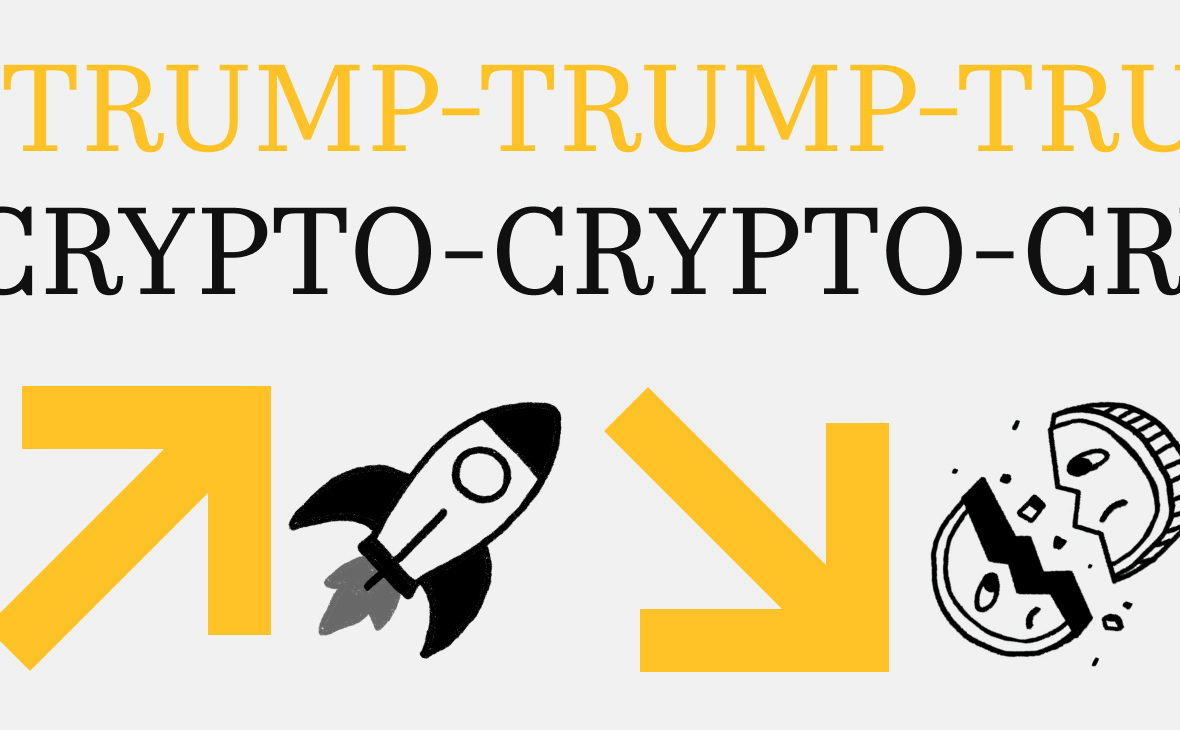
Хедж-фонд Elliott предсказал «хаос» на крипторынке из-за политики Трампа

RBK-cryptoPublicado a 2025-01-31Actualizado a 2025-01-31

Поддержка новой администрацией США криптовалют способствует раздуванию криптовалютного пузыря, считают в Elliott Management

Принятие администрацией Дональда Трампа криптовалют способствует разжиганию спекулятивной мании, которая может привести к обвалу цен и «хаосу», говорится в письме инвесторам хедж-фонда Elliott. В компании отметили, что никогда не видели рынка, настолько охваченного «спекулятивным безумием инвесторов».

«Неизбежный крах криптовалютного пузыря может привести к катастрофическим последствиям, которых мы пока не можем предвидеть», — цитирует доклад Financial Times.

Elliott Management — основанный в 1977 году хедж-фонд с активами под управлением почти на $70 млрд. В письме инвесторам компания раскритиковала энтузиазм правительства США в отношении активов, которые резко выросли в цене, но «не имеют ценности», а также политиков, которые поддерживают криптовалюты, которые могут стать конкурентами доллару США.

Телеграм-канал «РБК-Крипто» — подпишитесь и будьте в курсе самых главных и актуальных новостей о криптовалюте.

Присоединяйтесь к форуму «РБК-Крипто» в Telegram для обсуждения новостей и тенденций криптомира.

В Elliott называют криптовалюту «точкой отсчета» для спекулятивного всплеска на рынках отчасти из-за «предполагаемой близости к Белому дому». Криптокомпании пожертвовали на предвыборную кампанию республиканцев миллионы долларов, а после инаугурации Трамп подписал указ о регулировании крипторынка и рассмотрении вопроса создания криптовалютного резерва.

В указе Трампа сделан акцент на «продвижении и защиту независимости доллара США, в том числе посредством содействия развитию и росту законных и легитимных стейблкоинов, обеспеченных долларом, по всему миру». В Elliott отмечают, что доллар обладает «огромным преимуществом» как мировая резервная валюта, и задают вопрос, почему правительство США поощряет использование альтернатив в то время, когда другие страны уже пытаются отказаться от доллара.

Сам Трамп и его семья принимают все больше участия в криптовалютных проектах. В 2024 году сыновьями Трампа был создан DeFi-проект World Libery Finance, в январе этого года были выпущены официтальные мемкоины президента США и его супруги — TRUMP и MELANIA. На этой неделе стало известно, что медиагруппа Трампа создает финансовое подразделение Truth.Fi и выделяет до $250 млн на инвестиции, в том числе в биткоин.

В Bitwise ранее допустили, что инициативы Трампа способны привести к изменению четырехлетнего цикла движения курсов криптовалют, бычий рынок биткоина может продлиться дольше. В какой-то момент рынок может перегреться и столкнуться с резкой коррекцией, но в компании ожидают, что будущие спады будут «более короткими и менее глубокими» по сравнению с предыдущими циклами.

В ноябре 2022 года в Elliott предупредили инвесторов, что мировая экономика находится на пути к гиперинфляции и, возможно, приближается к худшему финансовому кризису со времен Второй мировой войны

Мемкоин Musk It взлетел на 1500% после интервью отца Маска. Что это было

Банки США смогут хранить криптовалюту. Почему это важно

Лагард исключила возможность включать биткоин в резервы центробанками ЕС

«РБК-Крипто» запустил мониторинг криптовалютных обменников. Выбирайте надежный обменный сервис с выгодным курсом на yourcryptoex.ru или в удобном телеграм-боте.


Lecturas Relacionadas

You Use Claude and Codex Every Day, but Meta Has Restricted Internal Use

In May, Meta imposed internal restrictions on its engineers regarding the use of Claude Code and Codex, two widely used AI programming tools. Despite being a major client, Meta's guidelines, still in effect, prohibit these external models from being used for specific tasks to prevent potential "escalations with partners." The core concern is "distillation"—the risk that outputs from Claude or Codex could inadvertently contaminate the training data and evaluation processes for Meta's in-house AI coding assistant, MetaCode. If MetaCode is trained or evaluated using data generated by these external models, it risks learning their capabilities rather than developing its own, blurring the line of intellectual origin. The restrictions are precise: engineers cannot use the external models to generate test questions, debug source code, or suggest test cases. AI-generated content is also barred from environments accessible to MetaCode. However, AI can still assist with peripheral tasks like workflow setup and code organization, provided all outputs are manually reviewed. This caution reflects a broader industry dilemma. While distillation is a common technique, using a competitor's model output for training raises legal and ethical questions about the ownership of derived capabilities. Contractual terms from companies like OpenAI and Anthropic explicitly forbid using their outputs to build competing products, putting enforcement power in the hands of rivals. The move is also financially motivated, as Meta seeks to reduce its hefty internal AI spending, estimated in the billions this year. Meta's policy illustrates the delicate balance companies must strike: leveraging powerful external AI tools while safeguarding the integrity and independence of their own AI development. As AI systems increasingly help build other AIs, distinguishing the origin of capabilities becomes a fundamental challenge for the entire industry.

marsbitHace 58 min(s)

You Use Claude and Codex Every Day, but Meta Has Restricted Internal Use

marsbitHace 58 min(s)

Why Do We Need an AI Content Perspective Today?

The article "Why Do We Need an AI Content Perspective Today?" explores the complex and often contentious integration of AI into the cultural and creative industries, particularly film and television. It begins with the cancellation of Amazon's AI-generated animation "Punky Duck," highlighting the ethical debates surrounding AI content. AI's rapid advancement is transforming video production, enabling cost-effective, full-length AI films (e.g., "RAPHAEL," "Dreams of Violets") while sparking industry resistance over issues like "synthetic actors." The core debate has shifted from whether to use AI to how to use it responsibly. The article analyzes why AI's entry into film is uniquely unsettling. It distinguishes between "cultural fast food" (short-form, fast-paced content like micro-dramas) and "cultural main courses" (traditional, long-form film/TV). AI currently excels at the former, matching its fragmented narratives, shallow emotional needs, and free-to-consumer models. However, venturing into the latter challenges the human-centric essence of storytelling—creativity, emotional depth, and the unique value of human labor and experience. While AI can generate massive volumes of content and lower costs, it risks devaluing human creativity, leading to homogenized output, and creating unfair competition through potential intellectual property infringement. Its efficiency also amplifies content safety risks, making preemptive governance crucial. To counter these risks, the article proposes establishing clear boundaries guided by a human-centered AI content perspective. It outlines four principles: 1) Amplify, rather than displace, human creative space; 2) Respect and protect human creative output; 3) Ensure human creative control and responsibility remain paramount; and 4) Guarantee transparency and traceability in AI creation. The conclusion emphasizes that humans must act as the "helmsmen" of technology, steering AI development to enhance, not replace, the core human values at the heart of cultural expression.

marsbitHace 1 hora(s)

Why Do We Need an AI Content Perspective Today?

marsbitHace 1 hora(s)

Planck Retracted? The Father of Quantum Tripped by an Algorithm

The recent discovery that two articles (published in 1940 and 1942) by Max Planck, the Nobel laureate and founder of quantum theory, are marked as "retracted" on Springer's digital platform highlights a curious clash between historical publishing practices and modern automated systems. An investigation suggests these retractions are algorithmic errors, not due to fraud or misconduct. The papers, philosophical reflections on science published in *Die Naturwissenschaften*, were likely flagged by the platform's systems. One article, a republished lecture, may have been mistaken for duplicate publication. Another, sharing a title with a prior article by a different author (a common practice for continuing debates at the time), may have triggered a similar automated check. The digital versions have even been replaced with blank pages, contrary to normal practice of preserving retracted texts. This incident underscores how contemporary digital infrastructure, built around concepts like "self-plagiarism" and strict copyright, can misclassify and obscure legitimate historical scholarly communication. It serves as a warning that digital archives are not neutral mirrors of the past but are filtered by platform rules, potentially distorting the scientific record. As AI systems increasingly rely on such databases, such erroneous metadata could propagate, affecting how future tools interpret and access historical knowledge.

marsbitHace 1 hora(s)

Planck Retracted? The Father of Quantum Tripped by an Algorithm

marsbitHace 1 hora(s)

Trading

Spot
活动图片