U.S. Bans Crypto Addresses Tied to LockBit Ransomware Group From Financial System

CoinDeskPolicyPublicado a 2024-02-19Actualizado a 2024-02-21

Resumen

LockBit hit more than 2,000 different victims, who forked out north of $120 million in payments, according to a DOJ press release.

  • The Office of Foreign Asset Control named two Russian nationals and identified 10 bitcoin and ether addresses after an international operation gained control of the organization's website.
  • Law enforcement agencies said they will distribute decryption keys to victims.

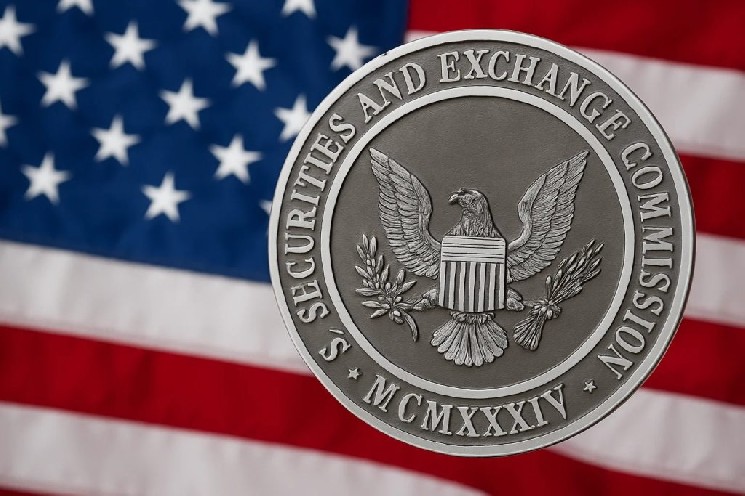
The U.S. Treasury Department's sanctions watchdog added nearly a dozen bitcoin and ether addresses to its global blacklist, alleging they were used by ransomware purveyors.

The Office of Foreign Asset Control (OFAC) named Artur Sungatov and Ivan Kondratyev, two Russian nationals indicted on charges tied to the deployment of ransomware, and identified 10 bitcoin and ether addresses (none of which containing any funds as of press time), in a statement on Tuesday, banning U.S. entities from providing any kind of financial services to the two. According to OFAC and the U.S. Department of Justice, they are part of the LockBit ransomware group, one of the world's most prolific ransomware distributors accused of stealing more than $120 million from over 2,000 victims in the past few years.

Ransomware attacks let malicious actors lock victims out of their computers and networks unless they pay a fee, often in cryptocurrency.

Advertisement
Advertisement

An international effort by the DOJ, Europol, the U.K. National Crime Agency and agencies in several other countries seized LockBit's website and various pages earlier this week in an effort dubbed Operation Cronos. The law enforcement agencies announced they would be distributing decryption keys to victims, allowing them to regain access to their devices.

According to a press release from Europol, more than 200 cryptocurrency accounts tied to LockBit have been frozen, while authorities in the U.S., U.K. and EU have all seized various parts of the ransomware group's infrastructure.

Some of the addresses listed by OFAC on Tuesday were deposit addresses for KuCoin, Coinspaid and Binance, according to data from Arkham Intelligence.

LockBit's victims included municipal entities and private companies around the world.

"The LockBit ransomware variant, like other major ransomware variants, operates in the 'ransomware-as-a-service' (RaaS) model, in which administrators, also called developers, design the ransomware, recruit other members — called affiliates — to deploy it, and maintain an online software dashboard called a 'control panel' to provide the affiliates with the tools necessary to deploy LockBit," the DOJ press release said.


Edited by Sheldon Reback.

Lecturas Relacionadas

TechFlow Intelligence Bureau: Anthropic IPO Odds Exceed 80%, Iran Closes Strait of Hormuz Again, Triggering Oil Price Volatility

**Market Digest** **AI & Tech:** Anthropic is widely expected to announce an IPO before November 2026, raising questions about balancing its trillion-dollar valuation ambitions with its core "AI safety" mission. Brands are increasingly adopting AI-generated virtual influencers for marketing. Cloudflare introduced temporary accounts for AI agents to ease automation workflows. **Infrastructure & Hardware:** Google's IPv6 traffic surpassed 50%, marking a major internet milestone. Goldman Sachs warned that massive projected AI capital expenditure ($5.3T) is approaching credit saturation limits, potentially curbing the "AI arms race." **Space & Robotics:** SpaceX's IPO saw a historic $370M retail buying frenzy in three days. Hyundai Motor Group plans to acquire full ownership of Boston Dynamics. Elon Musk speculated about future "septillion-dollar" investments in antimatter for interstellar travel. **Energy & Geopolitics:** Iran's military announced another closure of the strategic Strait of Hormuz, accusing Israel of violating a ceasefire, causing oil market volatility. However, ship-tracking data indicated some traffic continued. Concurrently, Iran resumed crude loadings at Kharg Island, potentially releasing up to 20 million barrels to the market. **Finance & Macro:** A European CLO (collateralized loan obligation) experienced its first post-2008-crisis-era equity tranche default, raising alarms in credit markets. Nomura warned that new Federal Reserve Chair Wash's perceived hawkish debut speech could signal a significant policy shift. **The Undercurrent:** Seemingly disparate events—the Strait of Hormuz tension, the European CLO default, and warnings on AI spending—point to a tightening of global liquidity and rising marginal costs across energy, credit, and tech investment. Meanwhile, capital continues chasing grand narratives like space exploration and advanced AI, highlighting a divergence where old-world leverage frays as new-world stories grow more ambitious.

marsbitHace 4 hora(s)

TechFlow Intelligence Bureau: Anthropic IPO Odds Exceed 80%, Iran Closes Strait of Hormuz Again, Triggering Oil Price Volatility

marsbitHace 4 hora(s)

Trading

Spot
Futuros
活动图片