Coinbase Partners with Fannie Mae to Make Crypto Assets a Real 'Down Payment' for Home Purchases

marsbitPublicado a 2026-03-27Actualizado a 2026-03-27

Resumen

Coinbase has partnered with Better Home & Finance to launch a bitcoin-backed mortgage program supported by Fannie Mae, integrating digital assets into the traditional housing finance system. The product allows eligible borrowers to use Bitcoin or USDC as collateral for down payments without selling their holdings, avoiding potential capital gains taxes while maintaining market exposure. The mortgage is structured as a compliant loan product with standards aligned to traditional Fannie Mae-backed loans. Better originates and services the loans, while Coinbase provides custody and infrastructure support for the crypto assets. The initiative aims to address the barrier of upfront down payment funds, particularly for the 41% of U.S. households that lack sufficient liquid assets despite holding other forms of wealth. Unlike traditional crypto-backed loans, this product minimizes volatility risk for borrowers—no margin calls or additional collateral are required due to price fluctuations. Collateral is only at risk if the borrower is at least 60 days delinquent on mortgage payments. Interest rates are expected to be 0.5 to 1.5 percentage points higher than standard 30-year mortgages. The product reflects shifting wealth patterns, especially among younger Americans—45% of young investors hold crypto, compared to 18% of older adults. It also introduces features like yield generation on USDC holdings to offset mortgage costs. Future plans may include expanding eligible collateral ...

Original Author: Micah Zimmerman

Original Compilation: AididiaoJP, Foresight News

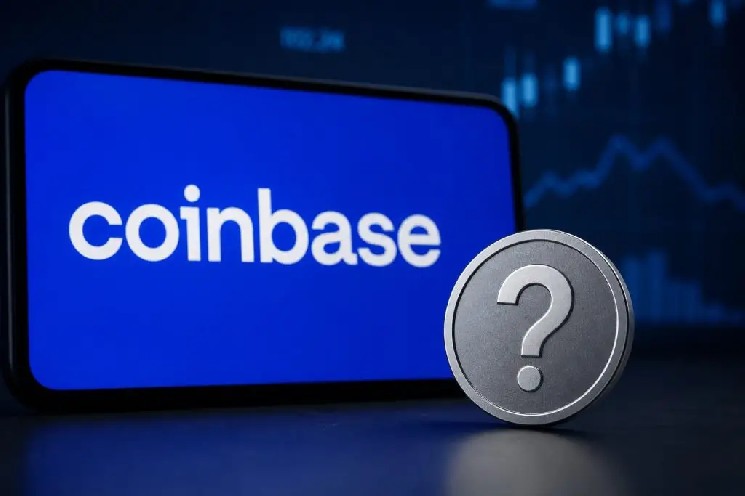
Coinbase is collaborating with Better Home & Finance to launch a Bitcoin-backed mortgage supported by Fannie Mae.

This partnership marks the gradual integration of digital assets into the traditional housing finance system. Coinbase and Better Home & Finance have jointly introduced a crypto mortgage backed by Fannie Mae, opening new pathways for the application of digital assets in the housing finance sector.

This innovative product allows eligible borrowers to use Bitcoin or USDC as collateral for down payments without selling their digital assets. This approach avoids potential capital gains taxes while enabling borrowers to maintain market exposure to their assets.

The mortgage is designed as a compliant loan product, with standards and protective mechanisms consistent with traditional Fannie Mae-backed loans. Better handles loan origination and servicing, while Coinbase provides custody and related infrastructure support for the mortgaged Bitcoin and other crypto assets.

This product aims to address a long-standing obstacle in the housing market: the upfront funds required for down payments.

According to Better's data, approximately 41% of American families are unable to purchase a home due to insufficient liquid funds, despite holding other forms of wealth.

Better CEO Vishal Garg stated: "For decades, the path to homeownership for Americans has been limited to selling assets, liquidating investments, or tapping into retirement savings. This collaboration will provide a new pathway for millions of Americans who hold digital assets."

According to the companies' press release, an estimated 52 million Americans have held digital assets, representing about 20% of the adult population.

This product allows borrowers to use crypto assets as collateral instead of cash, aiming to leverage their balance sheets to facilitate home purchases.

Bitcoin-Backed Mortgages

Unlike traditional crypto-backed loans, this product is designed to minimize volatility risks for borrowers. The loans do not require margin calls or additional collateral. Even if Bitcoin prices fall, borrowers won't need to add extra collateral, and mere market fluctuations won't trigger asset liquidation.

Collateral is only at risk of being liquidated if the borrower is at least 60 days delinquent on mortgage payments. This arrangement aligns with standard foreclosure processes in traditional housing finance.

Mortgages using crypto-backed structures are expected to have interest rates about 0.5 to 1.5 percentage points higher than standard 30-year mortgages, depending on the borrower. Coinbase believes this cost difference may be worthwhile for borrowers seeking to avoid liquidating assets.

Max Branzburg, Head of Consumer and Business Products at Coinbase, said: "Transforming digital wealth into home purchasing power is a milestone development. Token-backed mortgages are our first step in opening pathways to homeownership for the younger generation."

This product reflects changing wealth-holding patterns, particularly among younger Americans. Coinbase data shows that 45% of young investors hold crypto assets, compared to just 18% among older demographics, indicating that digital assets are becoming a primary store of value for the new generation.

Meanwhile, housing affordability continues to deteriorate. Home price increases have outpaced income growth, leaving many potential buyers in an "asset-rich, cash-poor" predicament. Token-backed mortgages attempt to bridge this gap by treating crypto assets as usable collateral rather than speculative investments.

Better has previously explored alternative collateral models. In 2023, the company allowed some Amazon employees to use their stock holdings as down payment collateral. Company executives stated that incorporating Bitcoin and crypto assets would significantly expand loan demand. Garg estimated that if the company had launched such a product earlier, it might have avoided up to $40 billion in lost loan origination.

The product structure also introduces new features unique to digital assets. Borrowers mortgaging USDC can continue earning yields from their holdings, which can help offset some mortgage costs. Additionally, Coinbase's custody model allows users to mortgage only specific portions of their portfolio without locking up all assets.

The companies stated that they plan to gradually expand the types of eligible collateral, potentially including tokenized stocks, fixed-income products, and real estate assets.

Although crypto-backed mortgages have existed in limited wealth management channels, Fannie Mae's involvement signals a move toward broader adoption. As a government-sponsored enterprise, Fannie Mae sets standards for a significant portion of the U.S. mortgage market.

By combining Bitcoin collateral with compliant loan structures, the collaboration between Coinbase and Better positions digital assets as part of mainstream financial infrastructure rather than a separate, parallel system.

Coinbase describes this product as "as American as apple pie," calling it an evolution of housing financing rather than a departure from traditional models.

Criptos en tendencia

Preguntas relacionadas

QWhat is the new mortgage product launched by Coinbase and Better Home & Finance, and which major institution backs it?

ACoinbase and Better Home & Finance have launched a crypto mortgage product that is backed by Fannie Mae. This product allows eligible borrowers to use Bitcoin or USDC as collateral for a down payment on a home.

QWhat is a key financial advantage for borrowers who use this new crypto mortgage instead of selling their digital assets?

AA key advantage is that borrowers can avoid triggering potential capital gains taxes that would be incurred from selling their digital assets. They also get to maintain their market exposure to those assets.

QHow does this product protect borrowers from the volatility of cryptocurrency prices?

AThe loan is designed to minimize volatility risk. There are no margin calls or requests for additional collateral if the price of Bitcoin drops. The collateral is only at risk of being liquidated if the borrower is at least 60 days delinquent on their mortgage payments.

QAccording to the article, what percentage of young investors hold crypto assets, and how does this compare to older generations?

AAccording to Coinbase data cited in the article, 45% of young investors hold crypto assets, compared to only 18% of older generations.

QWhat future expansion plans do the companies have for the types of collateral accepted by this mortgage product?

AThe companies plan to gradually expand the types of eligible collateral in the future, potentially including tokenized stocks, fixed-income products, and real estate assets.

Lecturas Relacionadas

Sin equipo de ventas y con ingresos de 20 millones de dólares, ¿cómo conquistó Viktor, el empleado de IA, a 30.000 empresas?

El asistente de IA Viktor, creado por un equipo con experiencia en DeepMind, ha logrado ingresos anuales de 20 millones de dólares sirviendo a 30,000 empresas, sin un equipo de ventas. Funciona como un "compañero de trabajo de IA de Nivel 3" que ejecuta tareas de principio a fin directamente en herramientas como Slack o Microsoft Teams mediante simples menciones (@). Permite a los usuarios realizar solicitudes en lenguaje natural, eliminando la necesidad de conocimientos en ingeniería de prompts. Su modelo de crecimiento impulsado por el producto (PLG) y facturación basada en créditos o consumo de tareas, en lugar de por usuario, facilita la adopción. Ofrece 100 dólares en créditos gratuitos para demostrar su valor rápidamente, como en procesos automatizados de conciliación nocturna o creación de presentaciones PPT. Viktor se integra con más de 3,200 aplicaciones y puede activarse automáticamente según horarios o eventos. También posee memoria organizacional, aprendiendo de correcciones para mejorar su ejecución. Al expandirse a Microsoft Teams, Viktor enfrenta nuevos desafíos de cumplimiento normativo y seguridad en grandes organizaciones. Su enfoque de ejecución autónoma, aunque eficiente, introduce riesgos de "caja negra" y posibles errores operativos. El éxito a gran escala dependerá de encontrar un equilibrio entre la automatización total, la gestión de riesgos y la construcción de confianza mediante un marco sólido de gobernanza, permisos y auditoría.

marsbitHace 2 hora(s)

Sin equipo de ventas y con ingresos de 20 millones de dólares, ¿cómo conquistó Viktor, el empleado de IA, a 30.000 empresas?

marsbitHace 2 hora(s)

Entrevista a los cofundadores de CoreWeave, acción relacionada con Nvidia: La demanda de IA parece 'intensificarse' cada día

CoreWeave, líder en neocloud, analiza la evolución de la demanda de IA con sus ejecutivos Brannin McBee y Nick Robbins. La necesidad de capacidad de computación para IA no se está enfriando, sino que se intensifica cada día, impulsada por las aplicaciones de agentes inteligentes, inferencia y IA empresarial. La entrevista destaca un cambio estructural: el cuello de botella ya no son solo las GPU, sino problemas de infraestructura más complejos como la disponibilidad de centros de datos con energía ("powered shells"), CPU, almacenamiento, cadena de suministro y costos. CoreWeave, que sirve a clientes como OpenAI, Anthropic y grandes tecnológicas, observa un aumento relativo en la necesidad de CPU (como las futuras Vera de Nvidia) y almacenamiento junto a las GPU, lo que ha llevado a rediseñar sus centros de datos. La competencia en infraestructura de IA ya no se centra solo en adquirir chips, sino en la capacidad de ejecución: desplegar rápida y eficientemente sistemas complejos. CoreWeave atribuye su éxito a su historial de ejecución, su rendimiento superior y su plataforma madura para llevar la IA a producción. Actualmente, la principal limitación es la disponibilidad de instalaciones de centros de datos listas, aunque la escasez y el costo de componentes como la memoria HBM son factores gestionados mediante contratos que trasladan los costos a los clientes. Se espera que el despliegue masivo de la próxima generación de servidores, como Vera Rubin, gane fuerza a lo largo de 2027.

marsbitHace 2 hora(s)

Entrevista a los cofundadores de CoreWeave, acción relacionada con Nvidia: La demanda de IA parece 'intensificarse' cada día

marsbitHace 2 hora(s)

Trading

Spot
Futuros

Artículos destacados

Cómo comprar HOME

¡Bienvenido a HTX.com! Hemos hecho que comprar Defi.app (HOME) sea simple y conveniente. Sigue nuestra guía paso a paso para iniciar tu viaje de criptos.Paso 1: crea tu cuenta HTXUtiliza tu correo electrónico o número de teléfono para registrarte y obtener una cuenta gratuita en HTX. Experimenta un proceso de registro sin complicaciones y desbloquea todas las funciones.Obtener mi cuentaPaso 2: ve a Comprar cripto y elige tu método de pagoTarjeta de crédito/débito: usa tu Visa o Mastercard para comprar Defi.app (HOME) al instante.Saldo: utiliza fondos del saldo de tu cuenta HTX para tradear sin problemas.Terceros: hemos agregado métodos de pago populares como Google Pay y Apple Pay para mejorar la comodidad.P2P: tradear directamente con otros usuarios en HTX.Over-the-Counter (OTC): ofrecemos servicios personalizados y tipos de cambio competitivos para los traders.Paso 3: guarda tu Defi.app (HOME)Después de comprar tu Defi.app (HOME), guárdalo en tu cuenta HTX. Alternativamente, puedes enviarlo a otro lugar mediante transferencia blockchain o utilizarlo para tradear otras criptomonedas.Paso 4: tradear Defi.app (HOME)Tradear fácilmente con Defi.app (HOME) en HTX's mercado spot. Simplemente accede a tu cuenta, selecciona tu par de trading, ejecuta tus trades y monitorea en tiempo real. Ofrecemos una experiencia fácil de usar tanto para principiantes como para traders experimentados.

441 Vistas totalesPublicado en 2025.06.10Actualizado en 2026.06.10

Cómo comprar HOME

Discusiones

Bienvenido a la comunidad de HTX. Aquí puedes mantenerte informado sobre los últimos desarrollos de la plataforma y acceder a análisis profesionales del mercado. A continuación se presentan las opiniones de los usuarios sobre el precio de HOME (HOME).

活动图片