Crypto Market Structure Bill: Democrat Senators Push For Bipartisan Authorship

bitcoinistPublicado a 2025-09-21Actualizado a 2025-09-21

Resumen

After the Senate Banking Committee advanced the GOP-led legislation on the crypto market structure, a growing number of Democratic senators...

Trusted Editorial content, reviewed by leading industry experts and seasoned editors. Ad Disclosure

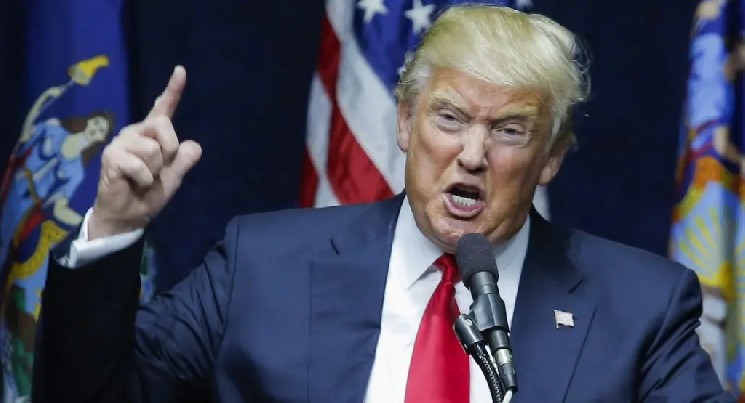
After the Senate Banking Committee advanced the GOP-led legislation on the crypto market structure, a growing number of Democratic senators have stepped forward to demand the chance to actively contribute to one of the most potentially important digital asset regulations. This development comes as the crypto regulatory framework remains center stage in the US Congress, following President Donald Trump’s adoption of a crypto-friendly administrative stance.

Crypto Structure Bill Gathers Traction

Notably, the present crypto market structure bill is led by Republican senators, including Senate Banking Chair Tim Scott (R-S.C.), along with Cynthia Lummis (R-Wyo.), Bill Hagerty (R-Tenn.), and Bernie Moreno (R-Ohio). The updated discussion draft of the “Responsible Financial Innovation Act of 2025” was released in early September, introducing some key changes that sparked public interest. ‘

One of these changes is the proposal of a joint regulatory committee involving the Securities and Exchange Commission (SEC) and the Commodity Futures Trading Commission (CFTC), as well as 14 non-government members from across the industry, academia, user base, and the National Institute of Science and Technology.

However, on September 9, popular crypto critic and Democrat Senator Elizabeth Warren (D-MA) shared heavy criticism of the GOP-led bill, citing a lack of sufficient consultation with Democrats or disclosure of industry feedback. She argues that partisanship and lack of transparency threaten both the integrity and effectiveness of the legislation. Following this development, the Democrats have since released their own version of the cryptocurrency regulatory framework, backing their call for bipartisan authorship.

The Demand For Shared Authorship

In a statement released on September 19, this group of 12 Democratic senators reaffirmed their desire to be more than bystanders in the crypto structure bill. Senators Ruben Gallego (D-AZ), Mark Warner (D-VA), Kirsten Gillibrand (D-NY), Cory Booker (D-NJ), Catherine Cortez Masto (D-NV), Ben Ray Luján (D-NM), John Hickenlooper (D-CO), Raphael Warnock (D-GA), Adam Schiff (D-CA), Andy Kim (D-NJ), Lisa Blunt Rochester (D-DE), and Angela Alsobrooks (D-MD) together called for a bipartisan authorship process matching the norm for legislation of this scale.

The statement read:

Last week, we released a framework on market structure legislation, highlighting our desire to work on this issue. As we stated then, digital assets are a $4 trillion global market that will require a considered and bipartisan approach to regulation.

We hope our Republican colleagues will agree to a bipartisan authorship process, as is the norm for legislation of this scale. Given our shared interest in moving forward quickly on this issue, we hope they will agree to reasonable requests to allow for true collaboration.

The Democratic proposed framework centers around seven key pillars, including clarifying regulatory jurisdiction, integrating digital-asset issuers and trading platforms into oversight, combating illicit finance and corruption, promoting fair regulation, and closing gaps in how non-security digital assets are regulated.

At press time, the total crypto market cap remains valued at $4.03 trillion following a 0.34% gain in the past day.

Crypto
Total crypto market valued at $3.99 trillion on the daily chart | Source: TOTAL chart on Tradingview.com
Featured image from Flickr, chart from Tradingview
Editorial Process for bitcoinist is centered on delivering thoroughly researched, accurate, and unbiased content. We uphold strict sourcing standards, and each page undergoes diligent review by our team of top technology experts and seasoned editors. This process ensures the integrity, relevance, and value of our content for our readers.

Semilore Faleti works as a crypto-journalist at Bitconist, providing the latest updates on blockchain developments, crypto regulations, and the DeFi ecosystem. He is a strong crypto enthusiast passionate about covering the growing footprint of blockchain technology in the financial world.

Lecturas Relacionadas

Grupos católicos y de seguridad advierten que la Ley CLARITY podría debilitar las salvaguardias contra el delito con criptomonedas

Una coalición de líderes católicos, grupos vinculados a la aplicación de la ley y defensores contra la trata de personas advierte que la Ley CLARITY podría debilitar las salvaguardias utilizadas para combatir los delitos habilitados por las criptomonedas. Las críticas se centran en disposiciones que protegerían a los desarrolladores de software no custodio de ser tratados como transmisores de dinero. Este debate aborda una de las cuestiones más difíciles en la regulación de las criptomonedas: cómo distinguir el software neutral de la intermediación financiera. Los defensores de las criptomonedas argumentan que los desarrolladores que publican código no custodio no deben ser regulados como exchanges o procesadores de pagos. Los críticos temen que exenciones amplias puedan dificultar el rastreo de las finanzas ilícitas. El software no custodio es central para las finanzas descentralizadas (DeFi). La Ley CLARITY busca crear reglas más claras de estructura de mercado, pero la oposición muestra que no todas las batallas políticas tratan sobre la protección del inversor. Algunos legisladores también considerarán el impacto en la trata de personas, la evasión de sanciones y la visibilidad para la aplicación de la ley. La resistencia no significa que el proyecto de ley esté muerto, pero podría llevar a enmiendas, salvaguardias más estrictas o requisitos de información adicionales. Para las empresas de criptomonedas, las consecuencias son altas: reglas más claras podrían desbloquear inversiones, pero si el proyecto se enmarca como un debilitamiento de las salvaguardias contra el crimen, su camino político será más difícil.

bitcoinistHace 3 hora(s)

Grupos católicos y de seguridad advierten que la Ley CLARITY podría debilitar las salvaguardias contra el delito con criptomonedas

bitcoinistHace 3 hora(s)

La crónica del fraude grave que envuelve al unicornio cripto Blockstream

A lo largo de 2024, Blockstream, la empresa de cripto del pionero de Bitcoin Adam Back, se ha visto envuelta en varias controversias. Una investigación de NatInfoSec lanzó graves acusaciones sobre su producto de notas mineras, Blockstream Mining Note (BMN). Los principales señalamientos incluyen: una discrepancia entre el poder de cómputo mostrado (15 EH/s) y el necesario para cumplir con las obligaciones de los BMN (20-45 EH/s); una falta de evidencia verificable pública sobre las operaciones mineras a esa escala; rendimientos anuales fijos inusualmente altos, cercanos al 20%; y el descubrimiento de que Christopher William Cook, figura clave de la operación minera de Blockstream a través de Exacore, tiene antecedentes penales por fraude postal, información no revelada a los inversores. Aunque BitMEX Research y otros como Samson Mow han cuestionado algunos puntos por falta de pruebas o por implicar incorrectamente a BSTR, la compañía de tesorería de Bitcoin asociada a Back, las preguntas centrales sobre los BMN persisten. La comunidad y los analistas exigen mayor transparencia y capacidad de verificación sobre: el tamaño real y los límites de responsabilidad de los BMN; la fuente de los altos rendimientos prometidos; la procedencia verificable de los BTC pagados a los inversores; y el papel exacto de Cook. Hasta ahora, Blockstream no ha emitido una respuesta oficial integral a estas acusaciones.

marsbitHace 7 hora(s)

La crónica del fraude grave que envuelve al unicornio cripto Blockstream

marsbitHace 7 hora(s)

Trading

Spot
Futuros
活动图片