Grayscale Rolls Out First Multi-Token Crypto ETF In The US

bitcoinistPublicado a 2025-09-20Actualizado a 2025-09-20

Resumen

Digital asset investment platform Grayscale, is making significant headlines in the cryptocurrency space with the launch of the first multi-token...

Trusted Editorial content, reviewed by leading industry experts and seasoned editors. Ad Disclosure

Digital asset investment platform Grayscale, is making significant headlines in the cryptocurrency space with the launch of the first multi-token exchange-traded fund (ETF) available in the United States. 

The Grayscale CoinDesk Crypto 5 ETF, which begins trading on the New York Stock Exchange (NYSE) under the ticker “GDLC,” combines the five largest and most liquid digital assets: Bitcoin (BTC), Ethereum (ETH), XRP, Solana (SOL), and Cardano (ADA). 

Grayscale CEO Declares New Era Of Crypto Index Investing

Peter Mintzberg, CEO of Grayscale, emphasized the nature of this new launch, suggesting it heralds a new era of crypto index investing. 

In an interview with CNBC, he stated, “We are typically in the first mover position. Grayscale will continue innovating at scale for investors to access the fastest growing asset class of the last 10 years.” 

The increasing demand for diversified exposure to cryptocurrencies is evident among both institutional and retail investors amid rising prices. 

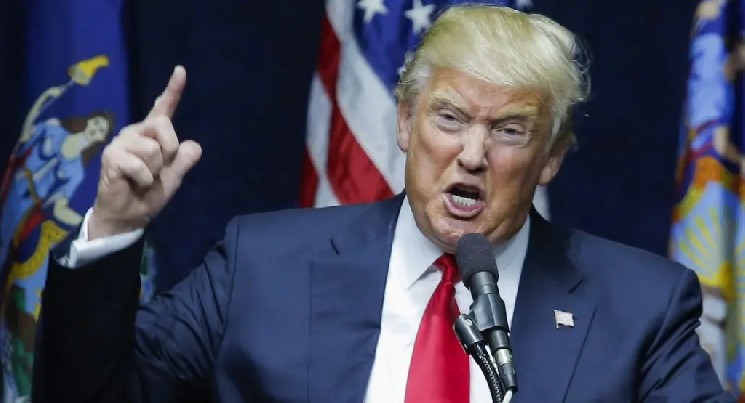
The movement towards mainstream acceptance of digital assets has gained momentum, particularly under the Trump administration, which facilitated the inclusion of cryptocurrencies in retirement plans and a new regulatory framework. 

The GDLC fund allocates approximately 70% of its assets to Bitcoin and 20% to Ether, and it has been trading in various forms since 2018, most recently in over-the-counter markets.

In 2025, Grayscale’s GDLC has already achieved major growth, surging over 40% as many cryptocurrencies reach record highs. Notably, the fund has outperformed Bitcoin by nearly 11% since June, thanks to the strong performance of its other constituent assets.

Analyst Predicts Over 100 New Crypto ETFs

Experts are optimistic that this new standard will streamline the process for launching similar products, potentially ushering in a wave of cryptocurrency exchange-traded funds

Eric Balchunas, a Senior ETF Analyst at Bloomberg, noted on social media that the last time a generic listing standard was implemented for ETFs, the number of launches tripled. He predicts a surge of over 100 crypto ETFs could enter the market in the coming year.

Supporters of this initiative argue that it could position digital assets on equal footing with traditional financial products, a goal that past SEC commissions have been hesitant to embrace. 

Greg Xethalis, General Counsel at MultiCoin Capital, commented on the SEC’s previous regulatory stance, noting that prior commissions often used regulatory frameworks as a means of imposing merit regulations on well-established product structures, despite the novelty of the underlying assets. 

He remarked, “As shown by the Bitcoin ETP launch, the market wants this product option, and this latest move both heeds that call and is a welcome return to normal course at the Commission.”

In addition to the GDLC launch, the SEC is reportedly on the verge of approving Bitwise’s BITW, an index fund that tracks the top ten cryptocurrencies by weighted market capitalization. 

Next month, the SEC is also expected to consider a series of individual spot crypto ETPs, including those focused on Ethereum staking, Litecoin (LTC), Solana, XRP, and Dogecoin (DOGE).

Grayscale
The daily chart shows BTC’s price consolidation. Source: BTCUSDT on TradingView.com

Featured image from DALL-E, chart from TradingView.com 

Editorial Process for bitcoinist is centered on delivering thoroughly researched, accurate, and unbiased content. We uphold strict sourcing standards, and each page undergoes diligent review by our team of top technology experts and seasoned editors. This process ensures the integrity, relevance, and value of our content for our readers.

Ronaldo is a seasoned crypto enthusiast with over four years of experience in the field. He is passionate about exploring the vast and dynamic world of decentralized finance (DeFi) and its practical applications for achieving economic sovereignty. Ronaldo is constantly seeking to expand his knowledge and expertise in the DeFi space, as he believes it holds tremendous potential for transforming the traditional financial landscape.

Lecturas Relacionadas

Te sorprenderá lo diferentes que son WeChat y Telegram a nivel de arquitectura

La audiencia mensual de WeChat/Weixin alcanzó los 1.428 mil millones, según el informe financiero del segundo trimestre de 2026 de Tencent. Este análisis contrasta su arquitectura con la de Telegram, destacando sus enfoques opuestos. **Almacenamiento de mensajes:** Telegram sincroniza conversaciones ilimitadas en la nube entre dispositivos. WeChat almacena los chats localmente; transferirlos requiere una migración manual vía código QR, y la versión de escritorio depende del móvil. **Comentarios en canales:** En Telegram, los comentarios en canales están integrados bajo cada publicación. En WeChat, los comentarios en artículos de cuentas oficiales pasan por moderación previa y no hay un sistema unificado de debates. **Desarrollo:** Telegram ofrece una Bot API abierta y gratuita. Las mini-aplicaciones de WeChat operan en una plataforma cerrada, requiriendo verificación, certificación paga y licencia comercial, con un mayor umbral de entrada para desarrolladores. **Límites de archivos:** Telegram permite subir hasta 2 GB (4 GB para Premium). WeChat limita la mayoría de archivos a 200 MB, utilizando herramientas auxiliares para volúmenes mayores. **Pagos:** WeChat Pay está profundamente integrado en la vida diaria china, siendo un método de pago omnipresente. Telegram carece de un sistema de pago fiát integrado a gran escala, centrándose más en bots de terceros y criptomonedas. En resumen, WeChat representa un modelo cerrado e integrado en la economía real, mientras que Telegram se basa en protocolos abiertos, almacenamiento flexible y pocas barreras para desarrolladores. Esta elección arquitectónica define sus audiencias y casos de uso.

cryptonews.ruHace 2 hora(s)

Te sorprenderá lo diferentes que son WeChat y Telegram a nivel de arquitectura

cryptonews.ruHace 2 hora(s)

Desbloqueo de tokens de esta semana: Humanidad Protocol desbloquea tokens equivalentes al 7.9% de la oferta circulante

**Resumen de tokens desbloqueados esta semana** Esta semana, varios proyectos de criptomonedas procederán a liberar (unlock) una cantidad significativa de sus tokens, lo que podría influir en el precio debido al aumento de la oferta circulante. **Humanity Protocol (H)** * **Descripción:** Red blockchain anti-sibila que ofrece mecanismos de verificación de identidad humana y otorga a los usuarios propiedad total sobre sus datos e identidad. * **Desbloqueo:** 270 millones de tokens (aproximadamente el 7.9% de la oferta circulante). * **Valor:** Alrededor de 19.88 millones de dólares. **SoSoValue (SOSO)** * **Descripción:** Plataforma de investigación de inversiones impulsada por IA que combina la eficiencia de las finanzas centralizadas (CeFi) con la transparencia de las finanzas descentralizadas (DeFi). * **Desbloqueo:** 23.45 millones de tokens. * **Valor:** Aproximadamente 7.27 millones de dólares. **Collector (COLT)** * **Descripción:** Plataforma que busca transformar el mercado de coleccionables vinculando la propiedad física con un mercado digital basado en Web3, permitiendo la tokenización, comercio y préstamos respaldados por activos coleccionables. * **Desbloqueo:** 28.86 millones de tokens. * **Valor:** Alrededor de 5.57 millones de dólares. Cada proyecto incluye en el artículo original un gráfico detallado con la curva de liberación de tokens a lo largo del tiempo.

marsbitHace 3 hora(s)

Desbloqueo de tokens de esta semana: Humanidad Protocol desbloquea tokens equivalentes al 7.9% de la oferta circulante

marsbitHace 3 hora(s)

Trading

Spot
活动图片