Terra Founder Do Kwon allegedly voted on his own proposal using one of his secret wallets

cryptoslatePublicado a 2022-06-14Actualizado a 2022-06-14

Resumen

Another investigation has been launched into allegations that the CEO of Terraform Labs manipulated the voting on some proposals by using a secret wallet.

Do Kwon, the founder, and CEO of Terraform Labs, has faced multiple allegations of foul play regarding the collapse of the Terra (LUNC) cryptocurrency and TerraUSD (USTC) stablecoin. Allegations have ranged from siphoning $8 million monthly to withdrawing $2.7 billion from the Terra ecosystem via DegenBox.

Now the Terraform Labs CEO has been accused of vote-rigging by a Twitter whistleblower. According to the pseudonymous whistleblower FatMan, Do Kwon broke Terraform Labs rules by using one of his secret wallets to vote on the firm’s proposal for Terra Station.

FatMan’s made these claims via his Twitter account, saying:

“Caught. The ‘mystery’ wallet with a 20M LUNA airdrop that was voting on Do’s own proposal, delegating to North Star, insider trading ASTRO, etc. – it is officially confirmed that it belongs to Do Kwon himself.”

The tweet also includes a screenshot of a past Twitter thread where FatMan tried to find the true identity of the “mystery wallet” that voted “Yes” to Do Kwon’s proposal with 5% of the voting power and funded by 20 million LUNA tokens.

Do Kwon responded by saying he would draw the line at “doxxing wallets” and urging the whistleblower to “stay above the witchhunt”.

FatMan tried to inquire about the relationship between the wallet and Terraform Labs to which Do Kwon responded by saying that the wallet belonged to the “Token purchase agreement holder with TFL [Terraform Labs]”, and then declining to comment any further.

This tweet is part of a three-tweet thread that outlines the allegations with links to the Columbus-5 proposal and Do Kwons alleged secret wallet.

FatMan went on to say that Do Kwon used the same secret wallet to send in a proposal titled “Columbus-5 Mainnet Upgrade Proposal and Recommendations” in the month of August 2021.

FatMan shared one of the proposals referred to as Col-5 Agora to provide further evidence that Do Kwon used the wallet to vote on specific proposals. In this particular proposal, the wallet was used to vote multiple times to ensure that the proposal was successful.

As FatMan pointed out, the wallet in question is Kwon’s second choice wallet for casting votes on proposals.

FatMan finished off the thread by pointing out that Terraform Labs claimed they wouldn’t vote on proposals or take advantage of inside information. The whistleblower also went on to claim that the company only wants to “extract more money out of the community”:

“They told you TFL doesn’t vote. They told you TFL didn’t get the drop. But you’ll notice that every tiny thing they do is to extract more money out of the ‘community’ through wordplay and manipulation. He doesn’t care about you. You are an instrument to him and always were.”

Terraform Labs and its founder Do Kwon has come under increasing scrutiny since the LUNA/UST scandal. In May, the Luna 2.0 airdrop was unevenly distributed amongst original LUNA holders, as well as money laundering allegations and an investigation by authorities in South Korea.

Lecturas Relacionadas

94.000 millones de yuanes, la mayor financiación de este año para robots humanoides ha aparecido

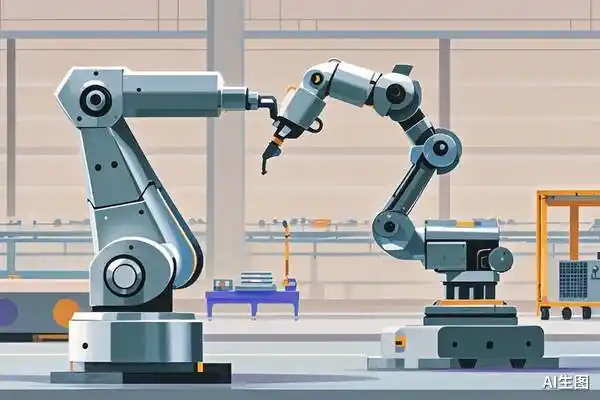
La empresa de robótica humana Neura, con sede en Múnich, ha completado una ronda de financiación Serie C de 14.000 millones de dólares (unos 94.900 millones de RMB), lo que supone la mayor inversión del año en este sector. Tras la operación, su valoración alcanza los 70.000 millones de dólares. La relevancia de esta ronda radica en la participación de inversores industriales como Schaeffler y Bosch, lo que señala un cambio estratégico: el foco pasa de la demostración tecnológica a la implementación práctica en fábricas. Neura, fundada por el experto en robótica industrial Armin Zeher, ha priorizado desde el inicio la aplicabilidad en entornos de producción real, contando ya con BMW como cliente. Otros inversores como NVIDIA, Amazon y Qualcomm aportan perspectivas complementarias en infraestructura de computación, logística y tecnología. El sector de la robótica humana está experimentando una afluencia masiva de capital, impulsada por dos factores clave: los avances en modelos de IA de gran escala, que mejoran la percepción y la toma de decisiones de los robots, y la creciente presión por la escasez y el encarecimiento de la mano de obra en la manufactura global. Actualmente, las empresas siguen dos caminos principales: los robots humanoides de propósito general (como Figure AI), con un horizonte comercial a más largo plazo, y los enfocados en escenarios industriales verticales y específicos (como Neura), que ofrecen una ruta de comercialización más rápida y definida. El campo de batalla real para estos robots ya no es el laboratorio, sino el suelo de la fábrica. Los escenarios de manufactura industrial, por su entorno estructurado y tareas repetitivas, se consideran los primeros en permitir una adopción a escala. Los entornos de trabajo peligrosos también tienen un gran potencial. Sin embargo, los principales retos para la adopción masiva ya no son puramente técnicos, sino de ingeniería y modelo comercial. Destacan los elevados costes de adaptación a cada línea de producción específica y la necesidad de desarrollar sistemas de mantenimiento y servicio locales robustos para garantizar la operación continua. La entrada de gigantes industriales históricos como inversores y la presencia inicial de robots en fábricas como las de BMW marcan un punto de inflexión: la confianza del sector se consolida y la pregunta central evoluciona de "si es posible" a "cómo hacerlo mejor, más rápido y de forma más estable".

marsbitHace 2 hora(s)

94.000 millones de yuanes, la mayor financiación de este año para robots humanoides ha aparecido

marsbitHace 2 hora(s)

Trading

Spot
Futuros
活动图片