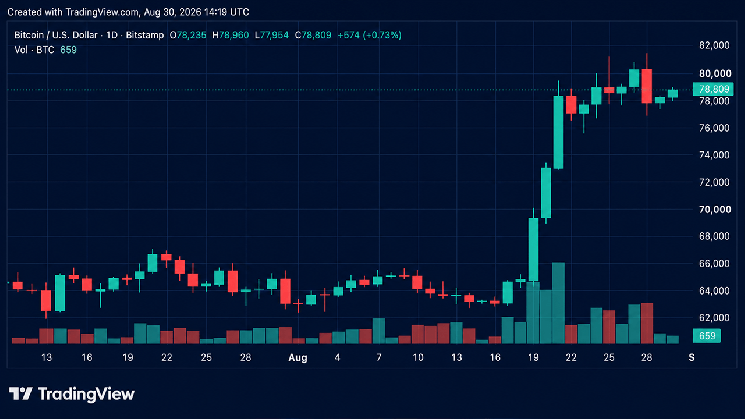
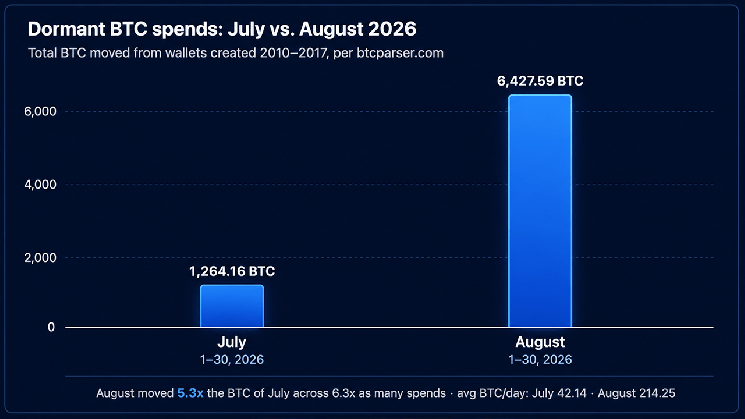
According to the assessment of LD Capital founder Yi Lihua, a cryptocurrency bull market could start in the near future. He sees blockchain finance and tokenized stocks as the main source of new opportunities.
What Constitutes a Cryptocurrency Bull Market
A cryptocurrency bull market is a period when the prices of key assets do not rise for just one day, but form a sustained upward trend. It is typically accompanied by capital inflows, increased liquidity, strong demand for Bitcoin, Ethereum, and other major assets, as well as a resurgence of interest in new market sectors.
A bull market in cryptocurrencies does not start with a single sharp price spike, but with a sustained trend supported by capital, liquidity, and trust in infrastructure.
A bear market, conversely, is associated with prolonged price declines, investor caution, and a drop in interest in risky assets. In Yi Lihua's assessment, the market is more likely approaching a new bull cycle than already being in a fully confirmed growth phase: he speaks of an imminent start, not a completed reversal.
How to Verify if the Trend is Truly Bullish
It is better to assess the market phase based on several signs simultaneously: the dynamics of Bitcoin and Ethereum, trading volume, capital inflows, liquidity conditions, growth in market capitalization, and interest in infrastructure projects. If only one asset is rising while the rest of the market remains weak, such a signal may be premature.
Short-term intraday pullbacks do not by themselves negate a bullish scenario. Declines can be influenced by profit-taking, weak liquidity, sudden news from the US, changes in investor expectations, and movements of the US dollar as the base measure of value. Therefore, it's more important to look not at a single day, but at whether the overall upward trend is being maintained.
The duration of a bull market is not predetermined. It is influenced by macroeconomic conditions, inflows of new capital, trust in infrastructure, the development of blockchain finance, and the ability of projects to create real technological value, not just speculative noise.
How to Prepare for a Bull Market Without Losing Control of Risk
Preparation for a bull market begins with a clear strategy: determine asset allocations in the portfolio in advance, entry and exit points, acceptable risk levels, and the conditions under which positions will be reduced. In Yi Lihua's logic, areas that deserve special attention are those involving not only price growth but also practical application: blockchain finance, tokenized stocks, and market infrastructure.
It's better to prepare for a bull market before the frenzy: define the strategy, risk limits, and exit rules, rather than making decisions at the peak of emotions.
The main risks of a bull market are overheating, inflated expectations, chasing quick trades, weak liquidity of individual assets, and dependence on the news backdrop. The stronger the market rises, the more important it is not to confuse long-term opportunities with short-term speculation.
The Industry Needs to Return to Innovation
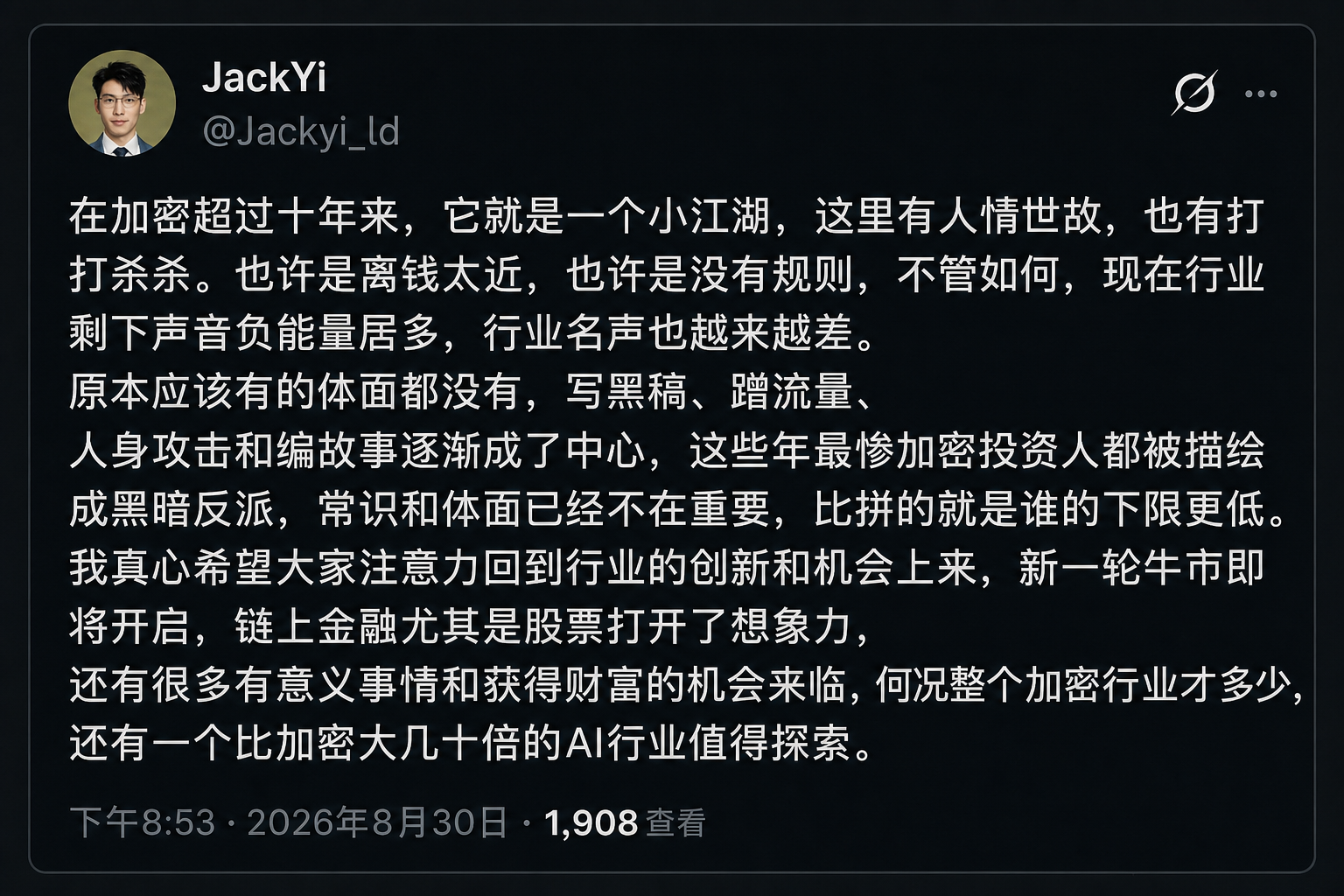
Yi Lihua pointed out that over more than a decade, the crypto industry has built its own closed ecosystem. However, recently, the focus of participants has increasingly shifted not towards products and technologies, but towards conflicts, publishing compromising material, fighting for attention, personal attacks, and creating speculative narratives.
In his opinion, such an agenda harms the reputation of the entire field. Cryptocurrency developed through new ideas, infrastructure, and capital, so it is important for the industry to once again place innovation, not the noise around individual players, at the center.
A new bull market will begin soon.
Why Tokenized Stocks are Important for the Next Cycle
Yi Lihua pays special attention to blockchain finance. He believes that tokenized stocks can open new horizons for the market: many practical tasks lie ahead, and along with them, opportunities for capital formation.
In this context, investment becomes not just a bet on price growth. A tokenized stock can be considered as an asset (in which case accounting gains a new layer of digital record-keeping), and its valuation depends on liquidity, trust in infrastructure, and how the market capitalization of related projects changes.
The Broad Market Context
The return of interest in blockchain finance is important not only for Bitcoin and Ethereum. Market sentiment affects various segments, including derivative platforms like Hyperliquid, and calculations are still often conducted through the US dollar as the base measure of value.
Yi Lihua also points to artificial intelligence as a significantly larger-scale direction that deserves separate study. Against the backdrop of news from the United States of America, where statements by the US President can quickly change investor expectations, it is especially important for the crypto market to maintain focus on real technological value and long-term opportunities.
end-content