Whale moves $16M into altcoins – Are DeFi tokens near a bottom?

ambcryptoPublished on 2026-03-24Last updated on 2026-03-24

Abstract

A whale withdrew $16.06 million from Binance on March 24, 2026, to acquire a basket of DeFi-related altcoins, signaling potential early positioning amid a prolonged market downturn. The purchases included $4.07M in ENA, $3.64M in AAVE, $2.37M in AVAX, $2.13M in UNI, $2.05M in ONDO, and $1.81M in PENDLE. Most of these tokens remain more than 80% below their 2025 highs, but some show tentative signs of stabilization or minor bullish momentum. While one whale’s action doesn’t confirm a market-wide reversal, it suggests strategic accumulation at perceived lows. If these assets hold their current structure and begin to recover, it could indicate an early rotation into DeFi tokens.

Altcoins are under pressure, but whales are beginning to circle back in.

Most tokens remain far below their 2025 highs, while many holders have endured four years of pain with almost nothing to show for it. However, this wallet did not chase strength. It targeted battered DeFi-linked names near the floor. So, what exactly did it buy?

Whale pulls $16M in altcoins from Binance

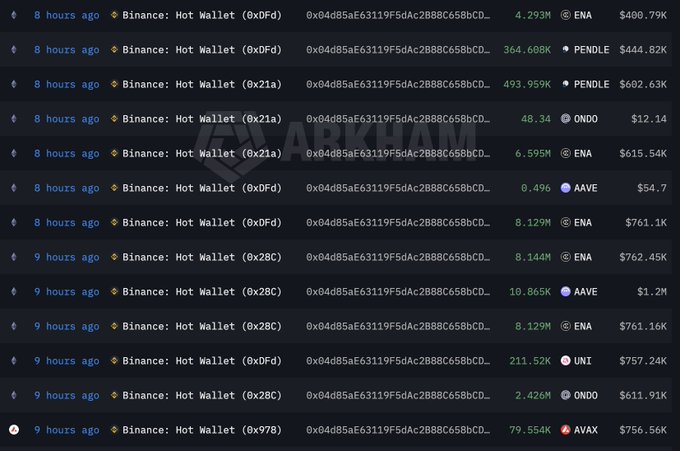
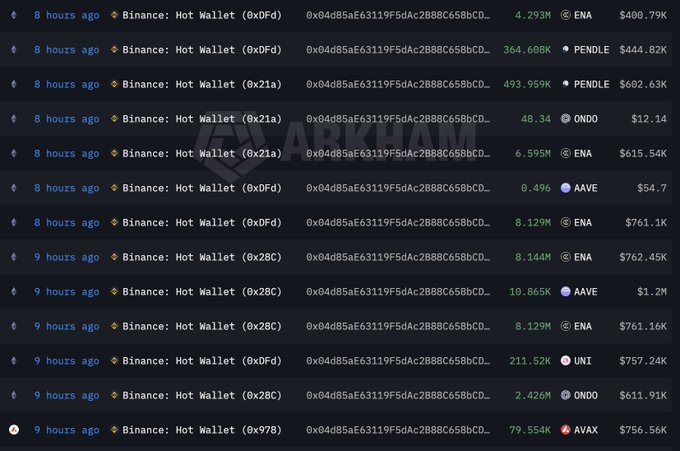
On the 24th of March 2026, whale 0x04d8 pulled $16.06 million from Binance.
Source: Lookonchain

The wallet loaded 43.49 million ENA valued at $4.07 million, 32,872 AAVE worth $3.64 million, 249,741 AVAX worth $2.37 million, 595,886 UNI worth $2.13 million, 8.07 million ONDO worth $2.05 million, and 1.49 million PENDLE valued at $1.81 million.

Was that random? No. The wallet leaned hard into DeFi-linked names. Therefore, this looked less like blind gambling and more like early positioning. Someone stepped into weakness while most of the market kept staring at broken charts and broken confidence.

Big bet lands on DeFi-linked names

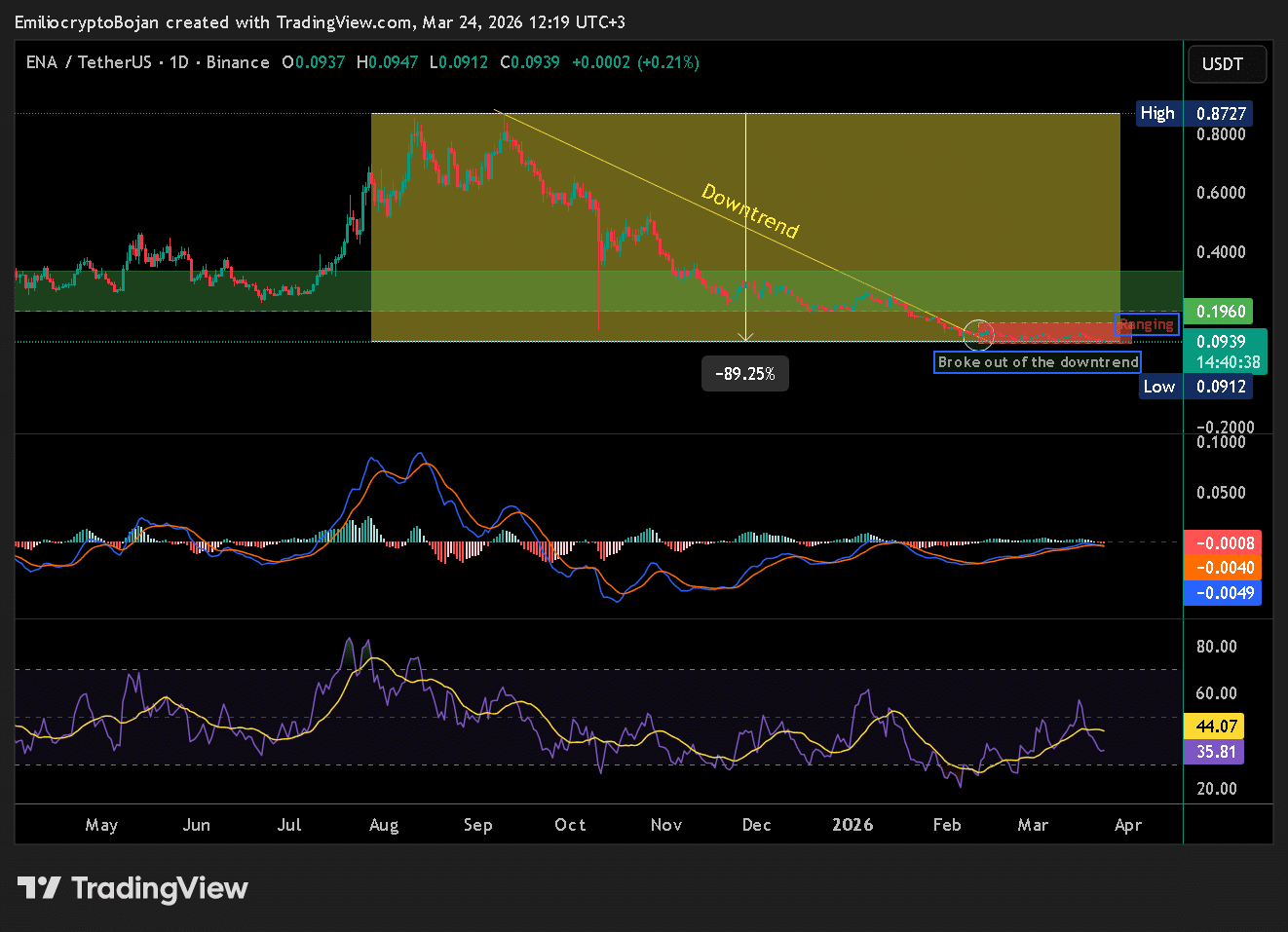
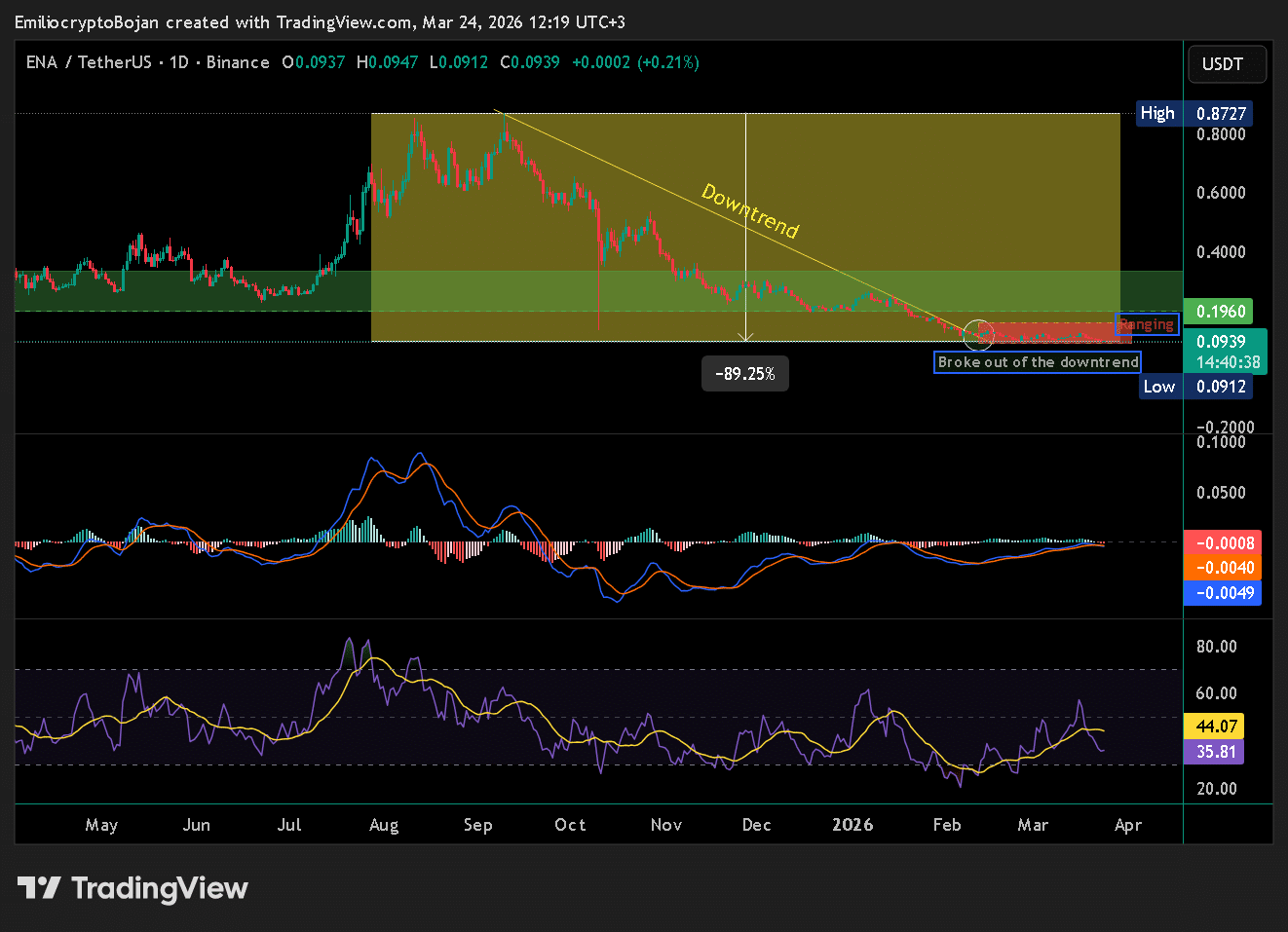
At press time, Ethena [ENA] had broken out of its downtrend after an 89% collapse from its 2025 high near $0.8727, then started ranging sideways near the lows.
Source: TradingView

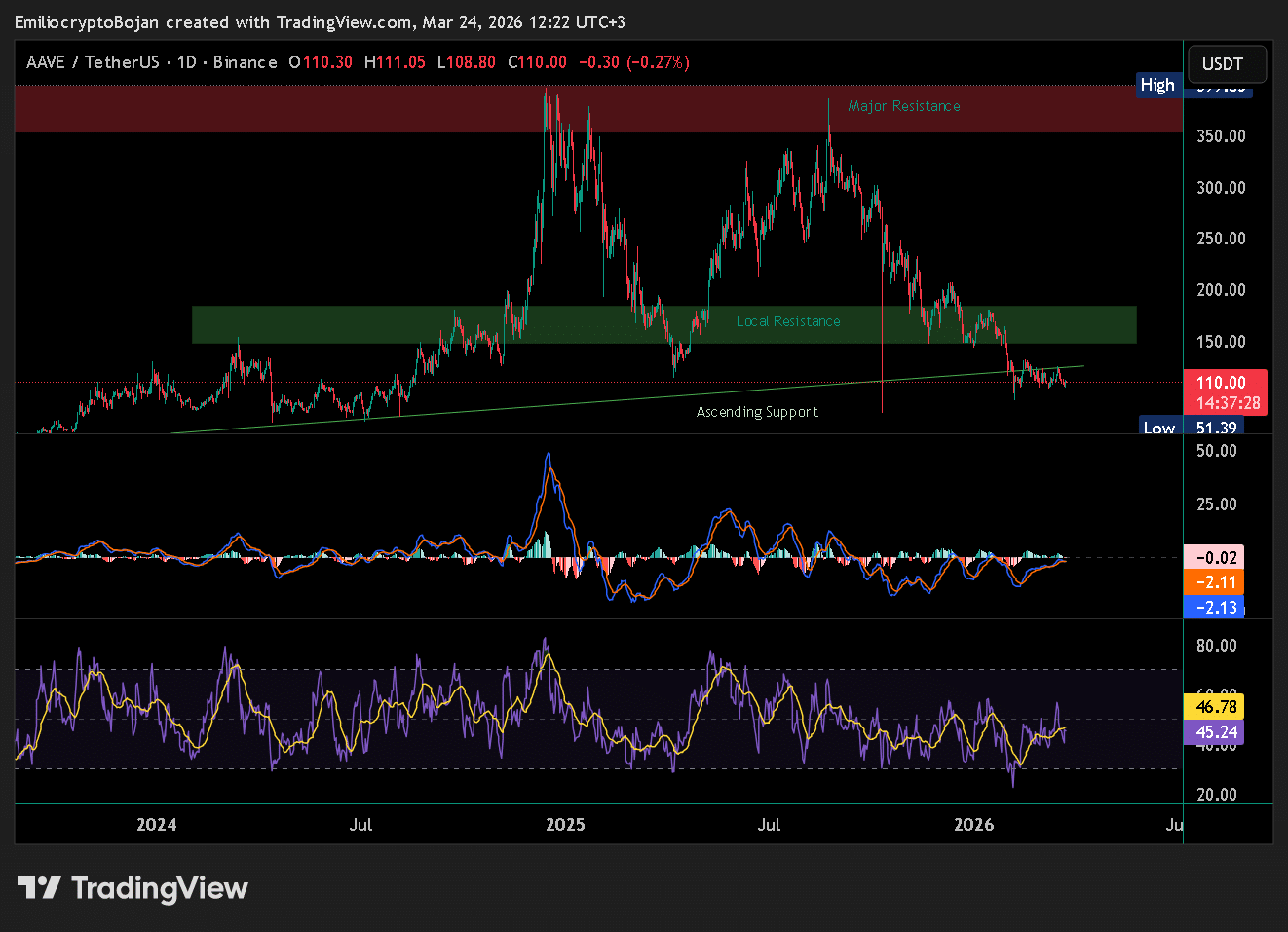
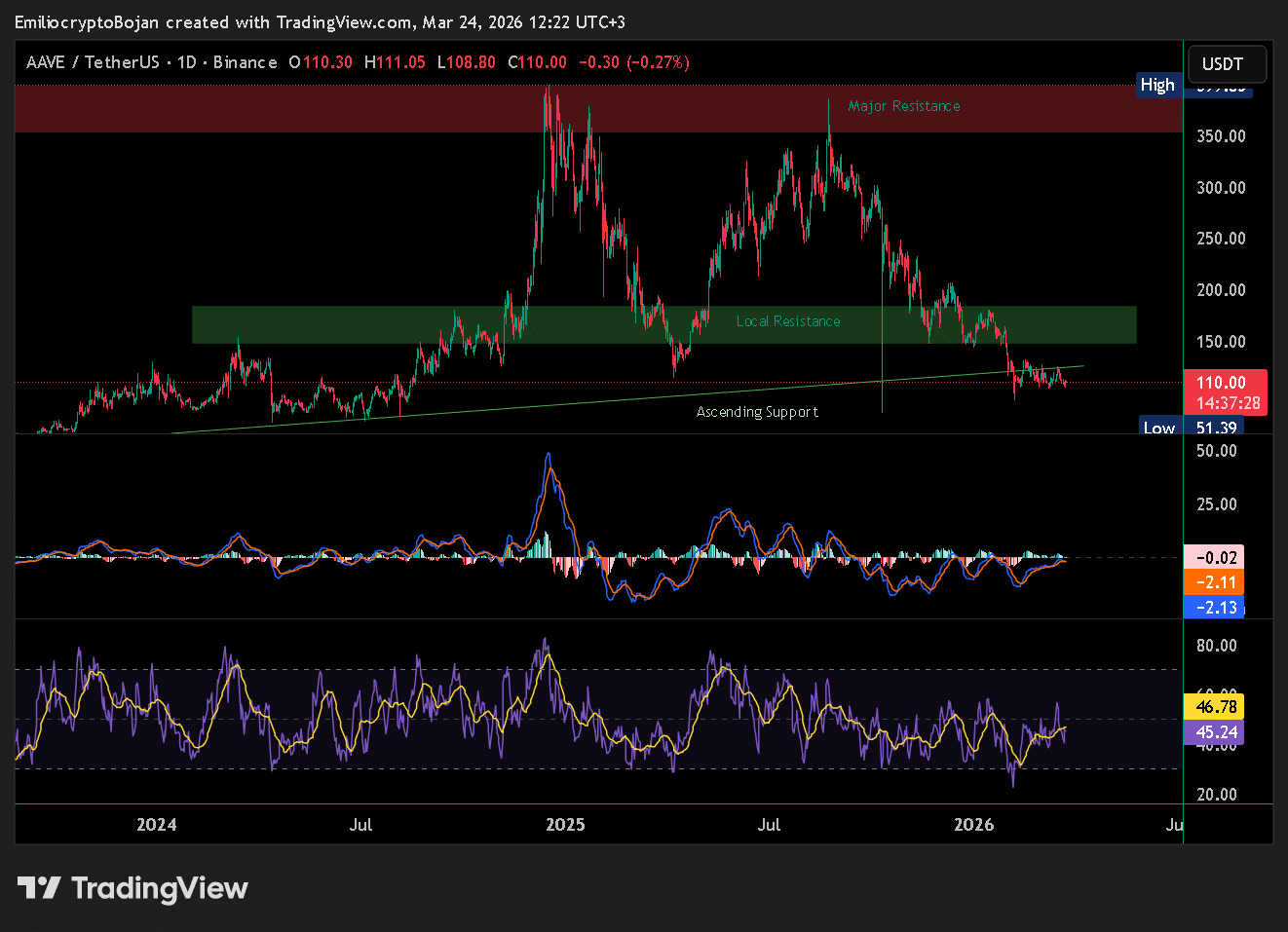
Aave [AAVE] showed signs of weakness. After peaking near 399 in 2024 and 387 later, it completed a double top, dropped hard, and even lost ascending support around 123.
Source: TradingView

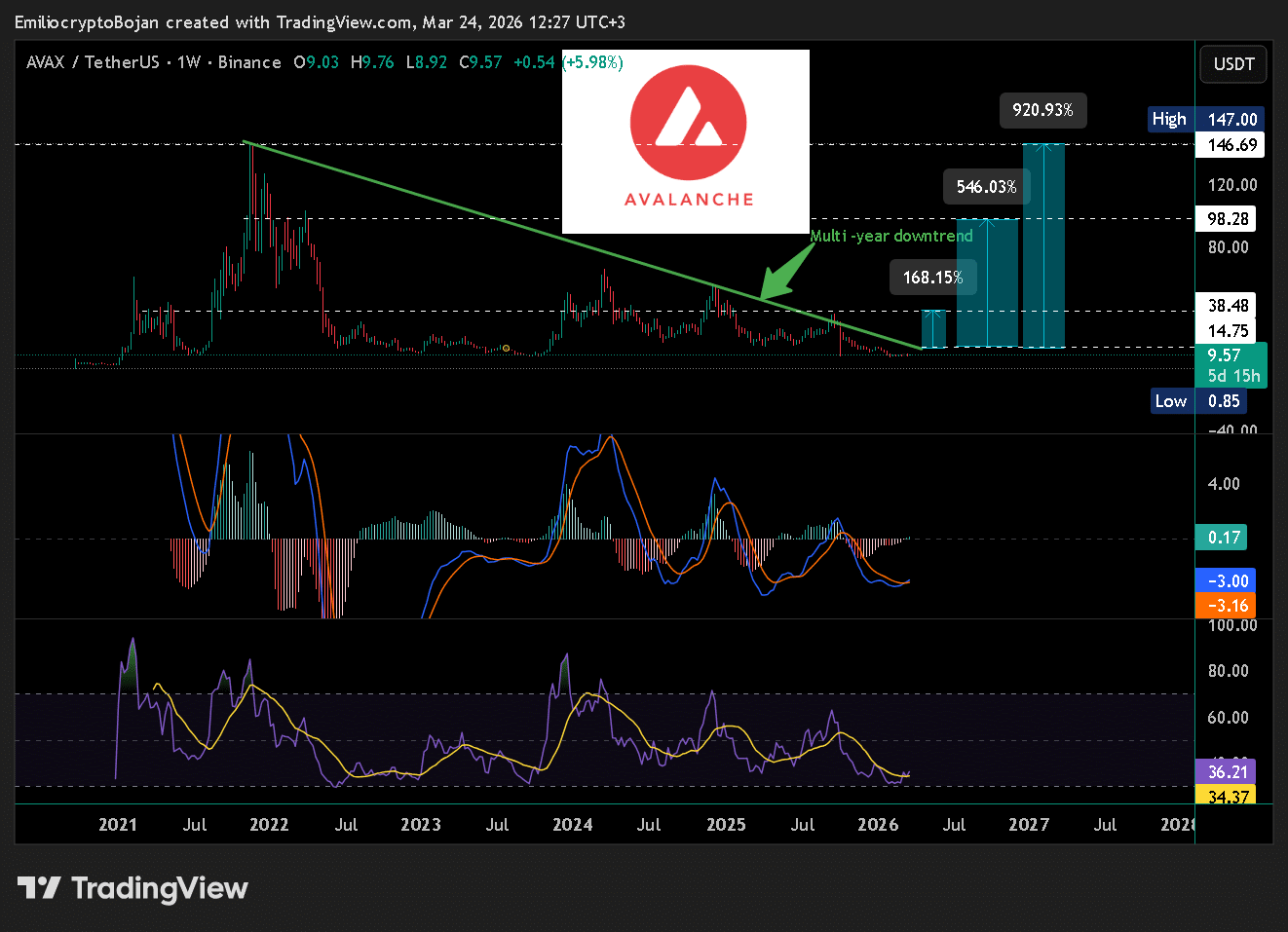
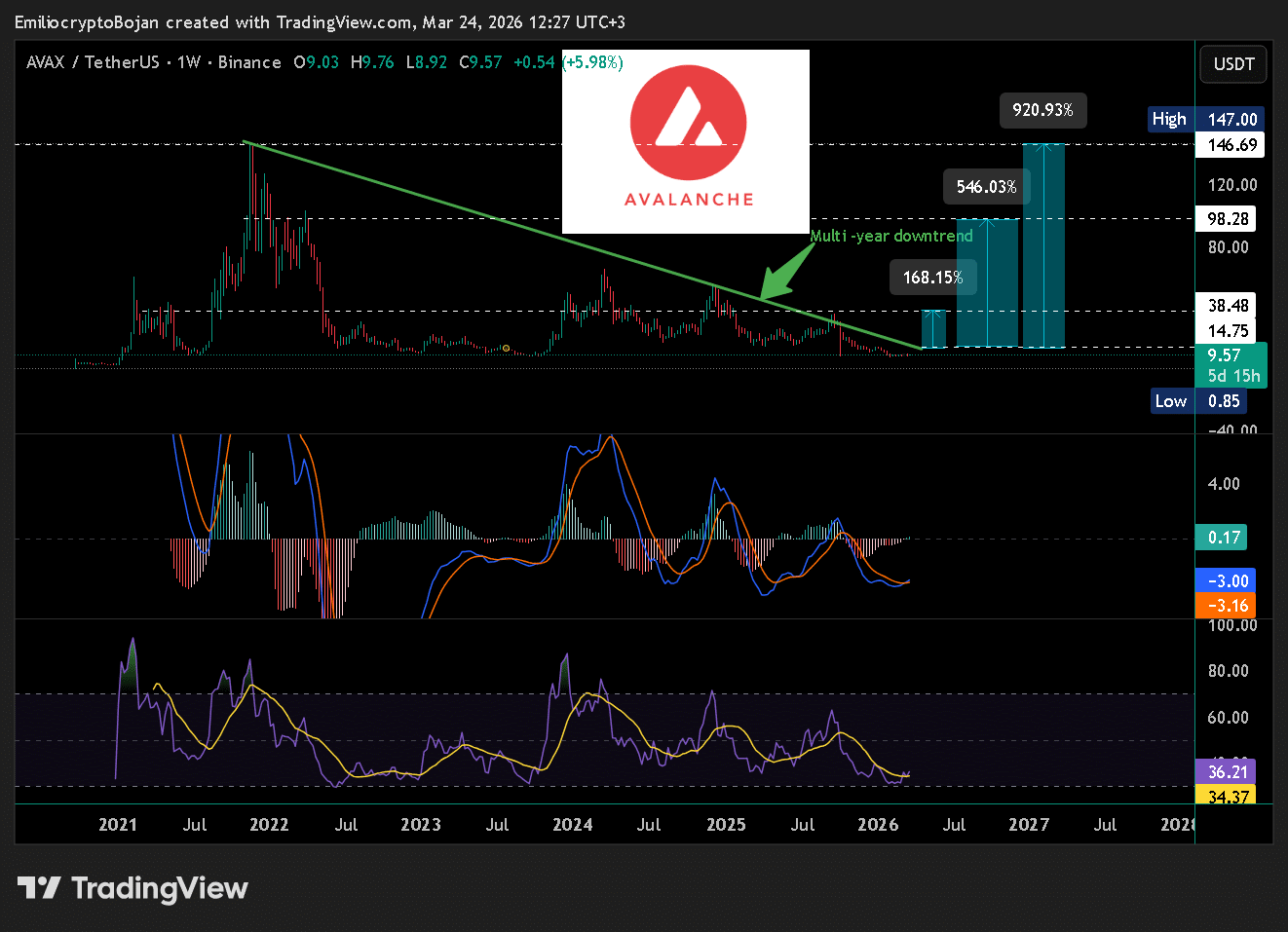
Avalanche [AVAX] looked more constructive. It had flashed a bullish MACD crossover and started pressing against a multiyear downtrend, with $14.75 and $38.48 as early targets if that line broke.
Source: TradingView

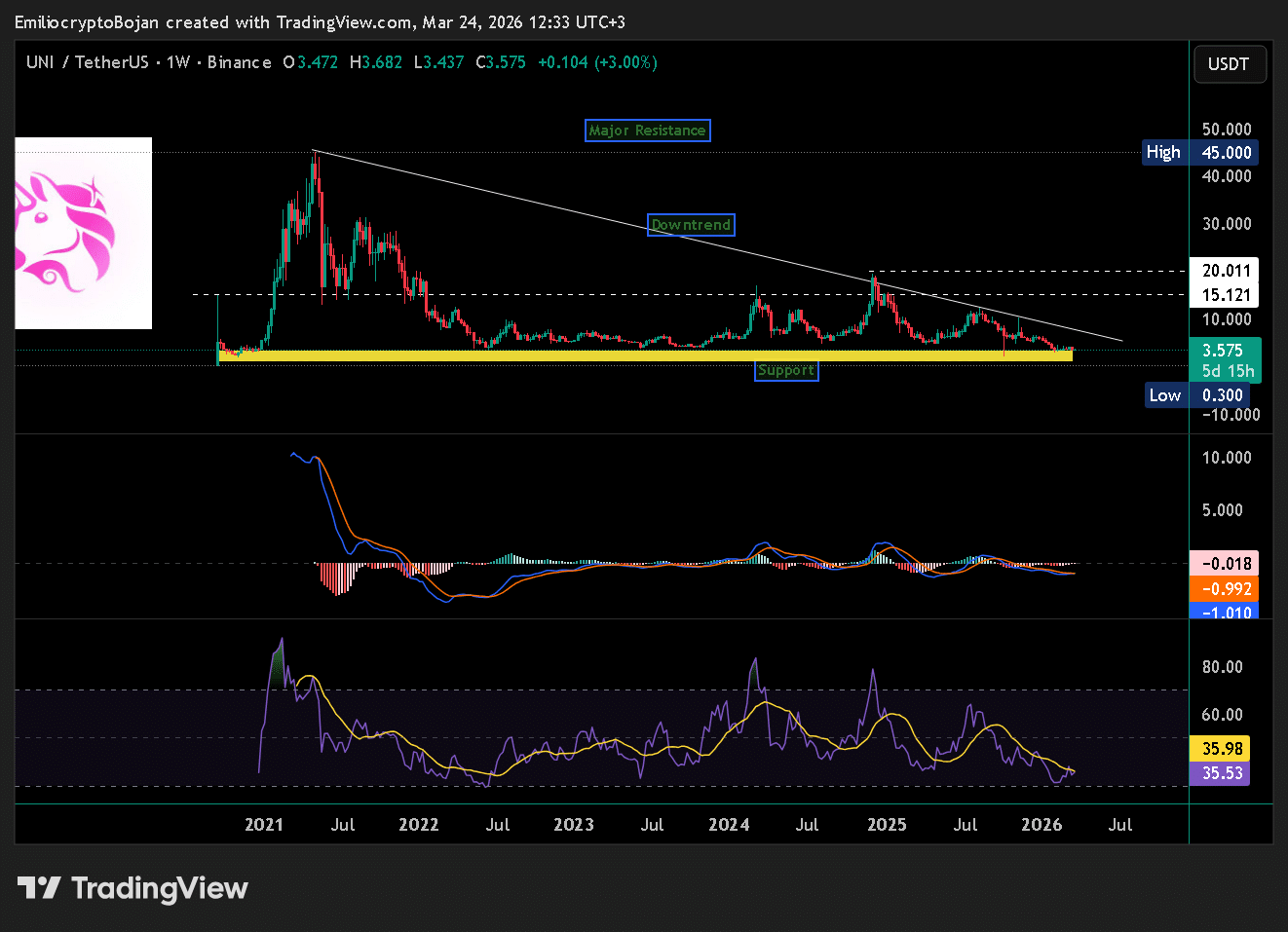
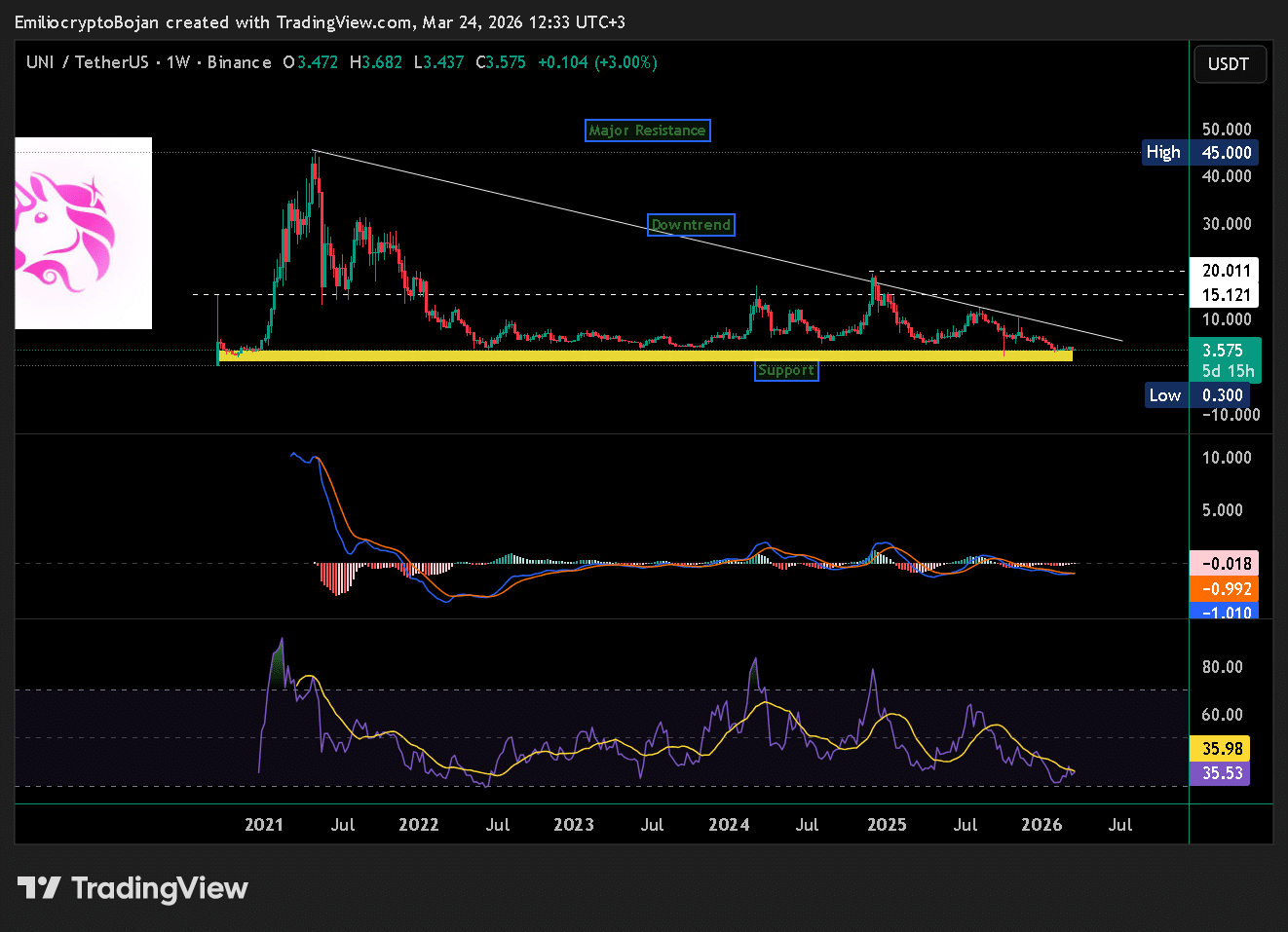
Uniswap [UNI] followed a similar script, still trading near support while leaning toward its own multiyear downtrend, with $15 and $20 standing out before any real test of $45.
Source: TradingView

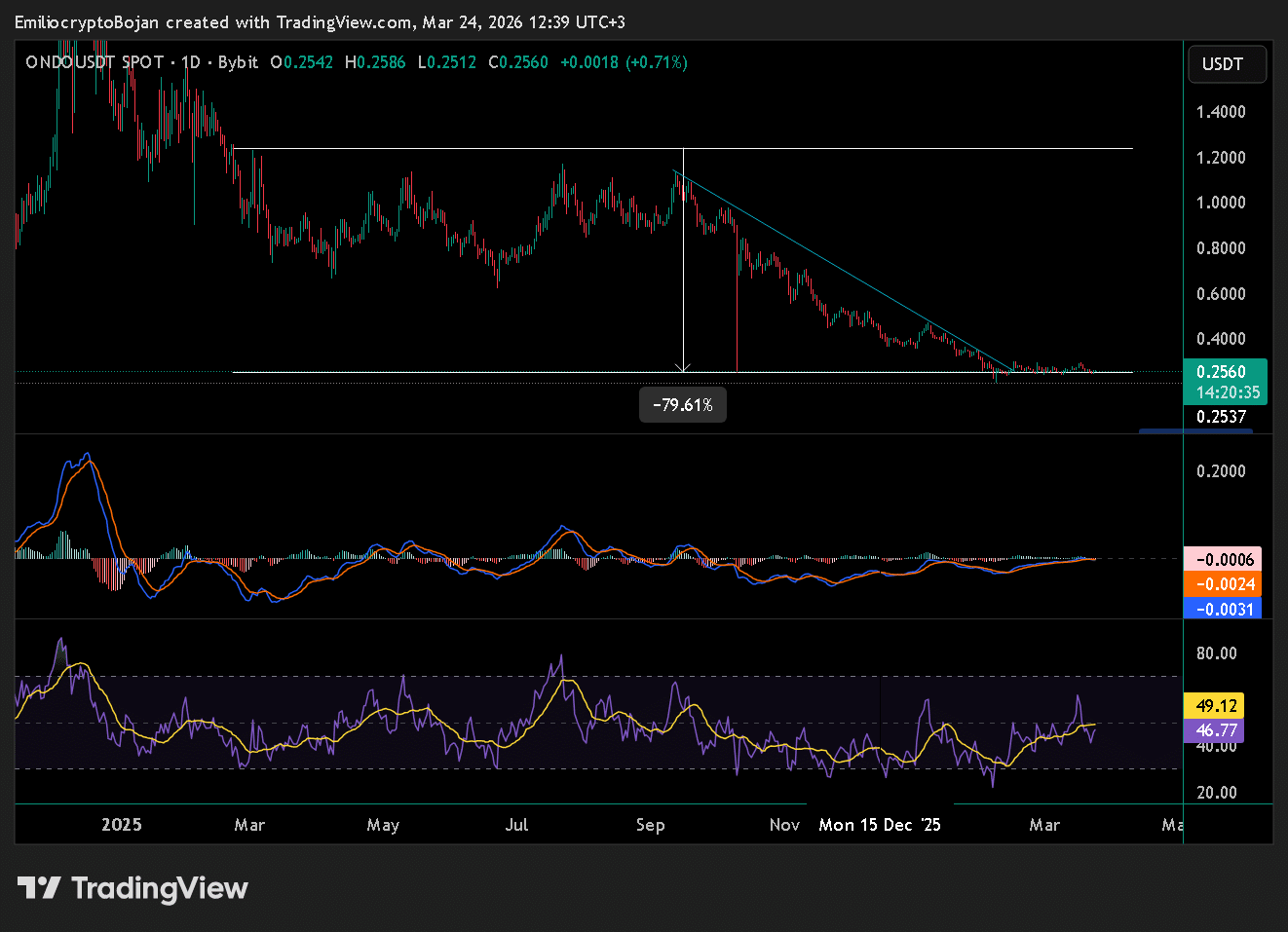
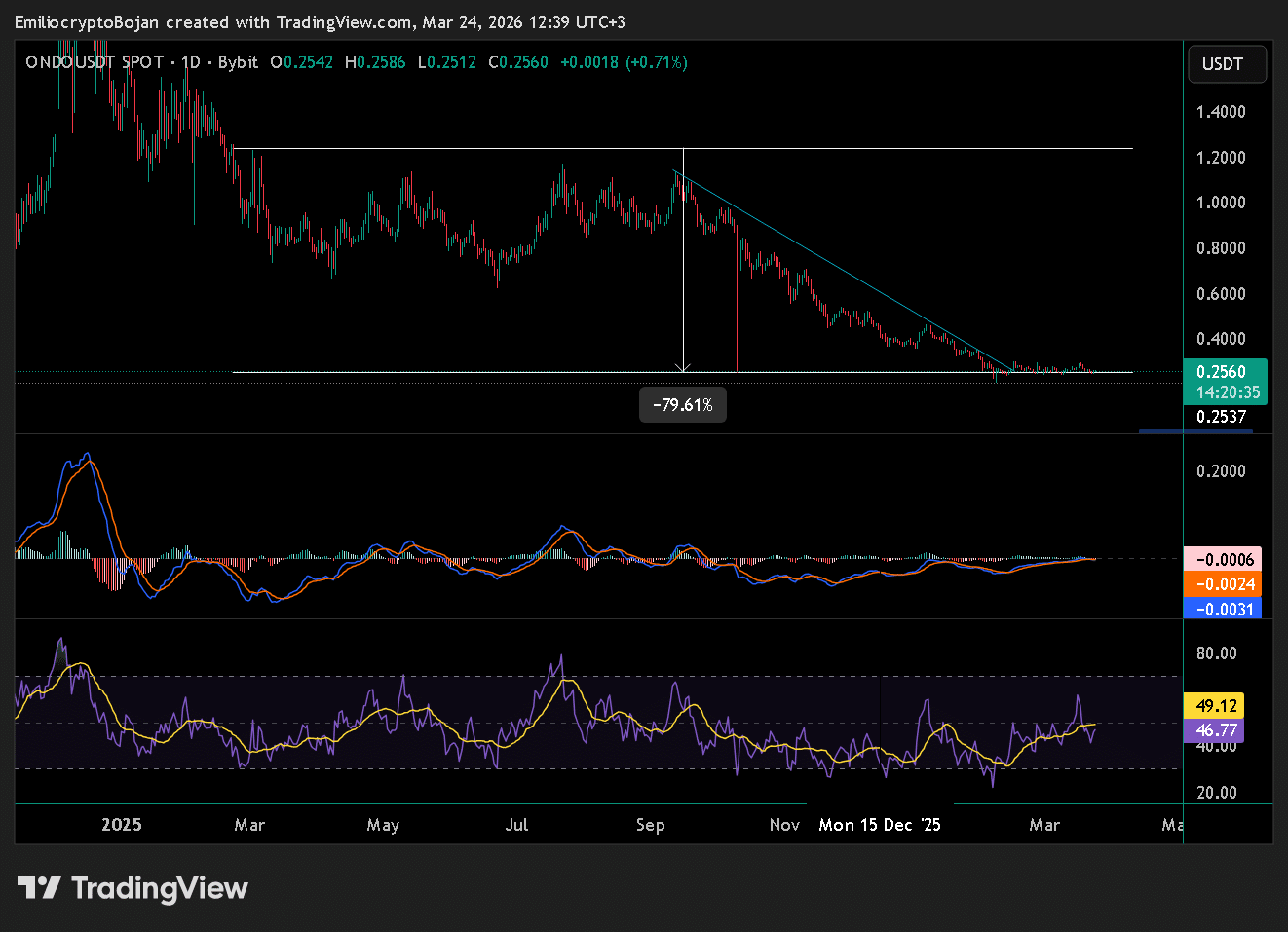
Ondo [ONDO] had already broken out of its downtrend after a 78%+ drawdown from its 2025 high and then moved sideways.
Source: TradingView

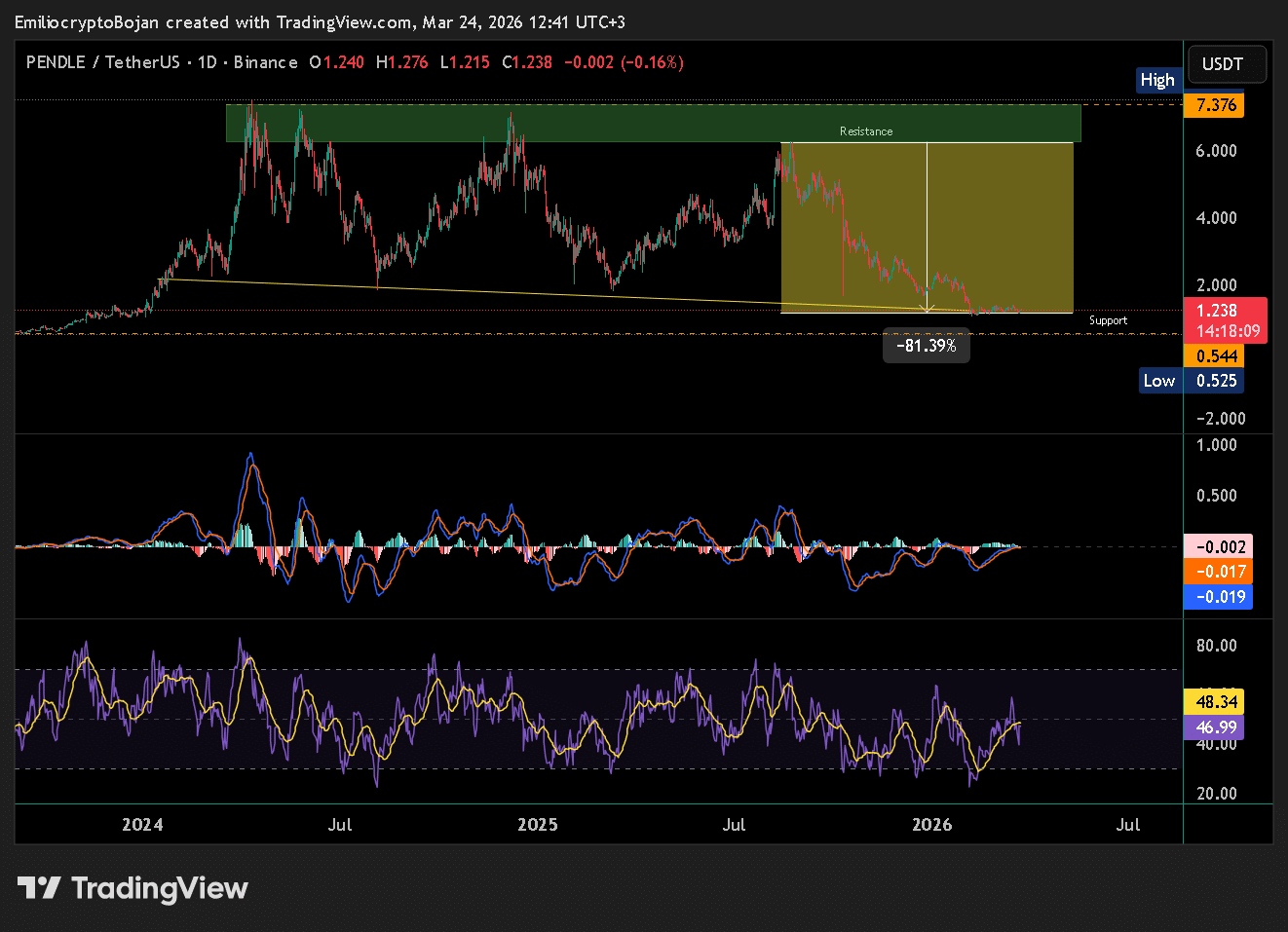
Pendle [PENDLE] stayed above the $1 support zone, while lower-timeframe momentum started picking up.
Source: TradingView

Even so, most of these names were still trading more than 80% below their 2025 highs.

Is a DeFi rotation about to begin?

Was this the sign of a DeFi rotation? Not yet. One wallet did not repair a market that had punished altcoin holders for years. However, these were the kind of withdrawals whales made near bottoms, not tops.

The real takeaway is that the wallet bought into altcoin weakness. If these assets continue to hold sideways and begin reclaiming structure, talk of a DeFi rotation will quickly stop sounding premature.


Final Summary

  • This whale targeted damaged DeFi names at depressed levels, and that made the move serious.
  • If structure kept improving across this basket, the market could be witnessing early rotation.

Related Questions

QWhat specific altcoins did the whale purchase with the $16 million withdrawn from Binance, and what were their respective values?

AThe whale purchased 43.49 million ENA ($4.07M), 32,872 AAVE ($3.64M), 249,741 AVAX ($2.37M), 595,886 UNI ($2.13M), 8.07 million ONDO ($2.05M), and 1.49 million PENDLE ($1.81M).

QAccording to the article, what common characteristic did all of the purchased tokens share?

AAll of the purchased tokens were DeFi-linked names, indicating the whale was making a targeted bet on the decentralized finance sector.

QWhat was the technical condition of Avalanche (AVAX) at the time of the article, and what were its potential price targets?

AAvalanche (AVAX) had flashed a bullish MACD crossover and was pressing against a multiyear downtrend. The early price targets if the downtrend broke were $14.75 and $38.48.

QDoes the article conclude that a DeFi market rotation is definitively underway based on this single whale's action?

ANo, the article states that one wallet does not repair a market and that it is not yet a sign of a DeFi rotation. However, it notes that these are the types of withdrawals whales make near bottoms.

QWhat is the key takeaway from the whale's investment strategy as described in the final summary?

AThe key takeaway is that the whale targeted damaged DeFi names at depressed levels, making the move serious. If the price structure improves across this basket of tokens, it could signal an early stages of a market rotation.

Related Reads

Qualcomm: AI Hype Subsides, When Will Smartphones Emerge from the Gloom?

Qualcomm reported its Q3 FY2026 results (ending June 2026), with revenue of $9.95B, down 4% YoY but above expectations. Gross margin declined to 53.1%, pressured by rising costs across manufacturing and memory. Key business segments showed mixed performance: Handset revenue fell 19.6% YoY to $5.09B, dragged by an 11% decline in non-Apple Android shipments and weaker high-end mix. Conversely, Automotive revenue surged 61% to $1.59B, and IoT grew 9% to $1.83B. Core operating profit dropped 41% YoY due to margin compression and higher expenses. Management's Q4 FY2026 guidance projects revenue of $9.7B-$10.5B, in line with consensus, but Non-GAAP EPS guidance of $2.05-$2.25 fell short of expectations. Amidst persistent weakness in its core handset market, Qualcomm is pursuing growth in AI, focusing on Edge AI (smartphones, PCs, automotive) and Data Center AI. Its data center strategy includes four pillars: AI accelerators (e.g., AI200), commercial CPUs (Dragonfly C1000), custom silicon, and connectivity solutions. While these initiatives initially boosted its stock, concerns over AI capital expenditure sustainability have since erased those gains. The company targets $5B in data center revenue for FY2027 and $15B for FY2029. The report concludes that with the traditional handset business still under pressure, the data center opportunity is currently viewed as a longer-term option, and a more conservative valuation based on core operations may be warranted until AI contributions materialize.

marsbit4m ago

Qualcomm: AI Hype Subsides, When Will Smartphones Emerge from the Gloom?

marsbit4m ago

From TPU to Self-Evolving Agents: How Jeff Dean Predicts the Next Step in AI

At the 2026 YC Startup School, Jeff Dean outlined his vision for AI's next phase, shifting focus from simply scaling models to building intelligent, autonomous systems. He believes AI's progress is no longer just about creating smarter models, but about integrating them into systems capable of long-term, iterative work, automated experimentation, and continuous learning. This evolution moves the competition from "who has the bigger model" to "who can best organize intelligence." Dean suggests AI capabilities are now comparable to a junior engineer, enabling the automation of complex workflows. However, the true challenge and opportunity lie in managing these AI "workers" at scale. He emphasizes the importance of **context engineering**—structuring tools, memory, and feedback loops—over raw model power. For startups, this means building deep expertise in niche domains where general models currently fail (near 0-1% success rates), leveraging proprietary data, specialized tools, and domain-specific evaluators. A recurring theme is re-examining fundamental constraints. Dean's past work, like moving Google's search index to memory or creating the TPU, stemmed from questioning outdated assumptions about hardware and cost. He sees similar inflection points today, particularly in **specialized inference hardware** to drastically reduce latency and energy consumption for real-time Agent operation. Notably, he points out that in modern AI systems, the dominant cost is often not computation but **data movement**. Reliable, long-running Agents require robust system design, borrowing concepts from distributed computing like checkpointing, state management, and parallel exploration to handle failures and maintain progress over days or weeks. As AI automates execution, the scarcest human skills will shift to **defining clear specifications**, **judging what problems are worth solving** (taste), and designing effective feedback loops. Ultimately, Dean's framework prioritizes understanding the problem deeply, identifying the true bottlenecks, and systematically building closed-loop systems where AI can not only perform tasks but also improve AI itself.

marsbit4m ago

From TPU to Self-Evolving Agents: How Jeff Dean Predicts the Next Step in AI

marsbit4m ago

Trading

Spot
活动图片