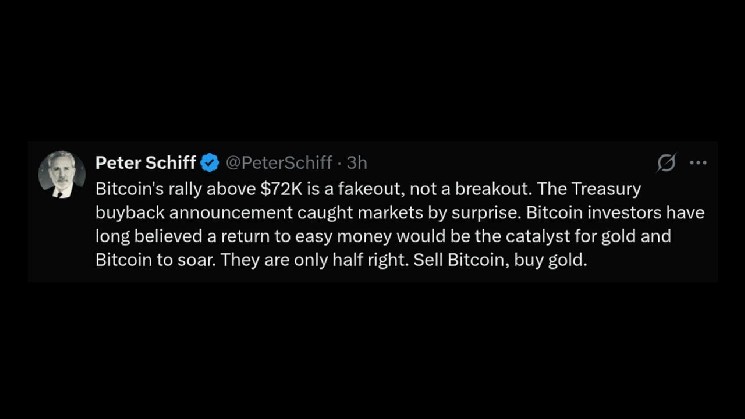
These comments followed a decision on Wednesday by the Treasury Department to at least double the maximum size of operations to buy back long-term government securities with the aim of supporting liquidity. The new minimum threshold increases from $2 billion to $4 billion per operation, starting September 9, and will be in effect until November 4.
"We're going to increase the purchase volume," Bessent stated in an interview with CNBC. "I want to note that it can exceed $4 billion for each issue."
Bessent emphasized that the Treasury has an "extensive toolkit," and partly characterized this move as a warning to markets that current yields do not reflect fundamental economic indicators. These measures target Treasury securities with maturities from 10 to 30 years.
Treasury Department Begins Buying Back Old Bonds
The buyback of Treasury bonds is not debt cancellation. Washington is buying back older, less actively traded securities, known as "off-the-run Treasurys," while simultaneously selling new bonds to finance the deficit and refinance upcoming obligations. This mechanism allows for injecting liquidity and supporting prices in those segments of the bond market where trading has become difficult.
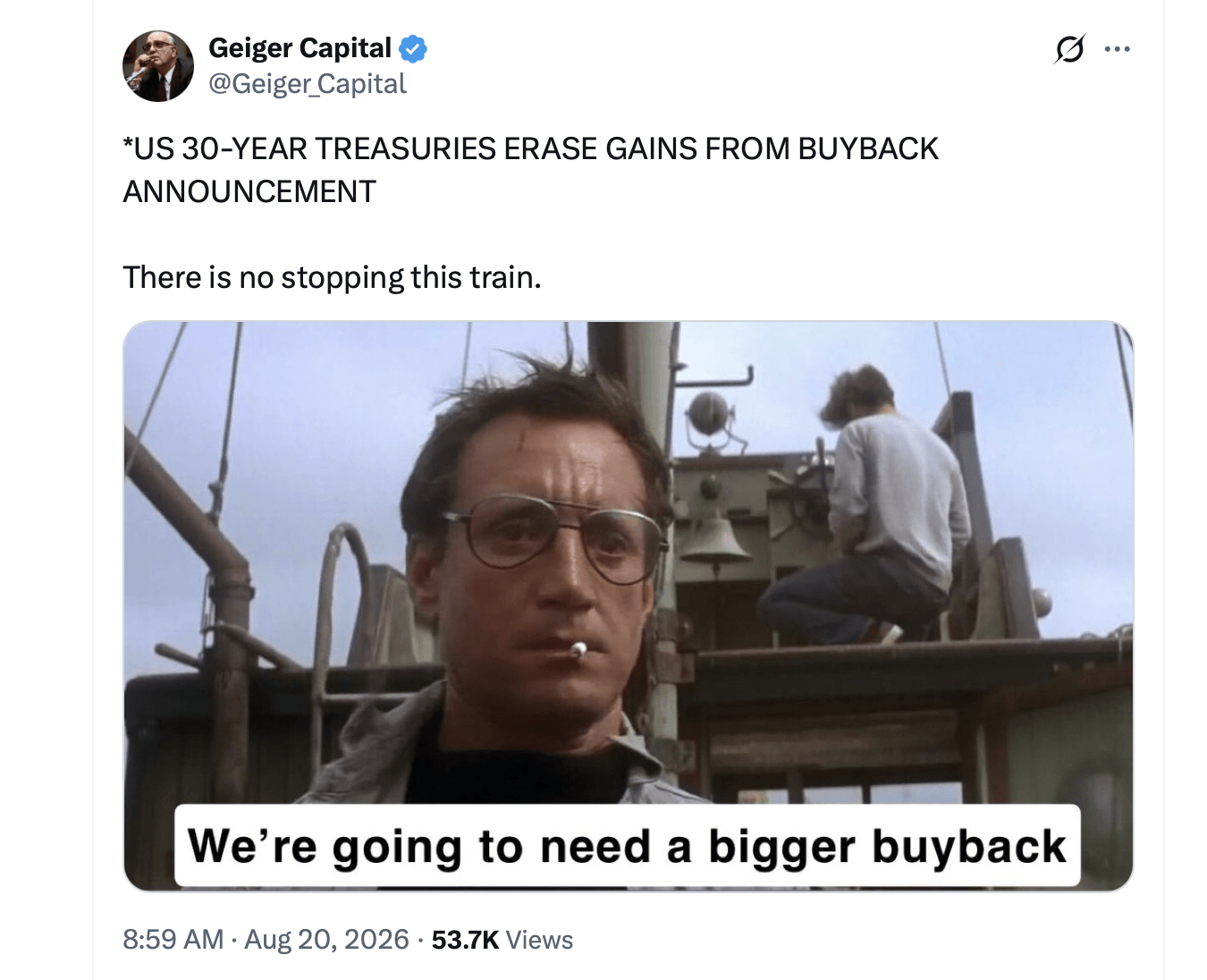
These calculations are important because bond prices and yields move in opposite directions. When Treasury purchases push bond prices up, yields can fall. These changes in yields are reflected in borrowing costs across the entire economy, including mortgage rates, corporate financing, and other long-term loans.
This point is impossible to miss. The yield on 30-year Treasury bonds rose to approximately 5.33–5.34% at the beginning of this week, reaching its highest level since 2007, while the total U.S. national debt exceeded $40 trillion. Investors are increasingly facing relentless growth in government borrowing, persistent deficits, and growing interest expenses of the federal government.
Bond Yields Fall, Bitcoin Gains Momentum
The markets didn't waste time. The yield on 30-year bonds fell by approximately 8–10 basis points after the announcement on Wednesday, and the yield on 10-year bonds also declined. One basis point equals one-hundredth of a percentage point. Part of this movement was later offset as traders assessed the relatively small size of the program against the huge Treasury bond market.
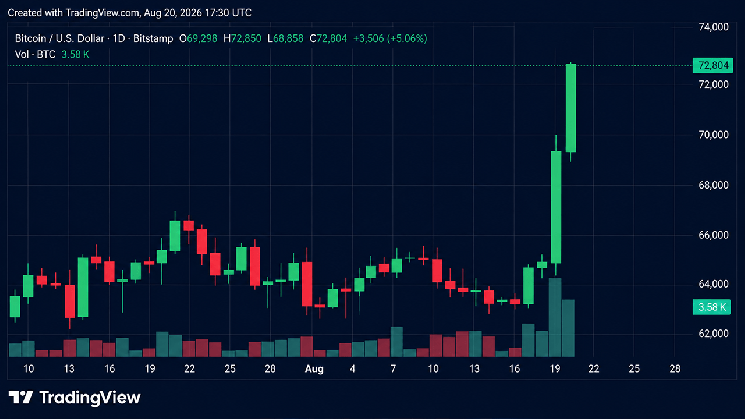
Bitcoin moved in the opposite direction. After trading around $64,000 prior to the announcement, the cryptocurrency surged towards the $69,000–$70,000 mark on Wednesday and continued its rise on Thursday. As of 11:40 a.m. Eastern Time on August 20, Bitcoin was trading above $72,000.
The decline in Treasury yields makes assets that do not generate interest income, including Bitcoin and gold, relatively more attractive. A weaker dollar and renewed risk appetite added fuel to the fire, and massive liquidations of cryptocurrency short positions accelerated the rise as traders betting on a decline were forced to close their positions.
Increased Buyback Volumes Cannot 'Bury' $40 Trillion
Nevertheless, the numbers show the limits of this program. There is approximately $32 trillion in Treasury bonds in circulation, meaning even purchases exceeding $4 billion are small change compared to the overall market. Bond buybacks also cannot reduce the national debt, as the Treasury Department continues to issue securities to finance federal spending.
In this context, investors are trying to understand whether Bessent's intervention can lead to something more than a temporary decline in long-term bond yields. The Treasury Department stated that more detailed information about the scale of future buybacks will be presented in the next quarterly refunding statement.
The first extended operations are expected in September, including purchases of securities with maturities from 10 to 20 years and from 20 to 30 years. Markets will be watching to see how actively the Treasury Department uses its new flexibility, whether long-term yields begin to rise again, and whether Bitcoin can maintain the rally sparked by Washington's intervention in the bond market.
end-content