Telegram Founder Claims French Officials Sold Crypto Data, Linked To 41 Kidnaps

bitcoinistPublished on 2026-04-25Last updated on 2026-04-25

Abstract

Telegram founder Pavel Durov has accused French officials of selling crypto owners’ data to criminals, linking it to a sharp rise in kidnappings. France has seen 41 crypto-related kidnappings this year, part of a growing international trend known as “wrench attacks.” Durov criticized French policies requiring identity data and access to private messages, arguing that increased data flow leads to more leaks and victims. The incidents, which began in late 2024, have escalated significantly in 2026, now accounting for over half of all organized kidnappings tracked by French intelligence. In response, the government plans a broader crackdown, including a dedicated police unit, improved international coordination, and a new prevention platform for threat alerts and security guidance.

France has emerged as a focal point in a growing wave of kidnappings that, increasingly, appear tied to crypto assets. According to authorities, there have been 41 cases this year alone, reflecting a sharp escalation of a wider international trend often referred to as “wrench attacks.”

The link between the attacks and crypto exposure has also been raised publicly by Telegram founder Pavel Durov. Durov has pointed to what he says are alleged connections involving French tax officials selling crypto owners’ data to criminals, alongside claims of major tax database leaks.

Durov Accuses France Of Increasing Crypto Kidnapping Risks

In his comments made Friday on social media site X (previously Twitter), he argued that expanding the flow of data inevitably creates more opportunities for theft and misuse.

“More data means more leaks, more victims,” he said, criticizing French state efforts that would require identity information and access to private messages on social media platforms.

Reports suggest that the kidnapping pattern in France did not appear all at once. Instead, the crypto-linked incidents began as scattered cases in late 2024.

Throughout 2025, the scale remained limited compared with what followed, with around 30 reported nationwide. That changed in 2026, when the pace has accelerated noticeably. Authorities report that attacks are now happening every few days, signaling a shift from isolated incidents to a more systematic threat.

Interior Ministry data indicates that these crypto-related kidnappings now account for more than half of all organized kidnappings tracked by Sirasco, the country’s intelligence unit focused on organized crime.

State Plans Wider Crackdown

In response, the government is moving toward a more aggressive approach. At Paris Blockchain Week, officials outlined plans for a broader crackdown and introduced a new prevention platform aimed at supporting the crypto community.

The platform is intended to provide threat alerts and practical security guidance, while also offering direct communication pathways with law enforcement. Officials said additional measures are currently in development.

These steps include creating a dedicated police unit focused specifically on crypto-related crime, improving speed and coordination with international agencies, and expanding the use of blockchain analytics to trace ransom payments.

The daily chart shows the total crypto market cap at $2.57 trillion as of Friday. Source: TOTAL on TradingView.com

Featured image from OpenArt, chart from TradingView.com

Related Questions

QWhat is the main accusation made by Telegram founder Pavel Durov regarding the crypto-related kidnappings in France?

APavel Durov accused French tax officials of selling crypto owners' data to criminals and pointed to alleged major tax database leaks as contributing to the problem.

QHow many crypto-related kidnapping cases have been reported in France this year according to the article?

AThere have been 41 crypto-related kidnapping cases reported in France this year.

QWhat term is used in the article to describe the wider international trend of these types of kidnappings?

AThe wider international trend is often referred to as 'wrench attacks'.

QWhat specific government unit's data indicates that crypto kidnappings account for over half of all organized kidnappings?

AData from Sirasco, the country's intelligence unit focused on organized crime, indicates that crypto-related kidnappings account for more than half of all organized kidnappings.

QWhat are some of the measures the French government is taking in response to the crypto kidnapping crisis?

AThe government is creating a dedicated police unit for crypto-related crime, improving international coordination, expanding blockchain analytics to trace ransom payments, and introducing a new prevention platform with threat alerts and security guidance.

Related Reads

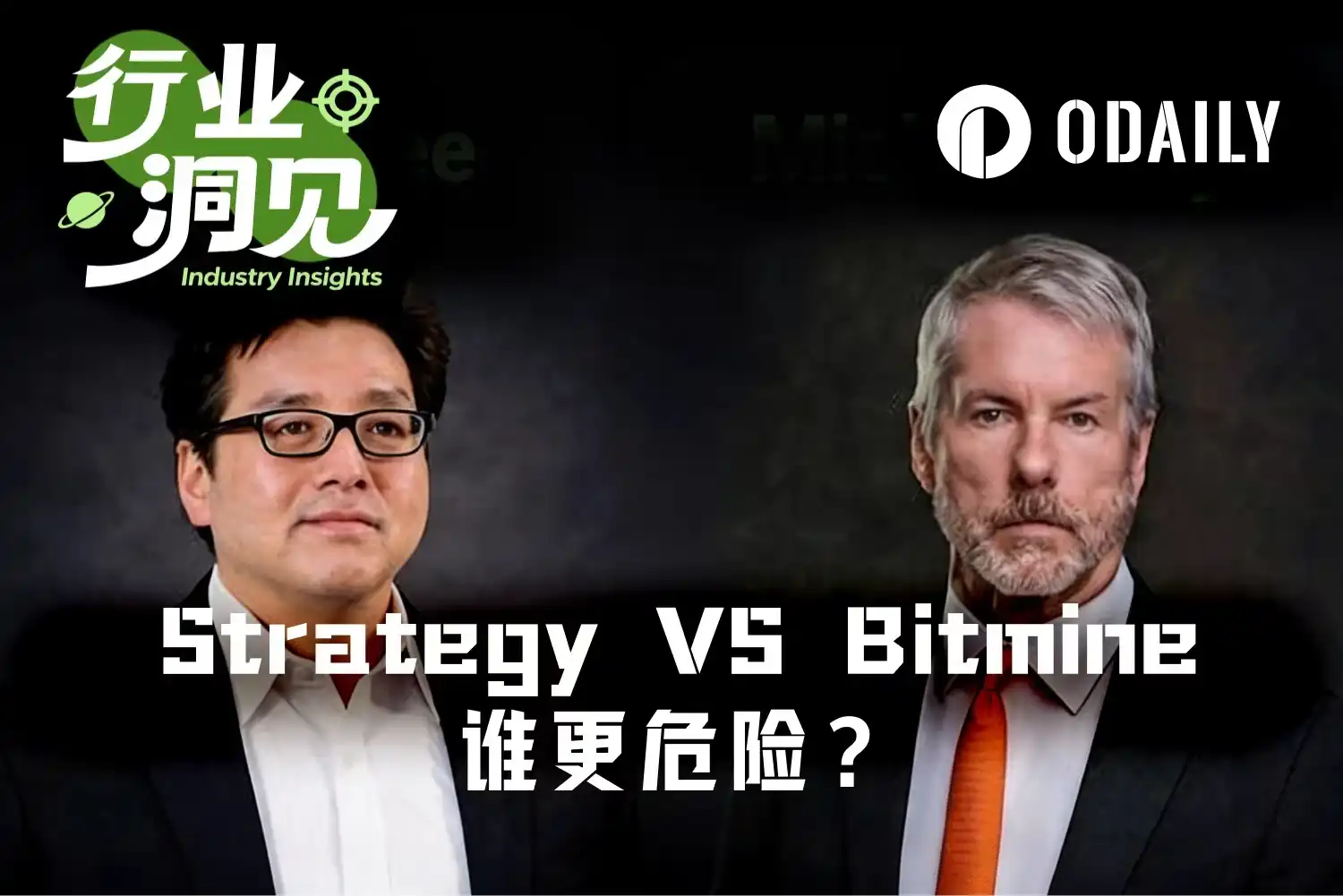
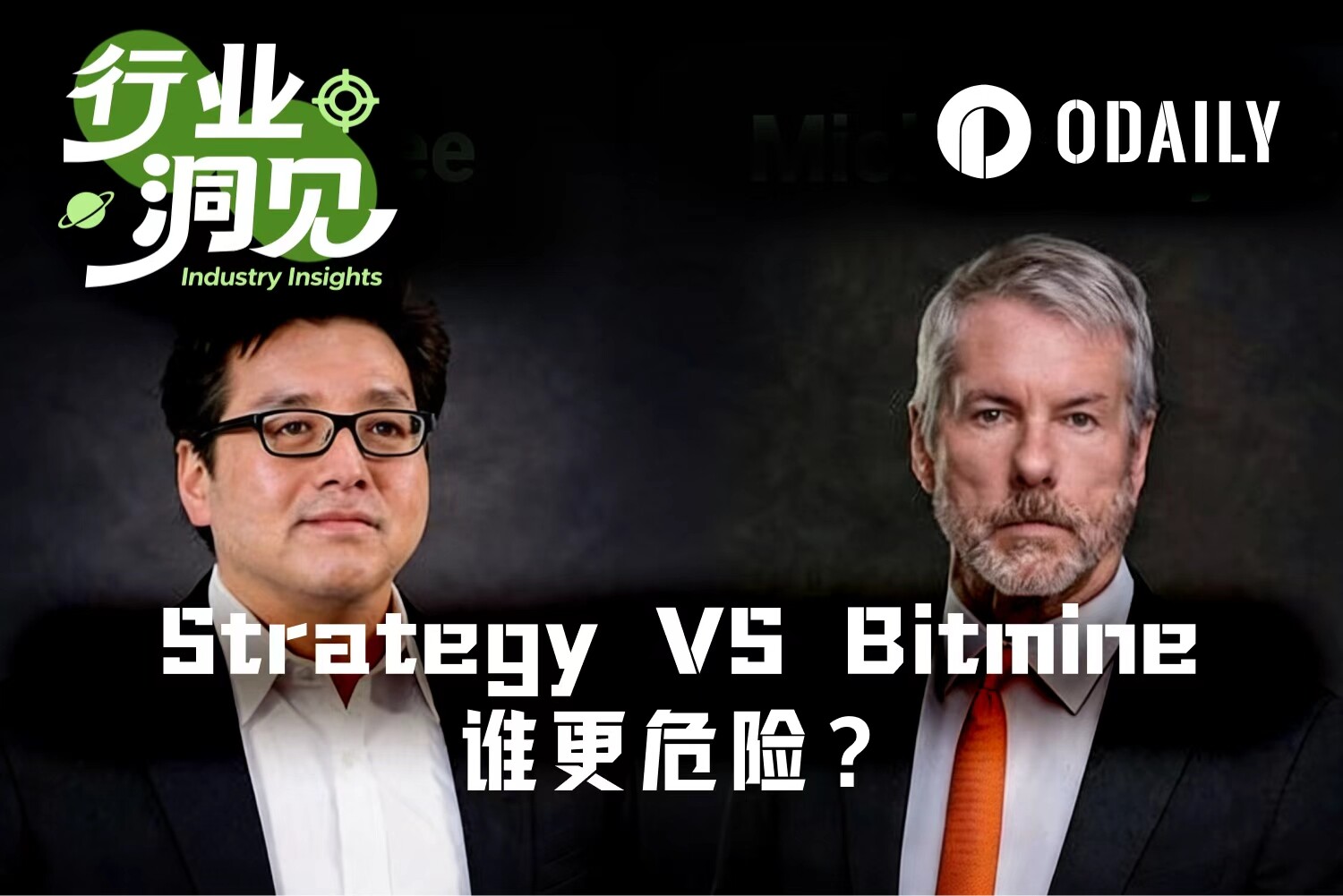
Both Suffer Massive Losses Exceeding $90 Billion, Which Is in Greater Peril: Strategy or Bitmine?

Facing massive paper losses exceeding $90 billion each amidst a sharp market downturn, "Digital Asset Treasury" (DAT) giants Strategy and Bitmine find themselves in a precarious position, but with different underlying risks. Strategy, heavily invested in Bitcoin (BTC), faces significant financial strain. Its strategy relies heavily on debt, including convertible notes and preferred stock (STRC) requiring substantial dividend payments. With its cash reserves dwindling and BTC offering no staking yield for cash flow, Strategy's high leverage makes it vulnerable. A continued price decline could force asset sales to meet obligations, potentially creating a negative feedback loop. Its market value has already fallen sharply. In contrast, Bitmine, an Ethereum (ETH) holder, appears on firmer financial ground. It primarily funds its purchases through equity offerings (like ATM programs), avoiding debt pressure. It also generates income by staking a large portion of its ETH holdings. While not immune to market drops and shareholder dilution concerns, Bitmine maintains more flexibility, recently announcing a new preferred share offering to raise further capital. The core divergence lies in their financing: Bitmine uses equity (investor money), while Strategy uses debt (borrowed money). Consequently, Bitmine currently faces less immediate liquidity pressure than Strategy, which must navigate the dual challenge of servicing debt/dividends and a declining core asset (BTC) price.

marsbit9m ago

Both Suffer Massive Losses Exceeding $90 Billion, Which Is in Greater Peril: Strategy or Bitmine?

marsbit9m ago

Where the AI Bubble Really Is: Which Layer of Players Are Naked

AI Bubble: Where It Really Is and Who's Swimming Naked This analysis dissects the AI industry not as a single entity but as a five-layer pyramid, arguing that bubbles are concentrated in specific tiers, not uniformly distributed. **Key Distinction from the 2000 Dot-com Bubble:** Unlike 2000, where companies had stock prices before revenue, today's leading AI players have massive, contract-backed revenue driving their valuations. Core infrastructure demand is real, with every GPU running at full capacity for paying customers. **The Five-Layer Pyramid & Bubble Assessment:** * **L0 (Fab/Manufacturing) & Top L4 (Leading AI Apps): NO BUBBLE.** Companies like TSMC, NVIDIA, major cloud providers (Microsoft, Google, Meta, Amazon), and top AI labs have real revenues and orders. Supply is tightly constrained by TSMC's disciplined capacity control and physical limits like power/land for data centers, preventing a supply glut. * **L1 (Memory): BATTLEGROUND.** Sky-high HBM margins could signal a new structural cycle or a classic "boom before bust." The oligopoly of three major players may enforce supply discipline, making this a high-stakes bet. * **L2 (Interconnect/Optical Modules): BUBBLE TERRITORY.** Companies like Lumentum and AAOI have seen stock surges (4-10x) far outpacing revenue growth. This hardware segment has lower physical barriers to expansion than fabs, allowing speculation. It mirrors the 2000 bubble's epicenter—optics. * **L3 (Infrastructure/"GPU Landlords"): VULNERABLE.** GPU leasing companies profit from the current compute shortage but own no long-term moat. Their business model relies on a temporary bottleneck that will ease as big tech expands and new tech (e.g., potential space-based data centers) emerges. * **L4 Long Tail (VC-backed Startups): STRONG BUBBLE SIGNALS.** VC funding concentration in AI is twice that of the 1999 peak. Many startups with little revenue use the valuation logic of successful giants to justify their own, creating high risk of a "valuation crunch" when funding dries up. **Critical Risks to Monitor:** 1. **GPU Depreciation & Accounting:** Companies extending the assumed useful life of GPUs artificially boost profits. The true economic life depends on future generational leaps from NVIDIA. 2. **"GPU Credit" & Off-Balance-Sheet Leverage:** Emerging structures where shell companies borrow to buy GPUs and lease them out (with chipmakers sometimes investing) move debt off major balance sheets. This echoes the "vendor financing" of 2000 and the securitization risks of 2008, though currently small-scale. 3. **TSMC Abandoning Caution:** If the primary supply bottleneck (TSMC's conservative capacity planning) breaks, runaway supply could trigger a bust. 4. **Algorithmic Efficiency Breakthrough:** A major leap in software efficiency could drastically reduce the need for raw compute hardware, undermining the investment thesis. **Conclusion:** The AI boom is expensive and has frothy areas, but its core is underpinned by real demand and physical supply constraints. The bubble risk is layered: most present in optical components, GPU leasing, and the long-tail startup ecosystem, while the foundational chip manufacturing and leading application layers remain relatively solid—for now.

marsbit21m ago

Where the AI Bubble Really Is: Which Layer of Players Are Naked

marsbit21m ago

Trading

Spot
Futures

Hot Articles

How to Buy TON

Welcome to HTX.com! We've made purchasing TONCOIN (TON) simple and convenient. Follow our step-by-step guide to embark on your crypto journey.Step 1: Create Your HTX AccountUse your email or phone number to sign up for a free account on HTX. Experience a hassle-free registration journey and unlock all features.Get My AccountStep 2: Go to Buy Crypto and Choose Your Payment MethodCredit/Debit Card: Use your Visa or Mastercard to buy TONCOIN (TON) instantly.Balance: Use funds from your HTX account balance to trade seamlessly.Third Parties: We've added popular payment methods such as Google Pay and Apple Pay to enhance convenience.P2P: Trade directly with other users on HTX.Over-the-Counter (OTC): We offer tailor-made services and competitive exchange rates for traders.Step 3: Store Your TONCOIN (TON)After purchasing your TONCOIN (TON), store it in your HTX account. Alternatively, you can send it elsewhere via blockchain transfer or use it to trade other cryptocurrencies.Step 4: Trade TONCOIN (TON)Easily trade TONCOIN (TON) on HTX's spot market. Simply access your account, select your trading pair, execute your trades, and monitor in real-time. We offer a user-friendly experience for both beginners and seasoned traders.

14.4k Total ViewsPublished 2024.03.29Updated 2026.06.02

How to Buy TON

Discussions

Welcome to the HTX Community. Here, you can stay informed about the latest platform developments and gain access to professional market insights. Users' opinions on the price of TON (TON) are presented below.

活动图片