# Sequencer Related Articles

HTX News Center provides the latest articles and in-depth analysis on "Sequencer", covering market trends, project updates, tech developments, and regulatory policies in the crypto industry.

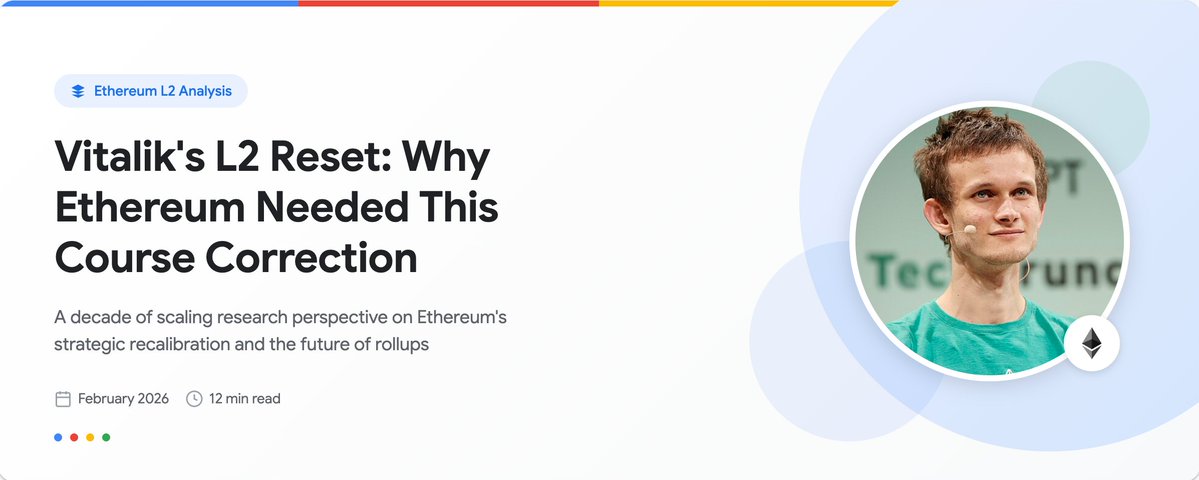
Vitalik's Layer2 Reset: Can It Save Ethereum?

Vitalik Buterin's recent post recalibrates Ethereum's Layer2 (L2) strategy, acknowledging that the original 2020 "rollup-centric" roadmap—based on L2s acting as "branded shards" of Ethereum—no longer aligns with reality. Two key issues are identified: L2 decentralization has progressed slower than expected, with only a few major L2s reaching Stage 1 decentralization, and Ethereum L1 has scaled beyond initial projections, reducing L2s' necessity for scalability. The core conceptual shift introduces a "trust spectrum" framework, recognizing that L2s serve diverse purposes and may legitimately operate at varying decentralization levels (e.g., Stage 0 or 1) without being deemed failures. This allows L2s to pursue different economic and regulatory goals, such as compliant chains with asset-freezing capabilities. Technically, Vitalik proposes a "native rollup precompile" to simplify L2 infrastructure by embedding EVM execution verification directly into Ethereum, reducing audit burdens and improving security. Additionally, a mechanism for "synchronous composability" is outlined, enabling atomic cross-layer transactions between L1 and L2. Responses from L2 teams like Arbitrum, Base, Linea, and Optimism reflect strategic diversity, validating the trust spectrum approach. The post implicitly acknowledges L2s' economic realities, such as sequencer revenue and regulatory constraints, and suggests differentiation strategies for L2s in a cheaper L1 environment. This update demonstrates adaptive leadership, prioritizing realistic evolution over outdated assumptions, and provides a clearer path forward for Ethereum's ecosystem.

marsbit02/05 06:00

Vitalik's Layer2 Reset: Can It Save Ethereum?

marsbit02/05 06:00

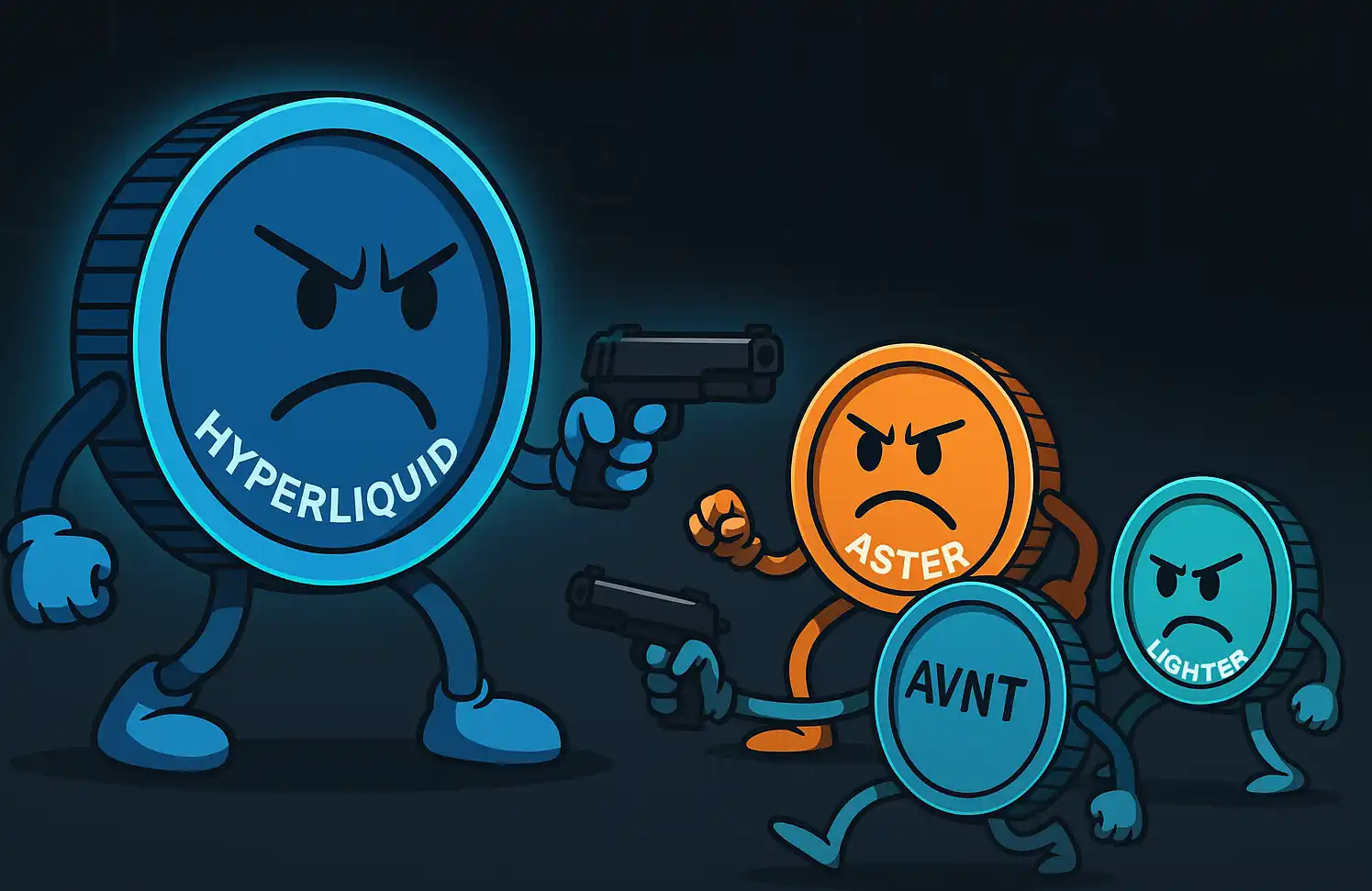
Where Did the $362 Million Go? Hyperliquid Counters FUD, A Decentralization Route Debate Behind the Reconciliation

A technical report published on December 20, 2025, accused Hyperliquid, a decentralized exchange, of multiple severe issues—including insolvency and a "God mode backdoor"—claiming it was a centralized platform disguised as a blockchain. Hyperliquid issued a detailed response refuting the claims. The most serious allegation—a $362M shortfall in user funds—was debunked. The discrepancy arose because the accuser overlooked native USDC on HyperEVM during Hyperliquid’s transition from an L2 to an independent L1. Total reserves across Arbitrum and HyperEVM matched user balances. Other accusations were partially addressed: some code was testnet-related, limited broadcast nodes were an anti-MEV measure, and chain freezes were part of upgrade procedures. However, Hyperliquid did not fully respond to claims about unqueryable governance proposals and a lack of a cross-chain "escape hatch" for withdrawals. The exchange also compared itself to competitors like Lighter and Aster, criticizing their reliance on centralized sequencers and lack of transparency, while highlighting its own fully on-chain state verification. Additionally, Hyperliquid addressed community concerns about insider trading, attributing significant short selling to a former employee. The incident underscores broader challenges in DeFi transparency as protocols grow more complex, emphasizing the crypto mantra: "Don’t trust, verify."

marsbit12/24 02:55

Where Did the $362 Million Go? Hyperliquid Counters FUD, A Decentralization Route Debate Behind the Reconciliation

marsbit12/24 02:55

活动图片