# Iran Related Articles

HTX News Center provides the latest articles and in-depth analysis on "Iran", covering market trends, project updates, tech developments, and regulatory policies in the crypto industry.
A 60-Day Window Depresses Oil Prices, So Why Is the Market Falling Instead?

International oil prices continued to decline on June 23, extending significant losses from the previous session. The market shifted focus from Middle East military risks to actual supply changes following a temporary U.S.-Iran arrangement. The immediate trigger was the resumption of traffic through the Strait of Hormuz, a critical oil shipping chokepoint, with two tankers passing through, signaling eased near-term supply disruption fears. Prices retreated as the "worst-case scenario" was temporarily averted. A reported 60-day window in a U.S.-Iran understanding allows Iran to sell oil during this period, further dampening supply concerns. However, this arrangement is temporary, linked to nuclear talks, and does not guarantee a long-term solution. Market sentiment remains cautious because the deal could still unravel, potentially reinstating sanctions or disrupting shipping. While these developments have lowered immediate risk premiums, prices have not fully returned to pre-conflict levels. Geopolitical news, particularly regarding the stability of the Strait of Hormuz or the progress of negotiations, could quickly reverse the price drop. Additionally, low U.S. strategic petroleum reserves limit the emergency buffer available if supply shocks reemerge. Therefore, the current price decline reflects a reduction in near-term panic, not a complete elimination of Middle East supply risks.

marsbit06/23 05:46

A 60-Day Window Depresses Oil Prices, So Why Is the Market Falling Instead?

marsbit06/23 05:46

Iran and the Fed -- Three Scenarios That Will Impact Global Markets Next

"Three Scenarios for Iran and the Fed Shaping Global Markets" Iranian geopolitics and the Fed's monetary policy path are two dominant themes for markets. Deutsche Bank Research outlines three scenarios linking Iran ceasefire outcomes to Fed policy, with oil prices as the key transmission channel. **Scenario 1: Peace Deal.** A breakthrough leading to the Strait of Hormuz reopening would ease near-term Fed tightening pressure. Recent inflation would be viewed as a temporary energy shock. However, medium-term risks remain; rate hikes could resurface in 2027 if inflation persists. **Scenario 2: Stalemate.** A breakdown in talks and a prolonged Strait closure, but no major escalation, is deemed the scenario with the *highest* Fed hike risk. Sustained high oil prices would feed into core inflation and threaten inflation expectations, while not severely damaging demand enough to give the Fed a reason to pause. This environment could necessitate multiple Fed rate hikes in 2026. **Scenario 3: Conflict Escalation.** Renewed conflict and sharply higher oil prices create a two-way risk for Fed policy. On one hand, it would risk severe inflation expectations de-anchoring, forcing a hawkish response. On the other, extreme oil prices could severely damage demand and the labor market, potentially shifting the Fed's focus toward easing. The ultimate policy decision would depend on which risk materializes first. Overall, Deutsche Bank's framework emphasizes that the path for oil prices, dictated by Iran, will define the nature of inflation pressures and ultimately determine the Fed's policy space. Key signals to watch include ceasefire progress, whether Brent crude stabilizes below $100, and any shift in Fed officials' rhetoric from discussing cuts to potential hikes.

marsbit05/28 07:12

Iran and the Fed -- Three Scenarios That Will Impact Global Markets Next

marsbit05/28 07:12

Trump’s Dual Pressure: When the Iran Deal Meets the Midterm Elections

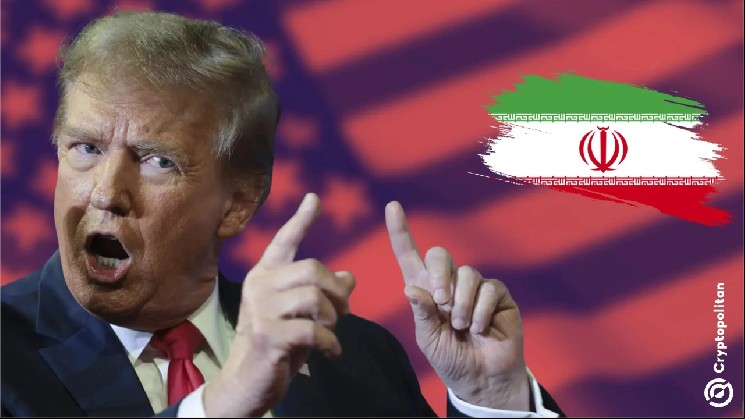
U.S. President Donald Trump’s efforts to negotiate a deal with Iran are triggering a political backlash within his own Republican Party, as the approach of midterm elections intensifies internal divisions. Reports of a potential agreement—involving a temporary ceasefire, phased sanctions relief, and the unfreezing of Iranian assets in exchange for discussions on Tehran diluting or transferring its stockpile of highly enriched uranium—have drawn sharp criticism from GOP hawks. Key allies like Senators Lindsey Graham and Ted Cruz warned that such concessions could allow Iran to recuperate, undermine recent U.S. military gains, and ultimately strengthen a hostile regime. The dispute highlights a broader political struggle for Trump, who must reconcile his "America First" posture with diplomatic compromise while facing a tough electoral landscape. With Republicans fighting to maintain control of Congress and Trump’s approval ratings declining, the Iran deal has quickly become a test of party loyalty and perceived toughness. Public sparring between Trump aides and critics—including former Secretary of State Mike Pompeo—underscores the internal pressure. While Secretary of State Marco Rubio defended Trump’s historically hardline stance, skeptics like Senator Thom Tillis questioned the logic of any deal that leaves nuclear materials in Iran. The outcome now hinges on whether Trump can persuade his party’s hardliners to accept a negotiated exit.

marsbit05/25 08:54

Trump’s Dual Pressure: When the Iran Deal Meets the Midterm Elections

marsbit05/25 08:54

活动图片