Is South Korea set to get its own KRW-pegged stablecoin soon?

ambcryptoPublished on 2026-03-28Last updated on 2026-03-28

Abstract

South Korea is moving closer to potentially launching its own KRW-pegged stablecoin, driven by its large and active retail crypto market. With over 18 million citizens already participating in crypto trading, the market is fast-moving and retail-focused, at times rivalling traditional equity markets. However, inefficiencies like the "Kimchi Premium"—where crypto assets trade at higher prices on local exchanges—highlight strong local demand and limited capital flow flexibility. A KRW-backed stablecoin could reduce reliance on USD-based stablecoins, improve liquidity in KRW trading pairs, enable faster settlement, and leverage existing market support from large players on Korean exchanges. Despite the potential benefits, regulatory hurdles remain a significant challenge.

South Korea could be closer than expected to launching its own stablecoin! With chatter around a KRW-backed token picking up, the country is becoming one of the most closely watched markets.

Here’s why.

South Korea – One of the world’s biggest retail markets

With over 18 million citizens already participating, South Korean crypto trading is fast-moving and retail-centric. At multiple points, their activity has rivalled traditional equity markets!
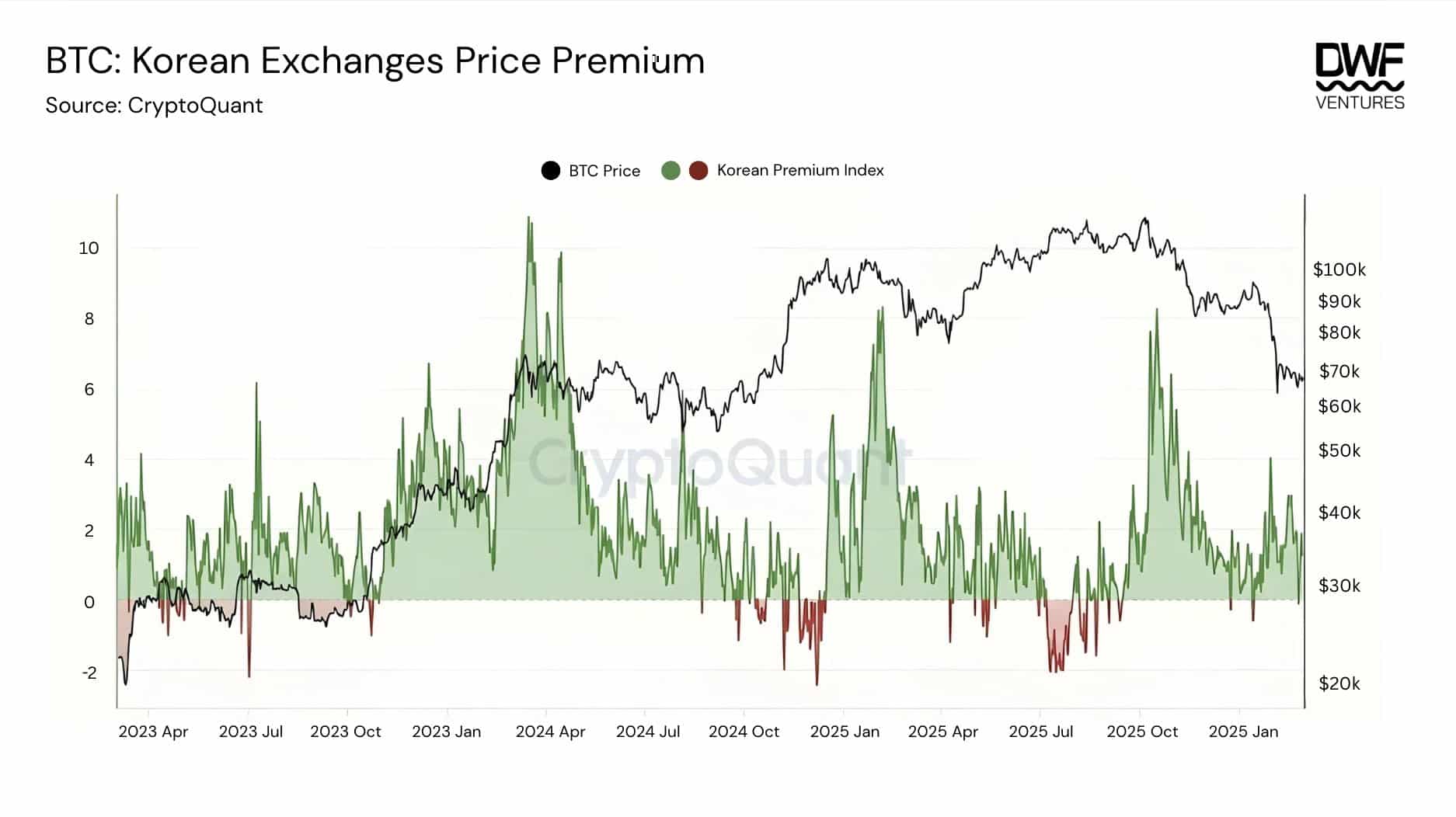
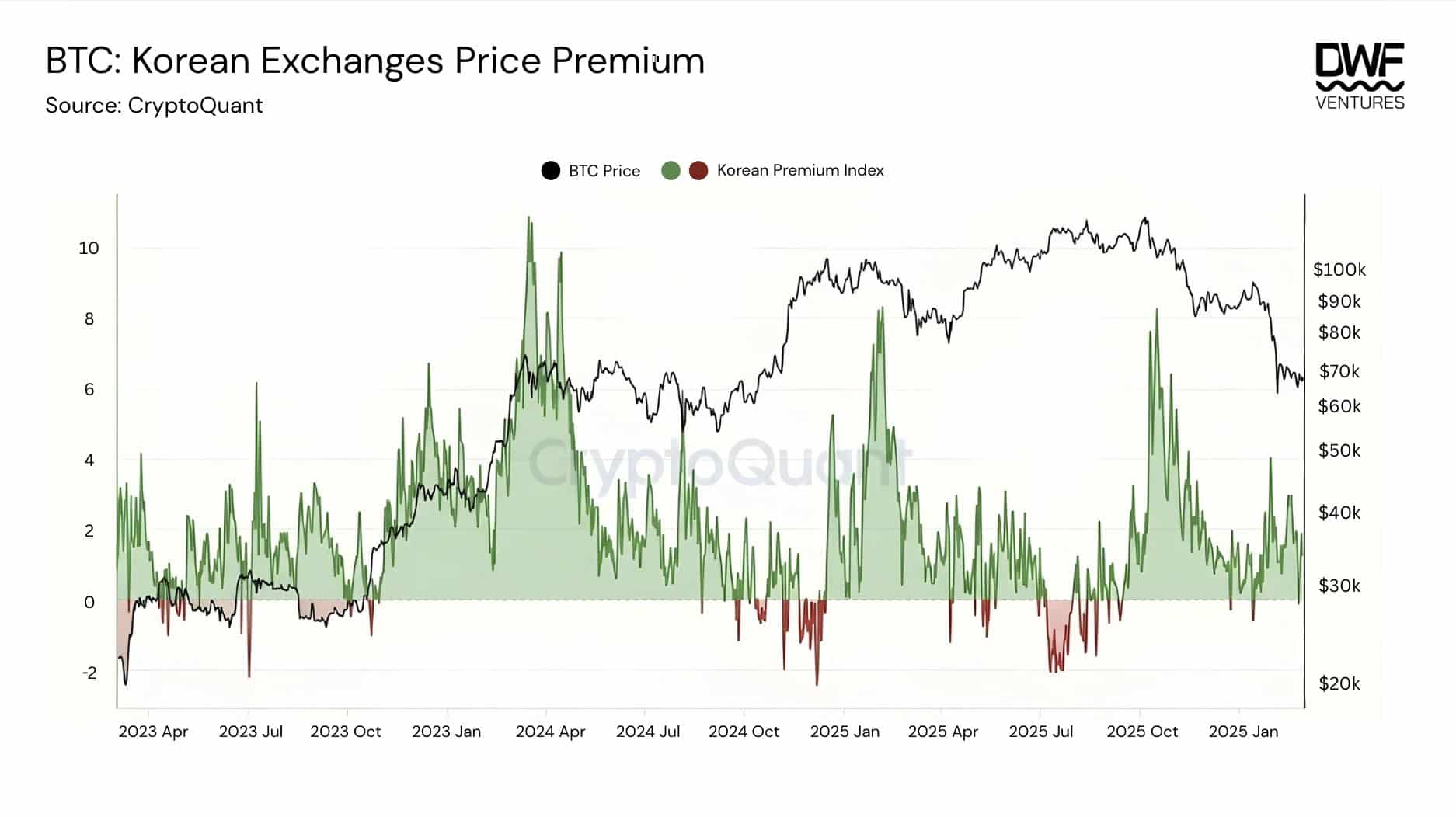
Source: DWF Ventures

However, this demand hasn’t always been efficient. The “Kimchi Premium,” where assets trade at higher prices on local exchanges, makes the gap between domestic and global markets clear. There’s both local demand and limited capital flow flexibility.

This is where a KRW stablecoin starts to make sense. A local alternative could reduce reliance on USD-based stablecoins and improve liquidity in KRW trading pairs. At the same time, it also helps achieve faster settlement.
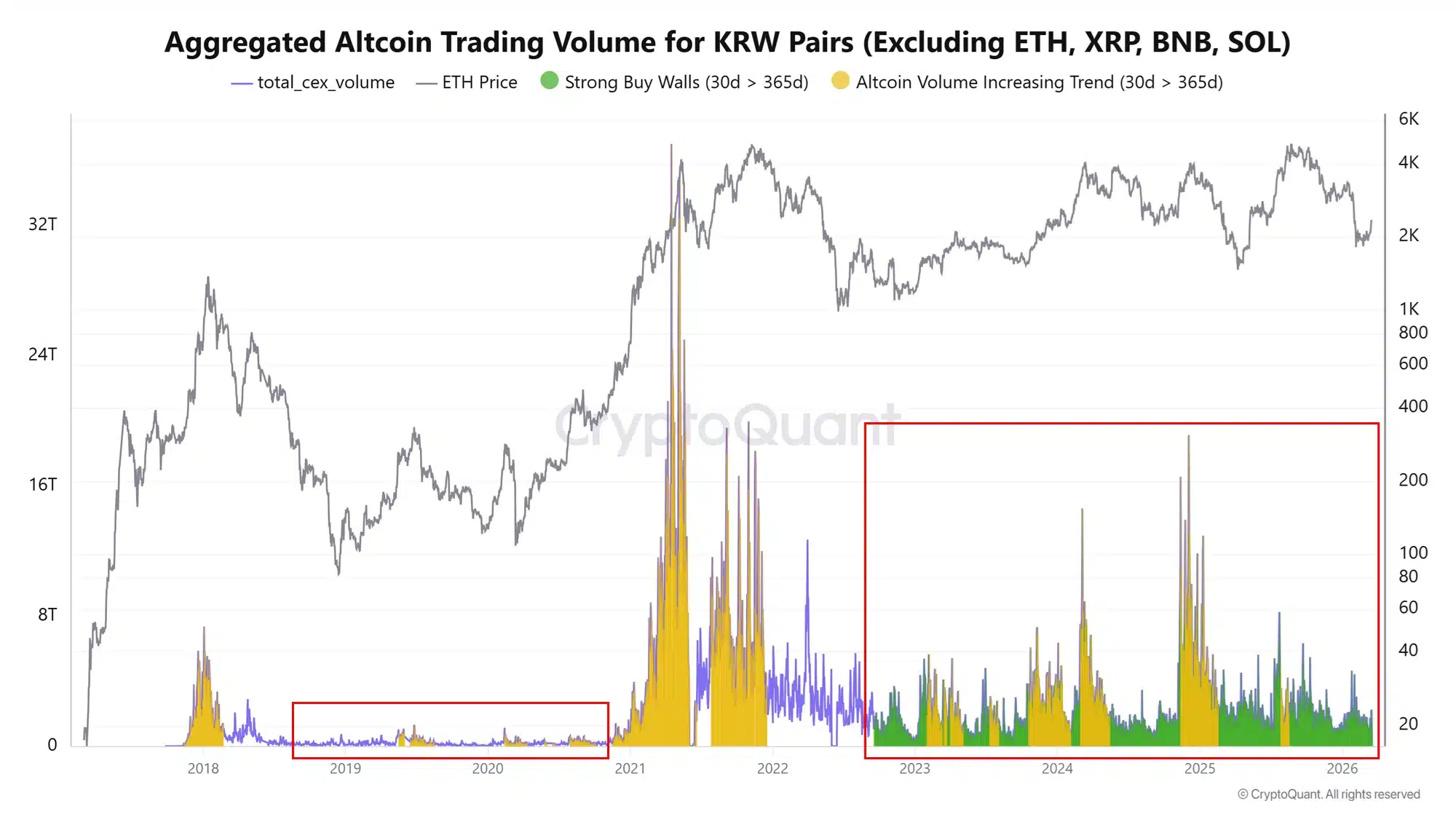
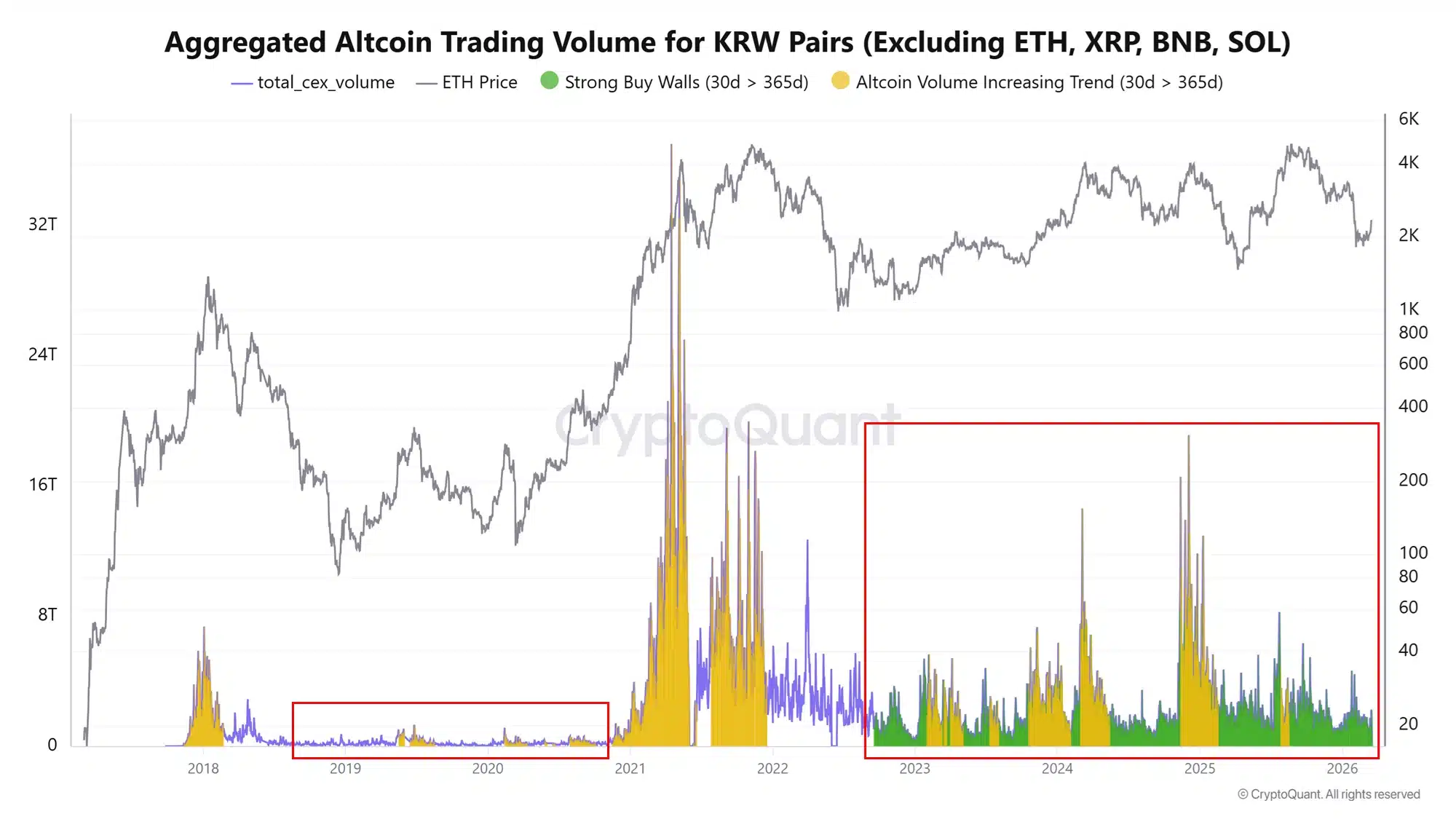
Source: Cryptoquant

And, here’s where it gets interesting; it’s not just the retail market. Large players on Korean exchanges have been absorbing sell-side pressure for years, creating a nice support wall that keeps liquidity intact.


Regulation is a hurdle

Related Questions

QWhat is the main topic of the article regarding South Korea's financial market?

AThe article discusses the potential for South Korea to launch its own KRW-pegged stablecoin.

QWhy is South Korea considered a significant market for cryptocurrency trading?

ASouth Korea is one of the world's biggest retail markets for crypto, with over 18 million citizens participating in fast-moving, retail-centric trading.

QWhat is the 'Kimchi Premium' mentioned in the article?

AThe 'Kimchi Premium' refers to the phenomenon where crypto assets trade at higher prices on South Korean exchanges compared to global markets, highlighting local demand and limited capital flow flexibility.

QHow could a KRW-backed stablecoin benefit South Korea's crypto market?

AA KRW stablecoin could reduce reliance on USD-based stablecoins, improve liquidity in KRW trading pairs, and achieve faster settlement.

QWhat is identified as a major hurdle for the implementation of a KRW stablecoin in South Korea?

ARegulation is mentioned as a hurdle for the implementation of a KRW stablecoin in South Korea.

Related Reads

Saylor: Strategy Now Focuses on Bitcoin's 200-Week Moving Average

Strategy now focuses on Bitcoin's 200-week moving average. The company's executive chairman, Saylor, announced they are now tracking Bitcoin's price relative to this key metric on a public dashboard. He noted Bitcoin has traded above this line 92% of the time since its inception and is currently trading almost exactly at it. This move is part of Strategy's efforts to reframe market perception of its massive $64 billion Bitcoin bet. The 200-week average is seen by bulls as a major support level, often signaling the end of bear markets. Bitcoin dipped below it earlier this year but has since recovered to around $62,500. Saylor has characterized tests of this level as buying opportunities. This comes as Strategy's Bitcoin position, totaling 843,775 BTC acquired at an average cost of $75,476 per coin, remains underwater. The company also reported a shift from profit to loss in Q2 and executed its first Bitcoin sales since 2022, selling 3,588 BTC to fund dividends. Saylor insists this does not change the long-term buy-and-hold strategy. Despite the unrealized loss, Saylor continues to signal further purchases. He recently posted a cryptic "Bitcoin Drive engaged" message, fueling speculation of a new buy. He also denied rumors of a new $5 billion sale authorization, calling it old news. Analysts remain cautious on Bitcoin's near-term momentum from this level, citing factors like weaker institutional inflows and macroeconomic uncertainty. However, Saylor maintains the long-term trend is still favorable for buyers at this support.

cryptonews.ru6m ago

Saylor: Strategy Now Focuses on Bitcoin's 200-Week Moving Average

cryptonews.ru6m ago

Trading

Spot
活动图片