As the bear market continued into the second quarter of this year, the three largest listed cryptocurrency exchanges—Coinbase, Bullish, and Gemini—recorded a decline in trading revenue compared to the previous quarter. At the same time, Coinbase and Gemini are placing greater emphasis on relatively new products they intend to develop, such as stablecoin-based products and prediction markets.
The gap between trading and non-trading revenues at these exchanges narrowed in the second quarter. In the case of Coinbase, although trading revenue still predominates, the gap decreased from approximately $132 million to $44 million year-over-year. Similar trends were observed on other exchanges.
The change in market structure has influenced strategies, which in turn directly affect the users of these platforms.
More rewards for stablecoins and prediction markets
For example, Coinbase, which is expanding its product portfolio, is cutting costs, including conducting a 14% staff reduction in May and lowering its annual cost forecast by $100 million, but it allowed an increase in rewards for the USD Coin stablecoin ($USDC) in the third quarter. The company reported that the average volume of $USDC held in Coinbase products jumped 44% year-over-year to $20 billion, stating that it managed to capture about half of the total $USDC volume.
Meanwhile, despite the decline in trading revenue, Gemini intensified its focus on prediction markets, for instance, tripling the number of market makers this year to ensure there is always someone to trade with on the market. Moreover, the company began paying rebates to these firms and rewards to prediction market users. However, despite the number of bets nearly doubling in the quarter, Gemini's revenue from this segment grew by only 18% ($524,000).
Supporting trading and improving commission economics
At the same time, the Bullish exchange, focused on professional traders and institutional investors, attempted to compensate for the decline in trading revenue with a new rewards program. What were the results? Although adjusted transaction revenue for the quarter decreased by 21%, this figure ($29.9 million) was still 24% higher compared to the second quarter of 2025. This is the only exchange among the three discussed in this article that increased its trading revenue year-over-year. Bullish is also taking steps to expand its tokenized securities business.
Meanwhile, the decline in trading revenue does not necessarily mean a deterioration in commission economics. For example, Gemini confirmed during its earnings conference call that "commission economics continued to improve in both the retail and institutional trading segments," despite the exchange's total revenue ($12.5 million) decreasing by 27% quarter-over-quarter and by 38% year-over-year. Trading volume on the exchange fell by 66% compared to the same period last year, to $3.8 billion, while transaction revenue declined "only" by 38%. The situation was worse for Coinbase: transaction revenue plummeted by 22% to $599 million, while spot trading volume decreased by 35% (to $146.4 billion), and derivatives trading volume grew by 3% (to $1,061 billion) year-over-year.
Blurring boundaries and increasing competition
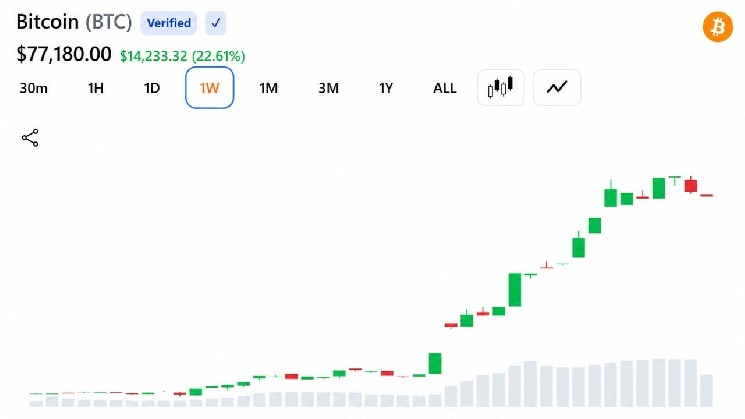
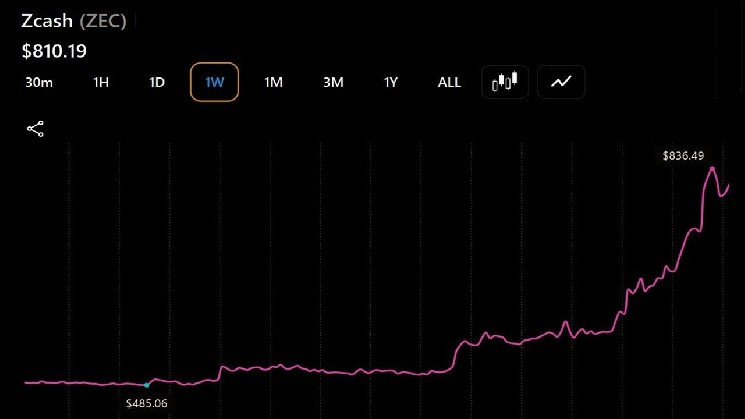
If the rise in cryptoasset prices continues and puts an end to the bear market, it could mean a recovery in cryptocurrency exchanges' trading revenues. (The price increase has already helped reduce the double-digit losses recorded this year by the stocks of all three exchanges discussed.) However, as exchanges seek to reduce their dependence on market fluctuations, users can expect more rewards and incentives for using new products. Meanwhile, regarding trading fees, for example, the picture is less clear, and a potential new bull market could intensify competition in the commission space as platforms vie for a larger share of this profitable but volatile market.
These changes may also be reinforced by the blurring of boundaries between cryptoasset platforms and traditional financial platforms, as both spheres begin to support each other's products, further intensifying competition. It is hoped that this will benefit both ordinary traders and investors.