BitMart Research Institute Weekly Insights: Fed Hawkish Expectations Heat Up, Crypto Market Continues to Face Pressure, RWA Sector Defies Trend and Breaks Out

marsbitPublished on 2026-06-23Last updated on 2026-06-23

Abstract

**BitMart Research Weekly: Fed Hawkishness Weighs on Crypto, RWA Sector Shows Strength** In traditional markets, US equities were mixed as weakening macro data signaled slowing growth. The Federal Reserve held rates at 3.75%, with half of its officials projecting at least one rate hike this year, adopting a more hawkish stance. The crypto market faced sustained pressure. BTC fell 3.7%, underperforming ETH, which dropped 1.2%. Overall market sentiment remained in "Extreme Fear." US spot Bitcoin ETFs saw net outflows of approximately $226.8 million for the week, indicating a lack of sustained institutional buying. Despite the bearish backdrop, the Real World Assets (RWA) narrative gained traction. XLM surged 12.2%, driven by Stellar's RWA tokenization roadmap. Stablecoin market capitalization stabilized near $315.3B, showing structural shifts towards compliant and institutional cash management tools like USDG and BUIDL. A notable stress point emerged as Strategy's STRC traded below its $100 face value for a fifth consecutive week, pressuring its dividend model and raising questions about its Bitcoin treasury management strategy.

I. Macro Economy and Traditional Financial Markets

1. High Divergence in US Stocks: Signals of Slowing Growth Intertwined with Middle East Uncertainties

US stock markets showed high divergence last week. The S&P 500 fell slightly by 0.22%, the Nasdaq rose by 0.27%, and the Dow Jones increased by 0.39%. Macro data continued to weaken: the New York Empire State Manufacturing Index plummeted from 19.6 to 5.7, housing starts dropped sharply to 1.177 million units, and May retail sales grew by 0.4% month-on-month. Overall, this indicates that the high-interest-rate environment is gradually suppressing aggregate demand.

The labor market remains resilient, with initial jobless claims at 226,000. The four-week moving average rose slightly to 223,250, providing some support for overall consumption. The coexistence of consumer resilience with weakening real estate and manufacturing sectors creates a structural divergence, making the Federal Reserve's policy path more complex. The pace of economic cooling is insufficient to drive inflation down rapidly.

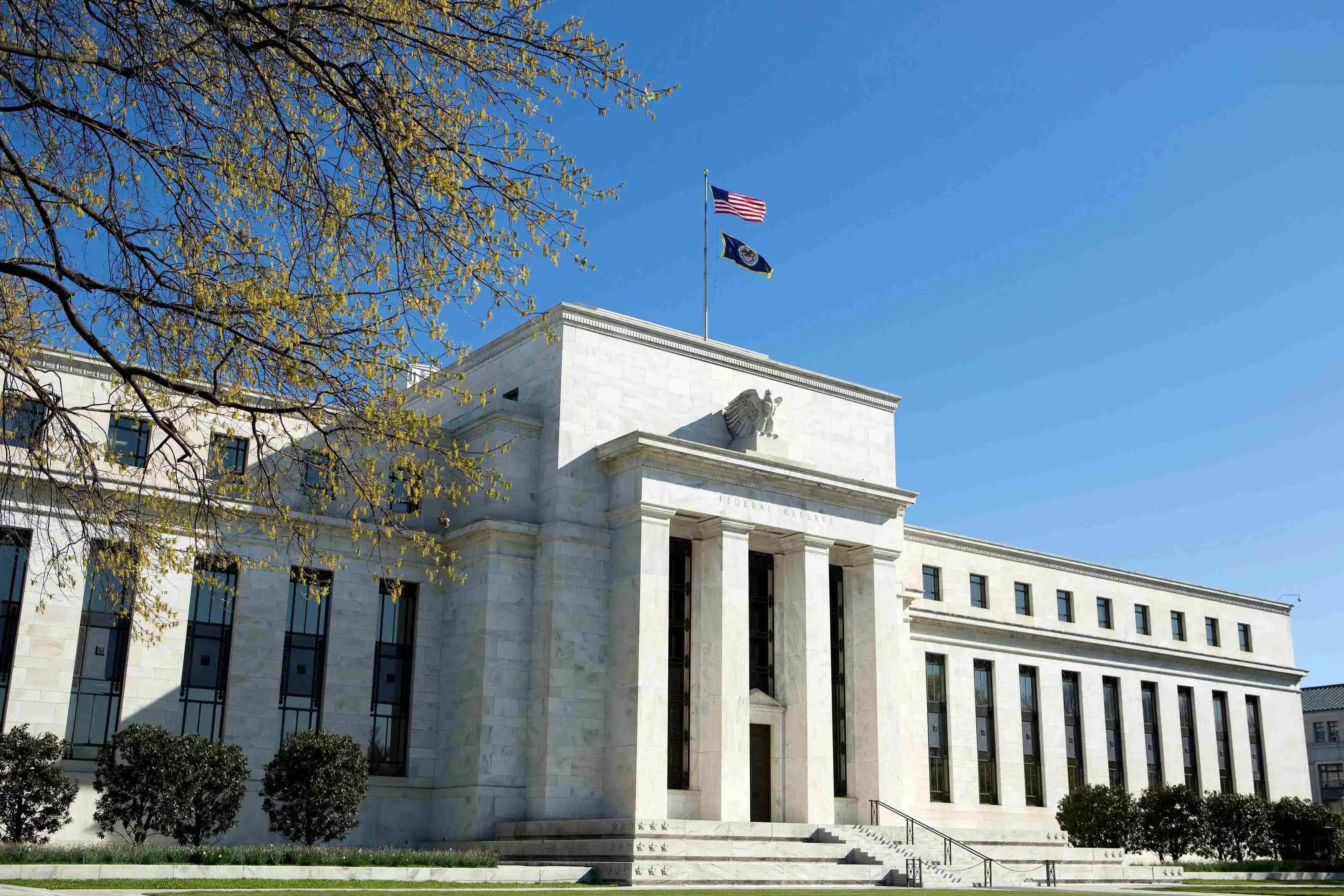
2. Fed Holds Rates Steady, Half of Officials Project Rate Hikes This Year, Wash Changes Style

The Federal Reserve maintained the policy rate at 3.75% with a 12:0 vote. Among the 18 officials, 9 project at least one rate hike this year, with 6 projecting more than one hike. Only 1 projects a rate cut this year, and 1 official did not submit Summary of Economic Projections. The Philadelphia Fed's "prices paid" index rose from 47.9 to 53.2, further strengthening the tightening stance.

New Chairman Wash adopted a communication style different from his predecessor, frequently mentioning "first principles," "alternative frameworks," and "mandate range." He was the only official to refuse to submit future interest rate projections in this dot plot, emphasizing that the Fed's core task is achieving price stability. This FOMC statement was almost completely rewritten, significantly shorter in length, increasing market uncertainty about the Fed's future communication and policy path.

II. Crypto Market

1. Market Performance: BTC Underperforms ETH, Market Sentiment Remains in Extreme Fear

Last week, BTC fell 3.7%, fluctuating within the $62,000–$65,000 range; ETH fell 1.2%, remaining around $1,700. As BTC performed significantly weaker than ETH, the BTC/ETH ratio fell 1.6%. The total crypto market cap fell 3.1%; excluding BTC and ETH, the market cap fell 2.3%; the altcoin market excluding the top 10 tokens fell 3.0%, showing a clear broad-based decline pattern.

The top 30 crypto assets fell by an average of 2.5%. Only XLM recorded a significant gain, rising 12.2%, driven by Stellar's roadmap for RWA tokenization, payments, and corporate settlements. Market sentiment remained in the "Extreme Fear" zone, with the Fear & Greed Index at 20. Additionally, jaredfromsubway.eth, one of the largest MEV sandwich bots on Ethereum, suffered a reverse attack, losing approximately $7.5 million, bringing on-chain security risks back into market focus.

2. ETF Flows: BTC Net Outflow of $226.8M, Institutional Buying Has Not Resumed Sustained Inflows

Last week, US spot Bitcoin ETFs saw a net outflow of approximately $226.8 million, while spot Ethereum ETFs had a net outflow of approximately $10 million. Split by trading day, BTC ETFs saw a net outflow of about $64.09 million on June 15, a small net inflow of about $10.06 million on June 16, net outflows of about $82.16 million and $90.66 million on June 17 and 18 respectively. The US market was closed on June 19 for the Juneteenth holiday.

For ETH ETFs, there were small net inflows on June 15 and 16, but flows turned net negative again from June 17 to 18, resulting in a week overall close to a small outflow. Overall, compared to the large outflows of the previous week, pressure eased somewhat, but institutional funds have not resumed sustained buying.

3. On-Chain Data: Stablecoin Total Supply Stabilizes, Structure Shows Divergence

DeFiLlama data shows that as of June 22, the total stablecoin market cap was approximately $315.3 billion, increasing by about $287 million in 7 days, a rise of about 0.09%. USDT's market share is about 59.05%. USDT saw a slight 7-day decrease of about 0.12%, USDC grew slightly by about 0.06%, indicating overall stability in mainstream settlement funds. USDS decreased by about 3.47% over 7 days, continuing the trend where ecosystem-focused stablecoins are more prone to contraction in volatile environments.

USD1 and USDG grew by about 9.27% and 6.74% respectively, reflecting expansion in compliance-oriented stablecoins and channel-based distribution networks. USDe remained largely flat over 7 days, with the expansion pace of yield-generating stablecoins slowing but no significant redemptions. BUIDL and USYC maintained slight growth, indicating continued resilience in institutional on-chain cash management demand. Overall, the stablecoin market shifted from total supply contraction in the previous week to supply stabilization with structural divergence, but funds still favor high-certainty dollar instruments.

4. Industry Narratives: STRC Trades Below Par for Fifth Consecutive Week, Strategy's Funding Flywheel Under Pressure

STRC has traded below its $100 par value for the fifth consecutive week. Its price once fell to around $82 before recovering to about $88, but its weekly trading volume still reached $1.6 billion. The nominal dividend yield has risen to 11.5%, with market discussion on whether to raise it further to 11.75% or 12%. Notably, Strategy, which once claimed it would "never sell Bitcoin," sold 32 BTC for the first time in late May this year, raising approximately $2.5 million to pay for preferred share distributions.

Strategy currently faces three potential response paths: raising the STRC dividend yield (each 0.5% increase would bring about $52.45 million in additional annual dividend costs); selling Bitcoin holdings to pay dividends, which would weaken the core narrative; or issuing new STRC shares below par value, which would structurally increase the long-term dividend burden. Last week, STRC accounted for 76.2% of the total trading volume of Bitcoin Treasury preferred securities, down from 80% the previous week. The second most traded asset was Strive's SATA, accounting for 15.8%.

This article is for market analysis only and does not constitute any investment advice. Investment risks are high. Please fully assess your own risk tolerance and implement strict risk control before trading.


Related Questions

QAccording to the article, what were the main macroeconomic factors influencing the cryptocurrency market last week?

AThe main factors were a highly divided US stock market with slowing growth signals, a Federal Reserve that maintained interest rates while its 'dot plot' showed a majority of officials expecting at least one rate hike this year, and Fed Chair Warsh's communication shift creating market uncertainty. Weak macroeconomic data, such as a sharp drop in the New York Empire State Manufacturing Index and housing starts, indicated high interest rates are dampening demand.

QHow did the performance of Bitcoin compare to Ethereum last week, and what was the market sentiment?

ABitcoin underperformed Ethereum, falling 3.7% compared to Ethereum's 1.2% decline. Consequently, the BTC/ETH ratio fell by 1.6%. Overall market sentiment remained in the 'Extreme Fear' zone, with the Fear and Greed Index at 20.

QWhat was the trend for US spot Bitcoin and Ethereum ETF fund flows last week?

AUS spot Bitcoin ETFs saw a net outflow of approximately $226.8 million for the week. US spot Ethereum ETFs experienced a smaller net outflow of around $10 million. While the outflows moderated compared to the previous week, institutional capital had not yet resumed sustained buying.

QWhat is the current situation with STRC, and what challenges does its issuer, Strategy, face according to the article?

ASTRC has traded below its par value for five consecutive weeks, with its price dipping to around $82 before recovering to about $88. Its nominal dividend yield has risen to 11.5%. Strategy faces three main challenges: 1) Raising the STRC dividend rate, which would significantly increase annual costs; 2) Selling Bitcoin holdings to pay dividends, which weakens its core narrative; and 3) Issuing new STRC shares below par value, which would structurally increase long-term dividend burdens.

QWhich cryptocurrency among the top 30 assets posted a significant gain last week, and what was the reported reason?

AXLM (Stellar) recorded a significant gain of 12.2%. The increase was attributed to the positive market reaction to Stellar's recently released roadmap focusing on Real-World Asset (RWA) tokenization, payments, and enterprise settlement solutions.

Related Reads

Tencent Heavily Invests in an IPO

"Tencent-Backed DPU Unicorn Leopard Cloud Intelligence Files for IPO on Shenzhen's ChiNext Board" Leopard Cloud Intelligence, a Shenzhen-based developer of Data Processing Unit (DPU) chips, has officially applied for an IPO on the ChiNext Board, aiming to become China's first publicly listed DPU company. Founded in August 2020 by Dr. Xiaoyang Xiao, a Stanford PhD graduate and serial entrepreneur who previously co-founded chip company RMI (acquired by Broadcom), the company focuses on the high-growth DPU sector. Its development accelerated following NVIDIA's formal introduction of the DPU concept in late 2020. The company has developed China's first high-performance, general-purpose programmable DPU SoC chip, boasting 400Gbps network bandwidth and claiming significant performance improvements and power savings over traditional solutions. Financially, Leopard Cloud's revenue grew exponentially from RMB 170,000 in 2023 to RMB 370 million in 2025, yet it remains unprofitable with substantial net losses. Its IPO application utilizes ChiNext's recently introduced fourth set of listing standards, which emphasize R&D and market valuation over short-term profitability. Tencent is the company's most significant backer and largest shareholder, holding a 19.78% stake after participating in multiple funding rounds. Other prominent investors include Sequoia Capital China, Shenzhen Capital Group, Five Dimensions Capital, and various government-guided funds from Shenzhen and Hangzhou. Pre-IPO, the company was valued at over RMB 14 billion. This listing is seen as a milestone for Shenzhen's semiconductor industry, complementing the recent successful IPO review of Yuexin Semiconductor (a Guangzhou-based wafer manufacturer) and signaling a wave of high-end hardware technology companies from the Greater Bay Area going public on the ChiNext Board.

marsbit22m ago

Tencent Heavily Invests in an IPO

marsbit22m ago

Circle Secures a 'Federal Infrastructure License' for Stablecoins: The Deep Implications of Circle National Trust Receiving Final Approval from the OCC

Circle announced on July 10, 2026, that it has received final approval from the U.S. Office of the Comptroller of the Currency (OCC) to establish Circle National Trust, a federally chartered national trust bank. This landmark event marks the first time a stablecoin issuer has formally entered the U.S. federal regulatory system as a trust bank, signifying a major shift in competition from simply issuing tokens to controlling regulated infrastructure for issuance, custody, reserve management, and settlement. Initially, Circle National Trust will focus on providing digital asset custody services for Circle and its affiliates, with plans to potentially extend services to institutional clients later. While reserve management for USDC is planned as a future capability, the approval of the trust charter creates a federal pathway for it. This grants Circle significant federal regulatory credibility, a crucial factor for institutional adoption of USDC. The move positions USDC to evolve from a crypto-company stablecoin toward a federally supervised dollar settlement infrastructure. The approval underscores a strategic focus on building vertical integration for stablecoins—encompassing issuance, custody, and settlement—within a specialized trust bank model rather than a traditional commercial bank. This model aligns with the full-reserve, payment-oriented nature of stablecoins while leveraging federal oversight. For the broader payments industry, this development strengthens the stablecoin settlement rail for use cases like cross-border payments and real-time settlement, complementing rather than replacing existing systems like Visa or Mastercard. The move reshapes the competitive landscape, as other players like Coinbase and Paxos also seek similar trust charters. Circle has now established a significant regulatory moat. Overall, this approval represents a pivotal step for stablecoins, transitioning them from innovative tools to core financial infrastructure governed by the highest levels of U.S. banking regulation.

marsbit56m ago

Circle Secures a 'Federal Infrastructure License' for Stablecoins: The Deep Implications of Circle National Trust Receiving Final Approval from the OCC

marsbit56m ago

Trading

Spot
活动图片