The Altcoin Vector #55

insights.glassnodePublished on 2026-06-03Last updated on 2026-06-03

Abstract

The provided text appears to be the beginning of an article titled "The Altcoin Vector #55." However, the content itself is very limited. It includes only the heading "Executive Summary" and a subscription prompt asking existing subscribers to log in. Based on this available information, no substantive article content or details about the topics discussed in "The Altcoin Vector #55" are present to generate a meaningful summary. The text consists solely of structural website elements and a call to action for subscribers.

Executive Summary

Related Questions

QWhat is the primary topic of this article?

AThe article appears to be about an altcoin market analysis or report, specifically numbered as 'The Altcoin Vector #55'.

QWhat is the name of the article series this content belongs to?

AThis article belongs to the series titled 'The Altcoin Vector'.

QWhich specific issue or edition of 'The Altcoin Vector' is this?

AThis is the 55th issue or edition of 'The Altcoin Vector'.

QWho is the intended audience for this article based on the content snippet?

AThe intended audience appears to be subscribers, as indicated by the call to action for existing subscribers to log in.

QBased on the snippet, what type of content is blocked from general access?

ABased on the snippet, the main body of the article's analysis or report is blocked from general access and is reserved for subscribers who need to log in to view it.


Related Reads

Tearing Down the Iron Curtain: How a Chinese DRAM Company Challenges Samsung in Samsung's Own Way

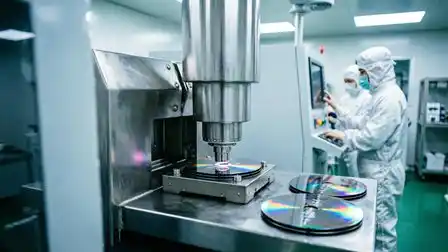
Tearing Through the Iron Curtain: How a Chinese DRAM Company Challenged Samsung with Samsung's Own Playbook In 2012, Japan's DRAM giant Elpida fell to bankruptcy, crushed by industry leaders like Samsung through ruthless cost competition and 'counter-cyclical' investment—expanding during market downturns to gain share. Over a decade later, ChangXin Memory Technologies (CXMT), a Chinese company founded in 2016 on the intellectual property ashes of another fallen giant, Qimonda, is using the same strategy to break the oligopoly. Starting from zero in a market dominated by Samsung, SK Hynix, and Micron (controlling over 90% share), CXMT first secured a legal foothold by acquiring Qimonda's patent portfolio. It then pursued a risky 'leapfrog' R&D strategy, skipping generations to focus on DDR5 and LPDDR5, while building an integrated IDM model for faster iteration. Its defining moment came during the severe 2023 industry downturn. While incumbents cut production, CXMT, backed by patient state and industrial capital, aggressively expanded capacity and slashed prices. This counter-cyclical bet allowed it to capture market share just as the 2025 AI boom shifted major players' focus to premium HBM memory, creating a supply gap in traditional DRAM. By Q1 2026, CXMT had captured 8% of the global DRAM market—the first non-Korean, non-American company to do so in 20 years. Its revenue skyrocketed, turning profitable in 2025. Crucially, CXMT avoided Elpida's fatal mistake of obsessing over peak yield rates at the expense of unit cost and throughput, instead embracing Samsung's core philosophy: DRAM competition is a war of cost and scale, not just technical precision. However, challenges loom. CXMT still lags in advanced HBM production and faces a technology node gap. The biggest test will come when giants refocus on traditional DRAM, potentially triggering a price war. Yet, with massive IPO funding for capacity and R&D, CXMT's decade-long journey stands as a masterclass in executing the counter-cyclical playbook that once sealed its predecessors' fate.

marsbit11m ago

Tearing Down the Iron Curtain: How a Chinese DRAM Company Challenges Samsung in Samsung's Own Way

marsbit11m ago

Trading

Spot
活动图片