UAE telco giant e& taps dirham stablecoin for bill payments pilot

cointelegraphPublished on 2025-12-11Last updated on 2025-12-11

Abstract

UAE telecom giant e& has signed a memorandum of understanding with Al Maryah Community Bank to pilot a dirham-pegged stablecoin, AE Coin, for consumer bill payments and digital services. The initiative, part of the UAE’s push toward regulated digital finance, aims to enable instant, transparent, and frictionless transactions. If successful, the pilot could integrate the licensed stablecoin across e&'s payment infrastructure, including mobile and home-service bills, prepaid top-ups, and e-commerce. However, the project remains in an early exploratory stage, with no defined timeline or rollout scope yet.

United Arab Emirates’ telecom giant e& is reportedly preparing to test whether regulated stablecoins can support mainstream consumer payments, having signed a memorandum of understanding (MoU) with Al Maryah Community Bank to explore the use of a dirham-pegged stablecoin across its digital channels.

According to a Gulf News report, executives framed the collaboration as part of the UAE’s push toward regulated digital finance. e& Group CEO Hatem Dowidar said the stablecoin enables “instant settlement, complete transparency, and frictionless access.”

Al Maryah Community Bank CEO Mohammed Wassim Khayata described the initiative as a step toward expanding the “real-world applications” of licensed virtual assets.

While the move signals growing interest in blockchain-based financial rails, the initiative remains an early-stage pilot, which puts it several stages away from real-world adoption at scale.

MoU signing at the Abu Dhabi Finance Week. Source: Gulf News

e& to test dirham-backed stablecoin in payments

Under the agreement, e& will assess how AE Coin, a dirham-backed stablecoin licensed by the Central Bank of the UAE (CBUAE), can be embedded in the telecom giant’s payment infrastructure.

The trial would allow customers to use the token to pay mobile and home-service bills, top up prepaid lines, manage postpaid recharges and interact with e&'s digital platforms and smart service systems.

The company also said that it would consider integrating e-commerce touchpoints with the token in the future, positioning the stablecoin as a potential alternative payment method within one of the UAE’s most widely used consumer ecosystems.

Ramez Rafeek, the General Manager of AED Stablecoin, the company behind the dirham-pegged token, stated that the stablecoin was created to facilitate instant, transparent, and regulated digital payments.

He described the agreement as a milestone in the application of licensed stablecoins to essential consumer services.

Related: Australian regulator eases rules for stablecoins and wrapped tokens

As Cointelegraph previously reported, AED Stablecoin was among the first companies to receive in-principle approval from the CBUAE under its Payment Token Service Regulation framework.

The preliminary approval made the company one of the frontrunners in the region’s stablecoin race.

Despite the promising narrative, the initiative remains exploratory in nature. An MoU often signals intent and not execution. This means that timelines, rollout scope and measurable impact remain undefined.

However, if the pilot succeeds, it could validate a model where regulated tokens quietly power routine financial activity behind the scenes.

Magazine: Koreans ‘pump’ alts after Upbit hack, China BTC mining surge: Asia Express

Related Reads

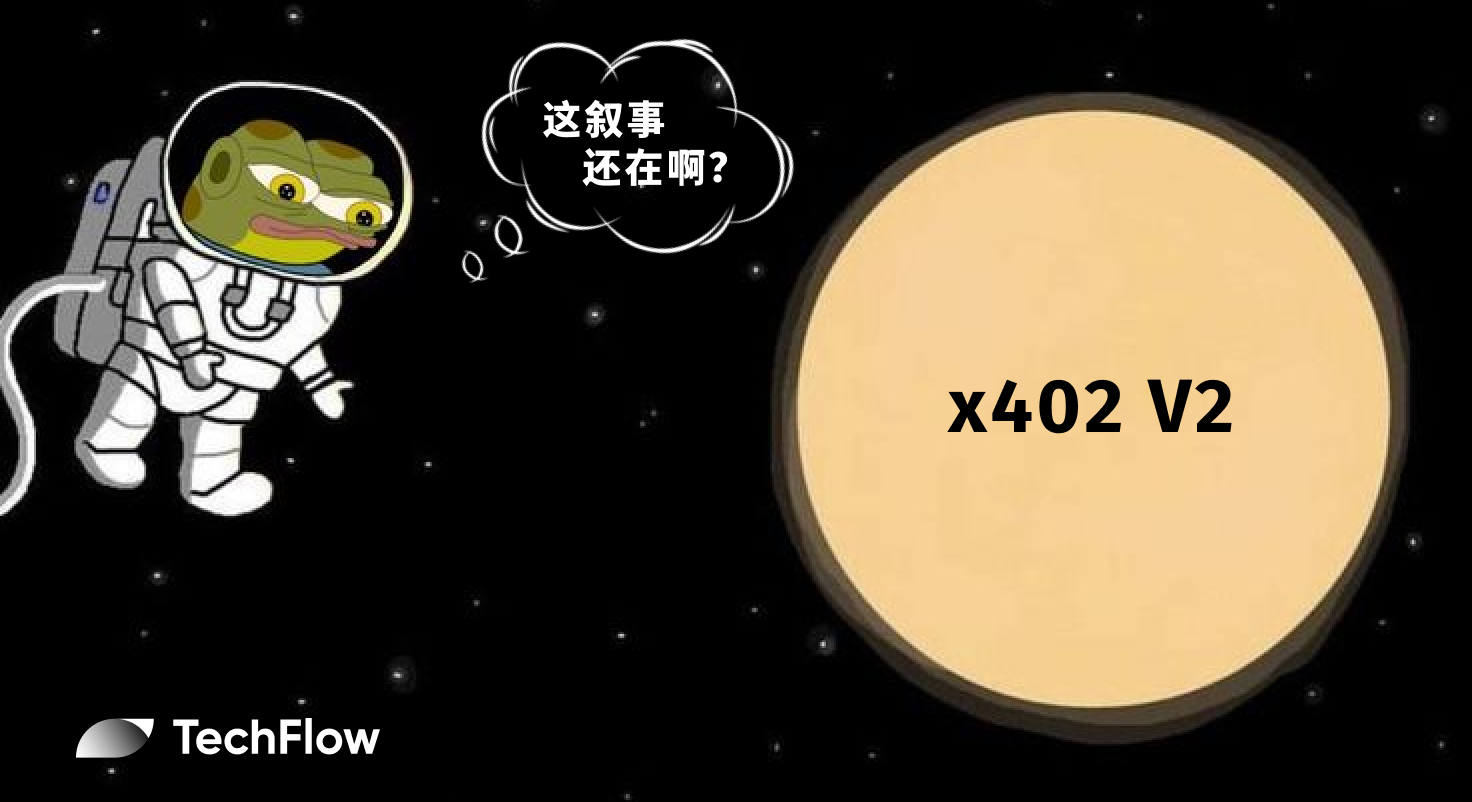
x402 V2 Launch: When AI Agents Get "Credit Cards," Which Projects Will Be Revalued?

x402 V2 Launch: AI Agents Gain "Credit Cards" – Which Projects Will Be Revalued? Coinbase’s x402 protocol has released its V2 upgrade, shifting from a single-chain payment tool for AI agents to a multi-chain, credit-enabled infrastructure. While V1 allowed AI to make on-chain payments via API calls, it was inefficient and costly due to per-transaction gas fees. V2 introduces three major enhancements: 1. **Delayed Payments**: AI agents can now use services first and pay later, enabling session-based or subscription billing. This effectively gives AI "credit," reducing friction and enabling high-frequency transactions. 2. **Multi-Chain Support**: The protocol is no longer limited to Base chain, allowing AI to transact across Ethereum, Solana, and other networks. 3. **Hybrid Payment Rails**: Supports both crypto (e.g., USDC) and fiat payments, bridging Web3 and traditional finance. This upgrade positions x402 as a foundational layer for the "machine economy," potentially revaluing projects in: - **AI Credit & Identity**: Protocols like Spectral (credit scoring), Bond Credit (agent lending), and CARV (decentralized identity) may see demand as AI requires trust and verification for deferred payments. - **Compute & Verification**: DePIN projects (e.g., Akash Network for decentralized compute) and ZKML protocols (e.g., Giza for verifiable AI inference) could benefit from seamless, high-frequency payment channels. - **Agent Execution Platforms**: Projects like Virtuals Protocol (AI agent issuance) and Brahma (on-chain execution) may leverage x402 for cross-chain agent operations and automated DeFi strategies. The update signals a shift from investing in "smarter" AI models to financing AI economies—where credit, identity, and execution layers become critical. Early-stage infrastructure projects in these areas could capture value as AI agents evolve into independent economic entities.

深潮11m ago

x402 V2 Launch: When AI Agents Get "Credit Cards," Which Projects Will Be Revalued?

深潮11m ago

Trading

Spot
Futures
活动图片