According to analysts, the main reasons for the cryptomarket's stagnation lie outside the crypto industry. The US Consumer Price Index in July increased by 0.1% compared to the previous month, matching forecasts. Weak retail sales and consumer sentiment have lowered the likelihood of a key interest rate hike by the US Federal Reserve (Fed) in September.
Over the week, Brent crude oil rose in price by 7.91% due to increased tensions around the Strait of Hormuz. As noted in the Wintermute review, only five vessels passed through it on Saturday, and none on Sunday. In the previous weekend, 31 vessels were observed.
Experts at the market maker believe that a further increase in oil prices could accelerate inflation in the US as early as August. In such a case, the main financial regulator would receive an additional argument for maintaining a tight policy, Wintermute specialists suggest.
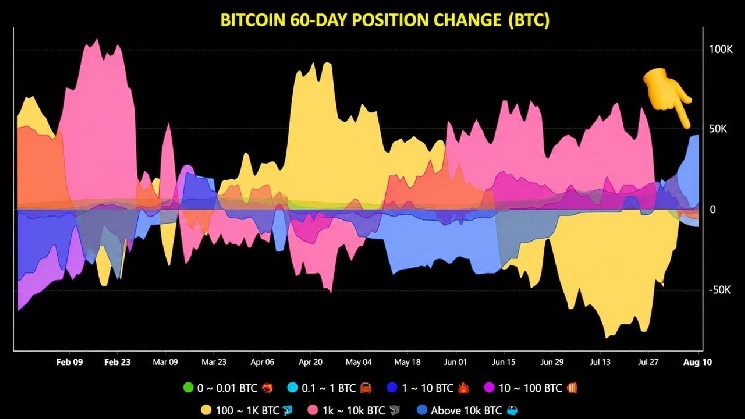
Another source of pressure on major cryptocurrencies, according to Wintermute, is the sale of 4,300 bitcoins by the major company Riot Platforms in the second quarter — after selling 3,778 $BTC in the first. By the end of June, the company's reserves had shrunk to 11,380 $BTC. The problem is not limited to Riot. Against the backdrop of a record hash rate, the costs for some companies exceed mining revenues. This forces miners to sell accumulated coins to cover expenses and finance new business directions, including infrastructure for artificial intelligence needs.
For the cryptomarket to recover its positive dynamics, a return of capital is needed not only to spot Bitcoin ETFs but also to other segments of the cryptomarket, Wintermute analysts announced.
Earlier, experts from the trading company QCP Capital named the factors putting pressure on the cryptomarket. Among the main ones are tensions around Iran, inflation risks in the US, and uncertainty regarding the prospects of the AI industry.
end-content