【每日公链】SOL交易所锁仓占比37%,AVAX锁仓达101亿美元

火必研究院Published on 2022-03-25Last updated on 2022-03-25

Abstract

自2017年开始规模化涌现埋伏,于时代的车轮中不断优胜劣汰,直至今年,公链迎来了集体爆发。

自2017年开始规模化涌现埋伏,于时代的车轮中不断优胜劣汰,直至今年,公链迎来了集体爆发,从插槽拍卖的跨链网络Polkadot,到Solana、Avalanche、Cardano等众多新兴公链兴起。由以太坊塑造极具争抢需求的公链人设,催生出更大的市场机遇。

公链项目百余条通用和跨链为新趋势

目前活跃的公链有多达100多条,按链的属性又可分为单链和跨链,而跨链又以波卡为代表并成为这个时代的主流趋势。总体来说,公链的数量已经形成了一定的规模,竞争相当激烈。

1、Solana

Solana掀公链热潮他们之间有何不同?

Solana的大火直接搅动了公链阵营的热潮,包括Avalanche、Fantom、Near等争奇斗艳,市场对公链的关注度一波高过一波,不论是资本、项目方还是开发者,都对这一赛道充满了兴趣。那么,他们之间有哪些不同?

从技术架构上:

Solana:PoH时钟方案

不同于大多数的分片+ETH2.0方案,Solana创造了公链圈内独具创新的PoH时钟机制.该方案通过将出块时间和状态解耦,在全局共识上,并不受限于区块大小和出块时间的硬要求,通过全局时钟为所有节点产生全局可用的时间链,状态更新可以按照异步方式进行,验证者可以实时向其它节点发送状态更新,PoH时钟给予Solana生态的参与者更大的可拓展空间,进一步提升和拓展了全局的吞吐能力。

锁仓数据

SOL锁仓规模从高位回调,2021年峰值可达150亿美元。3月24日,锁仓规模达到了73.4亿美元,锁仓量数据回调空间较大。
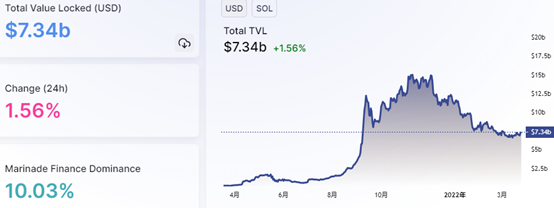
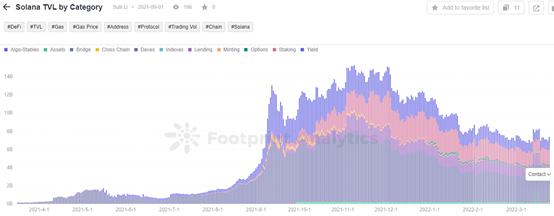
SOL链上锁仓占比方面,借贷锁仓和去中心化交易所锁仓占比较大,而借贷、质押和挖矿锁仓规模较小。借贷锁仓在3月24日最新数据显示,去中心化交易所锁仓27.6亿美元,而借贷、质押和挖矿11.7亿美元、16.5亿美元和14亿美元。
代币价格

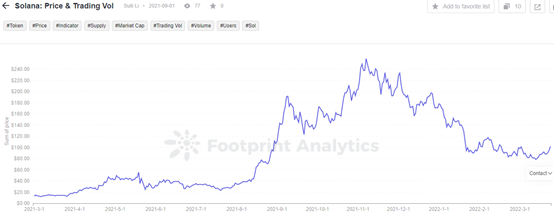
SLOL价格与锁仓量联动效果较好,SOL价格从高位240美元以上回落到最低80美元附近。目前3月24日的价格为102美元。后期可关注生态发展情况,以及锁仓量上行与价格回升的交易机会。
2、Avalanche:三链结构

Avalanche雪崩协议凭借激励手段进入公众视野,实现了币价、锁仓量的大幅上涨。同样作为智能合约平台,Avalanche在架构设计上非常新颖,采用了X链、C链、P链的三链结构。X链为交易链,主要处理个人之间点对点的资产创建及交易事务;C链为兼容EVM的智能合约链,基本的DeFi项目均构建于C链之上;P链为平台链,主要负责代币质押、协调网络验证者、创建自定义子网等事务。三链各司其职,却又相辅相成,进一步解放了Avalanche的网络性能。

锁仓数据

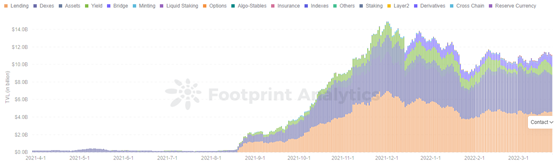
Avax锁仓数据在2021年增长突飞猛进,数据从低位20亿美元回升到最高140亿美元以上,增长空间达到了6倍以上。目前的TVL数值为101.5亿美元。
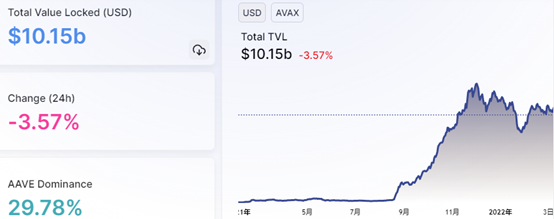
AVAX链上锁仓占比方面,借贷、锁仓和去中心化交易所锁仓占比较大,而挖矿和跨链锁仓规模较小。借贷锁仓在3月24日最,借贷锁仓规模为46亿美元,去中心化交易所锁仓40亿美元,而挖矿和跨链锁仓规模为9亿美元和11亿美元。
代币价格

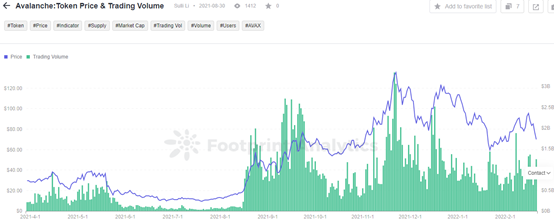
AVAX在2021年经历了较大增长,从2021年8月的15美元回升到高位135美元。2021年下半年到2022年初,AVAX价格维持在85美元附近。相比TVL回落的附近,价格方面回调空间更大,接下来可关注低吸机会。

Related Reads

SK Hynix Q2 Profit Soars Sixfold, Still 'Misses Expectations'; Secures Long-Term Agreements with 10 Clients, HBM4 to Accelerate Volume Ramp in Second Half

SK Hynix reported record-breaking Q2 2026 financial results, with operating profit soaring 557% year-over-year to 60.5 trillion won and revenue increasing 257% to 79.3 trillion won, driven by strong demand for AI server memory, HBM, and enterprise SSDs. The operating profit margin reached 76.3%. However, both figures fell short of analyst expectations, leading to a drop in its share price. The company attributed the earnings miss to three factors: a high sales mix of HBM, which limited upside from surging prices of general-purpose DRAM; a deceleration in memory price increases compared to Q1; and long-term supply agreements (LTAs) with major customers that lock in prices, reducing sensitivity to spot market gains. SK Hynix has signed LTAs with about 10 clients, covering roughly half of its sales. Despite the miss, the company remains optimistic about AI-driven demand. Its net profit of 93.9 trillion won was significantly boosted by a one-time gain from the partial sale of its Kioxia stake. Financially, it strengthened its cash position, ending the quarter with a net cash position of 69.4 trillion won. Looking ahead, SK Hynix plans capital expenditures at the high end of its 40-50 trillion won range for 2026 to expand capacity for HBM and advanced NAND products, including accelerating the mass production of HBM4 in the second half of the year.

marsbit10m ago

SK Hynix Q2 Profit Soars Sixfold, Still 'Misses Expectations'; Secures Long-Term Agreements with 10 Clients, HBM4 to Accelerate Volume Ramp in Second Half

marsbit10m ago

Behind the 67,000 Semiconductor Talent Shortage: U.S. Industrial Policy Game and Implications for China

The U.S. push to reshore semiconductor manufacturing faces a core challenge: a significant talent shortage. While over $770 billion in investments are planned across 160 projects, a key hurdle is finding enough people to run the new fabs. According to industry projections, the U.S. could face a shortage of approximately 67,000 technicians, engineers, and computer scientists by 2030. This shortage is multi-faceted. It includes not only high-level chip design engineers requiring advanced degrees but also a substantial need for technicians to operate and maintain fab equipment. Technician roles, while often requiring less formal education, are hard to fill due to factors like shift work, factory locations, and local community infrastructure. Conversely, for high-end engineers, the issue is less about salary—which is already competitive—and more about intense competition for specialized skills from other tech sectors and the long lead time to develop such expertise. The geographic dispersion of new investments complicates recruitment, as fabs need large numbers of local, stable employees. In response, U.S. policy emphasizes building workforce development as critical infrastructure. Strategies include expanding community college programs for technician training, fostering industry-education partnerships, and pursuing immigration reforms for high-skilled talent, aiming to balance immediate needs with long-term domestic pipeline development. For China, the key takeaway is the need to integrate talent supply planning with factory construction from the outset. This involves requiring companies to submit workforce plans, strengthening vocational education aligned with industry needs, and building supportive local ecosystems to retain talent. Ultimately, a sustainable semiconductor industry depends not just on building fabs, but on cultivating a continuous, local talent pipeline capable of keeping them running and advancing.

marsbit1h ago

Behind the 67,000 Semiconductor Talent Shortage: U.S. Industrial Policy Game and Implications for China

marsbit1h ago

Trading

Spot
活动图片