AI图像革命已来,我们离AI生成的元宇宙生态还有多远?

元宇宙之心Published on 2022-12-20Last updated on 2022-12-20

Abstract

AI图像革命已经到来,而这将会影响到艺术家的收入。

在科技界,2022年可谓是人工智能之年。在过去的十二个月里,我们看到了人工智能艺术、工具、作家、音乐作曲家和基于人工智能的皮肤分析的爆炸式增长。

但毫无疑问,该领域的明星还得是AI图像生成器。在社交媒体上,由计算机创建的生动数字插图和简单的单词提示已经逐渐代替了普通照片。

目前我们已经可以在元宇宙中看到这项技术。今年早些时候,Mona推出了一款AI Material Designer(人工智能材质设计师),允许其平台上的创作者无需使用代码即可为对象创建纹理。

他们的CEO告诉The Block的记者:“我们正在积极致力于构建这些类型的工具并将其整合到我们社区的创作频道中。我们离用户能够在Mona中使用AI生成资产和整个世界已经不远了。”

然而,人工智能图像生成的接受度并不普遍。

上周,中国政府已有效禁止创建无水印的AI生成媒体。上上周,Adobe开始将AI生成的照片作为库存图片出售,而这一举动威胁到了创意人员的收入。艺术家们也对计算机生成的图像登上ArtStation的“探索”部分的顶部表示不满。

根据一些批判者的说法,AI图像革命已经到来,而这将会影响到艺术家的收入。

元宇宙中的仿冒问题

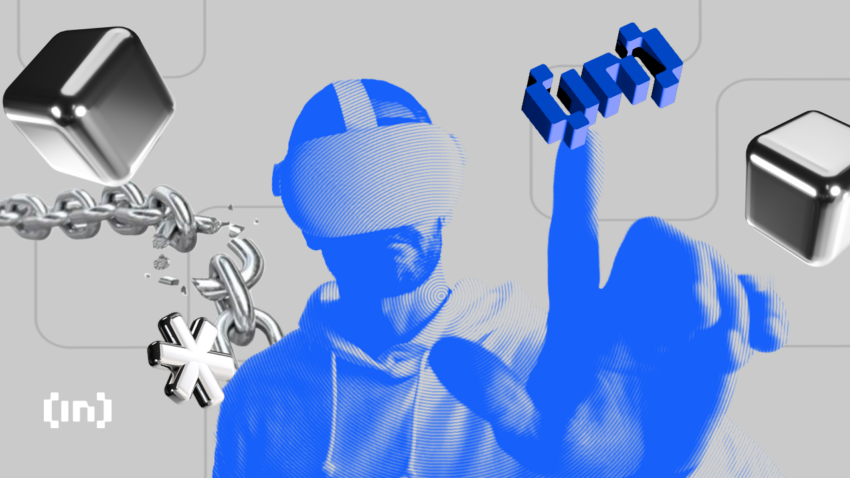
对使用元宇宙AI的一种新担忧是关于人们的照片可能会被操纵。

在一个令人担忧的案例研究中,技术杂志Ars Technica从一名志愿者的七张照片中创造了一个虚构的人。仅使用这个小数据集,他们就能够将约翰放入一系列不同的照片中。

这包括一张色情风格的照片、一套准军事风格的制服和一件橙色的监狱连身衣。虽然这些示例看起来有点恐怖,但更大的数据集或更复杂的AI可能会产生更多侵犯法律的图像。
然而,由于视频现在占据了互联网流量的大部分,元宇宙中最大的风险不在于照片。

近年来,随着像TikTok这样的平台迅速流行起来,真正的危险来自于完全逼真的元宇宙化身。

在一个奇怪的、反乌托邦的将来,这个由用户生成的视频组成的巨大矿山可以作为一个巨大的数据集。用于创建走路、说话的表现形式,无论出于何种意图和目的,都与真实的你无法区分。

诱骗人们与虚构的在线人物建立关系的虚假身份可能会发生险恶的转变。与其偷一两张照片,不如在虚拟世界中成为他们?

随着全球花费更多的时间在线,身份盗用正在增加。在美国,身份盗窃资源中心报告说,与2020年相比,2021年这一数字增加了36%。元宇宙平台将必须努力工作,以确保该问题不会在其人工智能驱动的虚拟世界中被放大。

AI图像VS创作者

对AI生成的艺术最常见的负面观点是它会严重影响艺术家的职业和收入。

有一位对人们使用AI艺术生成器不满意的艺术家是波兰奇幻艺术家Greg Rutkowski,在今年Rutkowski已成为AI图像生成器最受欢迎的灵感来源。

而其原因不难理解,他极具辨识度的风格已被用于各种游戏艺术作品,包括龙与地下城、索尼的地平线禁忌西部、育碧的纪元和万智牌。

9月,他向Technology Review反映了他的艺术被AI模仿所淹没:“这才一个月。一年后呢?我可能无法在那里找到我的作品,因为互联网将充斥着AI艺术……这令人担忧。”

对于元宇宙,整个商业模式可能会受到威胁。虚拟经济的新兴领域之一是数字时尚的兴起。已经进入NFT领域的知名品牌包括Burberry、Givenchy、Louis Vuitton和Prada。

5月,一款用于Robox的虚拟Gucci包的售价高于实物。然而,当可以使用文本提示和AI近乎即时地生产虚拟服装时,我们为什么需要数字时装屋?

Nevermined AG的创始人兼首席执行官Don Gossen认为,存在一个中间地带,大牌仍然可以提供灵感或发挥主导作用。
“在实践中,这可能类似于沃霍尔工厂,艺术家提供前卫的影响力,并可以监督‘工人’以该艺术家的形象创作作品。这需要在创作生命周期中完全透明,从灵感到生产再到销售,每个贡献和贡献者都在价值链中注册并正确归属。”

用AI推动创造力

尽管如此,我们不应该对AI驱动的内容创作如此失望,Kinetix联合创始人兼首席执行官Yassine Tahi说,Kinetix是一家允许用户为虚拟世界创建自定义AI生成表情的公司。

据他介绍,人工智能正在成为构建元宇宙的操作系统:

“对于元宇宙来说,生成式人工智能是一个让人难以置信的机会。对我们来说,它是最大的游戏规则改变者,将推动虚拟世界的采用和参与……好处是双重的:专业人士可以更快地迭代和构建新体验,用户可以扩展他们的技能组合并突然成为虚拟创造者。”

对于其他人来说,人工智能火车已经出站了,而我们的工作就是抓紧这个机会登上这趟列车。根据Decentraland基金会创意总监Sam Hamilton的说法,该技术可以并且应该被用于创造更好的元宇宙体验。

今年8月,Decentraland举办了自己的元宇宙艺术周。该活动以AI建模的建筑、AI诗歌朗诵以及使用该技术制作的营销视觉效果为特色。

“当用于创意产业时,如果使用得当,它可以提高生产力,但它不会取代人类艺术家。元宇宙中也会有很多AI作为NPC和支持机器人。我们已经有了文本到视频的功能,而文本到3D的模型显然会在体验构建方面加快速度。”
Related Reads

Securitize's First Post-IPO Financial Report Bombshell: Is the 'Compliant Tokenization' Narrative Failing to Sell?

Securitize, a tokenization platform, released its first earnings report since going public in July 2026, revealing disappointing Q2 results. Revenue fell 5% year-over-year to $14.43 million, missing estimates, while the net loss widened significantly to $21.68 million. Despite achieving record tokenized assets under management of $4.3 billion and a 147% surge in platform trading volume, overall assets under administration declined by 20%. The company's stock (SECZ) dropped over 20% in after-hours trading following the report. The article highlights a key concern: Securitize's revenue declined despite substantial trading growth, suggesting either compressed fees or an unclear business model. While Securitize maintains its focus on regulatory compliance—securing key partnerships with entities like Computershare and NYSE, and obtaining an SEC investment advisor registration—its tangible progress in the new tokenized stock business has been slow. Apart from tokenizing its own stock (SECZ) upon listing, it has not launched other tokenized equities. Analysts note that SECZ's high on-chain market capitalization is misleading, as it resulted from a one-time distribution to shareholders rather than organic investor demand. The market's patience is waning as investors prioritize real business metrics like market share and user adoption over the "compliant tokenization" narrative. Securitize's market value has fallen 36% from its debut, reflecting growing concerns over its shrinking revenue and the delayed execution of its tokenized stock initiatives.

Odaily星球日报8m ago

Securitize's First Post-IPO Financial Report Bombshell: Is the 'Compliant Tokenization' Narrative Failing to Sell?

Odaily星球日报8m ago

Why Every Investor Needs to Pay Attention to the Federal Reserve

Why Every Investor Should Follow the Federal Reserve Key developments on August 12, 2026, demonstrate how crucial the Fed is. Following the CPI report that matched expectations, markets instantly repriced stocks, bonds, and currencies, adjusting the probability of a September Fed rate hike. The Federal Reserve controls the federal funds rate, the anchor for all borrowing costs. Its "dual mandate" is to maintain stable prices and maximum employment. The current policy rate is 3.50%-3.75% after a series of cuts from 2024-2025. Understanding Fed actions is vital for your portfolio: - **Rate Hikes:** Slow the economy to fight inflation. They pressure growth/tech stocks (due to higher discount rates) and lower bond prices but can initially benefit banks. - **Rate Cuts:** Stimulate the economy. They typically boost growth stocks and bond prices while lowering borrowing costs for consumers and businesses. - **Holding Steady:** Still impactful. Current restrictive policy, with positive real interest rates, continues to weigh on the economy. Market-moving signals now come more from economic data than official guidance. A key change is new Fed Chair Kevin Warsh, who has reduced forward guidance, making each data release (CPI, PCE, jobs reports, GDP) more critical for predicting Fed moves. In this environment, investors should track key reports, compare data to market expectations, and understand what is already "priced in." The focus now is on the September 15-16 FOMC meeting. The August CPI (due Sep 11) and jobs report (Sep 5) will be decisive. Ultimately, interest rates are a powerful, continuous force on all assets. Learning to interpret the data that drives Fed policy is an essential skill for navigating today's markets.

marsbit11m ago

Why Every Investor Needs to Pay Attention to the Federal Reserve

marsbit11m ago

MicroStrategy Sells BTC Without a Price Drop, Is STRC's Rebound Truly Good News?

The cryptocurrency market is currently experiencing extreme quiet, with BTC weekly trading volume at its lowest since 2023 and implied volatility hitting bottom. Liquidity is thin, as evidenced by a muted price reaction to CPI data. The market's primary issue is a lack of active participants, not just news. Options data shows traders are pricing in higher short-term downside risks. Market makers' gamma positioning suggests a critical support zone between $61,000 and $60,000; a break below could accelerate a downturn. Two developments are being interpreted bullishly: MicroStrategy (MSTR) selling a small portion of its BTC without causing a price crash, and the rebound of its preferred shares (STRC) from lows near $73 to over $95. However, an alternative bearish interpretation exists. The low liquidity means large entities cannot exit sizable positions easily. A STRK recovery towards $100 could provide the buying pressure these sellers need to finally offload BTC, making the apparent利好 (positive news) actually improve selling conditions. STRC faces a structural ceiling at $100 because MSTR has signaled it will issue new shares around that price, capping upside and inviting short sellers. While recent buybacks boosted the price, they haven't solved this core problem. If STRK cannot sustainably break $100, concerns will grow about MSTR needing to sell BTC for funding. Finally, the Bitfinex Long positions indicator, which typically moves inversely to BTC price, has become ineffective and flat-lined near multi-year lows, offering no directional signal. Large traders are not accumulating on dips as they once did.

marsbit12m ago

MicroStrategy Sells BTC Without a Price Drop, Is STRC's Rebound Truly Good News?

marsbit12m ago

Silicon Valley Tech Giants No Longer Need Ethicists

Silicon Valley tech giants are once again sidelining ethicists. Chloé Bakalar, OpenAI's dedicated AI Ethics Lead, left the company in July, a departure emblematic of a broader trend where ethics teams are being disbanded or marginalized in the race for AI dominance. Bakalar's career highlights the tensions between ethical governance and commercial speed. She first made her mark at Meta (formerly Facebook), where she pioneered "embedded ethics," developing tools like checklists to translate abstract principles like fairness and transparency into concrete engineering steps. Her framework aimed to embed ethical considerations throughout a product’s lifecycle—from initial design and data handling to user interaction and deployment. However, this approach faced significant internal resistance. At Meta, her Responsible AI team was eventually disbanded as the company prioritized rapid development, especially in the generative AI race with OpenAI. Bakalar then joined OpenAI in 2025, hoping to influence cutting-edge model development directly. Yet, as the company's sole dedicated ethicist, she reportedly struggled with limited influence and resources amidst intense commercial pressures, leading to her departure after roughly a year. Her exit is not isolated. Similar patterns have emerged across Silicon Valley, with ethics and safety teams at Twitter (post-Musk acquisition) and OpenAI's own "superalignment" team being dissolved. These departures reveal five core, unresolved tensions: 1) the fatal conflict between commercialization speed and ethical caution; 2) the role mismatch where ethicists have prestige but little real decision-making power; 3) the dilution of responsibility when ethics is decentralized as "everyone's job"; 4) the inevitable "translation loss" when complex philosophical values are reduced to quantifiable engineering metrics; and 5) the fundamental clash between academic independence and corporate secrecy. Bakalar’s trajectory suggests that embedding meaningful ethical oversight within hyper-competitive tech companies is profoundly difficult. Lasting change may require external regulatory pressure, like the EU's AI Act, or a fundamental reimagining of the ethicist's role from an internal auditor to a cross-disciplinary builder with genuine authority.

marsbit42m ago

Silicon Valley Tech Giants No Longer Need Ethicists

marsbit42m ago

Trading

Spot
活动图片