12张图解读11月加密市场数据,受FTX影响有多大?

the block cryptoPublished on 2022-12-02Last updated on 2022-12-05

Abstract

刚刚过去的11月,加密市场几乎被FTX和Alameda Research的暴雷事件“主导”,整个行业开始去风险化,投资者也开始将加密货币从交易所取出并进行自我托管。

刚刚过去的11月,加密市场几乎被FTX和Alameda Research的暴雷事件“主导”,整个行业开始去风险化,投资者也开始将加密货币从交易所取出并进行自我托管。在这些趋势推动下,加密市场发生了哪些变化呢?让我们用12张图来进行深入解读。

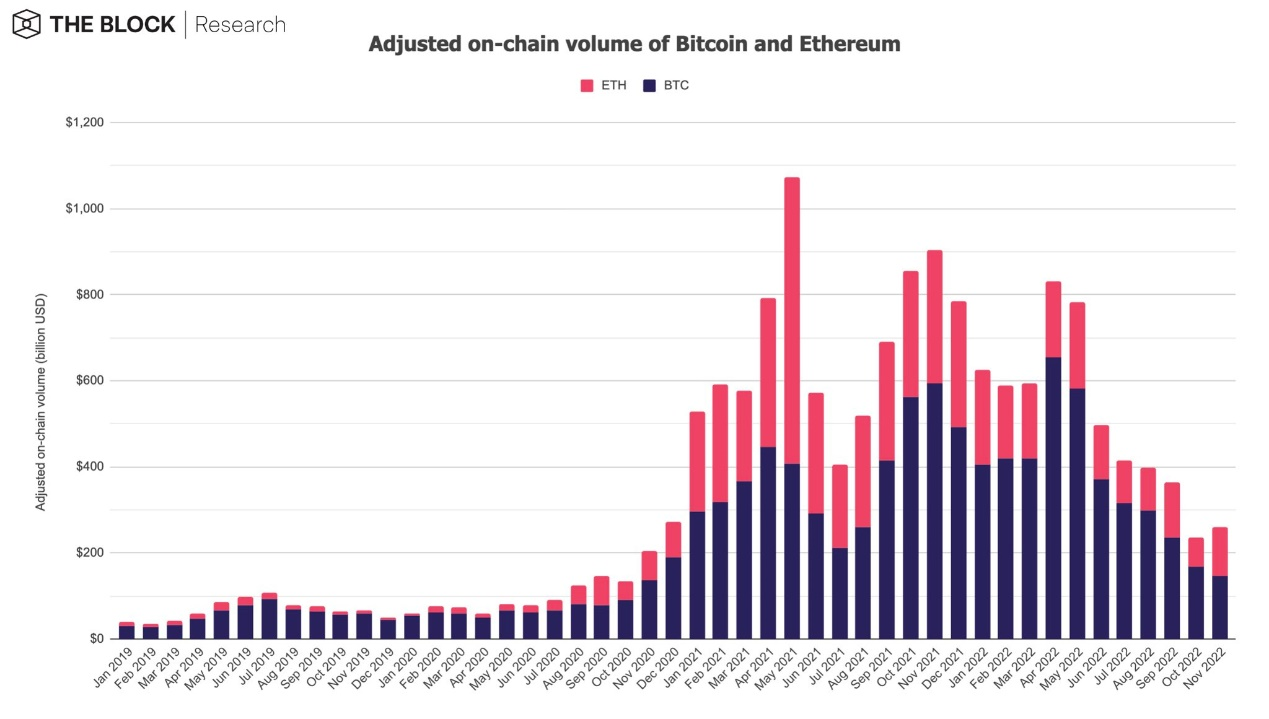
1、11月加密市场调整后链上总交易额有所增长,达到2600亿美元,增幅为9.9%,其中比特币链上交易额下降了13.1%,以太坊链上交易额上涨了66.7%。
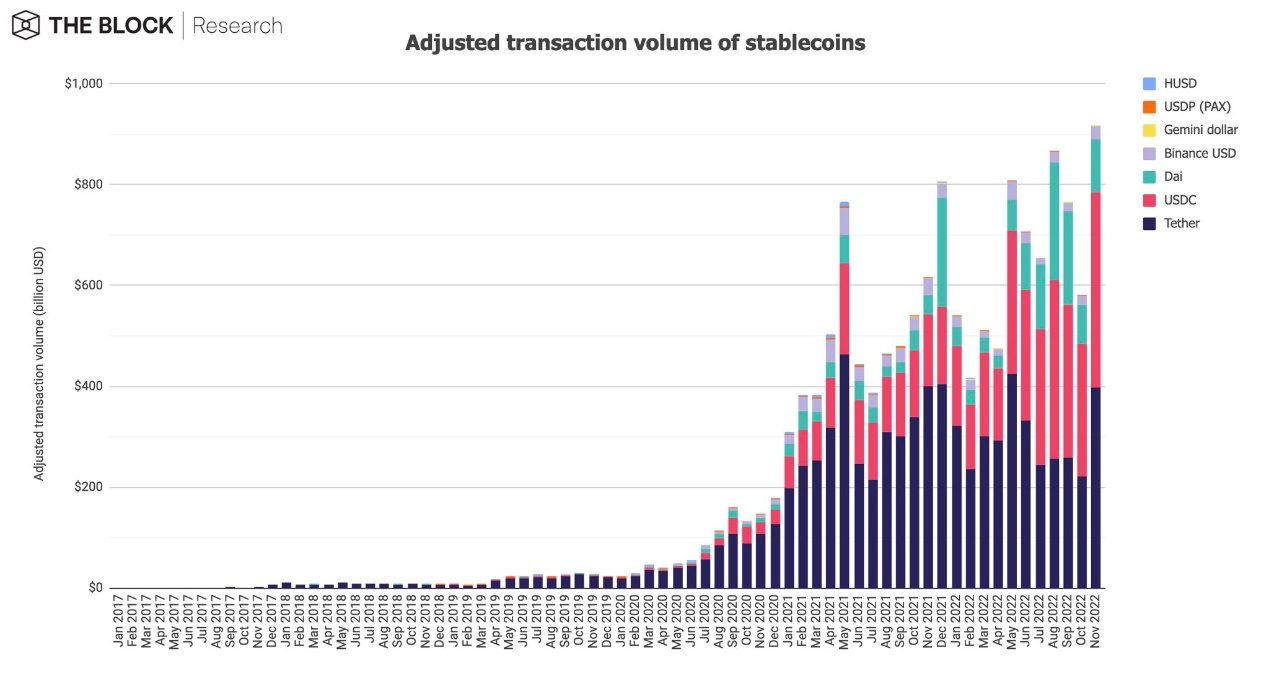
2、调整后的稳定币链上交易量增加了58.3%,达到9186亿美元,创下单月交易额历史新高。已发行的稳定币供应量在11月增加了1.8%,达到1395亿美元,其中USDT市场份额有所下降,跌至50.5%,而USDC市场份额则上升至28.7%,但USDC年内发行供应量则下降了2.7%。
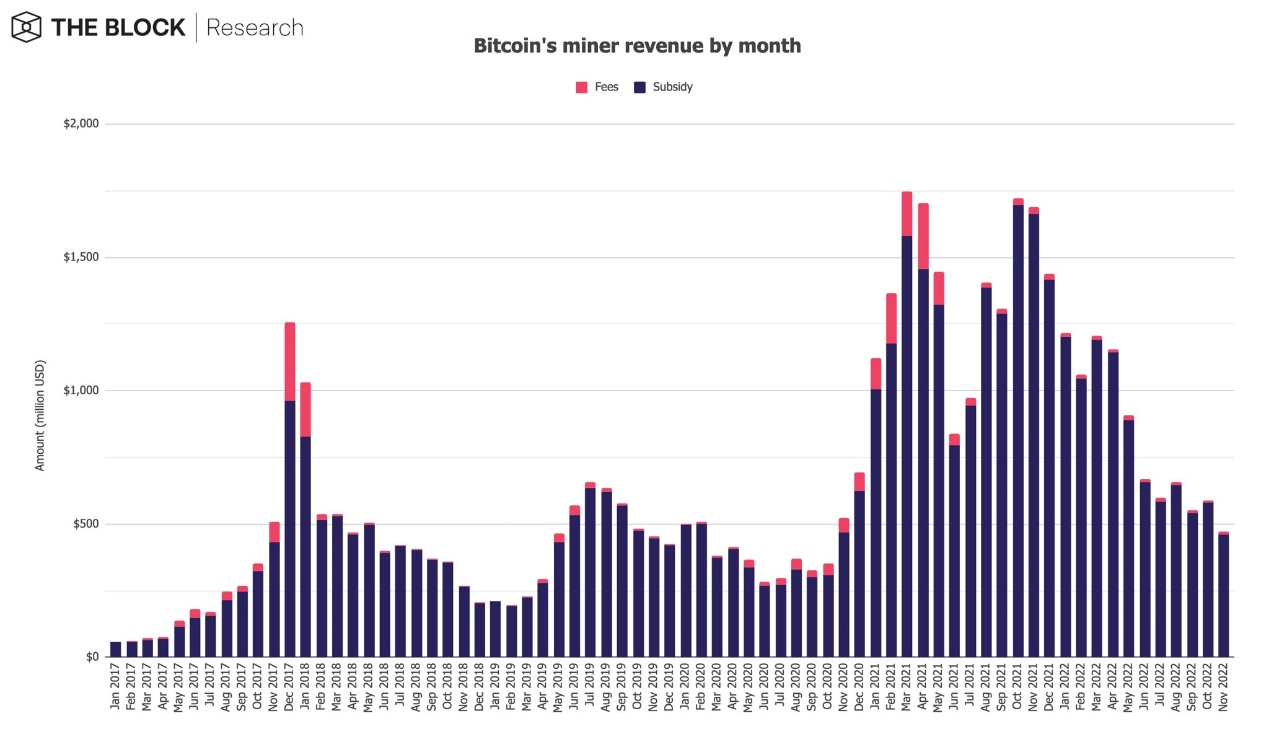
3、比特币矿工收入在11月下降了19.9%,跌至4.826 亿美元,同时ETH质押者收入也有下降,11月为8880万美元,降幅2.6%。
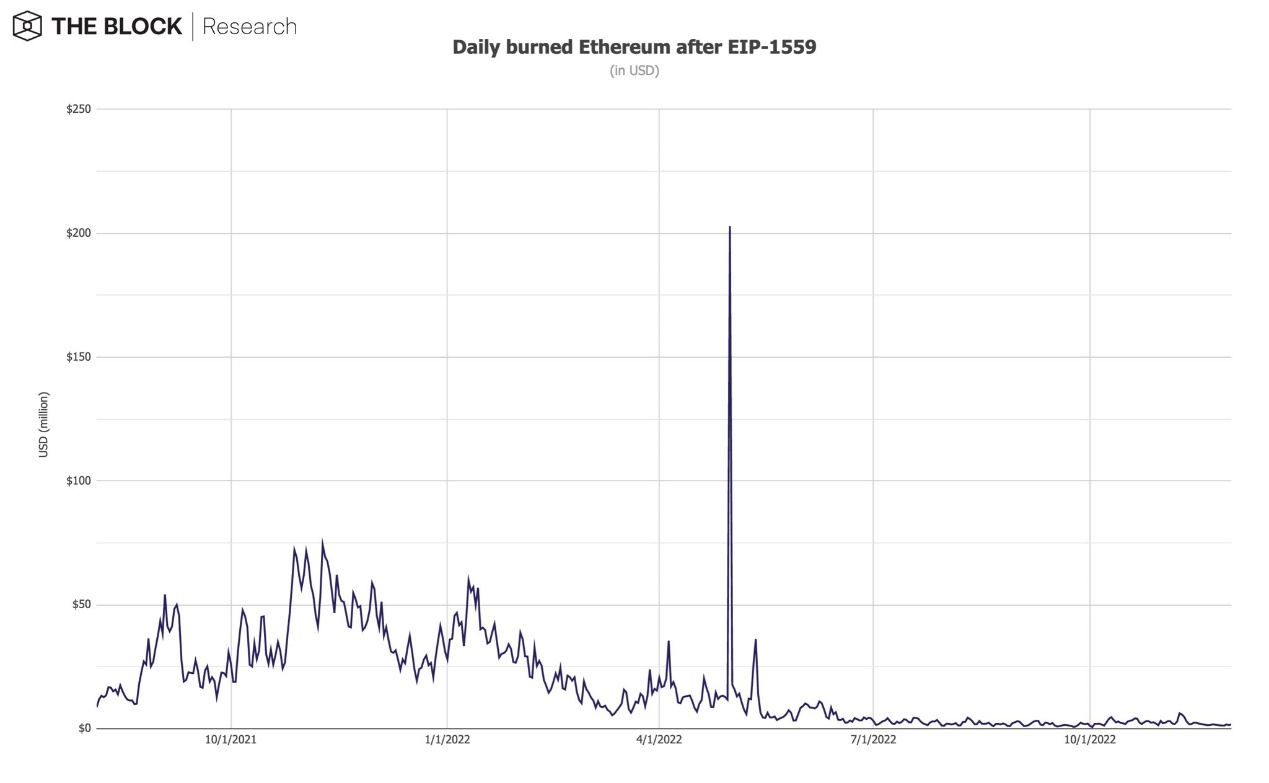
4、11月以太坊链上ETH销毁量达到53,155 枚,约合6,860万美元,值得一提的是,今年5月初ETH销毁量飙升是由Otherside虚拟地块NFT销售引起的。此外,自2021年8月上旬实施EIP-1559以来,以太坊网络一共销毁了275万枚ETH,约合87.3亿美元。
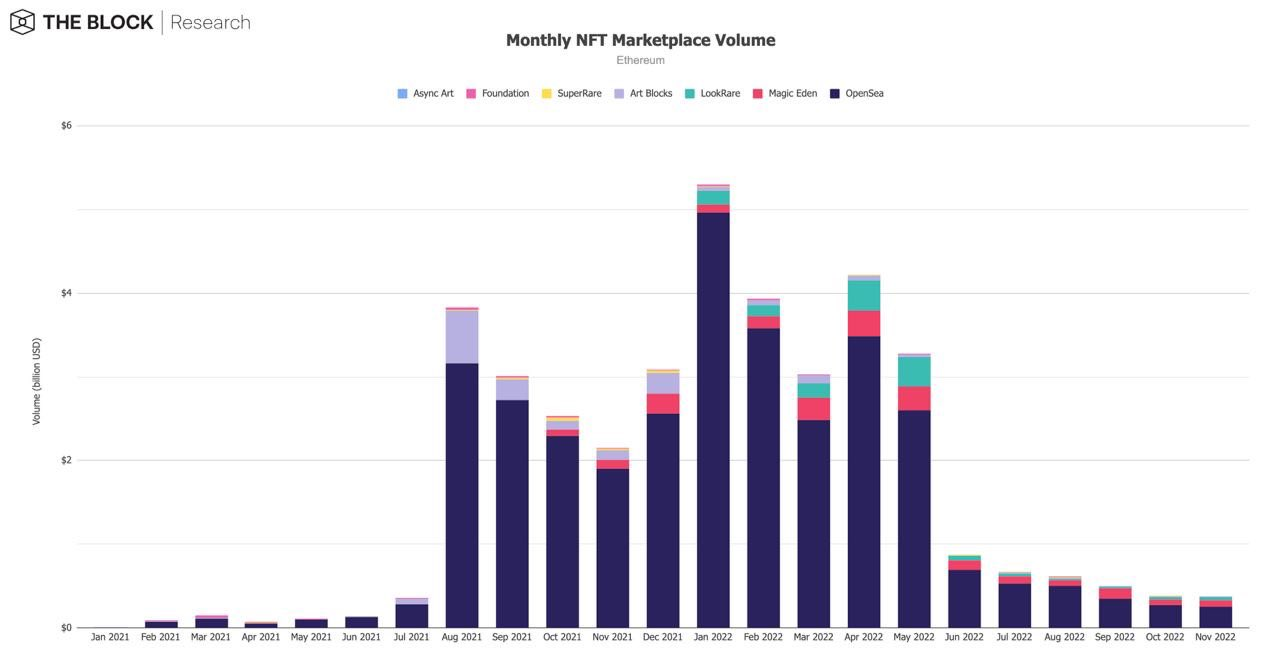
5、11月以太坊链上NFT市场交易额进一步下降,跌至3.814亿美元,跌幅为0.9%。需要注意的是,自2022年1月以来,NFT市场LooksRare交易量已重新调整并排除了洗售交易。
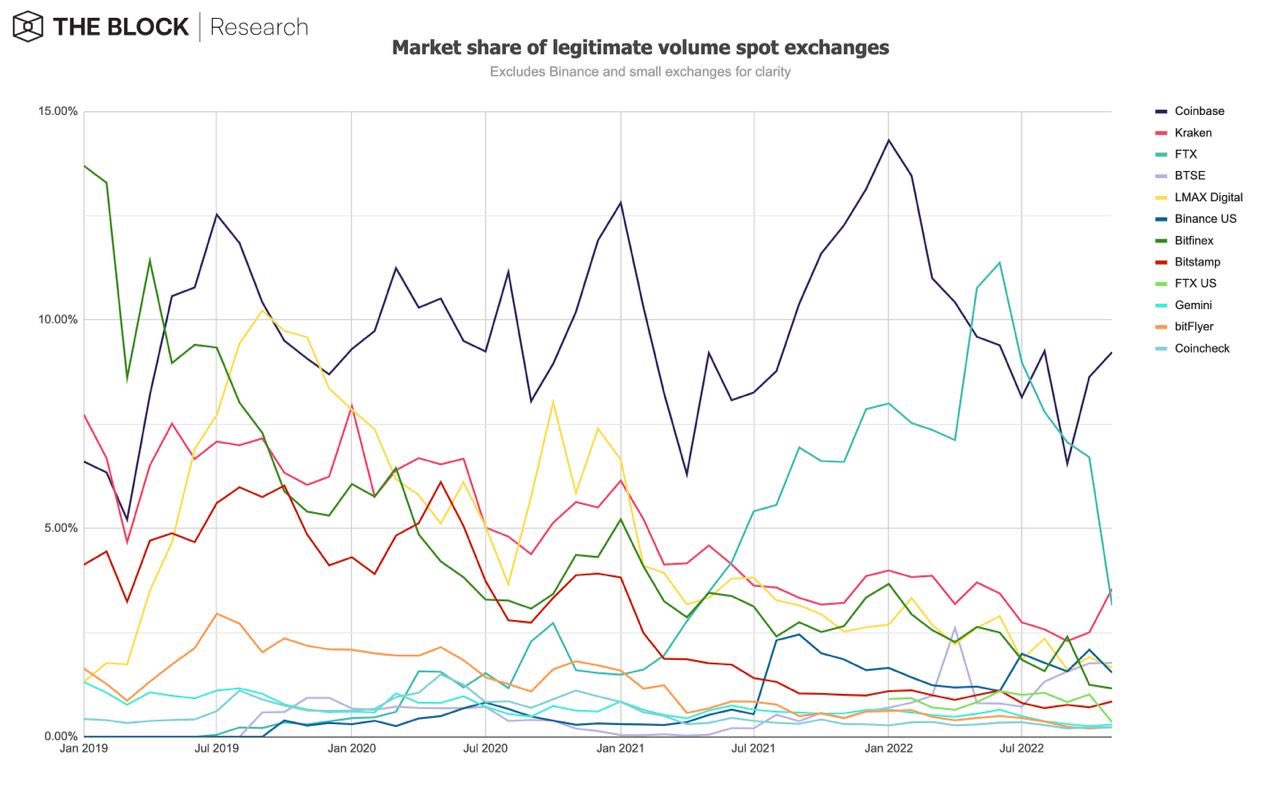
6、合规中心化交易所的现货交易额上涨23.7%,达到6729亿美元。
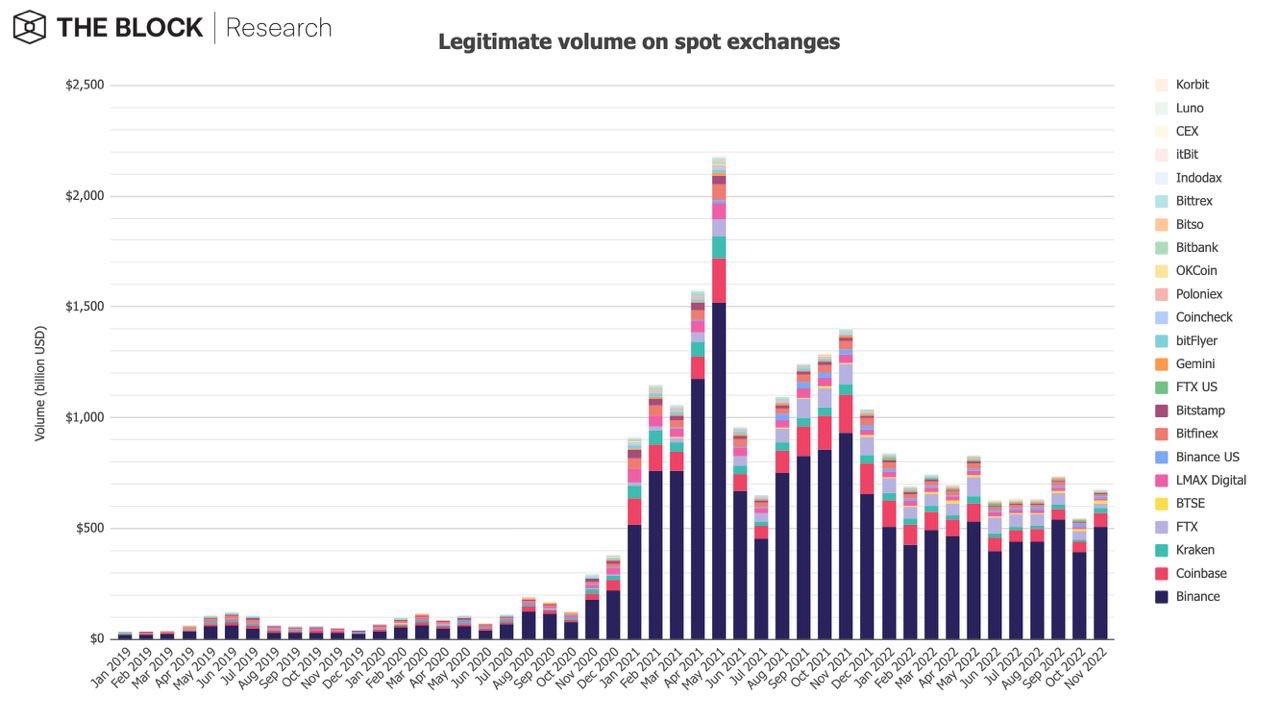
7、另一个需要关注的指标是交易所市场份额占比,在11月,币安市场份额占比超过四分之三,达到75.1%,Kraken市场份额占比为9.2%,FTX跌至3.1%。
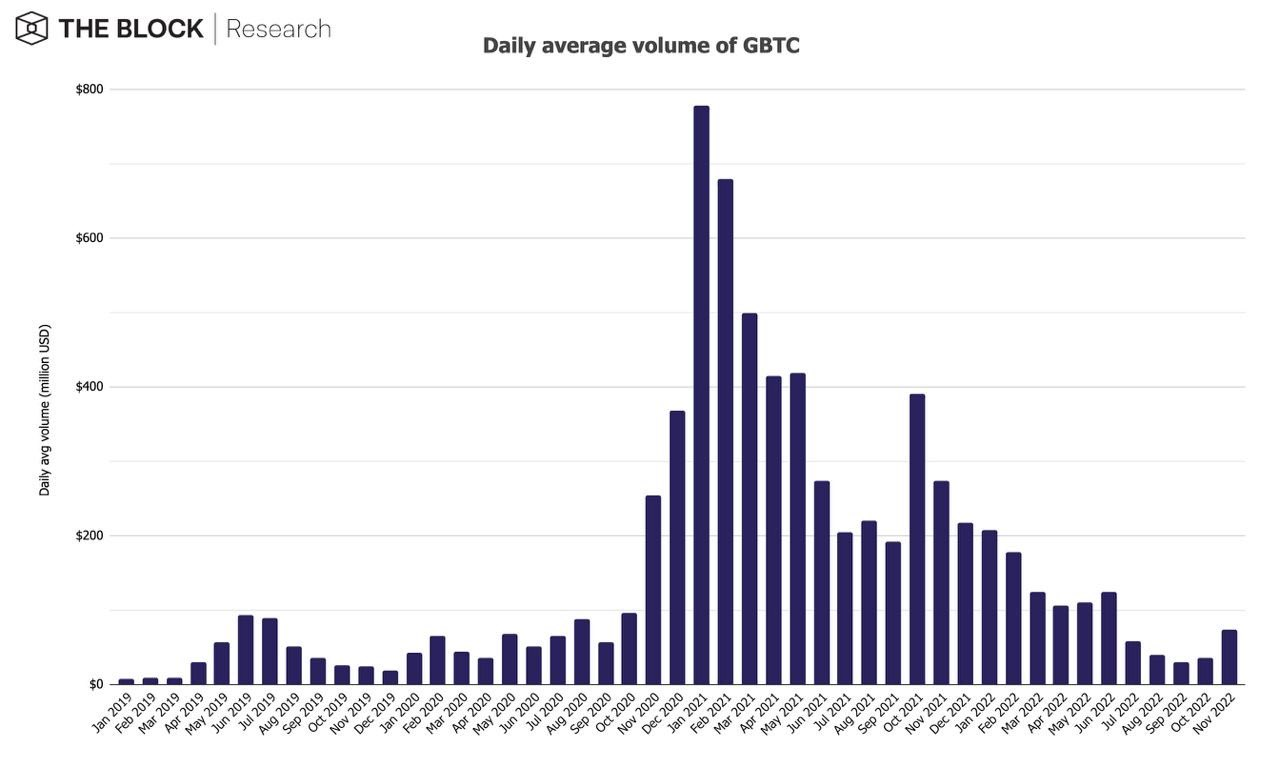
8、11月灰度比特币信托基金GBTC的日均交易额增长108.6%,达到7400万美元。
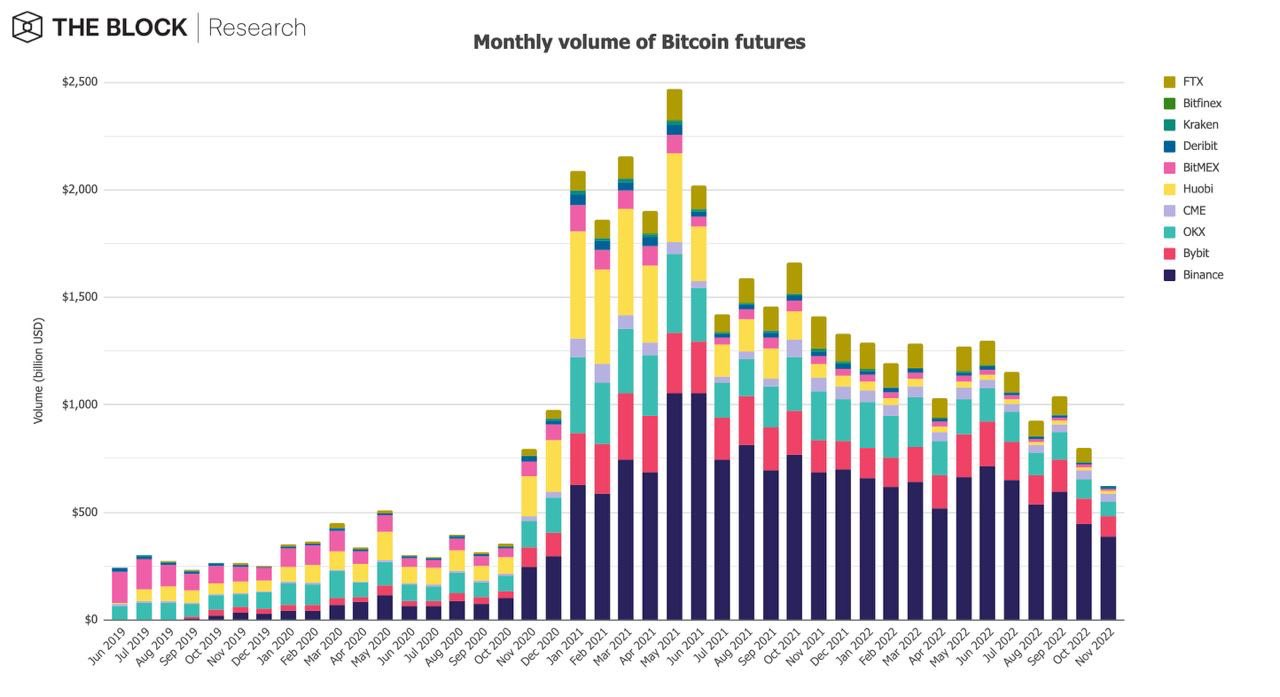
9、在期货持仓量方面,11月BTC期货和ETH期货持仓均有所下降,其中比特币期货持仓量下跌了16.1%,以太坊期货持仓量跌幅高达40%。在期货交易额方面,BTC期货和ETH期货交易额也都出现下跌,其中比特币期货11月交易额跌至6220亿美元,跌幅为22.3%。
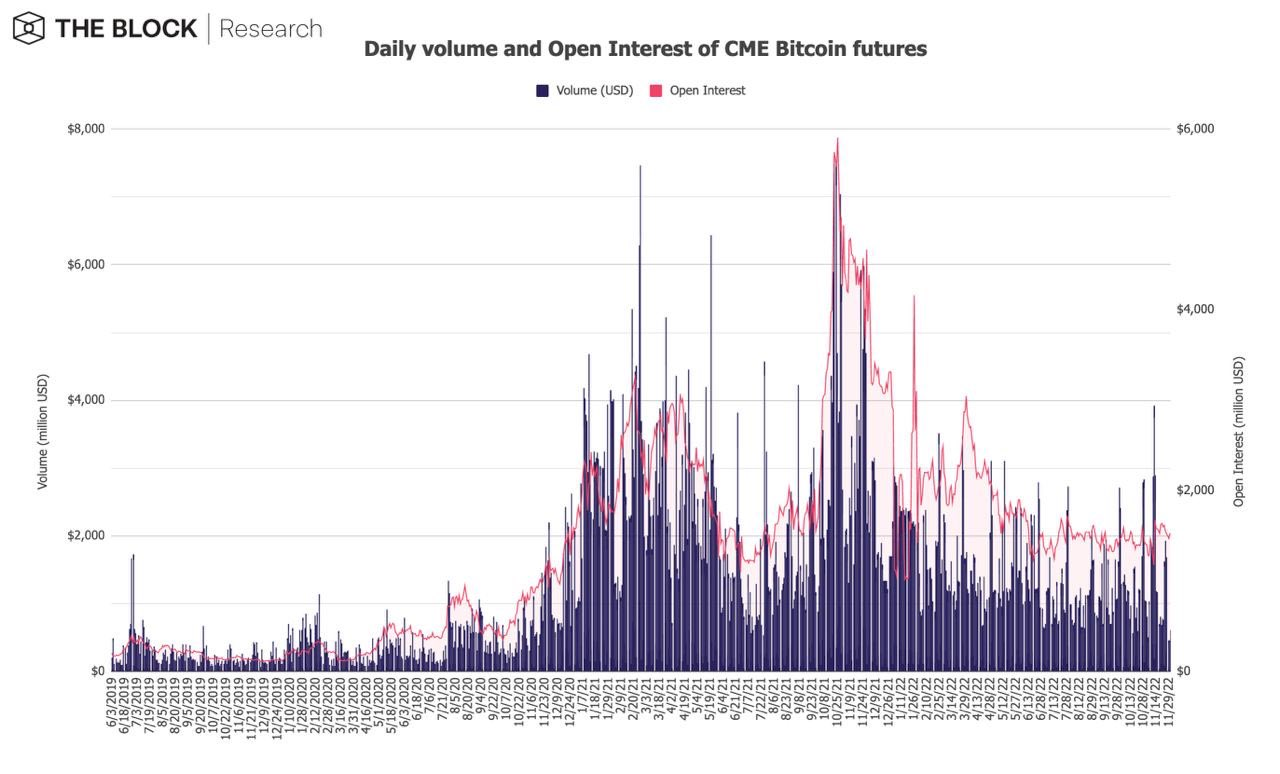
10、芝商所比特币期货未平仓合约增加了7%,甚至15.3亿美元;日均成交量增长3.9%,升至13.5亿美元。
11、11月以太坊期货月交易额下跌6%,跌至5930亿美元。
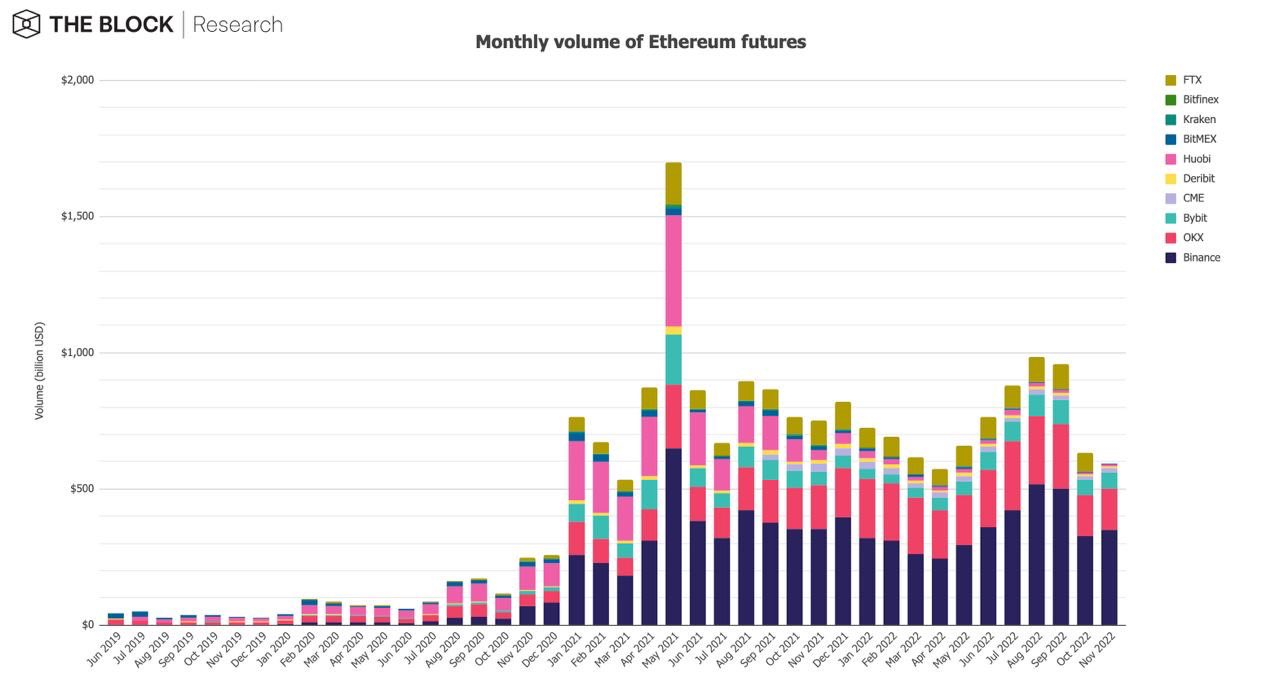
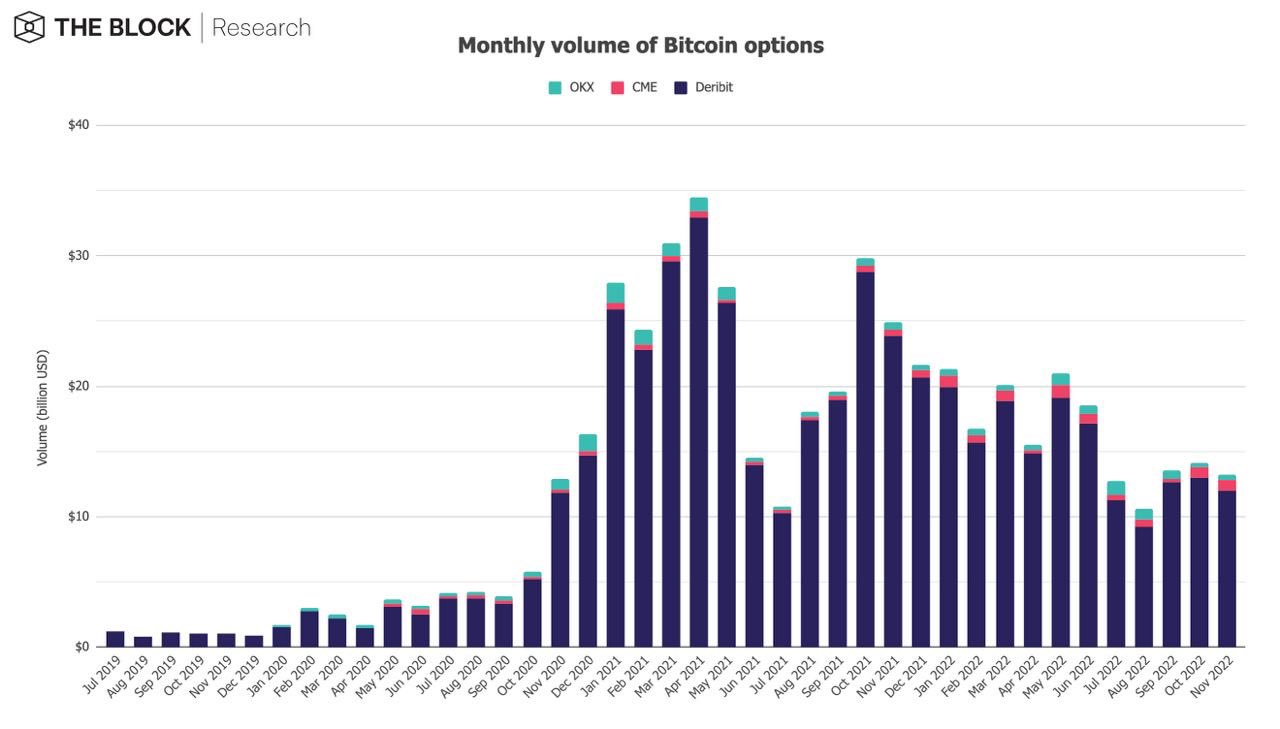
12、在加密货币期权方面,BTC期权和ETH期权持仓量均出现下降,其中比特币期权持仓量跌幅为18.9%,以太坊期权持仓量下跌32.6%。此外,比特币期权交易额和以太坊期权交易额同样也有所下降,其中比特币月度期权交易额跌至133亿美元,下降5.7%,而以太坊月度期权交易额跌幅达到11.5%,降至100亿美元。

Related Reads

After Tokenized U.S. Treasury Bonds, Tokenized Stocks Are Becoming the New Battleground for RWA

**Tokenized Stocks Emerge as the New RWA Battleground** Following the initial surge of tokenized U.S. Treasuries, the tokenized stock market is rapidly expanding in both scale and quality. Unlike the currently stagnating treasury tokenization market, tokenized stock offerings are seeing significant growth and attracting major players from traditional finance, fintech, crypto exchanges, and native Web3 platforms. The U.S. SEC has outlined a framework for tokenized securities, which applies to stocks: **Issuer-Sponsored Tokenized Securities** (direct tokenization by the issuer, inheriting all shareholder rights but with strict compliance, e.g., Securitize); **Custodial Tokenized Securities** (tokenization of custodied interests, e.g., DTCC, Ondo's recent IVV/MU tokens); **Linked Securities** (tokenized debt notes backed by the stock, offering price exposure and greater on-chain utility, e.g., Ondo, xStocks, Robinhood's new Stock Tokens); and **Security-Based Swaps** (tokenized derivatives contracts, e.g., Robinhood's earlier Classic Stock Tokens). Key platforms are pursuing different strategies: * **Securitize** leads with an issuer-sponsored model, ensuring full rights but limiting on-chain interactions via its compliance-enforcing DS Protocol. * **Ondo** and **xStocks** use the linked security structure for broad accessibility on CEXs and DeFi, though this fragments liquidity and excludes U.S. users. * **Robinhood** recently launched linked security-based Stock Tokens, leveraging its user base and new Robinhood Chain. * Traditional infrastructure giants like **DTCC**, the **NYSE**, and **Nasdaq** are actively developing pilots and platforms for tokenized settlement and trading. * **Coinbase** has announced plans for tokenized stocks, likely using a structure that offers on-chain utility while excluding U.S. customers. Despite different approaches, all players are converging on tokenized stocks as the next major catalyst for the RWA sector. The evolving regulatory landscape and market adoption will shape this competitive new battlefield.

marsbit24m ago

After Tokenized U.S. Treasury Bonds, Tokenized Stocks Are Becoming the New Battleground for RWA

marsbit24m ago

Nvidia Faces Collective Selling by Funds: What Are Private Equity Firms Sniffing Out?

Several prominent Chinese private equity funds, including Gaoyi Asset and Dantoo's Orient Harbor, made significant portfolio adjustments in Q2 2024, as revealed in their latest SEC 13F filings. The most notable move was a collective retreat from AI chip leader NVIDIA, with Gaoyi reducing its stake by over 70%, Jilin Asset selling out completely, and Orient Harbor trimming its holdings. This shift does not signal a loss of faith in the AI trend, but rather a change in investment focus from "expectation-driven" to "realization-driven" valuation. Capital is flowing from crowded, high-valuation names towards segments with clearer profitability visibility and better risk-reward profiles. The funds' new major conviction is Taiwan Semiconductor Manufacturing Company (TSMC), which Gaoyi built into its top holding. The thesis centers on TSMC's role as a critical bottleneck in the AI supply chain due to its dominance in advanced semiconductor manufacturing and, crucially, advanced CoWoS packaging capacity. As demand for AI chips explodes, TSMC's "must-pass" foundry services grant it significant pricing power, suggesting a potential migration of profits from chip designers to manufacturers. Simultaneously, both Gaoyi and Orient Harbor substantially increased positions in memory chip companies like Micron and SanDisk. The investment logic here is twofold: a cyclical recovery in the memory market combined with a new, structural growth driver from AI. High Bandwidth Memory (HBM), essential for AI processor performance, is supply-constrained and its production diverts capacity from standard DRAM and NAND, creating a broad-based pricing tailwind for the memory sector. The collective reduction in NVIDIA reflects a view that its massive prior gains have compressed its future upside potential ("lowered赔率"). The market now demands flawless execution and faces new risks like rising costs from TSMC and HBM suppliers, as well as competition from cloud companies' custom chips. The funds' reallocation highlights a broader thematic: as the AI boom matures, investment opportunities and excess profits are shifting along the supply chain—from design to the physical constraints of manufacturing and memory. The next phase of AI investing may be defined by pricing power derived from tangible bottlenecks like advanced packaging and HBM capacity.

marsbit56m ago

Nvidia Faces Collective Selling by Funds: What Are Private Equity Firms Sniffing Out?

marsbit56m ago

Reverse Turing Test: This 'Pure Handcrafted Large Model' Is Driving Netizens Crazy

An art project called ChatTJB, humorously billed as a "next-generation, single-operator Large Language Experience" (LLE), gained viral attention in San Francisco. Promoted via a billboard, its website mimicked a genuine AI service with a chat interface, documentation, and even a "Pro" subscription. The twist? It was entirely manual. A single person, named Tucker, personally read, thought about, and typed replies to thousands of user queries using his thumbs, even hand-drawing images. He coined terms like "human-powered reasoning layer" to describe this process, highlighting its inherent human limitations: speed depended on his alertness, capacity was strictly one conversation at a time, and errors were traceable to a specific individual. The project's popularity overwhelmed Tucker, forcing a pause on new users and leading to plans for a community version with volunteer "AIs" (Average Individuals). While initially a source of amusement, Tucker noted that some users began sharing genuine personal concerns, valuing the knowledge that a real person was attentively listening and responding. The project satirizes AI hype while underscoring the irreplaceable value of human connection and attention in an age of automated, scalable interactions. A similar platform, "Your AI Slop Bores Me," was mentioned, where users either submit requests or role-play as the "AI" to fulfill others' text or drawing prompts, further emphasizing the human element behind the interface. The core message: sometimes, knowing there's a real person on the other end is what truly matters.

marsbit1h ago

Reverse Turing Test: This 'Pure Handcrafted Large Model' Is Driving Netizens Crazy

marsbit1h ago

Overnight, GPT-5.6 Sol Was Accelerated 14x by OpenAI

OpenAI, in collaboration with chipmaker Cerebras, has unveiled a limited preview of an "Ultrafast Mode" for its flagship GPT-5.6 Sol model. This new service tier reportedly achieves output speeds of up to 750 tokens per second—a 14x increase over the standard mode's baseline of ~53 tokens/s—without any loss in quality. Key to this acceleration is Cerebras's wafer-scale architecture (WSE-3), which houses model parameters entirely in on-chip SRAM to eliminate the memory bandwidth bottlenecks typical of traditional GPU clusters. In benchmark testing on the challenging "Humanity's Last Exam" (HLE), GPT-5.6 Sol in Ultrafast Mode answered all 2500 questions in 11 hours and 11 minutes, compared to over 78 hours for a competitor model, while maintaining similar accuracy. The speed boost also translated to a 5.6x faster end-to-end performance on the GDP-Val benchmark for economically valuable knowledge work. OpenAI highlights several potential applications for such rapid inference, including real-time event response and reliability analysis, dynamic financial research and security, complex customer support, interactive shopping assistance, and accelerated research and experimentation workflows that enable multiple iterative cycles within a single workday. This advancement may allow users to deploy the highest-tier models for tasks previously requiring slower secondary models, significantly compressing multi-step agent workflows from hours to minutes.

marsbit1h ago

Overnight, GPT-5.6 Sol Was Accelerated 14x by OpenAI

marsbit1h ago

Trading

Spot
活动图片