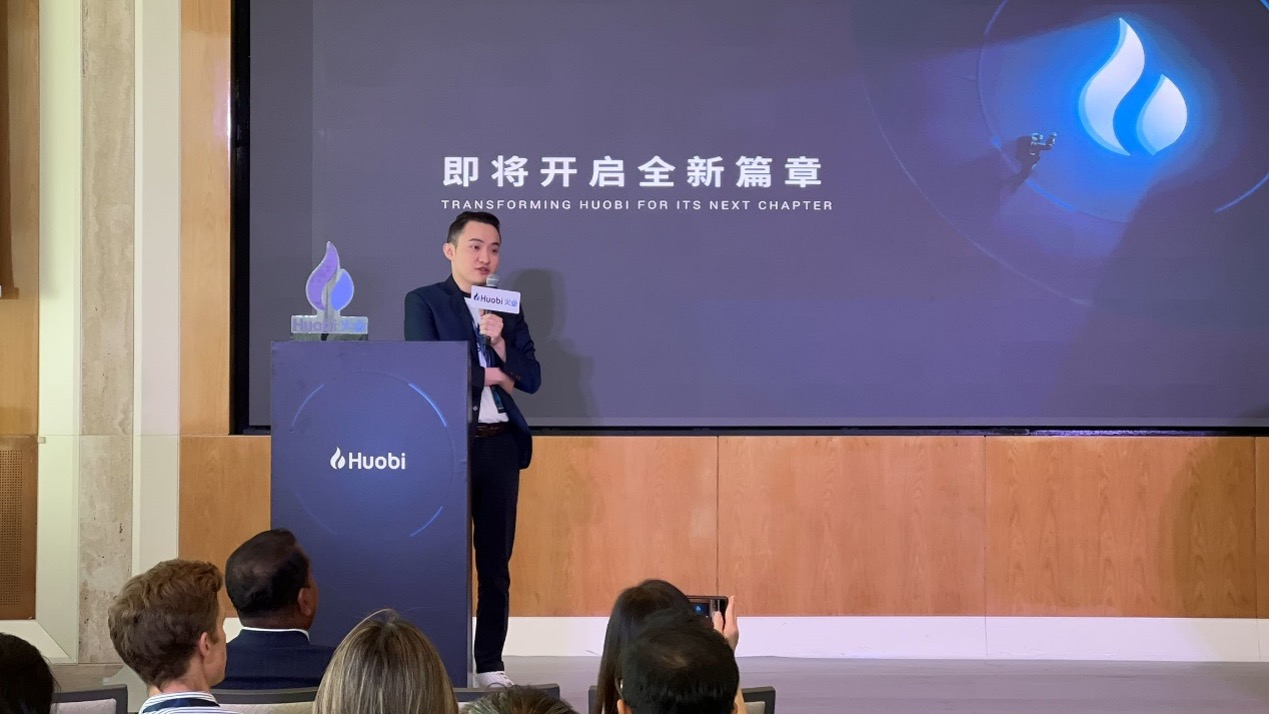
On November 22, 2022, His Excellency Justin Sun, TRON Founder, Huobi’s global advisory board member, and Ambassador Extraordinary and Plenipotentiary, Permanent Representative of Grenada to the WTO, attended the Huobi’s refreshed branding launch event held in Singapore. Justin Sun put forth three major strategies for Huobi’s future growth:global development strategy, technology drives development and technology for good, and offering full support to Huobi’s development with other advisory board members to help Huobi to return to the top 3 positions in the industry,building a global Web3.0 gateway.
Huobi Global is launching a refreshed brand, Huobi . Heeding advice from Justin Sun, Huobi’s advisory board member and a leading figure in the crypto industry, will give full play to the two parties’ advantages and help Huobi reposition itself for a bright new stage of development. More importantly, Huobi aims to help restore confidence and build unity amid the current downturn in the industry.
Huobi launched its refreshed branding strategy, which will be known simply as “Huobi” instead of “Huobi Global”, according to information from the rebranding launch event. “Beyond a virtual asset trading platform, Huobi also stands for safety, convenience, and friendliness, which the shortened name will more fully demonstrate”, said Justin Sun.
The new name consists of two Chinese characters, “火” and “必”. In Chinese culture, the first character represents the perpetual vitality that can be passed down to future generations. The second one means the determination to win, which represents our ambition to return to the top 3 positions in the industry.
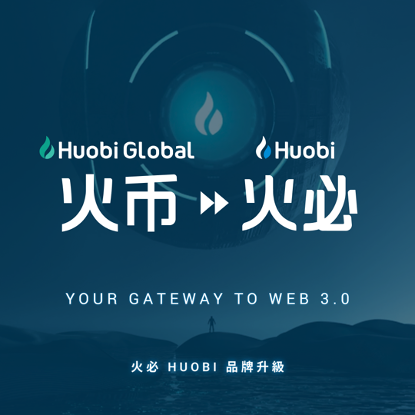
In Chinese, the character “必” can also be seen as an amalgamation of the characters “心” and “义”, which mean “heart” and “righteousness”, respectively. The symbolism behind the two Chinese characters means the new Huobi will serve from its heart in providing professional digital asset management services to global users. This spirit is also reflected in new Huobi’s mission—”Enhancing Asset Safety, Promoting Financial Inclusion”.
Meanwhile, the new name also upholds the traditional Chinese virtue of “righteousness”, implements the brand’s philosophy of “Science and Technology for Good”, contributes to the innovation and development of global blockchain and virtual asset technology, and realizes Huobi’s vision of “Technology Changes the World.”
On October 10, Justin Sun was appointed as a member of the Global Advisory Board of Huobi Global. Sun stated on his social media account that he would work with industry, academic, and policy leaders to help guide and grow this innovative, vibrant, and resilient organization in its latest chapter of global expansion. In September 2017, Justin Sun founded TRON, which has quickly grown into one of the world’s top three public chains. In December 2021, the Government of Grenada announced the appointment of Justin Sun as its new Ambassador and Permanent Representative to the WTO.
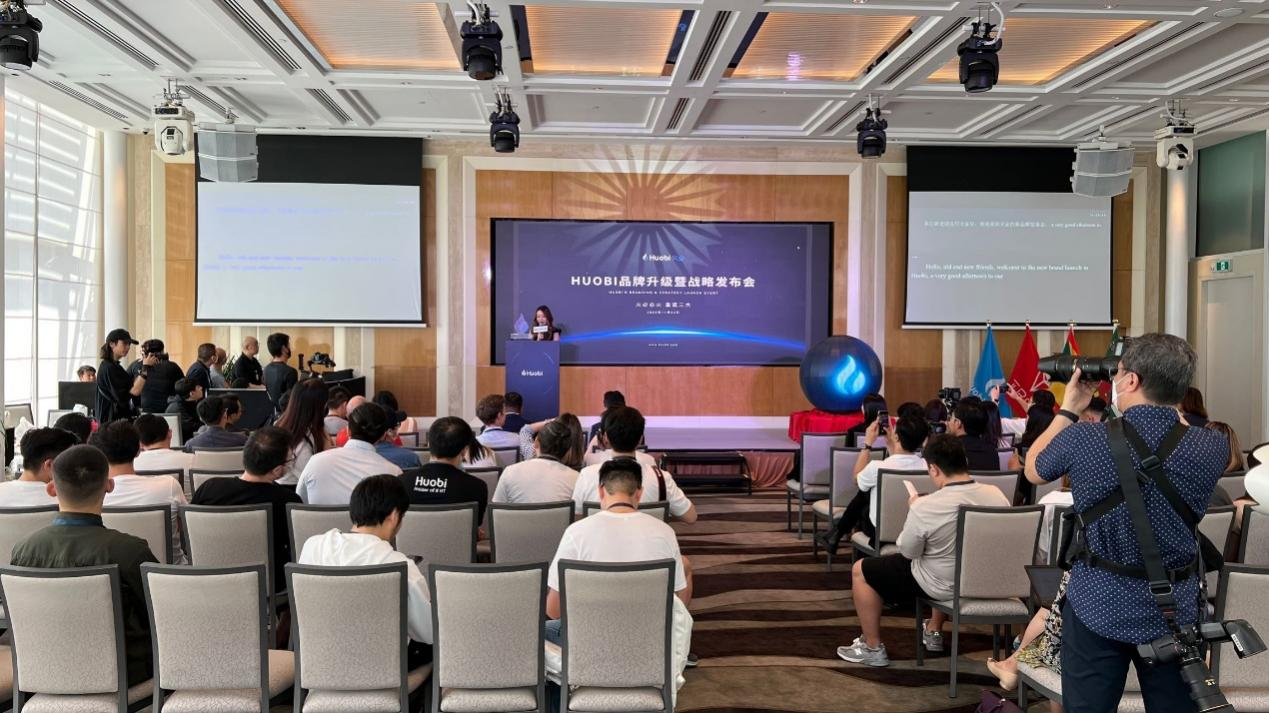
The conference announced three major future development strategies of Huobi, including global development strategy, technology drives development and technology for good. Justin Sun had also previously said in a media interview that he would vigorously strenthen HT and bring into play HT’s important strategic attributes, and would return the power of HT voting on coins to the user community.
Also, Huobi will fully implement its global expansion strategy. On October 7, the Commonwealth of Dominica, a Caribbean country, entered into a series of in-depth cooperation with TRON, which blazed a trail for blockchain companies to collaborate with sovereign nations. Sun suggested that Huobi intends to “venture into the Caribbean” and that the exchange will likely move its headquarter to the Caribbean. Meanwhile, Huobi will ramp up its investments in South-East Asia, Europe, and other regions to build a robust global ecosystem. Huobi will continue to comply with regional regulations and strengthen its cooperation with countries.
In the nine years since it was founded, Huobi has become a household name in the virtual assets market as one of the most established players. “With its refreshed branding, new roadmap and the guidance of its global advisory board, I am confident Huobi can strengthen its market leadership and reclaim its top rankings alongside other industry heavyweights,” he added.