FTX’s new CEO John Ray coldly addresses SBF’s erratic tweets

CointelegraphPublished on 2022-11-17Last updated on 2022-11-17

Abstract

The new CEO of FTX gave a curt statement in response to the series of intermittent tweets by former CEO Sam Bankman-Fried.

The new CEO and chief restructuring officer for the bankrupt FTX cryptocurrency exchange, John Ray, has icily responded to the erratic series of tweets from former CEO and founder Sam Bankman-Fried.

The official Twitter account of FTX on Nov. 16 tweeted a statement from Ray addressing Bankman-Fried’s recent public statements, reiterating he “has no ongoing role at [FTX], FTX US, or Alameda Research Ltd. and does not speak on their behalf.”

On Nov. 14 Bankman-Fried began a strange Twitter thread that — over the course of 40 or so hours — eventually spelled out “What HAPPENED” across nine tweets, he then went on to claim he was meeting with regulators, wanting to “do right by customers.”

Afterward, he began to lay out the finances and leverage of FTX and its sister trading firm Alameda Research on Nov. 16 claiming FTX’s leverage was around $13 billion, not $5 billion as he originally thought.

FTX’s downward spiral kicked off in early November with a series of events eventually leading to the exchange and its roughly 130 global subsidiaries filing for Chapter 11 bankruptcy in the United States on Nov. 11.

John J. Ray III took over as CEO on Nov.11 with FTX’s bankruptcy filings. He has gained notoriety for previously overseeing the bankruptcy of former fraudulent energy giant Enron which had around $63.4 billion in assets and was the largest corporate bankruptcy in U.S. history at the time.


Related Reads

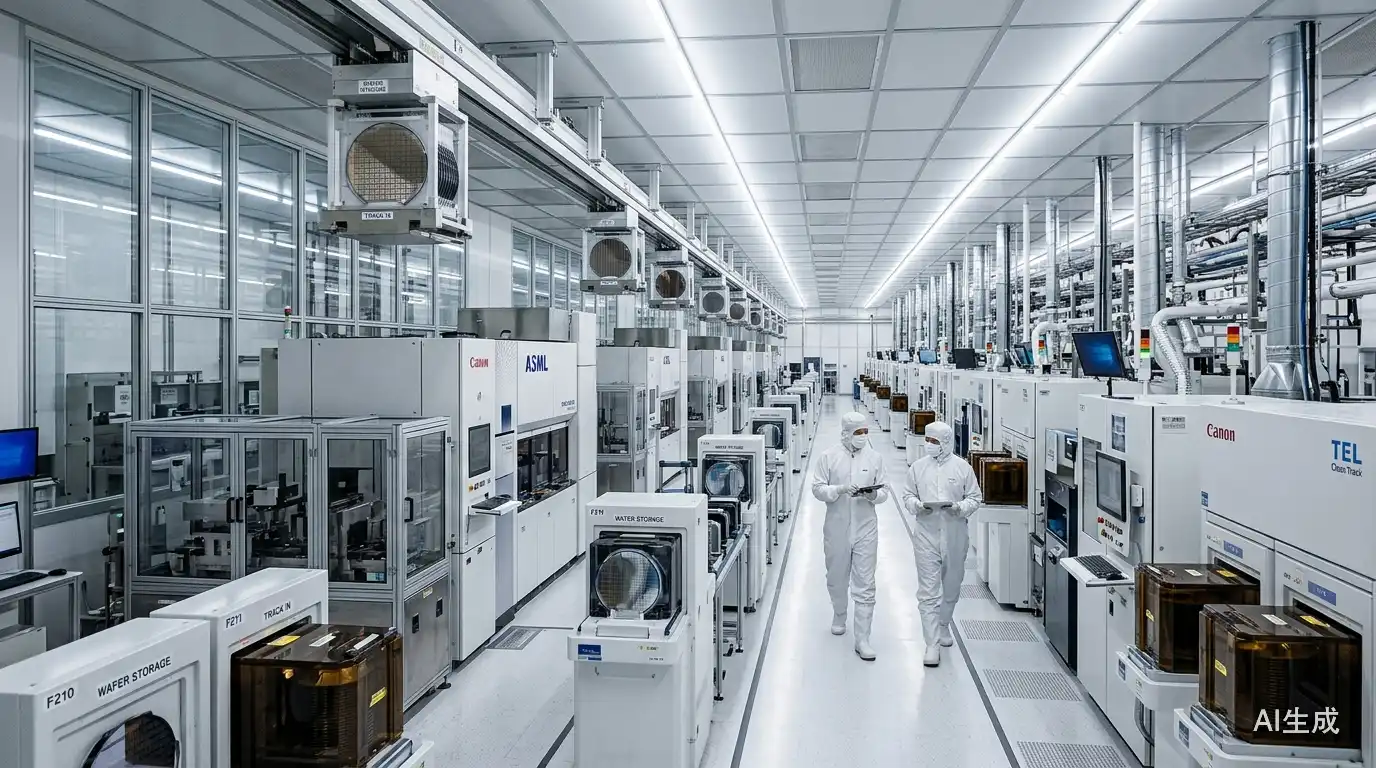
Behind the 67,000 Semiconductor Talent Shortage: U.S. Industrial Policy Game and Implications for China

The U.S. push to reshore semiconductor manufacturing faces a core challenge: a significant talent shortage. While over $770 billion in investments are planned across 160 projects, a key hurdle is finding enough people to run the new fabs. According to industry projections, the U.S. could face a shortage of approximately 67,000 technicians, engineers, and computer scientists by 2030. This shortage is multi-faceted. It includes not only high-level chip design engineers requiring advanced degrees but also a substantial need for technicians to operate and maintain fab equipment. Technician roles, while often requiring less formal education, are hard to fill due to factors like shift work, factory locations, and local community infrastructure. Conversely, for high-end engineers, the issue is less about salary—which is already competitive—and more about intense competition for specialized skills from other tech sectors and the long lead time to develop such expertise. The geographic dispersion of new investments complicates recruitment, as fabs need large numbers of local, stable employees. In response, U.S. policy emphasizes building workforce development as critical infrastructure. Strategies include expanding community college programs for technician training, fostering industry-education partnerships, and pursuing immigration reforms for high-skilled talent, aiming to balance immediate needs with long-term domestic pipeline development. For China, the key takeaway is the need to integrate talent supply planning with factory construction from the outset. This involves requiring companies to submit workforce plans, strengthening vocational education aligned with industry needs, and building supportive local ecosystems to retain talent. Ultimately, a sustainable semiconductor industry depends not just on building fabs, but on cultivating a continuous, local talent pipeline capable of keeping them running and advancing.

marsbit38m ago

Behind the 67,000 Semiconductor Talent Shortage: U.S. Industrial Policy Game and Implications for China

marsbit38m ago

Trading

Spot
活动图片