Los mayores bancos de Japón prevén el lanzamiento de una stablecoin en el año fiscal 2026 ante el impulso regulatorio

bitcoinistPublished on 2026-06-11Last updated on 2026-06-11

Abstract

Las tres principales entidades bancarias de Japón —MUFG Bank, Sumitomo Mitsui Banking Corp. y Mizuho Bank— planean lanzar una stablecoin conjunta antes del 31 de marzo de 2027 (fin del año fiscal 2026). Han establecido un consejo voluntario para desarrollar el marco operativo y de gobernanza, y explorarán su uso en múltiples casos prácticos y posibles colaboraciones. El impulso regulatorio en Japón, con la modificación de la Ley de Servicios de Pago en 2022, permite que solo entidades autorizadas emitan tokens respaldados por yen. Recientemente, el partido gobernante ha instado a promover las stablecoins en yen para su uso en liquidaciones en Asia, coincidiendo con la próxima reunión anual del Banco Asiático de Desarrollo en Japón el próximo año.

Mientras las autoridades financieras japonesas impulsan la expansión del mercado de activos digitales basados en el yen, tres megabancos han avanzado en sus planes conjuntos de stablecoin al establecer un consejo para desarrollar el marco para emitir este token en el presente año fiscal.

Los megabancos avanzan en sus planes conjuntos de stablecoin

Los tres mayores bancos de Japón, Mitsubishi UFJ Financial Group (MUFG) Bank, Sumitomo Mitsui Banking Corp. y Mizuho Bank, se preparan para lanzar su stablecoin de emisión conjunta antes de finalizar el año fiscal 2026 (FY2026).

En un comunicado del miércoles, los megabancos revelaron su plan de realizar transacciones comerciales durante el FY2026 utilizando una stablecoin emitida bajo un acuerdo fiduciario, donde los tres bancos actuarán como fiduciantes conjuntos y un banco fiduciario o entidad similar será el fideicomisario.

Los bancos anunciaron que han firmado un memorándum de entendimiento (MoU) para formar un consejo voluntario conjunto para revisar los marcos operativos, la gobernanza y temas relacionados para respaldar la implementación práctica del token.

"El Consejo servirá como un marco para examinar el posible desarrollo de una infraestructura de emisión relacionada con la Stablecoin Objetivo, así como el diseño de sistemas, esquemas y estructuras de gobernanza", señaló el comunicado.

Los tres bancos también acelerarán sus esfuerzos para apoyar el uso potencial de estos tokens en una amplia gama de casos de uso, con el objetivo de lanzar transacciones en vivo de la stablecoin conjunta antes del 31 de marzo de 2027, cuando finaliza el año fiscal actual. Además, el consejo también considerará colaboraciones con instituciones financieras y otras partes interesadas relevantes que puedan unirse al proyecto en el futuro.

Cabe destacar que los megabancos, que en conjunto atienden a más de 300,000 empresas, comenzaron a explorar el lanzamiento de una stablecoin conjunta a finales de 2025, y los informes iniciales sugerían planes para debutar con el token dentro del FY2025.

En noviembre, los bancos anunciaron un proyecto piloto bajo el Proyecto de Innovación en Pagos de la Agencia de Servicios Financieros (FSA). El piloto utilizó la infraestructura de la empresa fintech con sede en Tokio, Progmat, y tuvo como objetivo recopilar "conocimiento práctico" sobre la emisión conjunta de una stablecoin y pagos transfronterizos avanzados.

El impulso regulatorio de Japón por los tokens respaldados por yen

En 2022, las autoridades japonesas enmendaron la Ley de Servicios de Pago para establecer un marco legal para las stablecoins. Bajo el nuevo régimen, solo las empresas de transferencia de dinero con licencia, las compañías fiduciarias y los bancos están autorizados a emitir tokens denominados en yenes.

La empresa fintech de Tokio, JPYC, lanzó en octubre el primer token vinculado al yen, JPYC, respaldado por reservas en yenes, incluidos depósitos bancarios y bonos del gobierno. A principios de este año, SBI Holdings se asoció con Startale Group para JPYSC, una stablecoin de yen respaldada por un banco fiduciario para casos de uso institucionales y transfronterizos.

La semana pasada, el Partido Liberal Democrático (LDP) de Japón pidió la creación de reglas para los fondos cotizados en bolsa (ETF) de criptomonedas y la promoción de las stablecoins denominadas en yen en la región, en una nueva propuesta al gobierno.

Junichi Kanda, un legislador en el panel del partido gobernante, afirmó que el LDP presionó al gobierno para impulsar el uso de stablecoins de yen en la región. "Instamos al gobierno a tomar medidas para promover las stablecoins de yen para liquidaciones en Asia en el futuro", declaró.

El legislador también dijo que Japón podría promover los tokens basados en yen y la innovación en blockchain el próximo año, cuando el país sea anfitrión de la reunión anual del Banco Asiático de Desarrollo.

Mientras tanto, la FSA amplió recientemente la Ordenanza de la Oficina del Gabinete para reconocer ciertas stablecoins de tipo fiduciario emitidas por bancos fiduciarios extranjeros y entidades similares como instrumentos de pago electrónico bajo la Ley de Servicios de Pago.
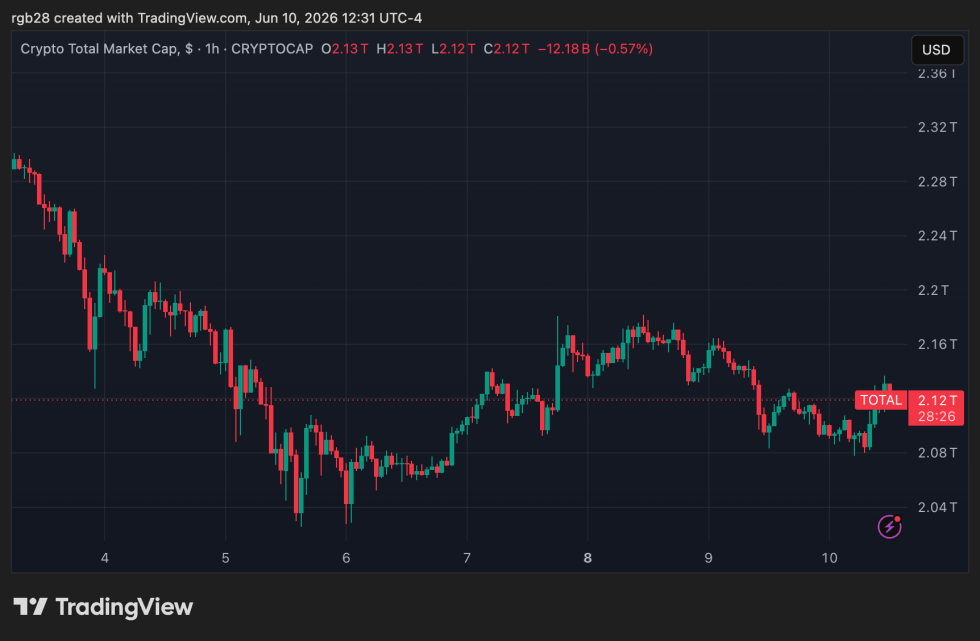
La capitalización total del mercado de criptomonedas se sitúa en $2.12 billones en el gráfico semanal. Fuente: TOTAL en TradingView


Related Questions

Q¿Qué tres megabancos japoneses planean lanzar conjuntamente un stablecoin para el año fiscal 2026?

ALos tres megabancos son Mitsubishi UFJ Financial Group (MUFG) Bank, Sumitomo Mitsui Banking Corp. y Mizuho Bank.

Q¿Qué marco legal estableció Japón en 2022 que regula la emisión de stablecoins denominados en yenes?

AEn 2022, Japón enmendó la Ley de Servicios de Pago para establecer un marco legal para los stablecoins, permitiendo que solo empresas de transferencia de dinero con licencia, compañías fiduciarias y bancos emitan tokens denominados en yenes.

Q¿Qué entidad actuará como fiduciaria en el acuerdo de fideicomiso para la emisión del stablecoin conjunto de los megabancos?

AUn banco fiduciario o una entidad similar actuará como fiduciaria en el acuerdo de fideicomiso, mientras que los tres megabancos servirán como fideicomitentes conjuntos.

QAdemás de los megabancos, ¿qué otro actor del mercado japonés ha lanzado recientemente un stablecoin respaldado por yenes?

ALa empresa fintech con sede en Tokio JPYC lanzó el primer token vinculado al yen, JPYC, en octubre, respaldado por reservas en yenes, incluyendo depósitos bancarios y bonos gubernamentales.

Q¿Qué organismo político japonés propuso recientemente la creación de reglas para ETFs de criptomonedas y la promoción de stablecoins en yenes?

AEl Partido Liberal Democrático (PLD) de Japón propuso la creación de reglas para los fondos cotizados en bolsa (ETFs) de criptomonedas y la promoción de stablecoins denominados en yenes en una nueva propuesta al gobierno.

Related Reads

Fed's Internal Doves Flock to Hawkish Stance, Warsh's Debut "Between a Rock and a Hard Place"

U.S. Federal Reserve officials who previously advocated for rate cuts, including Governor Christopher Waller, have recently shifted their stance, with many now not ruling out the possibility of future rate hikes. This sets a challenging stage for new Fed Chair Kevin Warsh's first policy meeting. Appointed by President Trump based on his dovish views, Warsh now faces a committee where the debate has pivoted from "when to cut" to "whether to hike," driven by persistent inflation above 3%, a strong labor market, and supply-side pressures from AI infrastructure demands and geopolitical tensions. Key figures illustrate the shift. Governor Waller, once concerned about employment, now says data has pushed him toward considering rate increases. Even moderate voices like Governor Lisa Cook, while expecting inflation to ease, have indicated readiness to hike if it fails to do so. Long-time hawks such as regional Fed presidents Beth Hammack, Lorie Logan, and Neel Kashkari have grown more vocal, arguing that the real policy rate is effectively falling and that action may soon be needed. The upcoming Fed meeting is expected to keep rates steady but will likely remove the "easing bias" from its statement, signaling a neutral stance between cuts and hikes. The quarterly "dot plot" is anticipated to show most officials projecting no cuts this year, with some potentially indicating hikes. Chair Warsh, a critic of the Fed's reliance on forward guidance like the dot plot, must navigate communicating this pivot using tools he has questioned, all while steering policy in a direction counter to the preferences of the president who appointed him. The consensus suggests the Fed's next move could well be a rate increase.

marsbit55m ago

Fed's Internal Doves Flock to Hawkish Stance, Warsh's Debut "Between a Rock and a Hard Place"

marsbit55m ago

The Trillion-Yuan Market Cap 'Yi Zhong Tian': Who is the True Value King?

The article analyzes the three leading Chinese optical module companies, collectively nicknamed "Yi Zhong Tian": Xinyisheng, Zhongji Innolight, and TFC Optical Communication. It evaluates their "cost-performance" not by current stock price, but through three lenses: PEG ratio (growth vs. valuation), earnings quality, and premium/discount for certainty. Xinyisheng shows the most attractive PEG ratio and high profitability, but its valuation reflects discounts for risks like high customer concentration and reliance on overseas markets. Zhongji Innolight, the most expensive, commands a premium for its market leadership, dominant share in key products like 800G/1.6T modules, and higher earnings certainty, though it faces geopolitical risks. TFC Optical, as an upstream component supplier ("water seller"), has the highest gross margin and bets on the long-term CPO/NPO architecture trend, but trades at a high valuation with more stable, less explosive growth. The core argument is that while these companies dominate module assembly, the true profit pool and technological moat lie upstream in laser and switch chips, currently controlled by U.S. firms like Lumentum and Coherent. The long-term "cost-performance" for these Chinese leaders hinges on whether the domestic industry, exemplified by companies like Yuanjie Technology, can successfully move up the value chain into high-power laser chips. Otherwise, their high growth may remain confined to the lower-margin assembly segment.

marsbit1h ago

The Trillion-Yuan Market Cap 'Yi Zhong Tian': Who is the True Value King?

marsbit1h ago

Has the Crypto Market Bottomed? Here's What Institutions Think

The crypto market is in a period of significant debate, with leading institutions offering differing views on whether a bottom has been reached. Three prominent firms have published detailed analyses: * **Galaxy Digital** argues Bitcoin has **not yet bottomed**. Their analysis of 13 historical indicators across six dimensions (valuation, profit-taking, miner pressure, etc.) shows only four are fully met. They project a potential bottom range between $30k and $54k. * **NYDIG** states a bottom is **possible but not likely**. While metrics are close to historic bear market extremes, they note the absence of a classic panic-selling event. They also suggest increased institutional adoption may have structurally altered the market cycle, potentially leading to a shallower downturn. * **Standard Chartered Bank** asserts the **bottom has already occurred** at around $59k. They cite two key factors: potential US-Iran diplomatic progress and the anticipated SpaceX IPO, which they believe absorbed capital and caused ETF selling pressure that is now subsiding. They forecast a year-end price target of $100k. Despite the surface-level disagreement, the reports share critical common ground more valuable for long-term investors: 1. All three believe the market bottom will form **within this year**. 2. All agree the current price is **closer to the bottom than to previous highs**. 3. All maintain a **bullish long-term outlook** for Bitcoin and a new cycle. The core takeaway is that while the exact bottom price ($40k, $50k, or $60k) is debated, the consensus is that a bottom is imminent. For long-term holders, the primary focus should not be pinpointing the absolute low, but on the future potential for prices to reach $100k, $200k, or higher. The fundamental thesis for Bitcoin—sovereign debt accumulation, inflation, declining trust in centralized institutions, global digitization, and improved accessibility—remains intact and is arguably strengthening. The overall landscape is viewed as more favorable than in previous crypto winters.

marsbit1h ago

Has the Crypto Market Bottomed? Here's What Institutions Think

marsbit1h ago

The 'Chip' Challenge and Breakthroughs in China's Optical Industry Chain

China's Photonics Industry: Bottlenecks and Breakthroughs In the global AI race, computing chips dominate the narrative, but the underlying bottleneck increasingly defining the scale of AI clusters is light—or more specifically, optical connectivity. Optical modules, which translate electrical signals to light and vice versa, are crucial for connecting thousands of GPUs in AI data centers, preventing data congestion and ensuring efficient model training. High-speed modules (800G, 1.6T) are now standard, with performance hinging on advanced DSP (Digital Signal Processor) chips. This is where a critical dependency lies. Two US giants—Marvell and Broadcom—collectively dominate over 90% of the high-end DSP chip market. Chinese optical module leaders like Zhongji Innolight and Eoptolink rely on these chips to manufacture modules for overseas AI customers, primarily in North America. While this creates a supply chain vulnerability, complete decoupling is difficult. Marvell derives over half its revenue from Greater China, and the US firms depend on Chinese partners for chip packaging and optical components. The risk from laser chips (e.g., from Lumentum), another key component, is considered more manageable due to multiple global suppliers and faster progress in domestic alternatives from companies like YOFC and Accelink. To mitigate risks, China's industry is pursuing a multi-pronged strategy: diversifying supply chains and locking in long-term orders; fostering a domestic market ecosystem to adopt homegrown DSPs from firms like Huawei HiSilicon and CETC; accelerating R&D in high-speed DSPs and advanced packaging; and investing in next-gen technologies like silicon photonics and Co-Packaged Optics (CPO) to reduce reliance on discrete DSPs. The ultimate solution lies not in short-term博弈 but in persistent advancement of domestic high-end chip R&D and manufacturing. While challenges remain in performance, certification, and ecosystem building, China's vast domestic market and manufacturing base provide a crucial buffer, buying time for the industry to achieve greater technological independence.

marsbit1h ago

The 'Chip' Challenge and Breakthroughs in China's Optical Industry Chain

marsbit1h ago

Trading

Spot
Futures

Hot Articles

How to Buy PUSH

Welcome to HTX.com! We've made purchasing Push Protocol (PUSH) simple and convenient. Follow our step-by-step guide to embark on your crypto journey.Step 1: Create Your HTX AccountUse your email or phone number to sign up for a free account on HTX. Experience a hassle-free registration journey and unlock all features.Get My AccountStep 2: Go to Buy Crypto and Choose Your Payment MethodCredit/Debit Card: Use your Visa or Mastercard to buy Push Protocol (PUSH) instantly.Balance: Use funds from your HTX account balance to trade seamlessly.Third Parties: We've added popular payment methods such as Google Pay and Apple Pay to enhance convenience.P2P: Trade directly with other users on HTX.Over-the-Counter (OTC): We offer tailor-made services and competitive exchange rates for traders.Step 3: Store Your Push Protocol (PUSH)After purchasing your Push Protocol (PUSH), store it in your HTX account. Alternatively, you can send it elsewhere via blockchain transfer or use it to trade other cryptocurrencies.Step 4: Trade Push Protocol (PUSH)Easily trade Push Protocol (PUSH) on HTX's spot market. Simply access your account, select your trading pair, execute your trades, and monitor in real-time. We offer a user-friendly experience for both beginners and seasoned traders.

3.7k Total ViewsPublished 2024.03.29Updated 2026.06.02

How to Buy PUSH

Discussions

Welcome to the HTX Community. Here, you can stay informed about the latest platform developments and gain access to professional market insights. Users' opinions on the price of PUSH (PUSH) are presented below.

活动图片