El nuevo rico de la IA, el acompañante que cobra 5.000 dólares la hora: Silicon Valley en 2026 y Ciudad Noche en 2077

marsbitPublished on 2026-06-11Last updated on 2026-06-11

Abstract

Silicon Valley, hogar de las nuevas fortunas de la IA, ha visto emerger un servicio peculiar: acompañantes de élite que cobran entre 3.000 y 6.000 dólares la hora por escuchar a estos jóvenes millonarios tecnológicos. Mientras OpenAI y Anthropic preparan sus salidas a bolsa, la riqueza generada por la IA ha revitalizado San Francisco, disparando los alquileres y transformando la ciudad. Esta nueva clase adinerada, obsesionada con la longevidad, el biohacking y las ideas sobre el futuro de la AGI, a menudo carece de conexiones genuinas. En lugar de bienes lujosos, invierten en compañía intelectual: personas (a menudo mujeres) que no solo son atractivas, sino que comprenden y validan sus complejas visiones del mundo. Este fenómeno, donde la soledad y la validación intelectual tienen un precio elevado, refleja una creciente brecha social. La ciudad prospera para una minoría tecnológica, mientras otros se ven desplazados, pintando un cuadro que evoca la distopía de "alta tecnología, baja vida" de Night City de Cyberpunk 2077.

Artículo | Sleepy

Silicon Valley también empezó a "romper viejos".

Claro, no de esa manera. Allí no hay jóvenes de pueblo llamando "hermano mayor" a hombres de mediana edad, ni sobres rojos de WeChat de 20 yuanes con un "eres increíble". La versión de Silicon Valley es algo más refinada, y mucho más cara.

Aquí, los "viejos" son un grupo de nuevos ricos tecnológicos de veintitantos o treinta y pocos años, que tienen opciones sobre acciones de Nvidia o acciones de OpenAI y viven en apartamentos de gran altura en el distrito de SoMa. Aunque jóvenes, ya huelen a vejez. Tienen dinero, la cabeza llena de ideas pero no encuentran a nadie con quien hablar, y si lo hacen, nadie les toma en serio. Al final descubren que "que alguien les escuche atentamente" es algo que se puede comprar. En un pueblo pequeño cuesta 20 yuanes la sesión; en Silicon Valley, de tres mil a seis mil dólares la hora.

En junio de 2026, San Francisco tenía dos caras.

La del día es fácil de reconocer. OpenAI y Anthropic presentaron sucesivamente sus archivos confidenciales para OPI ante la Comisión de Bolsa y Valores de EE.UU., preparándose casi simultáneamente para salir a bolsa. Incluso antes, OpenAI permitió que más de 600 empleados obtuvieran unos 6.600 millones de dólares mediante ventas en el mercado secundario. Jensen Huang también dijo que Nvidia había creado muchos multimillonarios.

Esta es la historia del día, la historia de creación de riqueza que aparece en las noticias de financiación y en los titulares financieros.

La cara de la noche no se muestra tan a menudo. En la misma ciudad, un grupo de mujeres jóvenes que se autodenominan expertas en IA, GPU, longevismo y criptomonedas comenzaron a ofrecer servicios de acompañamiento de lujo a los tecnólogos del Valle, cobrando miles de dólares la hora. Una parte considerable de sus clientes son precisamente quienes aparecen en esas noticias de financiación durante el día.

La IA absorbe el dinero, el dinero cambia la forma de la ciudad, la ciudad cambia a las personas que viven en ella, y la soledad y la dignidad de esas personas también adquieren un precio.

Primero el dinero cambió la forma de la ciudad

Hace tres años, todo el mundo pensaba que San Francisco estaba acabada.

La pandemia vació los edificios de oficinas del centro. El teletrabajo envió a los programadores a Austin, Miami, incluso a Bali. En el distrito de Mid-Market, donde estaba la sede de Twitter, se alineaban tiendas de campaña, y los carteles de alquiler en los locales vacíos se descolorían sin que nadie los arrancara.

En esos años, si decías que seguías en San Francisco, la gente te miraba con compasión. Por primera vez, una ciudad estadounidense que se sustentaba en la "innovación" era descrita con la palabra "decadencia".

Y entonces llegó la IA con dinero.
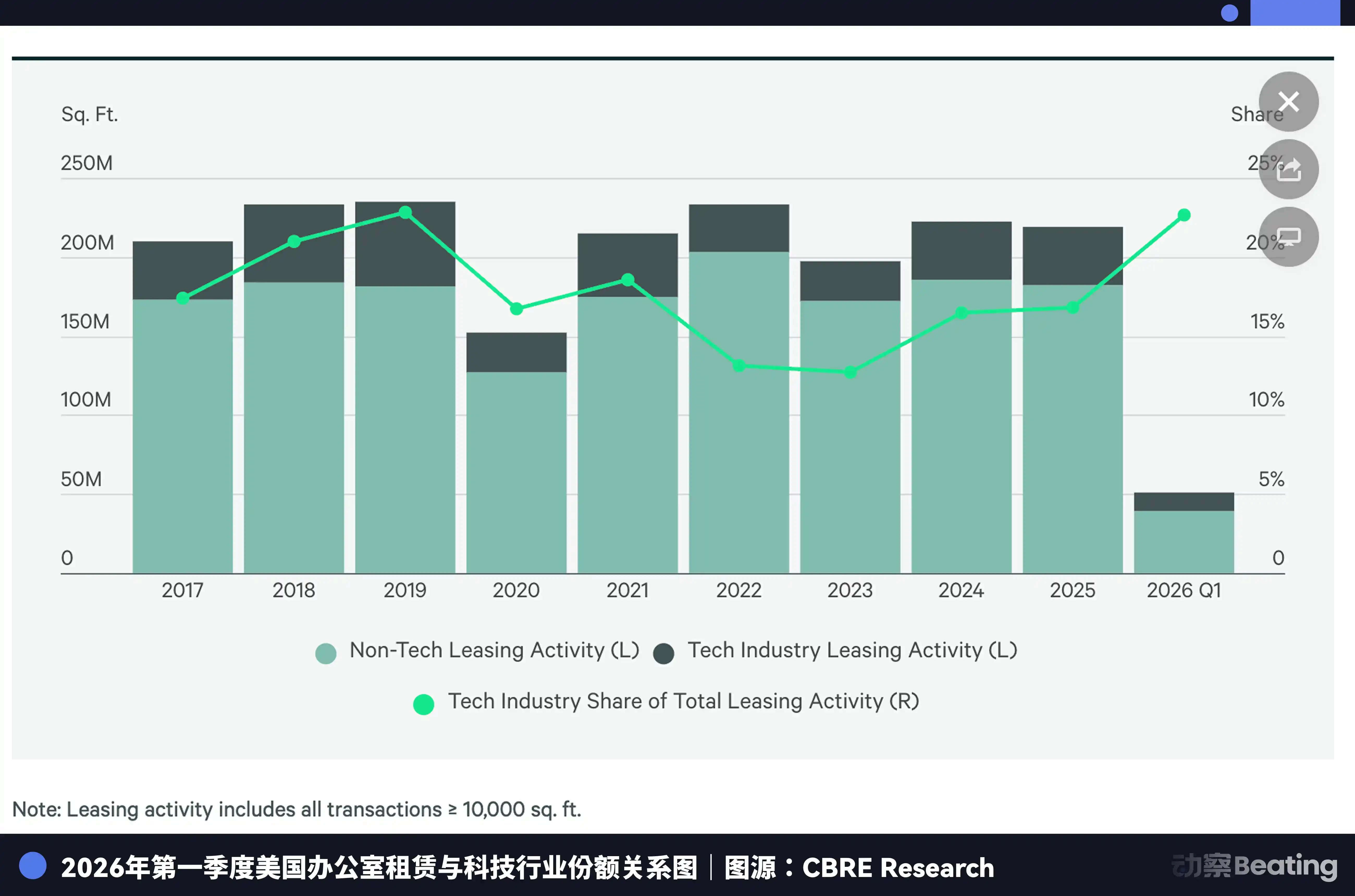
Un informe de CBRE de mayo de 2026 señalaba que las empresas de IA estaban impulsando fuertemente la recuperación del alquiler de oficinas en el Área de la Bahía de San Francisco. Anthropic alquiló grandes extensiones de oficinas en el distrito de SoMa, OpenAI se mudó a un nuevo icono de Mission Bay, y empresas de IA grandes y pequeñas llenaron también South Beach y Design District. Hace tres años, la mitad de esos edificios estaban vacíos; ahora, para alquilar una oficina en esta calle, hay que hacer cola.

Una vez llenos los edificios de oficinas, los precios de la vivienda también subieron.

En junio de 2026, la mediana del alquiler de un apartamento de una habitación en San Francisco ya había subido a 4.000 dólares, un 20% más que el año anterior. SoMa subió un 36%, Mission Bay un 22%, South Beach un 21%. Estas cifras parecían expandirse en círculos concéntricos alrededor de las oficinas de las empresas de IA.
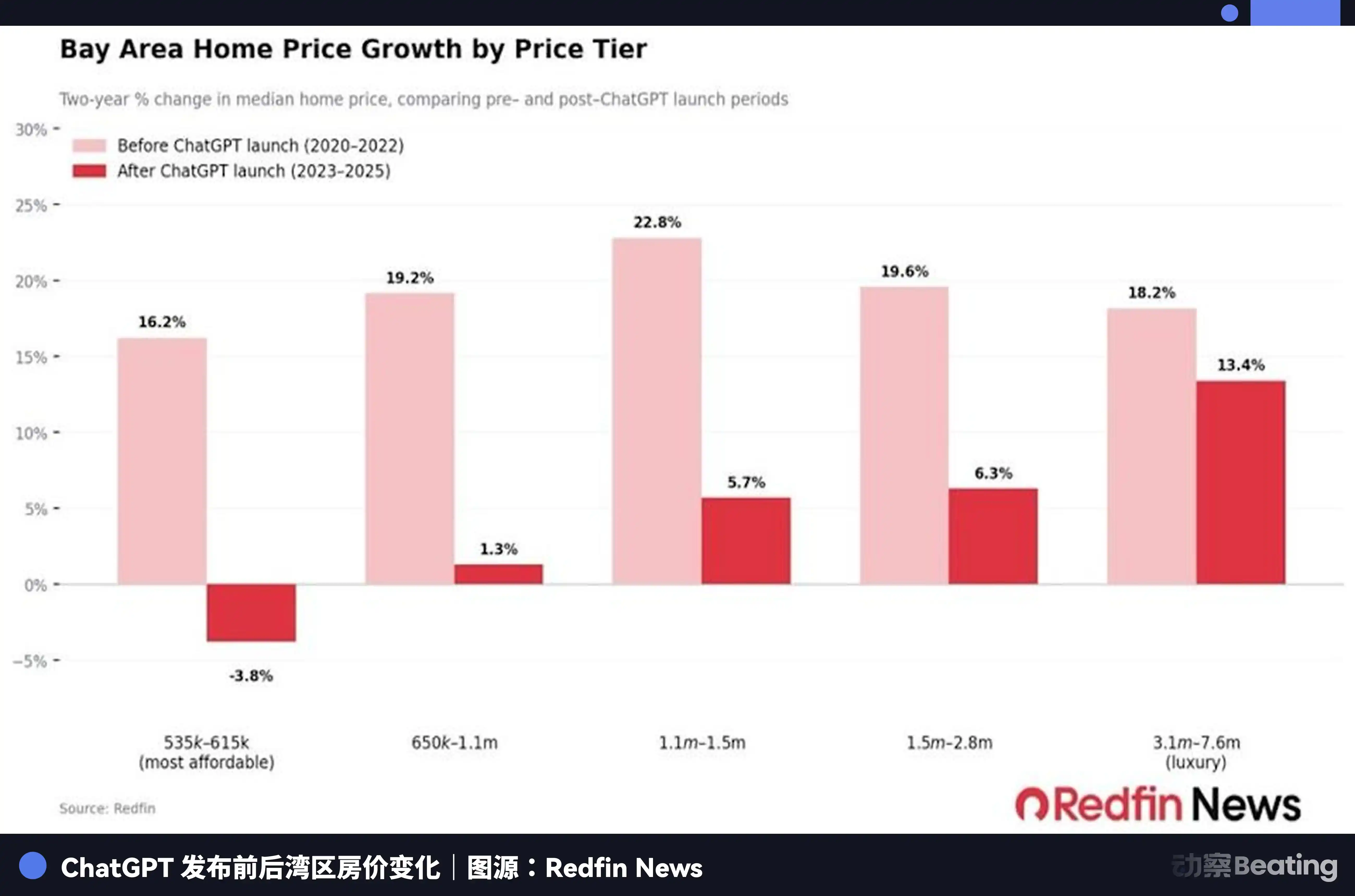
Una casa de la era eduardiana anunciada por 2,995 millones de dólares incluso incluía en su descripción una frase específica: "El vendedor acepta pagos con acciones de Anthropic o OpenAI."

A veces, la forma en que una ciudad revive se concreta hasta ese punto. Antes, comprar una casa dependía de efectivo, hipotecas y ayuda familiar. Ahora también puedes hacerlo con las acciones que te da una empresa de IA aún no cotizada.

Las mansiones son cada vez más caras, y las casas para la gente común son cada vez más inalcanzables. La misma ciudad, la misma ola de prosperidad, pero en qué mundo estás depende completamente de si formas parte de la cadena alimenticia de la IA.

San Francisco y Oakland solo están separadas por un puente de la bahía, pero los alquileres a ambos lados ya parecen de dos mundos distintos. A finales de 2025, el alquiler de un apartamento de una habitación en San Francisco era aproximadamente un 70% más alto que en Oakland. Algunos se quedan en la ciudad para escribir código, limpiar mesas, servir café o repartir comida para estas empresas; otros solo pueden ir a lugares más lejanos en busca de una vivienda que aún puedan pagar.

San Francisco efectivamente revivió. Pero esta vez lo hizo girando en torno a un pequeño grupo de personas. Los edificios de oficinas se alquilan para ellos, los precios de la vivienda suben con ellos, y toda la ciudad parece funcionar cada vez más exclusivamente para este pequeño grupo.

Junto a una fiebre del oro, siempre surge una calle

Una vez que se modificó primero la forma de la ciudad, lo siguiente que cambió fue la vida de las personas en ella. Esto tampoco es nuevo. La propia historia de California ya lo representó completo.

En 1849 se encontró oro en California y cientos de miles de personas acudieron a San Francisco. Luego todo el mundo lo supo: la mayoría de quienes excavaban oro no ganaron mucho dinero. Levi Strauss se hizo rico vendiendo productos secos, telas y ropa de trabajo; Wells Fargo se hizo rico con las transferencias de dinero en las zonas mineras; las posadas, tabernas y casas de juego de Sacramento se hicieron ricas. Mientras los buscadores de oro avanzaban, los comerciantes los seguían.

Basta pensarlo con sentido común. Un montón de gente de repente tiene dinero y todos se apiñan en un mismo lugar. Necesitan comer, tener un lugar donde dormir, y después de un día agotador, buscan algo de diversión. Donde hay alguien que quiere comprar, hay alguien que viene a vender. Primero llegan los que venden palas y tiendas de campaña, luego los que abren bancos y oficinas postales, y finalmente los que abren tabernas, casas de juego y burdeles. Desde sobrevivir hasta vivir con placer, el orden siempre ha sido ese.

Con esta ola de IA pasa lo mismo. Primero llegaron los que venden palas: GPU, computación en la nube, centros de datos; estos negocios están sobre la mesa, todos los ven. Luego los capitalistas de riesgo, abogados, cazatalentos, gestores de patrimonio.

Una vez que el dinero llega a manos individuales, hay quienes les ayudan a comprar casas, quienes les enseñan a vivir más tiempo, quienes les acompañan a hacer ejercicio, quienes les gestionan la caridad.

Y luego, le toca el turno a "romper viejos".

Un asesor patrimonial comentó que entre los nuevos ricos de la IA que había conocido, muchos no estaban interesados en coches de lujo ni relojes caros, ni siquiera sabían qué hacer con ese dinero. Eran demasiado jóvenes, no tenían experiencia gastando dinero y tampoco tenían muchos amigos. Pero tenían un punto en común: cada uno tenía en la cabeza un conjunto completo de ideas sobre el futuro del mundo: AGI, longevidad, reducción de entropía, cómo debería desarrollarse la civilización... podían hablar durante horas sin repetirse. El problema era que nadie les escuchaba; la gente a su alrededor, tras tres frases, empezaba a mirar el teléfono.

Mucho dinero, poco tiempo, dificultad para hacer amigos, la cabeza llena de ideas sin lugar donde expresarlas. Juntar estas cosas crea una demanda muy clara, tan clara que hay quien se dedica específicamente a este negocio.

Saber coquetear no es tan útil como entender las GPU

Forbes publicó recientemente un reportaje entrevistando a algunas de estas personas. A través de ellas, se puede ver en qué se está convirtiendo esta ciudad.

Meida Marek originalmente quería dedicarse a las finanzas.

Recién graduada, trabajaba como analista junior en una empresa, procesando datos, haciendo modelos, escribiendo informes. El trabajo no era difícil y el camino estaba claro. Luego hizo un cálculo: un modelo de lenguaje escribe informes diez veces más rápido que ella, y además es gratis. ¿Cuánto tiempo más podría durar su trabajo?

Tras calcularlo, le pareció poco.

Pero tenía otras habilidades. Era inteligente, sabía conversar, y realmente entendía de IA, criptomonedas, biohacking y longevismo, no era algo aprendido sobre la marcha. Precisamente, estos temas eran los favoritos de conversación de los nuevos ricos de Silicon Valley. Así que cambió de dirección y comenzó a ofrecer acompañamiento de lujo, con clientes tecnológicos del mundo de la IA, cobrando 3.500 dólares la hora. En pocos meses, su agenda se llenó rápidamente y el precio casi se duplicó.

Una joven que temía que la IA le quitara el trabajo, dio un giro y, gracias a los ricos creados por la IA, ganó aún más dinero. Tan inspirador como absurdo.

Ella no es la única que vio este negocio.
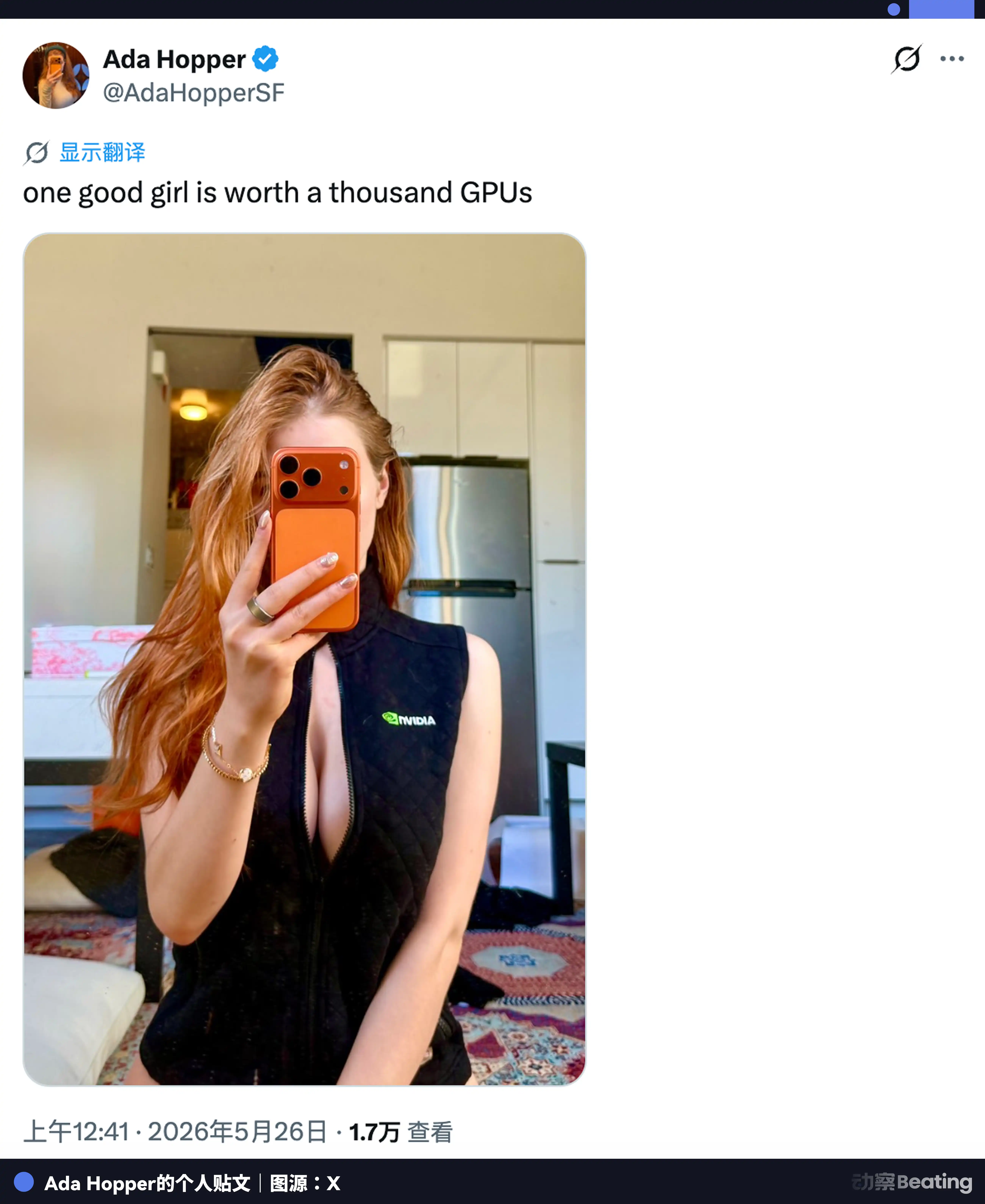
Ada Hopper cobra 5.000 dólares la hora. Dijo una frase muy acertada: hablar de IA con estos clientes es muy efectivo; a los chicos tecnológicos les emociona que una mujer guapa sepa qué es una GPU.

Piensa en lo que dice esta frase. El cliente paga cinco mil dólares la hora, y no compra solo belleza; un jarrón bonito no vale ese precio. Vale ese precio que una persona guapa también entienda de lo que hablas, que cuando mencionas GPU sepa responder, que cuando hablas de tu visión del mundo no se distraiga, y que además no te atrevas a subestimarla.

Talia Sable es ex programadora, su descripción dice "huge nerd", le gustan Calabozos y Dragones, la IA y la gestión de la cadena de suministro. Cobra 3.000 dólares la hora, y su agenda también está completa.

Aella entró en el sector antes, se dice que cobra hasta 6.000 dólares la hora. Ella promovió una filosofía llamada "nerd-first". Significa que las mujeres guapas no solo acompañan el tiempo y el cuerpo del cliente, sino que también toman en serio su intelecto e ideas. En palabras más sencillas: no solo escucho tu visión del mundo, realmente me parece interesante.

Este negocio es nuevo, pero la necesidad que satisface es mucho más antigua que Silicon Valley.

En los karaokes de los años 80 y 90, la habilidad más valiosa de una chica no era su belleza, sino saber decir "jefe, eres increíble". El jefe sabía que eso era falso. Pero no importaba. Afuera era un hombre al que nadie hacía caso; en el karaoke, gastando unos cientos, podía ser una gran figura durante una noche. Sabía que era comprado, pero comprado también valía.

Tenían algo bueno: no se engañaban a sí mismos.

La gente de Silicon Valley no tiene esa virtud. Pagan cinco mil dólares la hora para hablar de AGI y el futuro de la humanidad con una mujer guapa, y luego se dicen a sí mismos que es un intercambio intelectual de alta calidad. Quizás lo sea. Pero si realmente es un intercambio intelectual, ¿por qué tiene que ser necesariamente alguien guapo que además sepa halagarte? Buscar a un profesor del MIT para hablar también es intercambio intelectual, y además es gratis.

La lógica es simple. Lo que quiere no es intercambio, sino que alguien se siente enfrente y le tome en serio. Exactamente igual que en el karaoke.

Con sus amigos habla de AGI y nadie le hace caso; con otros habla de transformers y tras tres frases se distraen. Ahora hay una persona inteligente y atractiva sentada enfrente diciendo "sigue, por favor". Él siente que finalmente le toman en serio. Esta sensación cuesta de tres mil a seis mil dólares la hora. Precio de mercado, sin engaños.

En esta hermosa nueva era, entender las GPU es más útil que saber coquetear.

Longevidad, dieta cetogénica y modelos locales

Ada Hopper estaba tremendamente nerviosa antes de su primera cita con un cliente. Luego, al sentarse, se dio cuenta de que lo que el cliente más quería hablar era más o menos de lo mismo que le interesaba a ella: ayuno intermitente, salud metabólica, dieta cetogénica. Los dos pasaron media noche hablando de papers. El acompañamiento de lujo de cinco mil dólares la hora se gastó discutiendo cómo comer carne de forma más científica.

Los ricos tradicionales gastan dinero para que otros lo vean. Compran un Ferrari, se ponen un Patek Philippe; el dinero gastado debe ser visto. La gente de Silicon Valley hace lo contrario. Gastan dinero para sí mismos, o más bien, para sus propios cuerpos. No compran coches de lujo ni relojes caros; pregúntale a un ingeniero que acaba de obtener unos millones qué ha comprado recientemente, y te dirá que un Mac Mini para ejecutar modelos locales. Pregúntale a otro, y te dirá que está haciendo dieta cetogénica, con el objetivo de vivir hasta los 120 años.

Marek tenía un cliente que, a través de ella, adoptó completamente la filosofía del longevismo, incluso llegó a considerarlo una responsabilidad moral. Creía que si la tecnología puede permitir vivir más tiempo, no perseguirlo es una forma de negligencia. Más tarde, bajo la influencia de Marek, perdió 50 libras de peso.

Otro cliente regaló a Marek un Mac Mini. No fue un bolso de marca ni joyas, sino una pequeña computadora que puede ejecutar modelos de IA localmente, porque pensaba que Marek debería tener su propia capacidad de inferencia local. También hubo quien creó arte digital generado por IA específicamente para ella.

Viajes internacionales, ir de compras a Europa, incluso probó el vuelo con traje de alas en interiores. A ella, sin embargo, le gustaban algunas cosas antiguas. Joyería antigua, ropa vintage de la era eduardiana, y mecanismos de relojería escondidos en pequeños objetos. Le gustaba ver cómo esos pequeños engranajes giraban una y otra vez. Esta afición y el interés de sus clientes por los Transformers tenían, curiosamente, algo en común.
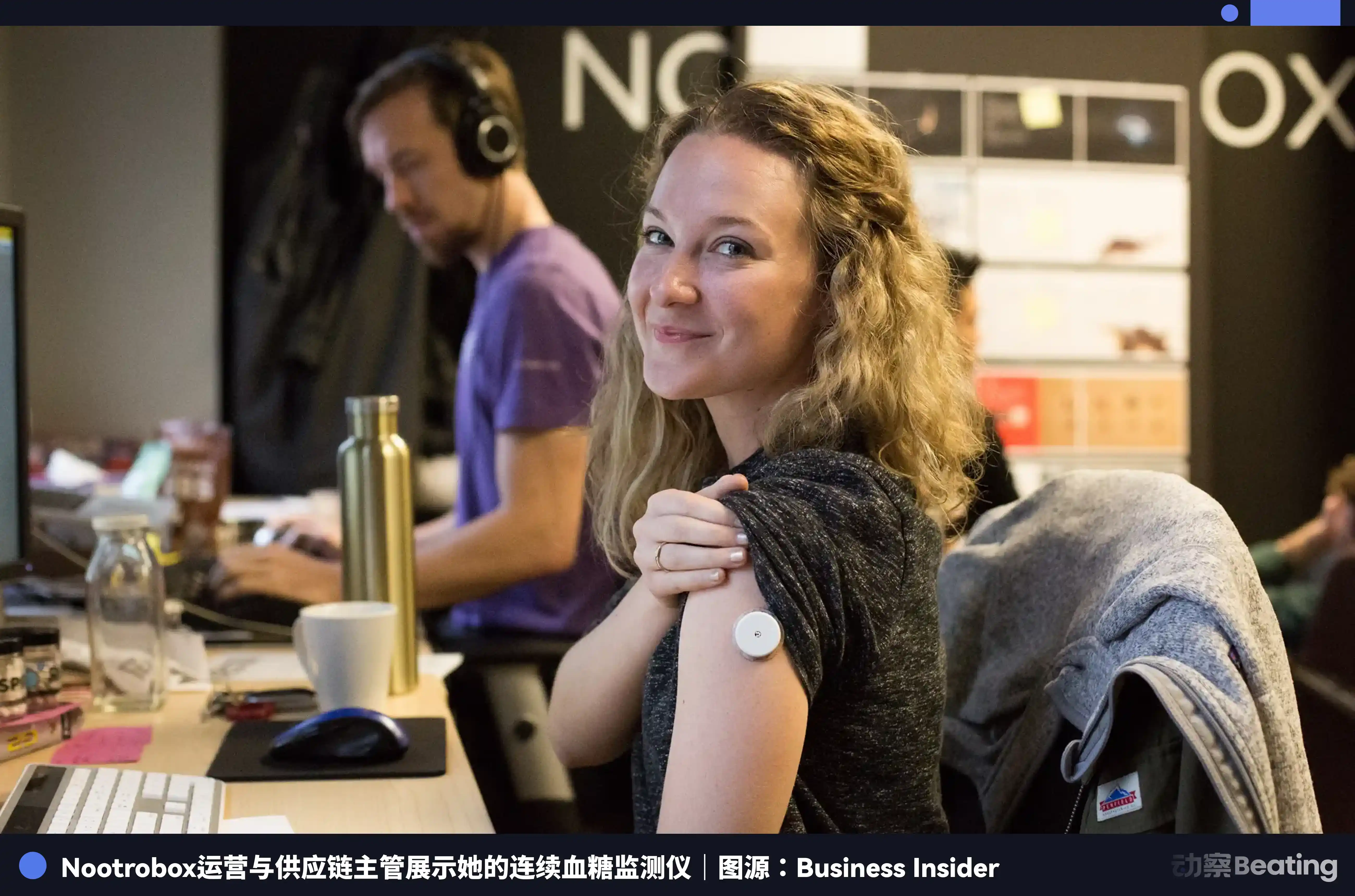
No es la vida licenciosa tradicional de los ricos. Los ricos de ahora estudian cómo vivir veinte años más, y de paso ejecutan un gran modelo en casa. Se preocupan mucho por sus cuerpos, como un ingeniero diligente que cuida una máquina recién comprada.

Qué comer cada día, cuántas horas dormir, qué frecuencia cardíaca, qué porcentaje de grasa corporal; mejor anotarlo todo. Con solo tener una gráfica, se sienten un poco más tranquilos. El hecho de estar vivo se convierte, en sus manos, en un experimento a largo plazo cuyo objeto es, casualmente, uno mismo. El Primer Emperador Qin enviaba barcos al mar; los ricos de San Francisco observan curvas de sueño. Los métodos han avanzado mucho, pero el deseo no ha cambiado demasiado.

Lástima que algunas cosas no cooperen mucho. Por ejemplo, que una persona se siente frente a ti y escuche cosas que no sirven de mucho. No sabes cuándo se aburrirá, ni por qué de repente se ríe. Esto no se puede cuantificar ni tiene un retorno estable. Precisamente por eso, es muy caro.

Antes de que los modelos cambien el mundo, primero han cambiado las noches de los ricos.

Buenos días, Ciudad Noche

Llegados a este punto, ya podemos ver más o menos cómo es esta ciudad.

Aquí, las empresas no necesitan ser alcaldes para decidir quién se queda y quién se va. Alguien acaba de vender parte de sus opciones y tiene treinta millones de dólares más en su cuenta. Estudian la longevidad, el sueño, cómo ajustar el cuerpo a su estado óptimo. Y si por la noche se aburren, pueden gastar unos miles de dólares para que una persona inteligente y atractiva se siente a hablar con ellos.

La vida de otros es mucho más simple. Se levantan a las seis de la mañana, salen desde Oakland o lugares más lejanos, viajan más de una hora en coche para entrar a la ciudad. Algunos escriben código para estas empresas, otros limpian las mesas de las oficinas, otros sirven café, reparten comida, conducen para aplicaciones. Con un alquiler mensual de 3.415 dólares allí, solo pueden ir a vivir cada vez más lejos.

Esta ciudad cree mucho en la tecnología. Cree que el cuerpo se puede optimizar, el sueño se puede optimizar, la eficiencia laboral se puede optimizar. Las relaciones entre personas también pueden convertirse en un servicio. Abres el teléfono, eliges, reservas, pagas, cancelas. No es muy diferente a pedir un coche.
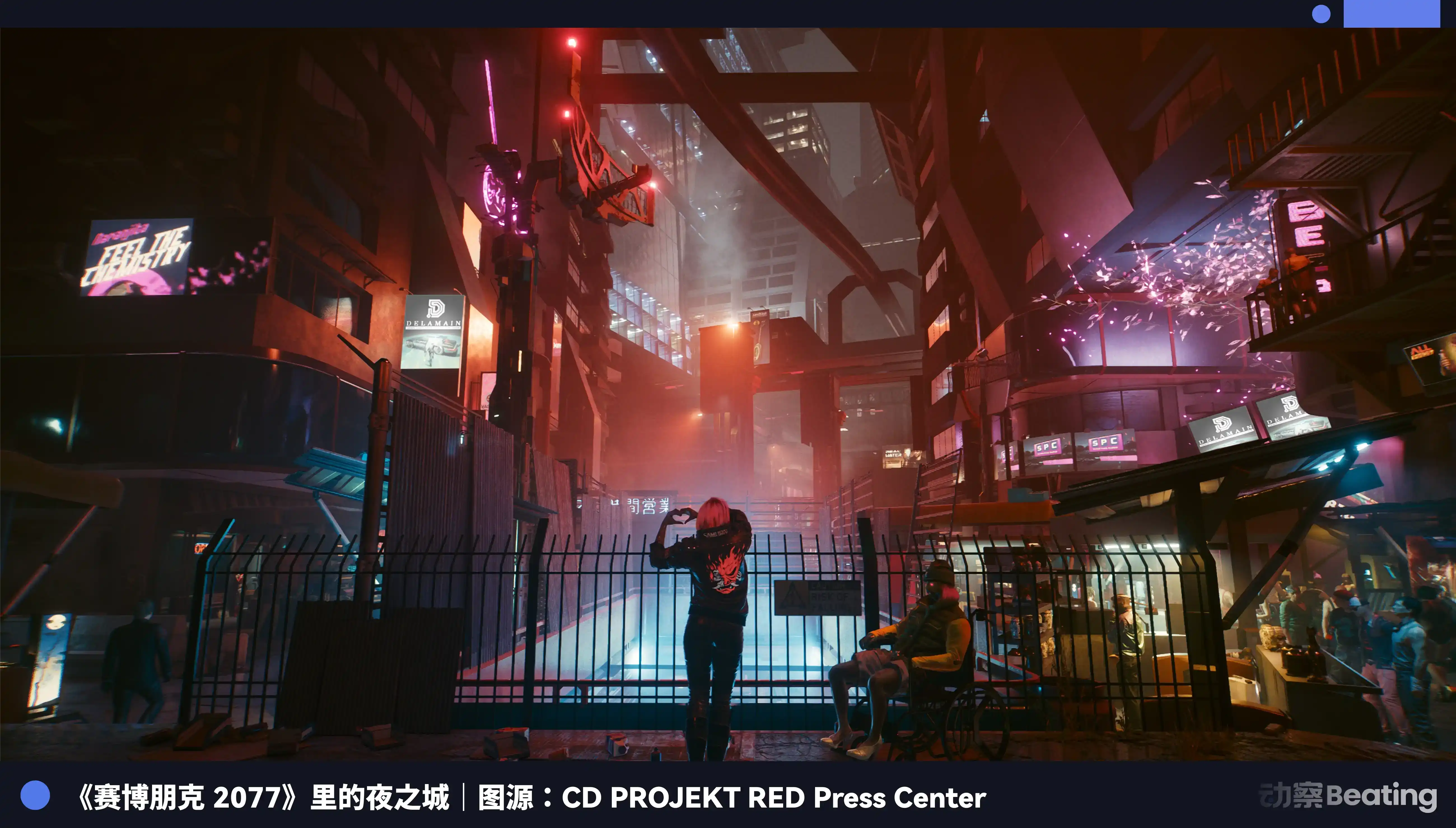
Quienes hayan jugado a "Cyberpunk 2077" probablemente encontrarán todo esto algo familiar. Los desarrolladores de CD Projekt Red escribieron una descripción para Ciudad Noche: es una megaciudad obsesionada con el poder, el encanto y la modificación corporal.

Cambia modificación corporal por longevismo y Biohacking, cambia encanto por AGI, cambia poder por empresas de IA y tablas de valoración, y esta frase casi podría pegarse tal cual en la página de presentación de San Francisco en 2026.

El cyberpunk nunca ha sido una estética. Que haya luces de neón en la calle no es cyberpunk, que haya robots tampoco. Es una estructura social de alta tecnología y baja humanidad.

La tecnología es cada vez más avanzada, pero las personas se parecen cada vez menos a la misma especie. Algunos ya están considerando cómo superar las limitaciones impuestas por la naturaleza, hacer que el cuerpo viva más tiempo, mantener la mente despierta, y externalizar todas las partes molestas de la vida. Otros todavía calculan a qué distancia tendrán que mudarse para poder seguir en esta ciudad.

Ciudad Noche no comenzó con las extremidades cibernéticas.

Comenzó cuando una ciudad aceptó gradualmente tal arreglo. Algunos mejoran constantemente, otros retroceden constantemente. Todos han subido en el mismo ascensor, esperado el semáforo en la misma calle, y luego han regresado a mundos completamente distintos.

San Francisco no tiene tantas luces de neón y rara vez llueve. Pero siempre te hace recordar a Ciudad Noche.

Related Questions

Q¿Cómo describe el artículo la transformación de San Francisco impulsada por la industria de la IA?

AEl artículo describe que San Francisco experimentó una transformación tras la llegada de la IA y su capital. Después de un período de aparente decadencia post-pandemia, las empresas de IA comenzaron a alquilar masivamente oficinas en distritos como SoMa y Mission Bay, revitalizando el mercado inmobiliario comercial. Esto generó un efecto dominó, aumentando drásticamente los alquileres residenciales en esas áreas, mientras que personas con trabajos de servicio se vieron desplazadas a ciudades más lejanas como Oakland. La ciudad se revitalizó, pero en torno a una pequeña élite tecnológica.

QSegún el texto, ¿cuál es la demanda principal que satisface el servicio de acompañantes de alto costo en Silicon Valley?

ALa demanda principal que satisface este servicio no es el placer físico tradicional, sino la necesidad de compañía intelectual y validación emocional. Los nuevos ricos de la IA, a menudo jóvenes, socialmente aislados y llenos de ideas grandiosas sobre el futuro, pagan entre 3000 y 6000 dólares la hora para que alguien (generalmente una mujer inteligente y atractiva) los escuche hablar seriamente sobre temas como la AGI, las GPU, el biohacking o el cripto, y los haga sentir comprendidos e importantes.

Q¿Qué paralelismo histórico establece el autor entre la fiebre del oro de California y el actual auge de la IA?

AEl autor establece un paralelismo con la fiebre del oro de 1849. Así como en aquel entonces la mayoría de los buscadores de oro no se enriquecieron, pero sí lo hicieron quienes les vendían suministros (picos, tiendas), servicios (bancos, hoteles) y entretenimiento, en el auge de la IA sucede algo similar. Primero llegan los que 'venden picos' (GPU, computación en la nube), luego los servicios auxiliares (inversores, abogados) y finalmente surgen servicios que atienden los deseos más personales de la nueva élite adinerada, como el acompañamiento de lujo descrito en el artículo.

Q¿En qué se diferencian los hábitos de consumo de los nuevos ricos de la IA de los de los ricos tradicionales, según el artículo?

AA diferencia de los ricos tradicionales, que suelen gastar en bienes de lujo visibles y ostentosos como coches deportivos o relojes caros para impresionar a los demás, los nuevos ricos de la IA gastan en sí mismos y en su bienestar personal. Invierten en salud, longevidad (dietas cetogénicas, biohacking), tecnología funcional (como una Mac Mini para ejecutar modelos locales de IA) y experiencias que alimentan su intelecto o curiosidad. Su lujo es interno, personal y a menudo técnico.

Q¿Por qué el autor compara la San Francisco de 2026 con Night City de 'Cyberpunk 2077'?

AEl autor hace la comparación porque ve en la San Francisco actual la esencia del 'cyberpunk': una estructura social de 'alta tecnología, baja calidad de vida' (high tech, low life). La tecnología avanza radicalmente (IA, longevidad), pero la sociedad se fractura. Una pequeña élite con poder y recursos puede optimizar sus cuerpos y comprar compañía, mientras que una gran mayoría es desplazada económicamente y lucha por quedarse en la ciudad. No se trata de la estética (neones, lluvia), sino de la profunda desigualdad potenciada por el progreso tecnológico, donde las personas dejan de parecer pertenecer a la misma especie.

Related Reads

Has the Cryptocurrency Market Hit Bottom? Here's What Institutions Think

"Has the crypto market bottomed out? Major institutions are divided on the outlook, according to a recent analysis by Matt Hougan, Chief Investment Officer of Bitwise. Three prominent research firms published in-depth reports on the topic with differing conclusions. Galaxy Digital argues Bitcoin has not yet found its bottom, pointing to only 4 out of 13 historical bottoming indicators being met. Their analysis suggests a potential bottom range of $30,000 to $54,000. NYDIG adopts a more cautious stance, noting that while metrics are close to historical bear market lows, a classic panic-selling capitulation event is missing. They acknowledge the possibility of a bottom but consider it unlikely, citing structural changes from institutional adoption. In contrast, Standard Chartered Bank asserts the bottom is already in at around $59,000. Their revised bullish view, predicting a year-end target of $100,000, hinges on anticipated reductions in ETF selling pressure linked to events like a potential SpaceX IPO. Despite the surface-level disagreement on the exact price floor, the reports share significant common ground crucial for long-term investors. All three institutions agree that a market bottom will likely form within the current year, that current prices are closer to the bottom than to previous cycle highs, and that Bitcoin is poised for another major bull cycle in the future. The core takeaway is that while the precise bottom level remains debated, the long-term value proposition for Bitcoin remains strong and may even be strengthening. Key supportive trends include rising global debt, persistent inflation, declining trust in traditional institutions, accelerating digitization, and improving market infrastructure. Therefore, for investors with a long-term horizon, the focus should shift from pinpointing the exact bottom to recognizing that the cycle's peak is likely still ahead, making current levels an attractive entry point for substantial potential upside."

Foresight News5m ago

Has the Cryptocurrency Market Hit Bottom? Here's What Institutions Think

Foresight News5m ago

2029 Finale Prediction: When Cryptocurrency Completely "Vanishes", Who Can Remain in This Financial Upheaval?

By 2029, the crypto industry will have transformed into a largely invisible but foundational layer for traditional finance. This timeline outlines the key shifts from now until then. By mid-2026, the most sought-after assets on-chain will not be traditional tokens, but synthetic perpetual contracts for private, high-growth companies (like SpaceX, OpenAI). These become primary price discovery tools, highlighting the market's craving for real-world asset value. Most altcoins enter a sustained bear market as their fundamental lack of asset-backed value is exposed. In late 2026, the "AI + Crypto" narrative largely fades as AI giants prove they don't need crypto infrastructure, except for prediction markets betting on model performance. Simultaneously, a quiet but significant wave of tokenization for institutional assets (money market funds, private credit) begins. The industry splits into a noisy speculative economy and a silent institutional one. Throughout 2027, major public blockchain foundations pivot decisively to serve institutional clients, building compliance toolkits and sales teams. However, key sectors hit growth ceilings: private perpetual contracts are legally restricted from public promotion, stable币 growth is capped by looming political uncertainty, and tokenization projects remain cautious. In 2028, following a U.S. election assumed to maintain a regulatory (not prohibitive) stance, a pivotal change occurs. After a major liquidation crisis exposes the flaws of synthetic contracts lacking a real-asset anchor, new regulations allow the *public solicitation* of private security sales (secondary market shares) to accredited investors. This creates a legitimate, direct on-ramp for retail capital into previously illiquid private equity. By 2029, the resulting bull market is driven by trading in real, innovative company shares (biotech, robotics, AI labs), not speculative tokens. "Crypto" as a distinct asset class recedes; it becomes the mundane, unseen plumbing for this new global private markets infrastructure. Tokens that survive are those capturing real cash flows from this infrastructure. Speculation persists but is marginalized. The core questions posed at the start are answered: token value is tied to legally enforceable claims on real assets, frontier tech adoption happens via private market channels, and crypto's absorption into traditional finance is marked by its becoming boring and invisible. The key validation for this entire thesis is whether, by late 2028, a legal pathway exists for ordinary accredited investors to access private assets directly.

marsbit48m ago

2029 Finale Prediction: When Cryptocurrency Completely "Vanishes", Who Can Remain in This Financial Upheaval?

marsbit48m ago

After the U.S. Banned Fable 5, Zhipu's Stock Soared 47%

On June 15, Chinese AI company Zhipu's stock surged up to 47.6% in Hong Kong, closing with a 32.82% gain. This sharp rise followed two key industry events. On June 12, Anthropic was compelled by a U.S. government export control order to suspend global access to its latest flagship models, Claude Fable 5 and Claude Mythos 5, impacting developers and businesses reliant on them. The next day, Zhipu announced it was opening access to its new open-source flagship model, GLM-5.2, for all Coding Plan users, with API and model weights (under the MIT license) to follow. The Anthropic incident highlighted a critical shift in the AI industry: beyond raw capability, the stability, continuous accessibility, and control over AI models are becoming equally vital, especially as AI integrates deeper into business workflows. Zhipu's move, emphasizing that "frontier intelligence should not belong to a few nor be subject to arbitrary revocation," positioned its open, accessible model as an alternative. GLM-5.2 focuses on "Long Horizon Tasks" with a 1M context window, aiming for consistency in complex, extended projects. Market analysts suggest this event exposes the risk of dependency on closed-source models subject to single jurisdiction policies, potentially accelerating a shift toward domestic base models and localized deployments. The investment response indicates a new valuation metric is emerging—prioritizing which companies can provide AI capabilities that are not only advanced but also reliably and sustainably accessible.

marsbit50m ago

After the U.S. Banned Fable 5, Zhipu's Stock Soared 47%

marsbit50m ago

PANews Column Registration and Article Submission Guide

"PANews Column Registration and Submission Guide" provides instructions for users to register as columnists and publish articles on the PANews platform. Key application requirements are emphasized: content should focus on in-depth analysis within Crypto, Web3, blockchain, data, and viewpoints. Content primarily for brand/product introductions will not be approved, and heavily AI-generated content will be rejected. Promotional (PR/soft) content is directed to the business channel. **Registration Process:** * **Web:** Go to the official website footer, click "Apply for Column," and register with a phone number or email (login via verification code, no password). Fill in the column name, description, upload an avatar, and submit links to previously published work. * **Mobile:** Navigate to "My" -> "Contribute & Create" and complete the form. **Article Submission Tutorial:** 1. Log in to the PANews website. 2. Access the "Creator Center" from your personal homepage. 3. Use the editor to create and publish articles. **Video Upload:** The platform supports embedding videos from third-party sites (e.g., Bilibili). Copy the embed code from the source video, use the editor's "Insert/Edit media" button, paste the code under the "Embed" tab, and adjust the display size (recommended: width 100%, height 560px). **PANews Skills (AI Agent Tool):** PANews offers an official AI Agent skill set called PANews Skills, enabling AI tools to query platform content, track trends, and publish column articles directly. It includes three main skills: 1. `panews`: For tracking daily must-read lists, popular articles, and funding news. 2. `panews-creator`: For managing columns, publishing articles, and uploading images. 3. `panews-web-viewer`: For parsing PANews webpages into Markdown. These skills are compatible with various AI Agent tools (OpenClaw, Cursor, Claude Code, ChatGPT, Gemini, etc.). To use the `panews-creator` skill, users must obtain a specific authentication value from the PANews website after logging into their columnist account.

marsbit1h ago

PANews Column Registration and Article Submission Guide

marsbit1h ago

Trading

Spot
Futures

Hot Articles

What is LINON

Linde plc Tokenized Stock (Ondo): Revolutionizing Traditional Equity Access Through Blockchain Innovation The emergence of Linde plc Tokenized Stock (Ondo), represented by the ticker $LINON, signifies a monumental shift in the fusion of traditional financial structures and decentralized finance (DeFi). This innovative financial instrument showcases the tremendous potential of blockchain technology to democratize access to traditional equity markets while ensuring the security and regulatory compliance necessary for institutional-grade financial products. Through Ondo Finance's pioneering tokenization platform, $LINON provides a seamless pathway for global investors to engage with one of the world's leading industrial gas companies, Linde plc, creating a blockchain-native representation of the underlying equity. Introduction to Linde plc Tokenized Stock The landscape of financial markets is witnessing a groundbreaking transformation through the tokenization of real-world assets. Linde plc Tokenized Stock (Ondo) epitomizes this revolutionary approach by bridging the gap between conventional stock ownership and blockchain-enabled financial infrastructure. The $LINON token allows investors to gain exposure to one of the prominent industrial companies worldwide through decentralized technology. Operating within Ondo Finance's comprehensive ecosystem, $LINON symbolizes a practical application of tokenization technology that enhances accessibility, efficiency, and global connectivity in traditional financial markets. By leveraging blockchain infrastructure, this tokenized stock enables international investors to participate in U.S. equity markets, overcoming traditional barriers associated with cross-border investing. The significance of $LINON goes beyond technological innovation; it represents a fundamental shift in asset structuring, distribution, and trading in the digital age. This tokenized stock maintains all the economic benefits associated with traditional Linde plc shares while offering improved liquidity, programmable compliance features, and seamless integration with decentralized finance protocols. The development of $LINON indicates a growing acceptance of blockchain technology as a viable means for traditional finance, exemplifying how even well-established assets like Linde plc can integrate into blockchain systems. This approach preserves the core attributes that appeal to investors while introducing advanced capabilities that enhance the overall investment proposition. Project Overview and Objectives Linde plc Tokenized Stock (Ondo) encapsulates a strategic effort to democratize access to traditional equity markets through advanced blockchain technologies. The primary objective of $LINON is to provide approved global investors seamless access to the economic exposure associated with Linde plc shares, furthering an effort to create a more inclusive financial ecosystem. Beyond the digital representation of traditional assets, $LINON endeavors to eliminate barriers of geography and time zones that limit investor participation. Its design ensures that blockchain technology can elevate traditional investment vehicles without undermining the security or compliance requirements expected by investors. Key goals of the project include enhanced liquidity provision, programmable compliance mechanisms, and interoperability with other blockchain networks. Each $LINON token is fortified by actual Linde plc securities housed at U.S.-registered broker-dealers, allowing holders to reap economic advantages akin to traditional stockholders, such as dividend reinvestment. Furthermore, $LINON aims to establish new industry standards for institutional-grade tokenized securities, paving the way for traditional assets to embrace blockchain technology while remaining compliant with regulatory frameworks. By associating itself with a company as reputable as Linde plc, the project opens avenues for exploring tokenized equities catering to both conservative institutional players and daring retail investors. Project Creator and Development Team The vision for Linde plc Tokenized Stock (Ondo) comes from Nathan Allman, founder and CEO of Ondo Finance. His background in traditional finance coupled with expertise in blockchain technology positions him uniquely to navigate the complexities of asset tokenization. Allman's academic journey began at Brown University, focusing on Economics and Biology, equipping him with valuable analytical skills. His time at Goldman Sachs in the Digital Assets division strengthened his understanding of the interplay between financial institutions and emerging technologies, laying the groundwork for his later endeavors in alternative investment strategies. Under Allman's guidance, Ondo Finance has emerged as a leader in asset tokenization, launching $LINON as a flagship example of the company's larger mission towards revolutionizing traditional financial systems using blockchain technology. His commitment to leveraging blockchain for creating institutional-grade financial products has shaped the landscape of real-world asset tokenization. Investment and Funding Structure The growth of Ondo Finance, the platform powering Linde plc Tokenized Stock (Ondo), is bolstered by robust financial backing from prestigious venture capital firms and strategic investors. This strong investment foundation underpins the development of the key infrastructure essential for compliant tokenized securities like $LINON. In August 2021, Ondo Finance secured $4 million in seed funding led by a major venture capital firm, which enabled the company to commence platform development and establish the necessary regulatory processes for tokenizing real-world assets. This early investment cemented Ondo Finance's credibility within the industry. The Series A funding round followed, garnering $20 million with participation from renowned firms committed to transformative technology companies. This backing demonstrated substantial institutional confidence in Ondo Finance's vision, allowing it to hone its approach to asset tokenization through mechanisms that ensure compliance and accessibility. Noteworthy contributors, including institutional investors and experienced partners, have added significant value to Ondo Finance’s development efforts. Their involvement underscores the confidence across sectors in Ondo Finance's approach to bridging traditional finance with blockchain innovations. Technical Infrastructure and Innovation The technical architecture that underpins Linde plc Tokenized Stock (Ondo) represents a sophisticated melding of traditional finance systems and cutting-edge blockchain technology. The architecture's foundation is built on the Ethereum network, renowned for its security and programmability—both critical for intricate financial instruments. The $LINON tokenization process comprises creating a blockchain-native representation of Linde plc shares that preserves economic benefits while augmenting investor capabilities. Each token corresponds to actual shares held at U.S.-registered broker-dealers, creating a compliant custody structure that legitimizes the asset's existence and value. Automated compliance systems are integrated into the tokenization process, managing critical components such as know-your-customer (KYC) verification and anti-money laundering (AML) protocols. This incorporation of programmable compliance empowers $LINON to uphold regulatory standards essential for institutional proliferation. Cross-chain interoperability characterizes the advanced technical features of $LINON. While initially deployed on Ethereum, the framework is designed for expansion to other networks such as Solana and BNB Chain. This adaptability enhances liquidity and accessibility, allowing investors to select their preferred blockchain ecosystems. Historical Timeline and Development Crafting the history of Linde plc Tokenized Stock (Ondo) unfolds in parallel with the evolution of Ondo Finance's tokenization platform. The timeline's inception dates back to March 2021 when Nathan Allman laid the foundations for creating institutional-grade financial products on blockchain infrastructure. The initial funding round in August 2021 provided crucial resources for developing the platform and establishing partnerships necessary for effective tokenization. By January 2023, Ondo Finance launched its tokenized treasury products, establishing mechanisms that would facilitate future tokenized equities such as $LINON. A pivotal milestone arose in February 2025 when Ondo Chain—a Layer 1 blockchain designed specifically for asset tokenization—was introduced. This infrastructure enhances capabilities vital for institutional markets, demonstrating Ondo Finance's long-term commitment to tokenization. Subsequently, the launch of Ondo Global Markets in September 2025 marked the official debut of $LINON. This milestone showcased the successful transition from development to active trading, enabling investors around the world to access American financial markets seamlessly. Ongoing development plans include a targeted expansion of available tokenized assets to over 1,000 by the end of 2025, pointing to a bright future for Ondo Finance's ecosystem and its mission to broaden tokenized equity accessibility. Regulatory Compliance and Legal Framework The legal architecture governing Linde plc Tokenized Stock (Ondo) emphasizes a sophisticated approach to regulatory compliance, allowing tokenized securities to be implemented within a blockchain-based framework. The legal structure governing $LINON spans multiple jurisdictions while maintaining a robust legal footing. Compliance systems ensure that only eligible investors can access the token, enforced through automated verification that aligns with international regulations. This innovative regulatory technology promises real-time enforcement of complex requirements, considerably enhancing efficiency in operating within the regulatory landscape. The custody framework undergirding $LINON ensures that the underlying shares are securely held at U.S.-registered broker-dealers, complying with necessary regulations while delivering blockchain-driven access to investors. The token maintains its economic equivalency and security through this carefully structured custody arrangement. KYC and AML compliance systems are embedded within the smart contract architecture, ensuring integrity and adherence to regulatory practices while fostering transparency for investors. The jurisdictional restrictions mark a commitment to navigating the evolving landscape of international securities laws. Market Impact and Industry Significance The advent of Linde plc Tokenized Stock (Ondo) holds profound implications for the broader financial landscape, symbolizing a clear shift towards blockchain-enabled markets. $LINON serves as a proof-of-concept for integrating traditional companies into blockchain ecosystems, showcasing the potential benefits such as broader accessibility and improved efficiency. The market's response to $LINON indicates a growing acceptance of tokenization among institutional investors, contributing to the emergence of an expanding sector wherein traditional assets can be interconnected with blockchain innovations. The success of $LINON further solidifies market confidence, indicating an overarching shift towards recognizing asset tokenization as a transformative force in finance. Future Development and Expansion Plans The future trajectory for Linde plc Tokenized Stock (Ondo) centers around the expansion of the tokenization ecosystem and enhanced infrastructure supporting blockchain-enabled financial services. Plans for cross-chain integration usher in new opportunities for liquidity and flexibility within the investment framework, with existing capabilities poised for continuous enhancement. With the introduction of Ondo Chain, Ondo Finance aims to transition $LINON to an optimized blockchain environment specifically designed for asset tokenization. This new infrastructure heralds exciting prospects for the development of institutional-grade financial products, ensuring ongoing compatibility with contemporary investment strategies. Further integration with decentralized finance protocols signifies a commitment to empowering $LINON holders through advanced financial strategies. The anticipated expansion of available tokenized assets promises to broaden investor access, enhancing the utility and appeal of the platform. In alignment with ambitions for regulatory expansion, ongoing efforts to secure approvals for new jurisdictions will enhance investor access, further positioning $LINON at the forefront of the burgeoning tokenization market. Conclusion Linde plc Tokenized Stock (Ondo), as represented by the $LINON token, stands at the intersection of traditional finance and blockchain innovation. It embodies a transformative milestone in how financial assets are structured, distributed, and engaged within modern investment ecosystems. The technical sophistication behind $LINON, combined with its regulatory compliance framework, illustrates that asset tokenization can improve financial infrastructure rather than simply digitizing existing products. This pioneering effort not only enhances investor access to U.S. equity markets but also signifies an evolution of how traditional financial services can integrate blockchain technology. As the asset tokenization market grows exponentially, with prospects suggesting significant valuation increases, $LINON paves the way for a future where tokenized securities become standard fixtures in the financial landscape. The trajectory of $LINON will undoubtedly influence how traditional finance adapts to a transformed, blockchain-powered world.

3.2k Total ViewsPublished 2025.12.05Updated 2025.12.05

What is LINON

What is CRMON

Salesforce Tokenized Stock (Ondo): Revolutionising Traditional Equity Access Through Blockchain Innovation The emergence of Salesforce Tokenized Stock (CRMON) marks a pivotal advancement in integrating traditional financial markets with blockchain technology. This innovative approach offers investors unprecedented access to equity exposure through tokenisation. Developed by Ondo Finance, CRMON provides tokenholders with economic exposure equivalent to holding Salesforce stock (CRM) while automatically reinvesting dividends. This effectively bridges the gap between conventional equity markets and decentralised finance (DeFi). Introduction and Comprehensive Overview of Salesforce Tokenized Stock In recent years, the financial landscape has dramatically transformed due to blockchain technology, fundamentally altering how investors access and interact with traditional assets. The development of Salesforce Tokenized Stock (CRMON) is a prime example of this evolution, representing a sophisticated fusion of conventional equity markets with cutting-edge distributed ledger technology. CRMON is a tokenised version of Salesforce stock, emerging from the innovative work of Ondo Finance, a leading platform in the real-world asset tokenisation sector that positions itself as a bridge between traditional finance and decentralised systems. Designed to provide tokenholders with economic exposure that mirrors the performance of the underlying Salesforce stock, CRMON incorporates automatic dividend reinvestment mechanisms. This eliminates many traditional barriers associated with international equity investment, such as complex brokerage relationships, currency conversion challenges, and restricted trading hours. The tokenisation process reimagines stock ownership as a blockchain-native asset while maintaining its economic equivalence with the underlying security, offering enhanced portability and integration capabilities within decentralised finance ecosystems. CRMON transcends its individual utility as an investment instrument to represent a fundamental shift in how financial markets can operate in an increasingly digital world. By maintaining full backing through U.S.-registered broker-dealers and implementing robust compliance frameworks, CRMON demonstrates that tokenised securities can achieve the regulatory standards necessary for institutional adoption while delivering the technological advantages of blockchain infrastructure. Understanding Tokenized Real-World Assets and CRMON's Strategic Position Tokenised real-world assets signify one of the most significant innovations in modern finance, fundamentally reimagining how traditional securities are represented, traded, and utilised within digital ecosystems. CRMON operates as a tokenised equity instrument correlating directly with Salesforce stock while optimising accessibility and efficiency. This aligns with Ondo Finance's broader mission to democratise access to institutional-grade financial products through innovative tokenisation strategies. The tokenisation process guarantees complete economic equivalence with the underlying Salesforce equity. Each CRMON token represents a proportional claim on Salesforce stock held by qualified custodians, with dividend payments automatically reinvested to maintain continuous exposure to total return performance. This structure simplifies dividend management and ensures that tokenholders receive the full economic benefit of their equity exposure, encompassing both capital appreciation and income generation. Ondo Finance's strategy in tokenising Salesforce stock demonstrates its expertise in creating compliant, institutional-grade products that meet traditional financial markets' stringent requirements. The platform’s focus on merging regulatory compliance with blockchain benefits positions it at the forefront of decentralised finance, captivating both institutional and retail investors seeking blockchain-native solutions. The Technology and Innovation Framework Behind CRMON The technological infrastructure supporting CRMON integrates blockchain technology with traditional financial mechanisms, delivering institutional-grade security and compliance while maintaining the operational advantages of decentralised systems. Built on the Ethereum blockchain, CRMON utilises robust smart contract capabilities to ensure transparent, secure operations. The smart contract architecture incorporates layered security and compliance mechanisms, enabling automated compliance checks and real-time asset backing verification. Integration with oracle services maintains accurate pricing and dividend information, ensuring CRMON reflects the underlying Salesforce stock's accurate performance. This architecture delivers automated dividend reinvestments and other corporate actions, eliminating manual processing requirements and directly enhancing tokenholder benefits. Ondo Finance ensures CRMON's security structure includes daily third-party verification of holdings, independent collateral agents, and a multiple-layer custody system through partnerships with established financial institutions. This framework safeguards tokenholder interests against operational risks while providing robust asset backing. The user interface enhances integration capabilities, allowing seamless interaction between CRMON and various decentralised finance protocols, as well as cryptocurrency exchanges. This interoperability enables users to leverage their tokenised equity across multiple platforms, creating sophisticated investment strategies that marry traditional equity characteristics with blockchain-native innovation. Leadership and Corporate Structure of Ondo Finance The leadership team behind CRMON and Ondo Finance blends expertise from traditional finance and blockchain technology, presenting a robust combination of skills essential for successfully bridging conventional markets with decentralised finance. Nathan Allman, the founder and CEO, emerged from a distinguished financial background before establishing Ondo Finance in 2021. Allman's experience includes notable roles at major financial institutions, including significant contributions to developing cryptocurrency market services. His insights into regulatory compliance were paramount in developing products like CRMON that successfully unify traditional securities with blockchain technology. With a team of professionals boasting substantial experience in both conventional finance and blockchain sectors, Ondo Finance's leadership comprises diverse expertise that covers every aspect of tokenised asset development. Justin Schmidt serves as President and COO, contributing unique operational expertise, while Chris Tyrell brings essential compliance knowledge. Investment Landscape and Funding History The investment landscape surrounding Ondo Finance reflects significant institutional confidence in its mission to tokenise real-world assets. The company has raised substantial funds through various investment rounds, attracting leading venture capital firms and strategic investors that recognise the transformative potential of tokenised securities like CRMON. Notably, Ondo Finance completed a successful Series A funding round in 2022, led by well-known venture capital firms. This funding success validates Ondo Finance's innovative approach to creating compliant, institutional-grade tokenised products. In total, Ondo Finance has successfully secured substantial funding, raising significant capital for product development and market expansion, including a noteworthy token sale that reinforced its governance structure through the establishment of the ONDO token. The diverse composition of investors reflects broad market confidence in Ondo Finance's business model, demonstrating support from both traditional and blockchain-native organisations. Operational Mechanics and Technical Implementation The operational framework supporting CRMON exemplifies sophisticated integration of traditional financial mechanisms with blockchain technology. The technical implementation introduces multiple layers of security, compliance, and operational efficiency to meet institutional standards while enhancing accessibility. The tokenisation process begins by acquiring actual Salesforce stock through U.S.-registered broker-dealers, ensuring each CRMON token maintains direct correlation with the underlying equity performance. Smart contracts automate operational processes, including dividend reinvestment and corporate action processing, facilitating a streamlined user experience. The Minting and redemption processes allow authorised participants to manage CRMON tokens effectively. During U.S. trading hours, institutions can mint new tokens by depositing stablecoins that are used to purchase corresponding Salesforce equity. This structure maintains a tight correlation with underlying assets, enhancing liquidity and price discovery. Additionally, the infrastructure supports twenty-four-hour token transfer capabilities, providing CRMON holders with operations outside traditional market hours. This represents a significant advantage over conventional securities ownership, thus promoting integration with decentralised finance applications. Plans for cross-chain compatibility through partnerships signal further ambitions for CRMON's market reach. By expanding to other blockchain networks, Ondo Finance aims to enhance accessibility and user engagement with tokenised equity products. Timeline and Historical Development of Tokenized Equity Innovation The timeline of CRMON's development and Ondo Finance's broader tokenised capabilities demonstrates a systematic innovation process beginning with the company's founding in 2021. 2021: Ondo Finance is founded by Nathan Allman and co-founders, launching initial products focused on structured vault offerings on the Ethereum blockchain. 2022: The company completes substantial funding rounds—both equity and token sales—totaling significant capital and launching initial tokenised U.S. Treasury products. 2023-2024: Ondo Finance experiences substantial growth, establishing partnerships with major financial institutions while expanding its product offerings beyond fixed-income securities. February 2025: Ondo Global Markets is announced, marking the transition into equity tokenisation with plans for accessing over one hundred U.S. stocks and ETFs. September 2025: The official launch of Ondo Global Markets includes CRMON alongside other tokenised equity offerings, marking a significant evolution in Ondo Finance's product ecosystem. This timeline highlights the organisation's rapid growth and its capability to adapt its technological and compliance frameworks to accommodate different asset classes effectively while maintaining security and regulatory integrity. Regulatory Framework and Compliance Approach Ondo Finance's regulatory framework showcases a sophisticated compliance strategy, essential for achieving institutional adoption in the tokenised securities market. The company's strong partnerships with U.S.-registered broker-dealers promote adherence to Securities and Exchange Commission regulations and apply robust investor protections. Acquisitions, such as Oasis Pro—a registered broker-dealer—significantly enhance Ondo Finance's compliance capabilities, ensuring thorough alignment with existing regulatory structures. The company employs independent verification procedures that foster transparency, aiming for a solid performance standards reputation. Furthermore, Ondo Finance's commitment extends to international regulatory compliance, ensuring token access remains restricted to eligible investors while adhering to pertinent cross-border securities regulations. Comprehensive attention to tax implications and reporting requirements fortifies the security and compliance landscape of CRMON, ensuring that investor obligations remain manageable. Future Prospects and Market Positioning The forward-looking landscape for CRMON and Ondo Finance illustrates substantial growth opportunities driven by institutional adoption of blockchain technology and escalating demand for efficient alternatives to conventional securities ownership. Market projections indicate the tokenised asset sector could value multiple trillion dollars by 2030. With plans to scale CRMON offerings significantly and integrate it with a dedicated blockchain infrastructure—Ondo Chain—Ondo Finance aims to elevate its institutional-grade tokenised asset operations. Additionally, the development of strategic partnerships enhances distribution capabilities while establishing the company's credibility in the financial market. Furthermore, the integration of tokenised equity with decentralised finance protocols offers new potential for innovative financial products and strategies previously impossible with traditional securities. These factors underscore CRMON's positioning to effectively capture increased market share and deliver innovative solutions for international investment exposure. Conclusion Salesforce Tokenized Stock (CRMON) symbolises a transformative development within financial markets, successfully bridging traditional equity ownership with blockchain technology to create unprecedented accessibility for global investors. Through Ondo Finance's sophisticated tokenisation framework, CRMON provides complete economic exposure to Salesforce equity performance while enhancing operational advantages that exceed traditional ownership. The launch of CRMON reflects the broader evolution of financial markets towards blockchain infrastructures that maintain regulatory compliance while delivering increased efficiency. Ondo Finance's extensive approach to regulatory adherence, institutional-grade security, and technological innovation solidifies CRMON as a model for future tokenised securities, delivering access previously unattainable in conventional brokerage structures. As the tokenised asset sector continues to develop, CRMON is well-positioned to address historical inefficiencies in capital markets while providing investors with innovative solutions for accessing traditional securities. The outlook for CRMON looks exceptionally promising, supported by ambitious expansion plans, technological innovations, and strategic partnerships, thereby representing a pioneering model of modern financial infrastructure evolving through blockchain integration.

3.3k Total ViewsPublished 2025.12.05Updated 2025.12.05

What is CRMON

What is SHOPON

Shopify Tokenized Stock (Ondo): A Comprehensive Analysis of Real-World Asset Tokenization in Web3 This article delves into the Shopify Tokenized Stock (Ondo), recognised by its ticker symbol $SHOPON, exploring its implications at the intersection of traditional finance and blockchain technology. As a part of Ondo Finance's tokenized securities platform, Shopify’s tokenized stock exemplifies advancements in democratizing access to global capital markets through innovative digital assets. Introduction and Overview of Shopify Tokenized Stock (Ondo) Shopify Tokenized Stock (Ondo), or $SHOPON, portrays a pivotal innovation in the realm of tokenized securities, allowing investors to gain economic exposure akin to directly owning shares of Shopify Inc. This token, developed under the umbrella of Ondo Finance, not only provides investors with the ability to hold digital representations of the company’s stock but also integrates features such as automatic reinvestment of dividends. This advancement represents a substantial shift in the landscape of decentralized finance (DeFi), linking conventional equity markets with blockchain solutions designed to enhance accessibility, transparency, and liquidity. By eliminating geographical barriers and enabling 24/7 trading capabilities, $SHOPON is positioned as a bridge connecting traditional financial instruments and the emerging Web3 ecosystem. What is Shopify Tokenized Stock (Ondo), $SHOPON? The $SHOPON token serves as a digital manifestation of Shopify Inc.'s shares, engineered to provide a direct correlation to the underlying asset's performance. Through the utilization of blockchain technology, the token gives holders a mechanism to participate in the economic benefits associated with equity ownership, including capital appreciation and dividend distribution. The unique aspect of $SHOPON lies in its automatic dividend reinvestment mechanism, which allows returns to compound without necessitating active management by the investor. This feature inherently enhances its attractiveness as an investment vehicle, particularly for individuals seeking passive income growth alongside exposure to high-performing equities. The tokenization process is facilitated by the custody of actual Shopify shares through regulated intermediaries, ensuring that every $SHOPON token is verifiably backed by real equity. This structure empowers investors with the dual advantages of both traditional financial characteristics and the innovative benefits tied to blockchain technology. Who is the Creator of Shopify Tokenized Stock (Ondo)? The creator of Shopify Tokenized Stock (Ondo), Nathan Allman, is an experienced figure in the finance sector, formerly associated with Goldman Sachs. His rich background includes significant expertise in digital asset development, bridging the gap between traditional finance and cryptocurrencies. Allman’s educational journey, marked by studies at Brown University, provided him with a deep understanding of economics and biology, equipping him with analytical skills that inform his strategic vision. In 2021, he founded Ondo Finance, committing to developing tokenized securities that meet institutional-grade standards while leveraging blockchain's transformative capabilities. Under Allman's leadership, Ondo Finance has focused on creating compliant and innovative financial products that empower a diverse investor base. Who are the Investors of Shopify Tokenized Stock (Ondo)? The investment landscape surrounding Shopify Tokenized Stock (Ondo) is notably robust, underpinned by significant institutional support. Primarily, Pantera Capital stands out as a strategic partner through the Ondo Catalyst initiative, a $250 million commitment aimed at accelerating the development of on-chain capital markets. This partnership not only signifies institutional confidence in the potential of tokenized assets but also reinforces Ondo Finance's operational capabilities and market positioning. The funding pathways have included earlier rounds that amassed millions in seed funding and further structural investments, solidifying relationships with both venture capital firms and private investors. Moreover, the financial framework is complemented by strategic partnerships with established financial institutions and technology companies, enhancing Ondo’s infrastructure and operational expertise. How Does Shopify Tokenized Stock (Ondo), $SHOPON Work? At the core of $SHOPON's operational framework is a sophisticated system integrating traditional finance mechanisms with blockchain technology. The custody of actual Shopify shares ensures that token holders retain authentic economic exposure, safeguarding their investments in line with recognized legal structures. The smart contracts employed in managing $SHOPON handle various functions, including automatic dividend reinvestment and ownership transfer, offering instant settlement and increased liquidity, marking a significant departure from conventional trading systems plagued by multi-day settlement delays. By providing interoperability with other decentralized finance applications, $SHOPON empowers holders with potentially lucrative opportunities for advanced investment strategies, including lending and automated market making. This complex integration presents a unique value proposition, catering to both traditional and crypto-native investors. The innovative structure of $SHOPON also allows for real-time settlements and transactions documented on the blockchain, delivering unparalleled transparency and security—a major advancement over standard equity trading practices. Timeline of Shopify Tokenized Stock (Ondo) March 2021: Nathan Allman establishes Ondo Finance, initially focusing on decentralized finance yield optimization. August 2021: Completion of a $4 million seed funding round led by Pantera Capital. January 2023: Launch of initial tokenized treasury security products, laying the groundwork for future equity tokenization. July 2025: Announcement of the Ondo Catalyst initiative, a strategic investment program valued at $250 million, aimed at propelling the development of tokenization in capital markets. September 3, 2025: Launch of Ondo Global Markets featuring over 100 tokenized U.S. stocks and ETFs, including $SHOPON. Technical Implementation and Blockchain Infrastructure Shopify Tokenized Stock (Ondo) operates on a technical architectural framework that marries blockchain protocols with traditional financial custody arrangements. The ecosystem leverages Ethereum's smart contract capabilities, providing seamless transaction management while ensuring compliance with regulatory standards through established financial custodians. Central to this architecture are security measures and transparent transaction records that affirm the legitimacy of each tokenholder's economic stake. With automated features managed by intricate smart contracts, $SHOPON not only streamlines ownership transfers but also allows for the tactical reinvestment of dividends—a hallmark of modern investment strategies. Moreover, the incorporation of LayerZero technology facilitates cross-chain interoperability, making $SHOPON accessible across multiple blockchain environments while preserving its functional robustness. This forward-thinking technical design positions $SHOPON as an adaptable asset within the larger DeFi milieu. Regulatory Framework and Compliance Architecture $SHOPON's regulatory framework is built upon the meticulous navigation of existing financial regulations that govern securities. The custody arrangements for the underlying Shopify shares are managed by U.S.-regulated broker-dealers, ensuring compliance and protection for investors. By maintaining a separation between the blockchain tokenization process and traditional custody, $SHOPON adheres to legal requirements while offering innovative functionalities that challenge conventional constraints. This dual-layered compliance approach enhances investor confidence and underscores Ondo Finance's commitment to regulatory integrity. Notably, the availability of $SHOPON is tailored to international investors from regions such as Asia-Pacific, Europe, and Africa, as regulatory parameters in the U.S. and U.K. present challenges in accessing tokenized securities. Market Access and Global Distribution Strategy The distribution strategy of $SHOPON is keenly designed to optimize global access while conforming to regulatory standards. The platform aims to establish comprehensive coverage for eligible investors across multiple regions, effectively dismantling traditional barriers through the implementation of blockchain technology. Integration with various cryptocurrency wallets and exchanges also promotes user-friendliness and accessibility, establishing a streamlined experience for investors to manage their holdings. Moreover, the 24/7 trading capabilities afforded by the tokenized model allow participants to react promptly to market shifts, fundamentally transforming how global equities are accessed and traded. Technology Integration and Cross-Chain Functionality The remarkable technological underpinnings of $SHOPON propagate its multi-chain functionality, set to expand its reach beyond Ethereum to networks such as Solana and BNB Chain. Such cross-chain capabilities allow users flexibility when navigating between blockchains, concurrently leveraging distinct network attributes to optimize their trading experience. LayerZero serves as the backbone for ensuring decentralized transfers between networks while providing the requisite security and speed, quintessential for maintaining investor trust. This comprehensive interoperability illustrates $SHOPON's commitment to being a versatile, user-centric asset in the evolving investment landscape. Ecosystem Integration and DeFi Compatibility Incorporating $SHOPON into broader DeFi protocols signifies its potential beyond traditional stock ownership. Token holders can leverage their holdings for various sophisticated strategies and applications, enhancing investment returns and liquidity management. By establishing a presence in lending protocols and automated trading systems, $SHOPON effectively democratizes access to advanced financial strategies previously limited to institutional investors. Such integration contributes to a more competitive and dynamic financial landscape, where individual investors can capitalize on tools typically reserved for larger entities. Risk Management and Security Framework Security remains paramount in the operational infrastructure of $SHOPON. The tokenization framework employs multiple layers of protection—beginning with regulated custody of the underlying Shopify shares. The operational protocols establish rigorous auditing, key management, and transaction monitoring standards, thus safeguarding against potential vulnerabilities. Moreover, meticulous adherence to evolving regulatory requirements provides an extra layer of security, fortifying investor protections and institutional compliance. Market Impact and Industry Implications The introduction of Shopify Tokenized Stock (Ondo) heralds a transformative shift in how financial markets operate, emphasizing the potential of tokenized securities to reshape traditional investment paradigms. The successful integration of $SHOPON encapsulates the efficiencies inherent in blockchain technology and opens avenues for new user demographics previously barred from extensive market participation. The impact extends beyond the immediate benefits to token holders, indicating broader trends that may challenge the status quo of investment services, particularly in addressing geographic restrictions and operational costs typically associated with traditional brokerage platforms. Undeniably, $SHOPON encapsulates the potential for traditional institutions to innovate further, leveraging the increasing demand for seamless blockchain access to complement existing financial infrastructure. Future Development Roadmap and Strategic Vision As Ondo Finance looks forward, the trajectory of $SHOPON rests on ambitious goals aimed at broadening the spectrum of available tokenized assets significantly. Over the next few years, plans are in place to expand to more than 1,000 tokenized securities, further enhancing market participation and investment options for individuals worldwide. Continued integration with traditional financial actors, development of specialized institutional products, and enhancements in automated trading capabilities will ensure that $SHOPON maintains its position at the forefront of financial innovation. Regulatory collaboration will also remain a focal point, establishing a framework that not only supports the compliance requirements but also promotes a healthy environment for tokenized asset proliferation. Conclusion and Market Significance In summary, Shopify Tokenized Stock (Ondo), represented by the ticker $SHOPON, is more than merely a tokenized equity offering; it embodies the innovation possible when traditional finance collides with modern blockchain applications. With a robust technical architecture, a commitment to compliance, and a clear strategic vision, $SHOPON exemplifies the potential for tokenized assets to enhance liquidity, accessibility, and functionality in capital markets. As the global investment landscape evolves, the transformative implications of $SHOPON extend beyond individual investors to revolutionize how financial instruments are perceived, traded, and utilized within both traditional and decentralized frameworks.

3.2k Total ViewsPublished 2025.12.05Updated 2025.12.05

What is SHOPON

Discussions

Welcome to the HTX Community. Here, you can stay informed about the latest platform developments and gain access to professional market insights. Users' opinions on the price of NIGHT (NIGHT) are presented below.

活动图片