AI Baru Kaya, Teman Ngobrol Bayaran Rp70 Juta per Jam, Silicon Valley 2026 dan Night City 2077

marsbitPublished on 2026-06-11Last updated on 2026-06-11

Abstract

**Inti Artikel:** Pada Juni 2026, San Francisco menunjukkan dua wajah yang kontras. Di siang hari, kota ini diramaikan oleh gelombang kekayaan dari industri AI, dengan IPO OpenAI dan Anthropic serta kemakmuran pegawai startup yang menjual saham mereka. Namun di malam hari, fenomena lain muncul: para teknisi muda kaya baru yang kesepian rela membayar $3000-$6000 per jam untuk layanan pendampingan *high-end* dari wanita-wanita yang cerdas, menarik, dan mengerti topik seperti GPU, AI, dan biohacking. Artikel ini menelusuri bagaimana ledakan AI telah mengubah wajah kota. Uang mendorong pemulihan sewa kantor dan melonjakkan harga sewa/perumahan di distrik-distrik yang ditinggali perusahaan AI, memperlebar kesenjangan dengan wilayah seperti Oakland. Seperti demam emas dulu, di sekitar "demam AI" tumbuhlah industri pendukung, dari penjual "sekop" (perangkat keras) hingga pelayanan untuk memenuhi kebutuhan emosional para miliarder baru. Para klien ini umumnya tidak tertarik pada kemewahan fisik seperti mobil mewah. Mereka lebih fokus pada pengoptimalan diri (diet keto, panjang umur) dan obrolan intelektual tentang visi mereka terhadap masa depan. Layanan pendampingan ini memenuhi kebutuhan mereka untuk didengarkan dan dianggap serius, sesuatu yang tidak mereka dapatkan dari lingkaran sosial biasa. Akhirnya, artikel menggambarkan San Francisco yang semakin mirip dengan "Night City" dari *Cyberpunk 2077*: sebuah metropolis dengan teknologi tinggi, di mana kekayaan dan kemajuan tekn...

Oleh|Sleepy

Silicon Valley juga mulai 'nembak om-om'.

Tentu saja bukan seperti yang itu. Di sana tidak ada gadis-gadis desa yang memanggil pria paruh baya 'kakak', juga bukan paket angpao WeChat 20 yuan plus ucapan "Kamu hebat sekali". Versi Silicon Valley lebih terhormat, dan jauh lebih mahal.

"Om-om" di sini adalah sekelompok bangsawan teknologi berusia dua tiga puluh tahun, yang memegang opsi Nvidia atau saham OpenAI, tinggal di apartemen tinggi distrik SoMa. Usia mereka tidak tua, tapi sudah tercium bau tua. Mereka punya uang, otak penuh ide tapi tidak menemukan siapa yang mau mendengarkan, dan kalau pun diceritakan tidak ada yang menganggap serius. Pada akhirnya mereka menemukan bahwa 'ada orang yang serius mendengarkan saya berbicara' adalah hal yang bisa dibeli. Di desa kecil dua puluh yuan sekali, di Silicon Valley tiga ribu hingga enam ribu dolar AS per jam.

San Francisco, Juni 2026, memiliki dua wajah.

Wajah siang hari mudah dikenali. OpenAI dan Anthropic secara berturut-turut mengajukan dokumen IPO rahasia kepada Securities and Exchange Commission AS, dua raksasa AI hampir bersamaan mempersiapkan go public. Lebih awal lagi, OpenAI membiarkan lebih dari 600 karyawan mencairkan sekitar 66 miliar dolar AS melalui pasar sekunder. Jensen Huang juga bilang perusahaan Nvidia sudah melahirkan banyak miliarder.

Ini cerita siang hari, kisah penciptaan kekayaan yang tertulis di berita pendanaan dan headline finansial.

Wajah malam hari tidak sering diperlihatkan. Di kota yang sama, sekelompok perempuan muda yang mengaku paham AI, GPU, longevityisme, dan kripto, mulai menawarkan layanan pendampingan kelas tinggi ribuan dolar per jam kepada para teknisi Silicon Valley. Klien mereka, sebagian besar, adalah orang-orang yang muncul di berita pendanaan tersebut di siang hari.

AI menarik uang masuk, uang mengubah bentuk kota, kota mengubah orang-orang yang tinggal di dalamnya, kesepian dan harga diri manusia juga kemudian tumbuh harganya.

Uang Mengubah Bentuk Kota Terlebih Dahulu

Tiga tahun lalu, semua orang mengira San Francisco hancur.

Pandemi mengosongkan gedung-gedung perkantoran di pusat kota. Bekerja jarak jauh mengirim para programmer ke Austin, Miami, bahkan Bali. Tenda-tenda berbaris di distrik Mid-Market, tempat markas Twitter, iklan sewa di kios-kios kosong sudah luntur tapi tidak ada yang merobeknya.

Di tahun-tahun itu, kalau kamu bilang masih di San Francisco, orang memandangmu dengan mata penuh belas kasihan. Sebuah kota Amerika yang menggantungkan hidup pada 'inovasi', untuk pertama kalinya digambarkan orang dengan kata 'kemerosotan'.

Kemudian AI datang membawa uang.
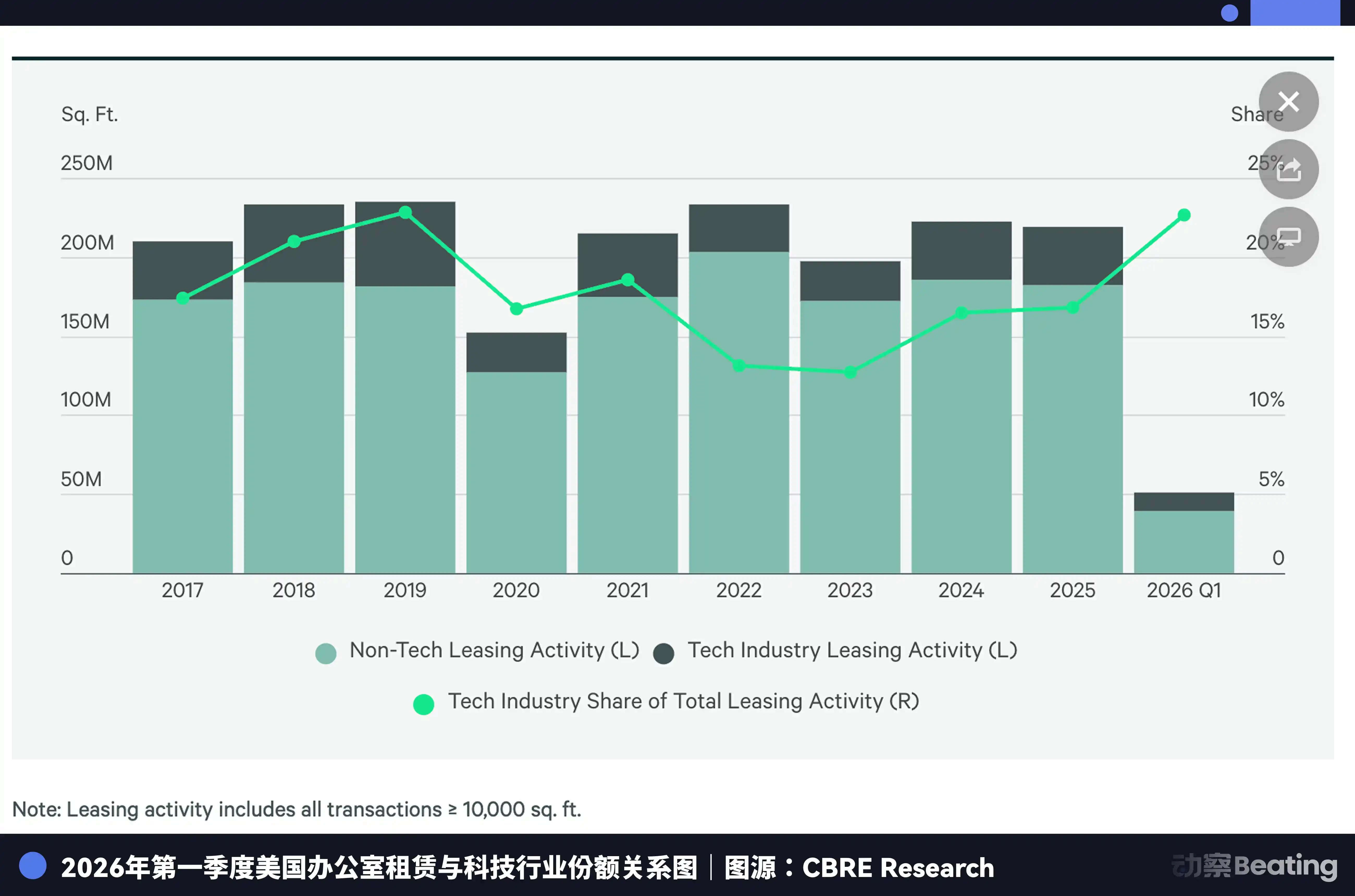
Laporan CBRE pada Mei 2026 mengatakan, perusahaan-perusahaan AI sedang mendorong kuat pemulihan sewa perkantoran di wilayah Teluk San Francisco. Anthropic menyewa area besar gedung perkantoran di distrik SoMa, OpenAI pindah ke landmark baru Mission Bay, perusahaan-perusahaan AI besar kecil mengisi South Beach dan Design District. Tiga tahun lalu separuh gedung-gedung ini kosong, sekarang mau sewa kantor di jalan ini harus antri.

Setelah gedung perkantoran terisi, perumahan ikut naik.

Hingga Juni 2026, median sewa studio (satu kamar) di San Francisco sudah naik menjadi 4000 dolar AS, dua puluh persen lebih tinggi dari setahun lalu. SoMa naik 36%, Mission Bay naik 22%, South Beach naik 21%. Angka-angka ini hampir menyebar keluar dalam lingkaran mengikuti gedung-gedung kantor perusahaan AI.
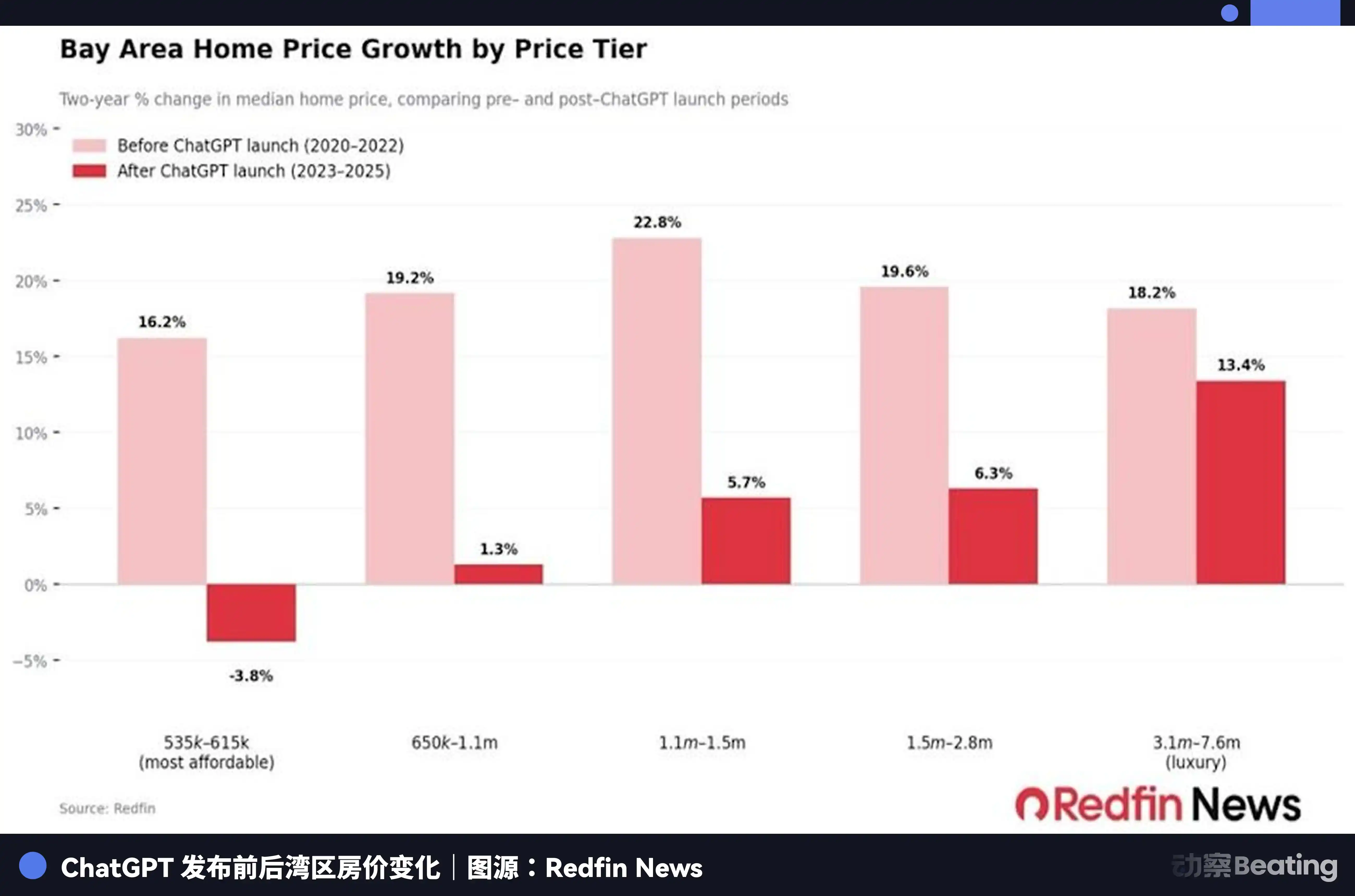
Ada sebuah rumah bergaya Era Edward yang dijual 2,995 juta dolar AS, deskripsi propertinya bahkan secara khusus menulis: "Penjual menerima pembayaran dengan saham Anthropic atau OpenAI."

Cara sebuah kota hidup kembali, terkadang bisa sespesifik ini. Dulu beli rumah pakai uang tunai, pinjaman, bantuan keluarga. Sekarang bisa juga pakai saham perusahaan AI yang belum go public yang diberikan perusahaan padamu.

Rumah mewah semakin mahal, rumah orang biasa semakin tidak terjangkau. Kota yang sama, gelombang kemakmuran yang sama, tapi kamu di dunia yang mana, sepenuhnya tergantung apakah kamu orang yang ada dalam rantai makanan AI.

San Francisco dan Oakland hanya dipisahkan oleh jembatan Teluk (Bay Bridge), tapi sewa di kedua sisi sudah seperti dua dunia. Hingga akhir 2025, sewa studio di San Francisco sekitar 70% lebih tinggi daripada Oakland. Ada yang tetap tinggal di kota menulis kode, membersihkan meja, mengantarkan kopi, mengantar makanan untuk perusahaan-perusahaan ini; ada juga yang terpaksa pergi ke tempat yang lebih jauh mencari rumah yang masih terjangkau.

San Francisco memang hidup kembali. Tapi kali ini ia hidup mengelilingi sekelompok kecil orang. Gedung perkantoran disewa untuk mereka, harga rumah ikut mereka naik, seluruh kota semakin terasa seperti berputar khusus untuk sekelompok kecil orang ini.

Demam Emas Selalu Diikuti oleh Tumbuhnya Satu Jalan

Setelah bentuk kota diubah terlebih dahulu, berikutnya yang diubah adalah kehidupan orang-orang di kota itu. Hal ini juga tidak baru. Sejarah California sendiri sudah memainkannya dengan lengkap.

1849 emas ditemukan di California, ratusan ribu orang berdatangan ke San Francisco. Kemudian semua orang tahu, sebagian besar pencari emas tidak menghasilkan banyak uang. Levi Strauss kaya menjual barang kering, kain, dan pakaian kerja, Wells Fargo kaya dari transfer uang wilayah tambang, penginapan, bar, dan kasino di Sacramento jadi kaya. Pencari emas berjalan di depan, pedagang mengikuti di belakang.

Pikirkan saja dengan akal sehat. Sekelompok orang tiba-tiba punya uang, dan semuanya berdesakan di satu tempat, mereka harus makan, harus punya tempat tinggal, lelah seharian harus mencari hiburan. Ada yang mau beli, pasti ada yang jual. Yang datang pertama adalah penjual sekop dan tenda, lalu bank dan kantor pos, terakhir bar, kasino, rumah bordil. Dari bertahan hidup sampai hidup senang, selalu urutannya seperti itu.

Gelombang AI ini juga sama. Penjual sekop datang dulu, GPU, komputasi awan, pusat data, bisnis ini jelas di atas meja, siapa pun bisa lihat. Lalu modal ventura, pengacara, headhunter, manajemen kekayaan.

Setelah uang sampai di tangan individu, ada yang bantu mereka beli rumah, ada yang ajari mereka cara hidup lebih lama, ada yang temani mereka olahraga, ada yang urus amal mereka.

Setelah itu, giliran 'nembak om-om'.

Ada konsultan kekayaan bilang, dari orang-orang kaya baru AI yang dia temui, banyak yang tidak tertarik pada mobil mewah jam tangan mahal, bahkan tidak tahu mau diapakan uang ini. Mereka terlalu muda, tidak punya pengalaman menghabiskan uang, teman juga tidak banyak. Tapi mereka punya satu kesamaan, yaitu setiap orang punya serangkaian pemikiran lengkap tentang masa depan dunia di otaknya, AGI, longevity, pengurangan entropi, bagaimana peradaban harus berkembang, bisa cerita berjam-jam tanpa pengulangan. Masalahnya, tidak ada yang mendengarkan, orang di sekitar mendengar tiga kalimat sudah mulai lihat ponsel.

Uang banyak, waktu sedikit, tidak bisa berteman, otak penuh ide tidak ada tempat bercerita. Beberapa hal ini berkumpul menjadi satu kebutuhan yang sangat jelas, jelas sampai ada yang khusus berbisnis ini.

Tahu Manja Tak Sehebat Tahu GPU

Forbes baru-baru ini menerbitkan sebuah laporan, mewawancarai beberapa orang di antaranya. Dari beberapa orang ini, bisa dilihat bagaimana kota ini sedang berubah.

Meida Marek awalnya ingin terjun ke keuangan.

Dia baru lulus, bekerja sebagai analis junior di sebuah perusahaan, setiap hari lari data, buat model, tulis laporan penelitian. Kerjanya tidak sulit, jalan juga terlihat. Lalu dia hitung, model bahasa tulis laporan penelitian sepuluh kali lebih cepat darinya, dan gratis, sampai kapan pekerjaannya ini bisa bertahan?

Setelah menghitung, dia merasa ragu.

Tapi dia punya keahlian lain. Dia pintar, bisa ngobrol, dan dia memang benar-benar paham AI, kripto, biohacking, dan longevityisme, bukan belajar dadakan. Hal-hal ini kebetulan adalah topik favorit para bangsawan teknologi Silicon Valley. Jadi dia ganti arah, mulai melakukan pendampingan kelas tinggi, kliennya teknisi lingkaran AI, tarifnya 3500 dolar AS per jam. Dalam beberapa bulan jadwalnya cepat penuh, harganya juga naik hampir dua kali lipat.

Seorang pemuda yang takut tergantikan AI, belok sedikit, mengandalkan orang kaya yang diciptakan AI mendapatkan uang lebih banyak. Menginspirasi sekaligus absurd.

Dia bukan satu-satunya yang melihat peluang bisnis ini.
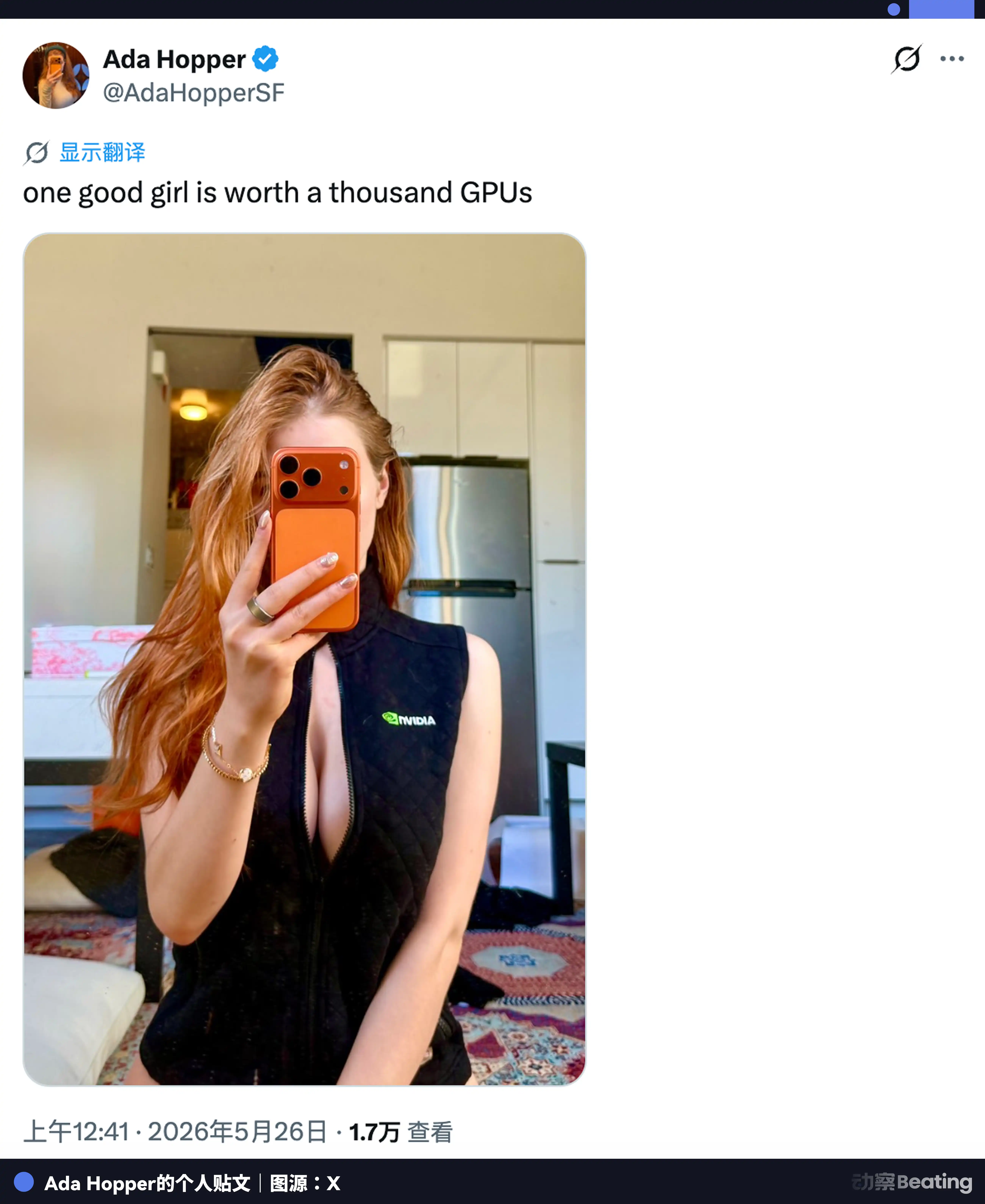
Ada Hopper menagih 5000 dolar AS per jam. Dia pernah bilang satu kalimat yang sangat tepat: berbicara tentang AI dengan klien-klien ini sangat efektif, pria teknisi akan bersemangat karena seorang perempuan cantik tahu apa itu GPU.

Pikirkan apa yang dikatakan kalimat ini. Tamu bayar lima ribu dolar AS per jam, yang dibeli bukan hanya kecantikan, vas bunga tidak segitu harganya. Yang segitu harganya adalah seseorang yang cantik sekaligus paham apa yang kamu bicarakan, kamu cerita GPU dia bisa nyambung, kamu bicara pandangan duniamu dia tidak bengong, dan kamu tidak berani meremehkannya.

Talia Sable adalah mantan programmer, deskripsi diri tertulis huge nerd, suka Dungeons & Dragons, AI, dan manajemen rantai pasok. Tarif 3000 dolar AS per jam, jadwal juga penuh.

Aella masuk lebih awal, katanya tarif sampai 6000 dolar AS per jam. Dia mempromosikan konsep bernama "nerd-first". Artinya, perempuan cantik tidak hanya menemani waktu dan tubuh klien, tetapi juga harus menanggapi kecerdasan dan pemikiran klien dengan serius. Dengan kata lain, pandangan duniamu bukan hanya saya dengar, tapi saya benar-benar merasa menarik.

Bisnis ini baru, tapi kebutuhan yang dipenuhinya lebih tua dari Silicon Valley.

Di kelab malam era 80-90an, keahlian termahal seorang gadis kelab bukan kecantikan, tapi bisa bilang "Bos, kamu hebat sekali". Bos tahu kalimat ini palsu. Tapi tidak apa-apa. Di luar dia orang yang tidak ada yang peduli, di kelab malam bayar beberapa ratus yuan, bisa jadi orang penting semalam. Dia tahu ini dibeli, tapi beli pun tak apa.

Mereka punya satu hal yang bagus, yaitu tidak menipu diri sendiri.

Orang-orang Silicon Valley ini tidak punya kelebihan ini. Mereka bayar lima ribu dolar AS per jam, ngobrol dengan seorang perempuan cantik tentang AGI dan masa depan manusia, lalu bilang pada diri sendiri ini adalah pertukaran intelektual berkualitas tinggi. Mungkin iya. Tapi kalau benar pertukaran intelektual, kenapa lawan bicaranya harus cantik dan paham memujimu? Cari profesor MIT ngobrol juga pertukaran intelektual, bahkan tidak perlu bayar.

Logikanya sederhana. Yang dia mau bukan pertukaran, yang dia mau adalah seseorang duduk di seberang, menganggapnya penting. Sama persis dengan kelab malam.

Dia cerita AGI pada teman tidak ada yang peduli, cerita transformer pada orang lain, tiga kalimat sudah bengong. Sekarang ada orang yang pintar dan cantik duduk di seberang, bilang "Lanjutkan". Dia merasa akhirnya dianggap penting. Perasaan ini tiga ribu hingga enam ribu dolar AS per jam, harga pasar, jujur pada tua dan muda.

Di era baru yang indah ini, tahu GPU lebih manjur daripada bisa manja.

Longevity, Diet Ketogenik, dan Model Lokal

Ada Hopper pertama kali ketemu klien sangat gugup. Hasilnya, setelah duduk baru sadar, yang paling ingin dibicarakan lawan bicara mirip dengan minatnya sendiri, puasa intermiten, kesehatan metabolik, diet ketogenik. Dua orang ngobrol setengah malam tentang jurnal ilmiah. Pendampingan kelas tinggi lima ribu dolar AS per jam, dihabiskan untuk mendiskusikan cara makan daging yang lebih ilmiah.

Orang kaya tradisional menghabiskan uang untuk dilihat orang. Beli Ferrari, pakai jam tangan Patek Philippe, uang yang dikeluarkan harus dilihat orang. Orang-orang Silicon Valley ini kebalikannya. Mereka menghabiskan uang untuk diri mereka sendiri, atau lebih tepatnya untuk tubuh mereka sendiri. Mereka tidak beli mobil mewah, jam tangan mahal, tanya seorang insinyur yang baru mencairkan puluhan juta apa yang baru dibeli, dia bilang beli Mac Mini untuk jalankan model lokal. Tanya yang lain, bilang sedang melakukan diet ketogenik, target hidup sampai 120 tahun.

Marek punya klien, dari dia menerima sepenuhnya pemikiran longevityisme ini, bahkan dianggap sebagai tanggung jawab moral, dia berpikir jika teknologi memungkinkan orang hidup lebih lama, maka tidak mengejarnya adalah suatu kelalaian. Kemudian dia kehilangan 50 pon berat badan di bawah pengaruh Marek.

Klien lain memberi Marek sebuah Mac Mini. Bukan tas merek, bukan perhiasan, tapi sebuah komputer kecil yang bisa menjalankan model AI secara lokal, karena dia pikir Marek harus punya kemampuan inferensi lokal sendiri. Ada juga yang khusus menciptakan seni digital yang dihasilkan AI untuknya.

Perjalanan internasional, ke Eropa belanja, bahkan indoor wingsuit flying juga sudah dicoba. Dia sendiri lebih suka barang-barang lama. Perhiasan antik, pakaian vintage Era Edward, dan mesin mekanis tersembunyi di benda-benda kecil. Dia suka melihat roda gigi kecil-kecil itu berputar satu lingkaran demi satu lingkaran. Hobi ini dengan klien-klien yang mempelajari Transformer, ternyata punya sedikit kesamaan.
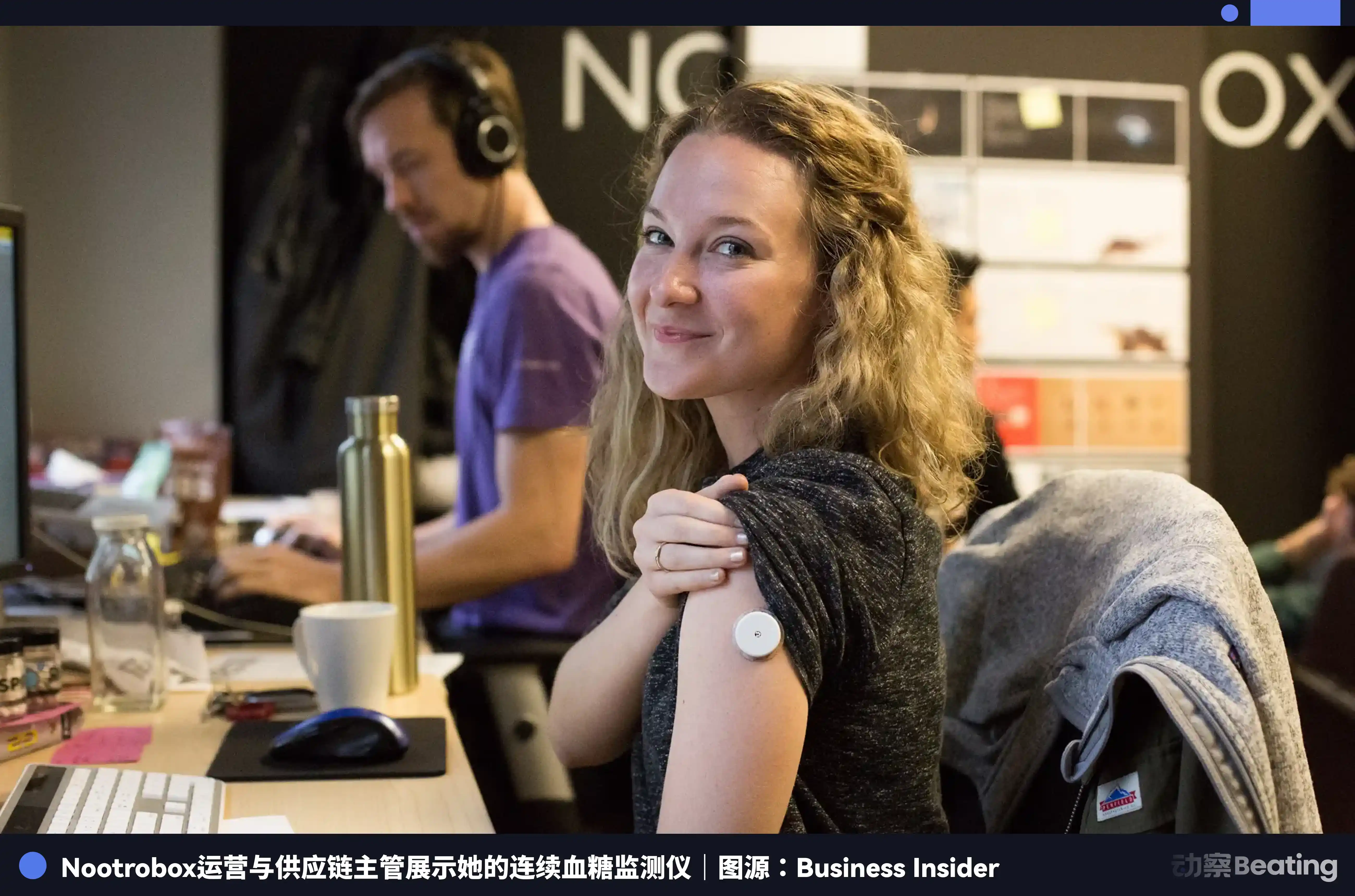
Ini bukan kehidupan glamor ala orang kaya tradisional. Orang kaya sekarang mempelajari bagaimana hidup dua puluh tahun lebih lama, sambil di rumah menjalankan sebuah model besar. Mereka sangat memperhatikan tubuh, seperti seorang insinyur rajin merawat mesin yang baru dibeli.

Setiap hari makan apa, tidur berapa jam, detak jantung berapa, lemak tubuh berapa, sebaiknya semua dicatat. Asal ada kurva, mereka akan merasa lebih tenang. Hidup manusia ini, di tangan mereka menjadi sangat mirip sebuah eksperimen jangka panjang, objek eksperimennya kebetulan adalah diri sendiri. Kaisar Qin Shi Huang mengirim orang berlayar, orang kaya San Francisco mengawasi kurva tidur. Metodenya banyak kemajuan, harapannya tidak banyak perubahan.

Sayangnya, beberapa hal tidak terlalu kooperatif. Misalnya, seseorang duduk di hadapanmu, mendengarkanmu bicara hal-hal yang tidak terlalu berguna. Kamu tidak tahu kapan dia bosan, juga tidak tahu kenapa tiba-tiba dia tertawa. Hal ini tidak bisa diukur, juga tidak ada pengembalian stabil. Justru karena itu, harganya sangat mahal.

Model mengubah dunia, mengubah malam orang kaya terlebih dahulu.

Selamat Pagi, Night City

Sampai di sini, kurang lebih bisa melihat bagaimana wujud kota ini.

Di sini, perusahaan tidak perlu jadi walikota, juga tetap bisa menentukan siapa yang tetap tinggal, siapa yang pindah. Ada yang baru jual sebagian opsi, rekening bertambah tiga puluh juta dolar. Mereka mempelajari longevity, mempelajari tidur, mempelajari bagaimana menyesuaikan tubuh ke kondisi terbaik. Malam bosan, bisa juga bayar ribuan dolar, minta seseorang yang pintar dan cantik duduk menemani dirinya bicara.

Kehidupan orang lain jauh lebih sederhana. Bangun jam enam pagi, berangkat dari Oakland atau tempat yang lebih jauh, naik kendaraan lebih dari satu jam ke kota. Ada yang menulis kode, membersihkan meja, mengantarkan kopi, mengantar makanan, mengemudi ride-hailing untuk perusahaan-perusahaan ini. Sewa bulanan tiga ribu empat ratus lima belas dolar AS terpampang di sana, mereka terpaksa tinggal semakin jauh.

Kota ini sangat percaya teknologi. Percaya tubuh bisa dioptimalkan, tidur bisa dioptimalkan, efisiensi kerja bisa dioptimalkan. Hubungan antar manusia juga bisa dibuat menjadi sebuah layanan. Buka ponsel, pilih, pesan, bayar, batalkan. Tidak terlalu berbeda dengan memanggil mobil.
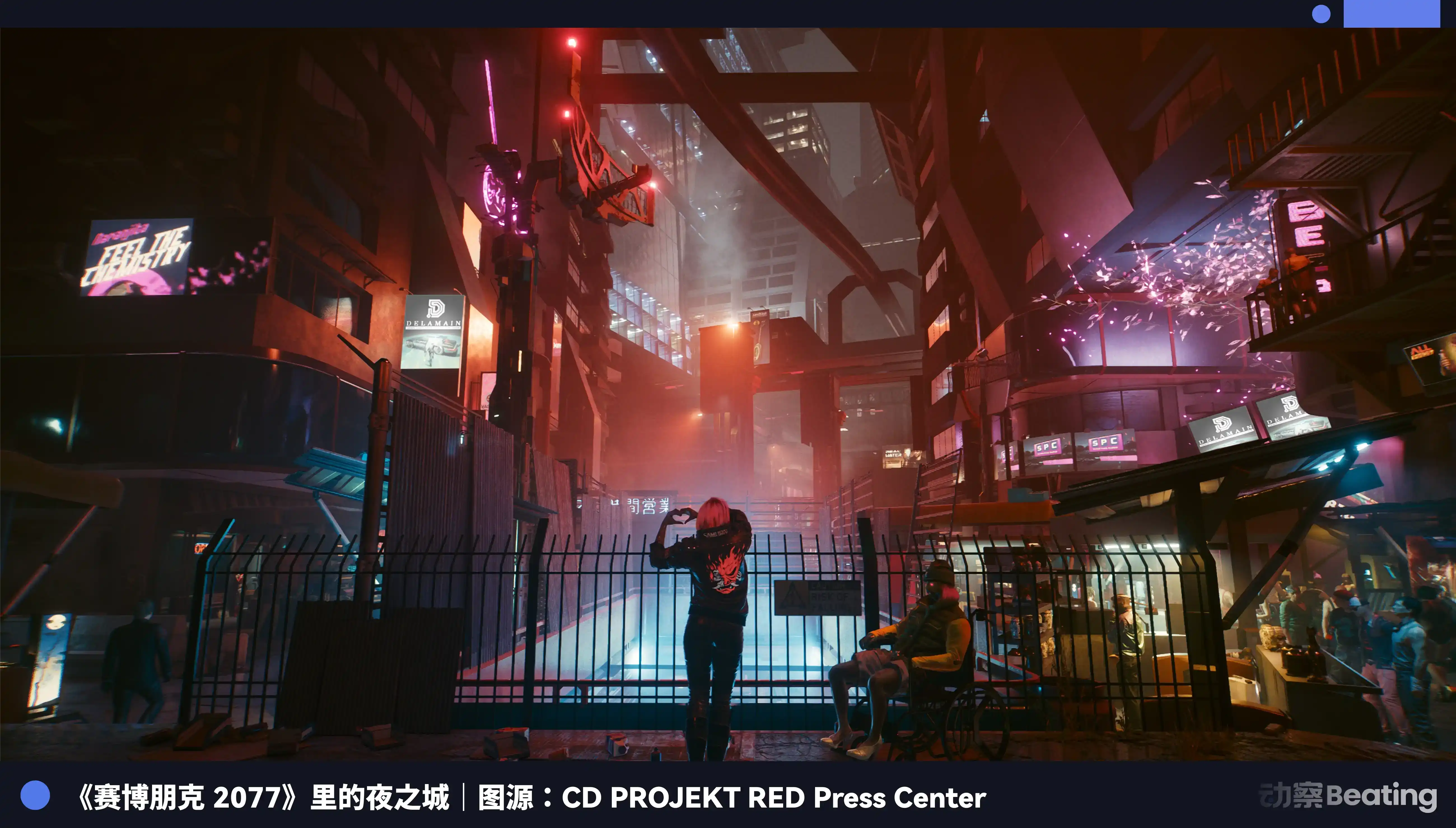
Yang pernah bermain "Cyberpunk 2077" mungkin merasa semua ini sedikit familiar, pengembang CD Projekt Red menulis satu kalimat perkenalan untuk Night City: Ini adalah kota raksasa yang terobsesi dengan kekuasaan, pesona, dan modifikasi tubuh.

Ganti modifikasi tubuh dengan longevityisme dan Biohacking, ganti pesona dengan AGI, ganti kekuasaan dengan perusahaan AI dan tabel valuasi, kalimat ini hampir bisa ditempel persis di halaman perkenalan kota San Francisco 2026.

Cyberpunk bukanlah sebuah estetika. Ada lampu neon di jalan bukan cyberpunk, ada robot juga bukan. Ia adalah sebuah struktur sosial high-tech low-life.

Teknologi semakin maju, manusia dengan manusia semakin tidak seperti spesies yang sama. Beberapa orang sudah mulai mempertimbangkan bagaimana melewati batas yang diberikan alam, membuat tubuh hidup lebih lama, menjaga otak tetap sadar, membuat semua bagian kehidupan yang menyebalkan bisa di-outsource. Orang lain masih menghitung, sejauh apa mereka harus pindah, untuk tetap bisa tinggal di kota ini.

Night City tidak dimulai dari lengan mekanik.

Ia dimulai dari sebuah kota yang secara bertahap menerima pengaturan seperti ini. Ada yang terus upgrade, ada yang terus mundur. Semua naik lift di gedung yang sama, menunggu lampu merah di jalan yang sama, lalu kembali ke dunia yang sepenuhnya berbeda.

San Francisco tidak punya banyak lampu neon, juga jarang hujan. Tapi selalu mengingatkan orang pada Night City.

Related Questions

QBagaimana AI mengubah wajah ekonomi dan sosial San Francisco pada tahun 2026 menurut artikel ini?

AMenurut artikel, gelombang kekayaan dari industri AI, terutama perusahaan seperti OpenAI dan Anthropic, memicu pemulihan ekonomi San Francisco. Harga sewa kantor dan apartemen melonjak, khususnya di distrik-distrik seperti SoMa dan Mission Bay yang dipenuhi perusahaan AI. Namun, kemakmuran ini sangat tidak merata, menciptakan kesenjangan besar antara para 'AI baru kaya' dan warga biasa yang semakin terpinggirkan ke daerah seperti Oakland karena biaya hidup yang tinggi.

QApa yang dimaksud dengan 'gemblak tua' dalam konteks Silicon Valley yang dibahas di artikel?

ADalam artikel, istilah 'gemblak tua' (dalam bahasa Indonesia mungkin mendekati 'sugar daddy' versi Silicon Valley) merujuk pada para teknisi muda baru kaya berusia 20-30an yang memiliki opsi saham Nvidia atau OpenAI. Mereka merasa kesepian, penuh ide tetapi tidak ada yang mendengarkan, sehingga bersedia membayar ribuan dolar per jam untuk layanan pendampingan eksklusif dari seseorang yang mau mendengarkan dan memahami obrolan mereka tentang topik seperti AI, GPU, atau panjang umur.

QMenurut artikel, bagaimana karakteristik atau keahlian yang dibutuhkan untuk menjadi 'pendamping' berbayar tinggi bagi para teknokrat kaya baru di Silicon Valley?

AMenurut artikel, untuk menjadi pendamping berbayar tinggi (hingga $6000/jam), kecantikan fisik saja tidak cukup. Klien menghargai kecerdasan dan pengetahuan mendalam tentang topik-topik yang mereka minati, seperti AI, GPU, cryptocurrency, biohacking, dan panjang umur. Kemampuan untuk terlibat dalam percakapan intelektual yang serius, menghargai ide-ide klien, dan menunjukkan ketertarikan yang tulus terhadap 'dunia nerd' mereka adalah kunci nilai layanan ini, seperti yang dijelaskan dalam filosofi 'nerd-first'.

QApa persamaan antara 'demam emas' California tahun 1849 dengan 'demam AI' di Silicon Valley menurut analogi dalam artikel?

AArtikel membuat analogi bahwa seperti demam emas 1849, di mana banyak penambang tidak kaya tetapi pedagang yang menjual sekop, tenda, dan layanan (seperti perbankan atau hiburan) yang mendapat untung besar, 'demam AI' juga menguntungkan bisnis pendukung. Setelah perusahaan penjual 'sekop' AI seperti GPU dan cloud computing, muncullah industri layanan untuk para individu baru kaya, seperti manajemen kekayaan, konsultan, hingga layanan pendampingan eksklusif untuk mengisi kesepian dan kebutuhan pengakuan intelektual mereka.

QMengapa artikel menyamakan San Francisco 2026 dengan 'Night City' dari game Cyberpunk 2077?

AArtikel menyamakan San Francisco 2026 dengan Night City karena keduanya menggambarkan struktur sosial 'teknologi tinggi, kemanusiaan rendah'. Di San Francisco, kemajuan AI dan kekayaan yang luar biasa bagi segelintir orang berbarengan dengan ketimpangan sosial yang mendalam, di mana sebagian besar orang berjuang dengan biaya hidup. Obsesi pada optimisasi tubuh (panjang umur, biohacking) dan kecerdasan (AGI), serta komodifikasi hubungan manusia menjadi layanan berbayar, mencerminkan tema dystopian khas cyberpunk di mana teknologi memperlebar jurang antar manusia, bukan mendekatkan mereka.

Related Reads

Has the Cryptocurrency Market Hit Bottom? Here's What Institutions Think

"Has the crypto market bottomed out? Major institutions are divided on the outlook, according to a recent analysis by Matt Hougan, Chief Investment Officer of Bitwise. Three prominent research firms published in-depth reports on the topic with differing conclusions. Galaxy Digital argues Bitcoin has not yet found its bottom, pointing to only 4 out of 13 historical bottoming indicators being met. Their analysis suggests a potential bottom range of $30,000 to $54,000. NYDIG adopts a more cautious stance, noting that while metrics are close to historical bear market lows, a classic panic-selling capitulation event is missing. They acknowledge the possibility of a bottom but consider it unlikely, citing structural changes from institutional adoption. In contrast, Standard Chartered Bank asserts the bottom is already in at around $59,000. Their revised bullish view, predicting a year-end target of $100,000, hinges on anticipated reductions in ETF selling pressure linked to events like a potential SpaceX IPO. Despite the surface-level disagreement on the exact price floor, the reports share significant common ground crucial for long-term investors. All three institutions agree that a market bottom will likely form within the current year, that current prices are closer to the bottom than to previous cycle highs, and that Bitcoin is poised for another major bull cycle in the future. The core takeaway is that while the precise bottom level remains debated, the long-term value proposition for Bitcoin remains strong and may even be strengthening. Key supportive trends include rising global debt, persistent inflation, declining trust in traditional institutions, accelerating digitization, and improving market infrastructure. Therefore, for investors with a long-term horizon, the focus should shift from pinpointing the exact bottom to recognizing that the cycle's peak is likely still ahead, making current levels an attractive entry point for substantial potential upside."

Foresight News16m ago

Has the Cryptocurrency Market Hit Bottom? Here's What Institutions Think

Foresight News16m ago

2029 Finale Prediction: When Cryptocurrency Completely "Vanishes", Who Can Remain in This Financial Upheaval?

By 2029, the crypto industry will have transformed into a largely invisible but foundational layer for traditional finance. This timeline outlines the key shifts from now until then. By mid-2026, the most sought-after assets on-chain will not be traditional tokens, but synthetic perpetual contracts for private, high-growth companies (like SpaceX, OpenAI). These become primary price discovery tools, highlighting the market's craving for real-world asset value. Most altcoins enter a sustained bear market as their fundamental lack of asset-backed value is exposed. In late 2026, the "AI + Crypto" narrative largely fades as AI giants prove they don't need crypto infrastructure, except for prediction markets betting on model performance. Simultaneously, a quiet but significant wave of tokenization for institutional assets (money market funds, private credit) begins. The industry splits into a noisy speculative economy and a silent institutional one. Throughout 2027, major public blockchain foundations pivot decisively to serve institutional clients, building compliance toolkits and sales teams. However, key sectors hit growth ceilings: private perpetual contracts are legally restricted from public promotion, stable币 growth is capped by looming political uncertainty, and tokenization projects remain cautious. In 2028, following a U.S. election assumed to maintain a regulatory (not prohibitive) stance, a pivotal change occurs. After a major liquidation crisis exposes the flaws of synthetic contracts lacking a real-asset anchor, new regulations allow the *public solicitation* of private security sales (secondary market shares) to accredited investors. This creates a legitimate, direct on-ramp for retail capital into previously illiquid private equity. By 2029, the resulting bull market is driven by trading in real, innovative company shares (biotech, robotics, AI labs), not speculative tokens. "Crypto" as a distinct asset class recedes; it becomes the mundane, unseen plumbing for this new global private markets infrastructure. Tokens that survive are those capturing real cash flows from this infrastructure. Speculation persists but is marginalized. The core questions posed at the start are answered: token value is tied to legally enforceable claims on real assets, frontier tech adoption happens via private market channels, and crypto's absorption into traditional finance is marked by its becoming boring and invisible. The key validation for this entire thesis is whether, by late 2028, a legal pathway exists for ordinary accredited investors to access private assets directly.

marsbit59m ago

2029 Finale Prediction: When Cryptocurrency Completely "Vanishes", Who Can Remain in This Financial Upheaval?

marsbit59m ago

After the U.S. Banned Fable 5, Zhipu's Stock Soared 47%

On June 15, Chinese AI company Zhipu's stock surged up to 47.6% in Hong Kong, closing with a 32.82% gain. This sharp rise followed two key industry events. On June 12, Anthropic was compelled by a U.S. government export control order to suspend global access to its latest flagship models, Claude Fable 5 and Claude Mythos 5, impacting developers and businesses reliant on them. The next day, Zhipu announced it was opening access to its new open-source flagship model, GLM-5.2, for all Coding Plan users, with API and model weights (under the MIT license) to follow. The Anthropic incident highlighted a critical shift in the AI industry: beyond raw capability, the stability, continuous accessibility, and control over AI models are becoming equally vital, especially as AI integrates deeper into business workflows. Zhipu's move, emphasizing that "frontier intelligence should not belong to a few nor be subject to arbitrary revocation," positioned its open, accessible model as an alternative. GLM-5.2 focuses on "Long Horizon Tasks" with a 1M context window, aiming for consistency in complex, extended projects. Market analysts suggest this event exposes the risk of dependency on closed-source models subject to single jurisdiction policies, potentially accelerating a shift toward domestic base models and localized deployments. The investment response indicates a new valuation metric is emerging—prioritizing which companies can provide AI capabilities that are not only advanced but also reliably and sustainably accessible.

marsbit1h ago

After the U.S. Banned Fable 5, Zhipu's Stock Soared 47%

marsbit1h ago

Trading

Spot
Futures

Hot Articles

What is LINON

Linde plc Tokenized Stock (Ondo): Revolutionizing Traditional Equity Access Through Blockchain Innovation The emergence of Linde plc Tokenized Stock (Ondo), represented by the ticker $LINON, signifies a monumental shift in the fusion of traditional financial structures and decentralized finance (DeFi). This innovative financial instrument showcases the tremendous potential of blockchain technology to democratize access to traditional equity markets while ensuring the security and regulatory compliance necessary for institutional-grade financial products. Through Ondo Finance's pioneering tokenization platform, $LINON provides a seamless pathway for global investors to engage with one of the world's leading industrial gas companies, Linde plc, creating a blockchain-native representation of the underlying equity. Introduction to Linde plc Tokenized Stock The landscape of financial markets is witnessing a groundbreaking transformation through the tokenization of real-world assets. Linde plc Tokenized Stock (Ondo) epitomizes this revolutionary approach by bridging the gap between conventional stock ownership and blockchain-enabled financial infrastructure. The $LINON token allows investors to gain exposure to one of the prominent industrial companies worldwide through decentralized technology. Operating within Ondo Finance's comprehensive ecosystem, $LINON symbolizes a practical application of tokenization technology that enhances accessibility, efficiency, and global connectivity in traditional financial markets. By leveraging blockchain infrastructure, this tokenized stock enables international investors to participate in U.S. equity markets, overcoming traditional barriers associated with cross-border investing. The significance of $LINON goes beyond technological innovation; it represents a fundamental shift in asset structuring, distribution, and trading in the digital age. This tokenized stock maintains all the economic benefits associated with traditional Linde plc shares while offering improved liquidity, programmable compliance features, and seamless integration with decentralized finance protocols. The development of $LINON indicates a growing acceptance of blockchain technology as a viable means for traditional finance, exemplifying how even well-established assets like Linde plc can integrate into blockchain systems. This approach preserves the core attributes that appeal to investors while introducing advanced capabilities that enhance the overall investment proposition. Project Overview and Objectives Linde plc Tokenized Stock (Ondo) encapsulates a strategic effort to democratize access to traditional equity markets through advanced blockchain technologies. The primary objective of $LINON is to provide approved global investors seamless access to the economic exposure associated with Linde plc shares, furthering an effort to create a more inclusive financial ecosystem. Beyond the digital representation of traditional assets, $LINON endeavors to eliminate barriers of geography and time zones that limit investor participation. Its design ensures that blockchain technology can elevate traditional investment vehicles without undermining the security or compliance requirements expected by investors. Key goals of the project include enhanced liquidity provision, programmable compliance mechanisms, and interoperability with other blockchain networks. Each $LINON token is fortified by actual Linde plc securities housed at U.S.-registered broker-dealers, allowing holders to reap economic advantages akin to traditional stockholders, such as dividend reinvestment. Furthermore, $LINON aims to establish new industry standards for institutional-grade tokenized securities, paving the way for traditional assets to embrace blockchain technology while remaining compliant with regulatory frameworks. By associating itself with a company as reputable as Linde plc, the project opens avenues for exploring tokenized equities catering to both conservative institutional players and daring retail investors. Project Creator and Development Team The vision for Linde plc Tokenized Stock (Ondo) comes from Nathan Allman, founder and CEO of Ondo Finance. His background in traditional finance coupled with expertise in blockchain technology positions him uniquely to navigate the complexities of asset tokenization. Allman's academic journey began at Brown University, focusing on Economics and Biology, equipping him with valuable analytical skills. His time at Goldman Sachs in the Digital Assets division strengthened his understanding of the interplay between financial institutions and emerging technologies, laying the groundwork for his later endeavors in alternative investment strategies. Under Allman's guidance, Ondo Finance has emerged as a leader in asset tokenization, launching $LINON as a flagship example of the company's larger mission towards revolutionizing traditional financial systems using blockchain technology. His commitment to leveraging blockchain for creating institutional-grade financial products has shaped the landscape of real-world asset tokenization. Investment and Funding Structure The growth of Ondo Finance, the platform powering Linde plc Tokenized Stock (Ondo), is bolstered by robust financial backing from prestigious venture capital firms and strategic investors. This strong investment foundation underpins the development of the key infrastructure essential for compliant tokenized securities like $LINON. In August 2021, Ondo Finance secured $4 million in seed funding led by a major venture capital firm, which enabled the company to commence platform development and establish the necessary regulatory processes for tokenizing real-world assets. This early investment cemented Ondo Finance's credibility within the industry. The Series A funding round followed, garnering $20 million with participation from renowned firms committed to transformative technology companies. This backing demonstrated substantial institutional confidence in Ondo Finance's vision, allowing it to hone its approach to asset tokenization through mechanisms that ensure compliance and accessibility. Noteworthy contributors, including institutional investors and experienced partners, have added significant value to Ondo Finance’s development efforts. Their involvement underscores the confidence across sectors in Ondo Finance's approach to bridging traditional finance with blockchain innovations. Technical Infrastructure and Innovation The technical architecture that underpins Linde plc Tokenized Stock (Ondo) represents a sophisticated melding of traditional finance systems and cutting-edge blockchain technology. The architecture's foundation is built on the Ethereum network, renowned for its security and programmability—both critical for intricate financial instruments. The $LINON tokenization process comprises creating a blockchain-native representation of Linde plc shares that preserves economic benefits while augmenting investor capabilities. Each token corresponds to actual shares held at U.S.-registered broker-dealers, creating a compliant custody structure that legitimizes the asset's existence and value. Automated compliance systems are integrated into the tokenization process, managing critical components such as know-your-customer (KYC) verification and anti-money laundering (AML) protocols. This incorporation of programmable compliance empowers $LINON to uphold regulatory standards essential for institutional proliferation. Cross-chain interoperability characterizes the advanced technical features of $LINON. While initially deployed on Ethereum, the framework is designed for expansion to other networks such as Solana and BNB Chain. This adaptability enhances liquidity and accessibility, allowing investors to select their preferred blockchain ecosystems. Historical Timeline and Development Crafting the history of Linde plc Tokenized Stock (Ondo) unfolds in parallel with the evolution of Ondo Finance's tokenization platform. The timeline's inception dates back to March 2021 when Nathan Allman laid the foundations for creating institutional-grade financial products on blockchain infrastructure. The initial funding round in August 2021 provided crucial resources for developing the platform and establishing partnerships necessary for effective tokenization. By January 2023, Ondo Finance launched its tokenized treasury products, establishing mechanisms that would facilitate future tokenized equities such as $LINON. A pivotal milestone arose in February 2025 when Ondo Chain—a Layer 1 blockchain designed specifically for asset tokenization—was introduced. This infrastructure enhances capabilities vital for institutional markets, demonstrating Ondo Finance's long-term commitment to tokenization. Subsequently, the launch of Ondo Global Markets in September 2025 marked the official debut of $LINON. This milestone showcased the successful transition from development to active trading, enabling investors around the world to access American financial markets seamlessly. Ongoing development plans include a targeted expansion of available tokenized assets to over 1,000 by the end of 2025, pointing to a bright future for Ondo Finance's ecosystem and its mission to broaden tokenized equity accessibility. Regulatory Compliance and Legal Framework The legal architecture governing Linde plc Tokenized Stock (Ondo) emphasizes a sophisticated approach to regulatory compliance, allowing tokenized securities to be implemented within a blockchain-based framework. The legal structure governing $LINON spans multiple jurisdictions while maintaining a robust legal footing. Compliance systems ensure that only eligible investors can access the token, enforced through automated verification that aligns with international regulations. This innovative regulatory technology promises real-time enforcement of complex requirements, considerably enhancing efficiency in operating within the regulatory landscape. The custody framework undergirding $LINON ensures that the underlying shares are securely held at U.S.-registered broker-dealers, complying with necessary regulations while delivering blockchain-driven access to investors. The token maintains its economic equivalency and security through this carefully structured custody arrangement. KYC and AML compliance systems are embedded within the smart contract architecture, ensuring integrity and adherence to regulatory practices while fostering transparency for investors. The jurisdictional restrictions mark a commitment to navigating the evolving landscape of international securities laws. Market Impact and Industry Significance The advent of Linde plc Tokenized Stock (Ondo) holds profound implications for the broader financial landscape, symbolizing a clear shift towards blockchain-enabled markets. $LINON serves as a proof-of-concept for integrating traditional companies into blockchain ecosystems, showcasing the potential benefits such as broader accessibility and improved efficiency. The market's response to $LINON indicates a growing acceptance of tokenization among institutional investors, contributing to the emergence of an expanding sector wherein traditional assets can be interconnected with blockchain innovations. The success of $LINON further solidifies market confidence, indicating an overarching shift towards recognizing asset tokenization as a transformative force in finance. Future Development and Expansion Plans The future trajectory for Linde plc Tokenized Stock (Ondo) centers around the expansion of the tokenization ecosystem and enhanced infrastructure supporting blockchain-enabled financial services. Plans for cross-chain integration usher in new opportunities for liquidity and flexibility within the investment framework, with existing capabilities poised for continuous enhancement. With the introduction of Ondo Chain, Ondo Finance aims to transition $LINON to an optimized blockchain environment specifically designed for asset tokenization. This new infrastructure heralds exciting prospects for the development of institutional-grade financial products, ensuring ongoing compatibility with contemporary investment strategies. Further integration with decentralized finance protocols signifies a commitment to empowering $LINON holders through advanced financial strategies. The anticipated expansion of available tokenized assets promises to broaden investor access, enhancing the utility and appeal of the platform. In alignment with ambitions for regulatory expansion, ongoing efforts to secure approvals for new jurisdictions will enhance investor access, further positioning $LINON at the forefront of the burgeoning tokenization market. Conclusion Linde plc Tokenized Stock (Ondo), as represented by the $LINON token, stands at the intersection of traditional finance and blockchain innovation. It embodies a transformative milestone in how financial assets are structured, distributed, and engaged within modern investment ecosystems. The technical sophistication behind $LINON, combined with its regulatory compliance framework, illustrates that asset tokenization can improve financial infrastructure rather than simply digitizing existing products. This pioneering effort not only enhances investor access to U.S. equity markets but also signifies an evolution of how traditional financial services can integrate blockchain technology. As the asset tokenization market grows exponentially, with prospects suggesting significant valuation increases, $LINON paves the way for a future where tokenized securities become standard fixtures in the financial landscape. The trajectory of $LINON will undoubtedly influence how traditional finance adapts to a transformed, blockchain-powered world.

3.2k Total ViewsPublished 2025.12.05Updated 2025.12.05

What is LINON

What is CRMON

Salesforce Tokenized Stock (Ondo): Revolutionising Traditional Equity Access Through Blockchain Innovation The emergence of Salesforce Tokenized Stock (CRMON) marks a pivotal advancement in integrating traditional financial markets with blockchain technology. This innovative approach offers investors unprecedented access to equity exposure through tokenisation. Developed by Ondo Finance, CRMON provides tokenholders with economic exposure equivalent to holding Salesforce stock (CRM) while automatically reinvesting dividends. This effectively bridges the gap between conventional equity markets and decentralised finance (DeFi). Introduction and Comprehensive Overview of Salesforce Tokenized Stock In recent years, the financial landscape has dramatically transformed due to blockchain technology, fundamentally altering how investors access and interact with traditional assets. The development of Salesforce Tokenized Stock (CRMON) is a prime example of this evolution, representing a sophisticated fusion of conventional equity markets with cutting-edge distributed ledger technology. CRMON is a tokenised version of Salesforce stock, emerging from the innovative work of Ondo Finance, a leading platform in the real-world asset tokenisation sector that positions itself as a bridge between traditional finance and decentralised systems. Designed to provide tokenholders with economic exposure that mirrors the performance of the underlying Salesforce stock, CRMON incorporates automatic dividend reinvestment mechanisms. This eliminates many traditional barriers associated with international equity investment, such as complex brokerage relationships, currency conversion challenges, and restricted trading hours. The tokenisation process reimagines stock ownership as a blockchain-native asset while maintaining its economic equivalence with the underlying security, offering enhanced portability and integration capabilities within decentralised finance ecosystems. CRMON transcends its individual utility as an investment instrument to represent a fundamental shift in how financial markets can operate in an increasingly digital world. By maintaining full backing through U.S.-registered broker-dealers and implementing robust compliance frameworks, CRMON demonstrates that tokenised securities can achieve the regulatory standards necessary for institutional adoption while delivering the technological advantages of blockchain infrastructure. Understanding Tokenized Real-World Assets and CRMON's Strategic Position Tokenised real-world assets signify one of the most significant innovations in modern finance, fundamentally reimagining how traditional securities are represented, traded, and utilised within digital ecosystems. CRMON operates as a tokenised equity instrument correlating directly with Salesforce stock while optimising accessibility and efficiency. This aligns with Ondo Finance's broader mission to democratise access to institutional-grade financial products through innovative tokenisation strategies. The tokenisation process guarantees complete economic equivalence with the underlying Salesforce equity. Each CRMON token represents a proportional claim on Salesforce stock held by qualified custodians, with dividend payments automatically reinvested to maintain continuous exposure to total return performance. This structure simplifies dividend management and ensures that tokenholders receive the full economic benefit of their equity exposure, encompassing both capital appreciation and income generation. Ondo Finance's strategy in tokenising Salesforce stock demonstrates its expertise in creating compliant, institutional-grade products that meet traditional financial markets' stringent requirements. The platform’s focus on merging regulatory compliance with blockchain benefits positions it at the forefront of decentralised finance, captivating both institutional and retail investors seeking blockchain-native solutions. The Technology and Innovation Framework Behind CRMON The technological infrastructure supporting CRMON integrates blockchain technology with traditional financial mechanisms, delivering institutional-grade security and compliance while maintaining the operational advantages of decentralised systems. Built on the Ethereum blockchain, CRMON utilises robust smart contract capabilities to ensure transparent, secure operations. The smart contract architecture incorporates layered security and compliance mechanisms, enabling automated compliance checks and real-time asset backing verification. Integration with oracle services maintains accurate pricing and dividend information, ensuring CRMON reflects the underlying Salesforce stock's accurate performance. This architecture delivers automated dividend reinvestments and other corporate actions, eliminating manual processing requirements and directly enhancing tokenholder benefits. Ondo Finance ensures CRMON's security structure includes daily third-party verification of holdings, independent collateral agents, and a multiple-layer custody system through partnerships with established financial institutions. This framework safeguards tokenholder interests against operational risks while providing robust asset backing. The user interface enhances integration capabilities, allowing seamless interaction between CRMON and various decentralised finance protocols, as well as cryptocurrency exchanges. This interoperability enables users to leverage their tokenised equity across multiple platforms, creating sophisticated investment strategies that marry traditional equity characteristics with blockchain-native innovation. Leadership and Corporate Structure of Ondo Finance The leadership team behind CRMON and Ondo Finance blends expertise from traditional finance and blockchain technology, presenting a robust combination of skills essential for successfully bridging conventional markets with decentralised finance. Nathan Allman, the founder and CEO, emerged from a distinguished financial background before establishing Ondo Finance in 2021. Allman's experience includes notable roles at major financial institutions, including significant contributions to developing cryptocurrency market services. His insights into regulatory compliance were paramount in developing products like CRMON that successfully unify traditional securities with blockchain technology. With a team of professionals boasting substantial experience in both conventional finance and blockchain sectors, Ondo Finance's leadership comprises diverse expertise that covers every aspect of tokenised asset development. Justin Schmidt serves as President and COO, contributing unique operational expertise, while Chris Tyrell brings essential compliance knowledge. Investment Landscape and Funding History The investment landscape surrounding Ondo Finance reflects significant institutional confidence in its mission to tokenise real-world assets. The company has raised substantial funds through various investment rounds, attracting leading venture capital firms and strategic investors that recognise the transformative potential of tokenised securities like CRMON. Notably, Ondo Finance completed a successful Series A funding round in 2022, led by well-known venture capital firms. This funding success validates Ondo Finance's innovative approach to creating compliant, institutional-grade tokenised products. In total, Ondo Finance has successfully secured substantial funding, raising significant capital for product development and market expansion, including a noteworthy token sale that reinforced its governance structure through the establishment of the ONDO token. The diverse composition of investors reflects broad market confidence in Ondo Finance's business model, demonstrating support from both traditional and blockchain-native organisations. Operational Mechanics and Technical Implementation The operational framework supporting CRMON exemplifies sophisticated integration of traditional financial mechanisms with blockchain technology. The technical implementation introduces multiple layers of security, compliance, and operational efficiency to meet institutional standards while enhancing accessibility. The tokenisation process begins by acquiring actual Salesforce stock through U.S.-registered broker-dealers, ensuring each CRMON token maintains direct correlation with the underlying equity performance. Smart contracts automate operational processes, including dividend reinvestment and corporate action processing, facilitating a streamlined user experience. The Minting and redemption processes allow authorised participants to manage CRMON tokens effectively. During U.S. trading hours, institutions can mint new tokens by depositing stablecoins that are used to purchase corresponding Salesforce equity. This structure maintains a tight correlation with underlying assets, enhancing liquidity and price discovery. Additionally, the infrastructure supports twenty-four-hour token transfer capabilities, providing CRMON holders with operations outside traditional market hours. This represents a significant advantage over conventional securities ownership, thus promoting integration with decentralised finance applications. Plans for cross-chain compatibility through partnerships signal further ambitions for CRMON's market reach. By expanding to other blockchain networks, Ondo Finance aims to enhance accessibility and user engagement with tokenised equity products. Timeline and Historical Development of Tokenized Equity Innovation The timeline of CRMON's development and Ondo Finance's broader tokenised capabilities demonstrates a systematic innovation process beginning with the company's founding in 2021. 2021: Ondo Finance is founded by Nathan Allman and co-founders, launching initial products focused on structured vault offerings on the Ethereum blockchain. 2022: The company completes substantial funding rounds—both equity and token sales—totaling significant capital and launching initial tokenised U.S. Treasury products. 2023-2024: Ondo Finance experiences substantial growth, establishing partnerships with major financial institutions while expanding its product offerings beyond fixed-income securities. February 2025: Ondo Global Markets is announced, marking the transition into equity tokenisation with plans for accessing over one hundred U.S. stocks and ETFs. September 2025: The official launch of Ondo Global Markets includes CRMON alongside other tokenised equity offerings, marking a significant evolution in Ondo Finance's product ecosystem. This timeline highlights the organisation's rapid growth and its capability to adapt its technological and compliance frameworks to accommodate different asset classes effectively while maintaining security and regulatory integrity. Regulatory Framework and Compliance Approach Ondo Finance's regulatory framework showcases a sophisticated compliance strategy, essential for achieving institutional adoption in the tokenised securities market. The company's strong partnerships with U.S.-registered broker-dealers promote adherence to Securities and Exchange Commission regulations and apply robust investor protections. Acquisitions, such as Oasis Pro—a registered broker-dealer—significantly enhance Ondo Finance's compliance capabilities, ensuring thorough alignment with existing regulatory structures. The company employs independent verification procedures that foster transparency, aiming for a solid performance standards reputation. Furthermore, Ondo Finance's commitment extends to international regulatory compliance, ensuring token access remains restricted to eligible investors while adhering to pertinent cross-border securities regulations. Comprehensive attention to tax implications and reporting requirements fortifies the security and compliance landscape of CRMON, ensuring that investor obligations remain manageable. Future Prospects and Market Positioning The forward-looking landscape for CRMON and Ondo Finance illustrates substantial growth opportunities driven by institutional adoption of blockchain technology and escalating demand for efficient alternatives to conventional securities ownership. Market projections indicate the tokenised asset sector could value multiple trillion dollars by 2030. With plans to scale CRMON offerings significantly and integrate it with a dedicated blockchain infrastructure—Ondo Chain—Ondo Finance aims to elevate its institutional-grade tokenised asset operations. Additionally, the development of strategic partnerships enhances distribution capabilities while establishing the company's credibility in the financial market. Furthermore, the integration of tokenised equity with decentralised finance protocols offers new potential for innovative financial products and strategies previously impossible with traditional securities. These factors underscore CRMON's positioning to effectively capture increased market share and deliver innovative solutions for international investment exposure. Conclusion Salesforce Tokenized Stock (CRMON) symbolises a transformative development within financial markets, successfully bridging traditional equity ownership with blockchain technology to create unprecedented accessibility for global investors. Through Ondo Finance's sophisticated tokenisation framework, CRMON provides complete economic exposure to Salesforce equity performance while enhancing operational advantages that exceed traditional ownership. The launch of CRMON reflects the broader evolution of financial markets towards blockchain infrastructures that maintain regulatory compliance while delivering increased efficiency. Ondo Finance's extensive approach to regulatory adherence, institutional-grade security, and technological innovation solidifies CRMON as a model for future tokenised securities, delivering access previously unattainable in conventional brokerage structures. As the tokenised asset sector continues to develop, CRMON is well-positioned to address historical inefficiencies in capital markets while providing investors with innovative solutions for accessing traditional securities. The outlook for CRMON looks exceptionally promising, supported by ambitious expansion plans, technological innovations, and strategic partnerships, thereby representing a pioneering model of modern financial infrastructure evolving through blockchain integration.

3.3k Total ViewsPublished 2025.12.05Updated 2025.12.05

What is CRMON

What is SHOPON

Shopify Tokenized Stock (Ondo): A Comprehensive Analysis of Real-World Asset Tokenization in Web3 This article delves into the Shopify Tokenized Stock (Ondo), recognised by its ticker symbol $SHOPON, exploring its implications at the intersection of traditional finance and blockchain technology. As a part of Ondo Finance's tokenized securities platform, Shopify’s tokenized stock exemplifies advancements in democratizing access to global capital markets through innovative digital assets. Introduction and Overview of Shopify Tokenized Stock (Ondo) Shopify Tokenized Stock (Ondo), or $SHOPON, portrays a pivotal innovation in the realm of tokenized securities, allowing investors to gain economic exposure akin to directly owning shares of Shopify Inc. This token, developed under the umbrella of Ondo Finance, not only provides investors with the ability to hold digital representations of the company’s stock but also integrates features such as automatic reinvestment of dividends. This advancement represents a substantial shift in the landscape of decentralized finance (DeFi), linking conventional equity markets with blockchain solutions designed to enhance accessibility, transparency, and liquidity. By eliminating geographical barriers and enabling 24/7 trading capabilities, $SHOPON is positioned as a bridge connecting traditional financial instruments and the emerging Web3 ecosystem. What is Shopify Tokenized Stock (Ondo), $SHOPON? The $SHOPON token serves as a digital manifestation of Shopify Inc.'s shares, engineered to provide a direct correlation to the underlying asset's performance. Through the utilization of blockchain technology, the token gives holders a mechanism to participate in the economic benefits associated with equity ownership, including capital appreciation and dividend distribution. The unique aspect of $SHOPON lies in its automatic dividend reinvestment mechanism, which allows returns to compound without necessitating active management by the investor. This feature inherently enhances its attractiveness as an investment vehicle, particularly for individuals seeking passive income growth alongside exposure to high-performing equities. The tokenization process is facilitated by the custody of actual Shopify shares through regulated intermediaries, ensuring that every $SHOPON token is verifiably backed by real equity. This structure empowers investors with the dual advantages of both traditional financial characteristics and the innovative benefits tied to blockchain technology. Who is the Creator of Shopify Tokenized Stock (Ondo)? The creator of Shopify Tokenized Stock (Ondo), Nathan Allman, is an experienced figure in the finance sector, formerly associated with Goldman Sachs. His rich background includes significant expertise in digital asset development, bridging the gap between traditional finance and cryptocurrencies. Allman’s educational journey, marked by studies at Brown University, provided him with a deep understanding of economics and biology, equipping him with analytical skills that inform his strategic vision. In 2021, he founded Ondo Finance, committing to developing tokenized securities that meet institutional-grade standards while leveraging blockchain's transformative capabilities. Under Allman's leadership, Ondo Finance has focused on creating compliant and innovative financial products that empower a diverse investor base. Who are the Investors of Shopify Tokenized Stock (Ondo)? The investment landscape surrounding Shopify Tokenized Stock (Ondo) is notably robust, underpinned by significant institutional support. Primarily, Pantera Capital stands out as a strategic partner through the Ondo Catalyst initiative, a $250 million commitment aimed at accelerating the development of on-chain capital markets. This partnership not only signifies institutional confidence in the potential of tokenized assets but also reinforces Ondo Finance's operational capabilities and market positioning. The funding pathways have included earlier rounds that amassed millions in seed funding and further structural investments, solidifying relationships with both venture capital firms and private investors. Moreover, the financial framework is complemented by strategic partnerships with established financial institutions and technology companies, enhancing Ondo’s infrastructure and operational expertise. How Does Shopify Tokenized Stock (Ondo), $SHOPON Work? At the core of $SHOPON's operational framework is a sophisticated system integrating traditional finance mechanisms with blockchain technology. The custody of actual Shopify shares ensures that token holders retain authentic economic exposure, safeguarding their investments in line with recognized legal structures. The smart contracts employed in managing $SHOPON handle various functions, including automatic dividend reinvestment and ownership transfer, offering instant settlement and increased liquidity, marking a significant departure from conventional trading systems plagued by multi-day settlement delays. By providing interoperability with other decentralized finance applications, $SHOPON empowers holders with potentially lucrative opportunities for advanced investment strategies, including lending and automated market making. This complex integration presents a unique value proposition, catering to both traditional and crypto-native investors. The innovative structure of $SHOPON also allows for real-time settlements and transactions documented on the blockchain, delivering unparalleled transparency and security—a major advancement over standard equity trading practices. Timeline of Shopify Tokenized Stock (Ondo) March 2021: Nathan Allman establishes Ondo Finance, initially focusing on decentralized finance yield optimization. August 2021: Completion of a $4 million seed funding round led by Pantera Capital. January 2023: Launch of initial tokenized treasury security products, laying the groundwork for future equity tokenization. July 2025: Announcement of the Ondo Catalyst initiative, a strategic investment program valued at $250 million, aimed at propelling the development of tokenization in capital markets. September 3, 2025: Launch of Ondo Global Markets featuring over 100 tokenized U.S. stocks and ETFs, including $SHOPON. Technical Implementation and Blockchain Infrastructure Shopify Tokenized Stock (Ondo) operates on a technical architectural framework that marries blockchain protocols with traditional financial custody arrangements. The ecosystem leverages Ethereum's smart contract capabilities, providing seamless transaction management while ensuring compliance with regulatory standards through established financial custodians. Central to this architecture are security measures and transparent transaction records that affirm the legitimacy of each tokenholder's economic stake. With automated features managed by intricate smart contracts, $SHOPON not only streamlines ownership transfers but also allows for the tactical reinvestment of dividends—a hallmark of modern investment strategies. Moreover, the incorporation of LayerZero technology facilitates cross-chain interoperability, making $SHOPON accessible across multiple blockchain environments while preserving its functional robustness. This forward-thinking technical design positions $SHOPON as an adaptable asset within the larger DeFi milieu. Regulatory Framework and Compliance Architecture $SHOPON's regulatory framework is built upon the meticulous navigation of existing financial regulations that govern securities. The custody arrangements for the underlying Shopify shares are managed by U.S.-regulated broker-dealers, ensuring compliance and protection for investors. By maintaining a separation between the blockchain tokenization process and traditional custody, $SHOPON adheres to legal requirements while offering innovative functionalities that challenge conventional constraints. This dual-layered compliance approach enhances investor confidence and underscores Ondo Finance's commitment to regulatory integrity. Notably, the availability of $SHOPON is tailored to international investors from regions such as Asia-Pacific, Europe, and Africa, as regulatory parameters in the U.S. and U.K. present challenges in accessing tokenized securities. Market Access and Global Distribution Strategy The distribution strategy of $SHOPON is keenly designed to optimize global access while conforming to regulatory standards. The platform aims to establish comprehensive coverage for eligible investors across multiple regions, effectively dismantling traditional barriers through the implementation of blockchain technology. Integration with various cryptocurrency wallets and exchanges also promotes user-friendliness and accessibility, establishing a streamlined experience for investors to manage their holdings. Moreover, the 24/7 trading capabilities afforded by the tokenized model allow participants to react promptly to market shifts, fundamentally transforming how global equities are accessed and traded. Technology Integration and Cross-Chain Functionality The remarkable technological underpinnings of $SHOPON propagate its multi-chain functionality, set to expand its reach beyond Ethereum to networks such as Solana and BNB Chain. Such cross-chain capabilities allow users flexibility when navigating between blockchains, concurrently leveraging distinct network attributes to optimize their trading experience. LayerZero serves as the backbone for ensuring decentralized transfers between networks while providing the requisite security and speed, quintessential for maintaining investor trust. This comprehensive interoperability illustrates $SHOPON's commitment to being a versatile, user-centric asset in the evolving investment landscape. Ecosystem Integration and DeFi Compatibility Incorporating $SHOPON into broader DeFi protocols signifies its potential beyond traditional stock ownership. Token holders can leverage their holdings for various sophisticated strategies and applications, enhancing investment returns and liquidity management. By establishing a presence in lending protocols and automated trading systems, $SHOPON effectively democratizes access to advanced financial strategies previously limited to institutional investors. Such integration contributes to a more competitive and dynamic financial landscape, where individual investors can capitalize on tools typically reserved for larger entities. Risk Management and Security Framework Security remains paramount in the operational infrastructure of $SHOPON. The tokenization framework employs multiple layers of protection—beginning with regulated custody of the underlying Shopify shares. The operational protocols establish rigorous auditing, key management, and transaction monitoring standards, thus safeguarding against potential vulnerabilities. Moreover, meticulous adherence to evolving regulatory requirements provides an extra layer of security, fortifying investor protections and institutional compliance. Market Impact and Industry Implications The introduction of Shopify Tokenized Stock (Ondo) heralds a transformative shift in how financial markets operate, emphasizing the potential of tokenized securities to reshape traditional investment paradigms. The successful integration of $SHOPON encapsulates the efficiencies inherent in blockchain technology and opens avenues for new user demographics previously barred from extensive market participation. The impact extends beyond the immediate benefits to token holders, indicating broader trends that may challenge the status quo of investment services, particularly in addressing geographic restrictions and operational costs typically associated with traditional brokerage platforms. Undeniably, $SHOPON encapsulates the potential for traditional institutions to innovate further, leveraging the increasing demand for seamless blockchain access to complement existing financial infrastructure. Future Development Roadmap and Strategic Vision As Ondo Finance looks forward, the trajectory of $SHOPON rests on ambitious goals aimed at broadening the spectrum of available tokenized assets significantly. Over the next few years, plans are in place to expand to more than 1,000 tokenized securities, further enhancing market participation and investment options for individuals worldwide. Continued integration with traditional financial actors, development of specialized institutional products, and enhancements in automated trading capabilities will ensure that $SHOPON maintains its position at the forefront of financial innovation. Regulatory collaboration will also remain a focal point, establishing a framework that not only supports the compliance requirements but also promotes a healthy environment for tokenized asset proliferation. Conclusion and Market Significance In summary, Shopify Tokenized Stock (Ondo), represented by the ticker $SHOPON, is more than merely a tokenized equity offering; it embodies the innovation possible when traditional finance collides with modern blockchain applications. With a robust technical architecture, a commitment to compliance, and a clear strategic vision, $SHOPON exemplifies the potential for tokenized assets to enhance liquidity, accessibility, and functionality in capital markets. As the global investment landscape evolves, the transformative implications of $SHOPON extend beyond individual investors to revolutionize how financial instruments are perceived, traded, and utilized within both traditional and decentralized frameworks.

3.2k Total ViewsPublished 2025.12.05Updated 2025.12.05

What is SHOPON

Discussions

Welcome to the HTX Community. Here, you can stay informed about the latest platform developments and gain access to professional market insights. Users' opinions on the price of NIGHT (NIGHT) are presented below.

活动图片