AI Dominan dalam Pergerakan Pasar, Saham Marvell Naik >14% di Sesi Malam, Emas Naik 1%, Harga Aluminium Tertinggi 4 Tahun, Bitcoin Tembus ke Bawah 70 Ribu

华尔街日报Published on 2026-06-02Last updated on 2026-06-02

Abstract

Pasar saham global pulih setelah penurunan singkat, didorong oleh minat beli kembali saham terkait AI yang meningkatkan selera risiko. Sementara itu, ketegangan geopolitik meningkat setelah Iran mengumumkan penundaan negosiasi dengan AS, mengganggu pasar. Indeks MSCI Global naik 0.1%. Saham Asia bangkit, dengan indeks Korsel (Kospi) yang sensitif terhadap AI naik 0.1%. Berjangka Nasdaq 100 mempersempit kerugian, didongkrak oleh lonjakan saham Marvell lebih dari 14% dalam perdagangan malam. Minat terhadap saham teknologi kembali terlihat. Di pasar komoditas, harga emas naik sekitar 1%. Harga minyak Brent bertahan di sekitar $94 per barel. Harga aluminium mencapai level tertinggi sejak 2022, didorong oleh kekhawatiran pasokan dari konflik Timur Tengah dan prospek permintaan industri. Harga tembaga juga menguat. Analis memperingatkan bahwa reli AI tetap rentan terhadap berita geopolitik yang dapat memicu kembali kekhawatiran inflasi. Beberapa investor mulai berhati-hati dengan valuasi yang sudah teregang. Yen melemah terhadap dolar AS di sekitar 159.70, dengan pejabat Jepang menyatakan kesiapan untuk intervensi. Hasil obligasi pemerintah Jepang dan AS menguat. Pasar memusatkan perhatian pada data ekonomi AS minggu ini, termasuk laporan pekerjaan bulan Mei, untuk petunjuk tentang kesehatan ekonomi dan jalur kebijakan Federal Reserve di bawah kepemimpinan baru.

Pasar saham global berhasil bangkit dari penurunan sesaat, didorong oleh kembalinya minat beli saham terkait AI yang meningkatkan selera risiko pasar; sementara itu, pengumuman Iran untuk menangguhkan perundingan dengan Amerika Serikat meningkatkan kembali ketegangan di Timur Tengah, menambah gangguan risiko geopolitik terhadap pasar.

Indeks MSCI Global naik tipis 0,1%, bertahan di dekat level tertinggi historis, setelah sebelumnya menyentuh penurunan intraday 0,2%. Saham Asia bangkit dari penurunan terdalam 1%, naik secara keseluruhan 0,3%, dengan Indeks Harga Saham Gabungan Korea (Kospi) yang dianggap sebagai tolok ukur investasi AI, naik 0,1%, menghapus seluruh kerugian. Berjangka Indeks Nasdaq 100 mempersempit penurunannya menjadi 0,3%, saham Marvell naik lebih dari 14% di sesi malam, sementara berjangka indeks saham Eropa memperluas kenaikannya menjadi 0,6%, menandakan kembalinya minat beli saham teknologi dan peningkatan selera risiko pasar yang nyata.

Di pasar komoditas, minyak Brent bergerak di sekitar $94 per barel, harga emas naik sekitar 1% menjadi $4.523 per ons. Harga aluminium terus naik untuk hari keempat berturut-turut, harga aluminium di London Metal Exchange (LME) pada sesi pagi sempat naik ke $3.775 per ton, level tertinggi sejak 2022; harga tembaga naik 0,5% menjadi $13.899,50 per ton. Pengumuman Iran yang menangguhkan perundingan dengan alasan tindakan militer Israel di Lebanon semakin memperkuat kekhawatiran pasar akan gangguan pasokan di Selat Hormuz.

Analis Vantage Global Prime, Hebe Chen, menyatakan: "Perdagangan AI belum berakhir, tetapi setelah reli yang begitu terentang tinggi, ia menjadi sangat sensitif terhadap setiap berita utama yang dapat memicu kembali reaksi berantai harga minyak-inflasi-suku bunga — dan pasar butuh waktu tiga bulan untuk keluar darinya."

  • Indeks Nikkei 225 ditutup turun 0,3% di level 66.734,24 poin, Indeks Topix ditutup turun 0,4% di level 3.924,24 poin. Indeks Harga Saham Gabungan Korea (Kospi) ditutup naik 0,1%, menghapus seluruh kerugian.
  • Berjangka Indeks Nasdaq 100 mempersempit penurunannya menjadi 0,3%, saham Marvell naik >14% di sesi malam. Berjangka indeks saham Eropa memperluas kenaikannya menjadi 0,6%.
  • Imbal hasil obligasi pemerintah Jepang 10 tahun turun setelah lelang obligasi yang diminati kuat, harga obligasi pemerintah AS juga sedikit menguat.
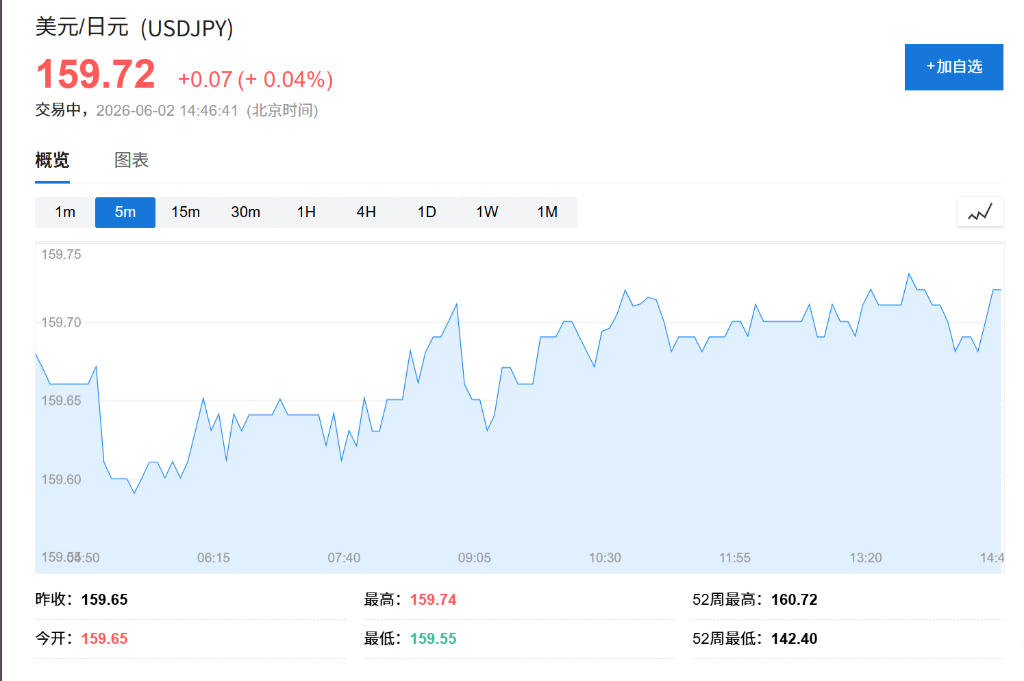
  • Yen terhadap dolar AS bertahan di sekitar 159,70
  • Harga emas naik sekitar 1% menjadi $4.523 per ons
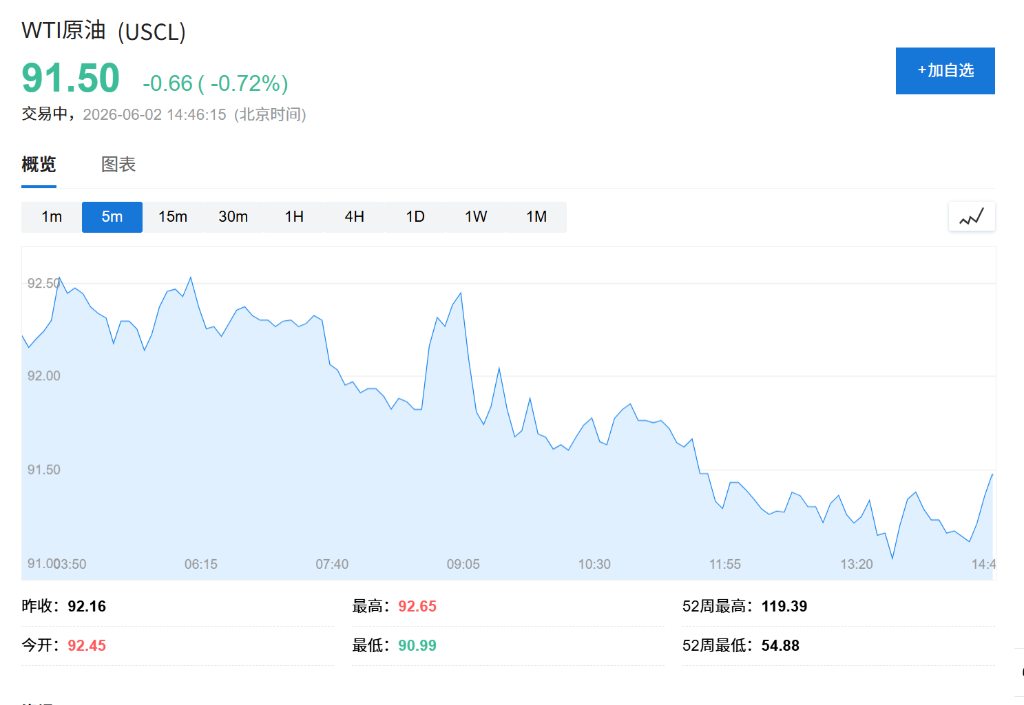
  • Minyak Brent bergerak di sekitar $94 per barel
  • Harga aluminium terus naik untuk hari keempat berturut-turut, harga aluminium LME pada sesi pagi sempat naik ke $3.775 per ton, level tertinggi sejak 2022
  • Harga tembaga naik 0,5% menjadi $13.899,50 per ton.
  • Bitcoin turun 1,4% menjadi $70.386,76.

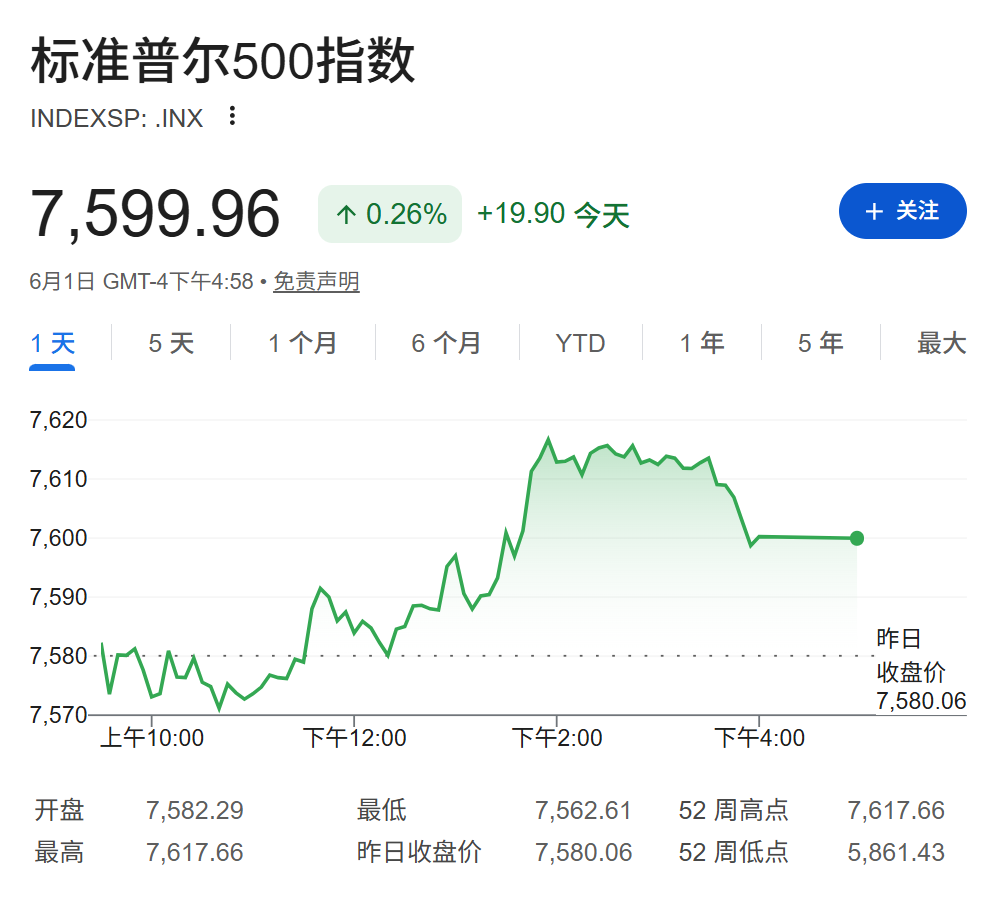
Permintaan yang terus kuat terhadap saham terkait AI menjadi mesin utama yang mendorong pasar ekuitas global mencetak rekor baru tahun ini, dan sebagian mengimbangi volatilitas pasar yang dipicu ketegangan Timur Tengah. Indeks S&P 500 pada Senin mencatat kenaikan untuk hari kedelapan berturut-turut, rekor reli beruntun terpanjang sejak Mei 2025. Indeks Semikonduktor Philadelphia (SOX) melonjak sekitar 70% dalam dua bulan terakhir, berpotensi mencatat performa kuartal terkuat sepanjang sejarah; sektor chip menjadi sektor dengan kinerja terbaik di S&P 500 tahun ini dengan keunggulan yang signifikan.
Namun, sebagian investor mulai waspada terhadap valuasi yang sudah terentang. Manajer portofolio M&G Investments, Vikas Pershad, dalam wawancara Bloomberg Television mengatakan: "Kenaikan yang kami saksikan telah melampaui ekspektasi kami. Arahnya tidak mengejutkan, tetapi mengingat level saat ini, kami telah mengurangi alokasi pada chip memori."

Strategis Bloomberg, Garfield Reynolds, juga mengingatkan risiko: selama setahun terakhir faktor momentum mendominasi pasar ekuitas, yang berarti setiap penurunan tajam pada indeks utama dapat memicu penurunan berkelanjutan; jika muncul faktor negatif substantif di tingkat makro, reli yang digerakkan AI akan menghadapi tekanan pendinginan.

Harga aluminium telah naik sekitar 25% sejak awal tahun, dengan konflik di Timur Tengah menjadi pendorong penting. Wilayah tersebut adalah salah satu pusat peleburan aluminium utama global, dan konflik memaksa beberapa pabrik peleburan di kawasan itu ditutup atau dikurangi produksinya. Pengumuman terbaru Iran untuk menangguhkan perundingan semakin membuat pasar merasa tidak nyaman dengan prospek pasokan regional. Investor sekaligus melihat prospek permintaan logam industri dengan optimis, terus mengalir masuk ke pasar tembaga dan aluminium.
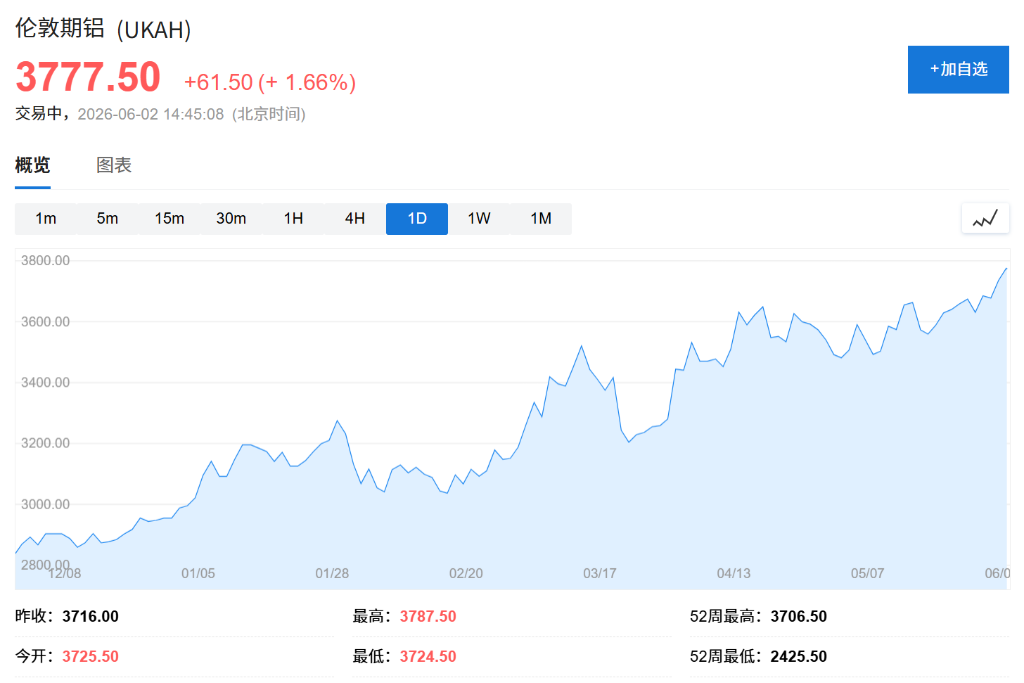
Tingkat ketatnya pasar spot telah terlihat jelas dalam struktur berjangka: pada Senin, premi kontak spot aluminium LME terhadap kontrak berjangka tiga bulan mencapai $111,75 per ton, level tertinggi sejak 2007, menunjukkan kesenjangan pasokan spot jangka dekat yang melebar dengan cepat dan kebutuhan mendesak pasar akan pengiriman segera.

Minyak Brent pada Selasa sedikit melemah di sekitar $94 per barel, setelah naik pada Senin menyusul pernyataan yang saling bertentangan dari Presiden Trump dan Perdana Menteri Israel Netanyahu mengenai konflik Lebanon setelah mereka melakukan panggilan telepon. Pernyataan kontradiktif dari kedua belah pihak mengenai isi panggilan adalah contoh terbaru dari sinyal kemajuan perundingan gencatan senjata yang berulang kali bertolak belakang. Trump terus menyatakan perundingan berlangsung dan mendekati kesepakatan, sementara Iran pekan lalu membantah laporan terkait kesepakatan sementara yang akan segera tercapai, dan pada Senin menyatakan akan mengoordinasikan tindakan dengan proxy-nya.
Jason Pride dan Michael Reynolds dari Glenmede menyatakan: "Ekspektasi kesepakatan AS-Iran masih dalam perubahan dinamis. Peristiwa konflik dan pernyataan yang saling bertentangan baru-baru ini menunjukkan bahwa detail kunci belum terselesaikan."

Sebagai informasi tambahan, Gedung Putih mengumumkan akan menurunkan tarif untuk peralatan pertanian seperti mesin pemanen gabungan, untuk mengurangi biaya produksi petani dan produsen Amerika.

Di pasar valuta asing, yen terhadap dolar AS bertahan di sekitar 159,70, Menteri Keuangan Jepang Satsuki Katayama menyatakan pihak berwenang telah siap mengambil tindakan intervensi valas jika diperlukan, pernyataan ini mengikuti data intervensi bulanan Kementerian Keuangan yang dirilis Jumat lalu. Imbal hasil obligasi pemerintah Jepang 10 tahun turun setelah lelang obligasi yang diminati kuat, investor tertarik masuk oleh imbal hasil yang tinggi meski ketidakpastian Timur Tengah masih ada; harga obligasi pemerintah AS juga sedikit menguat. Di antara pasar utama Asia, Indeks Nikkei 225 ditutup turun 0,3% di level 66.734,24 poin, Indeks Topix ditutup turun 0,4% di level 3.924,24 poin.
Data ekonomi AS yang akan dirilis padat pekan ini akan menjadi fokus perhatian pasar lainnya, dengan puncaknya pada laporan pekerjaan non-pertanian Mei yang dirilis Jumat, di mana investor berharap mendapatkan petunjuk tentang kesehatan ekonomi AS dan jalur kebijakan Ketua Fed baru Kevin Warsh. Kepala Strategi Valas Bank ING, Chris Turner, menulis pada Senin bahwa pasar secara bertahap membentuk penilaian bahwa pertumbuhan ekonomi AS kembali berakselerasi seiring infiltrasi investasi AI ke bidang ekonomi yang lebih luas, dan memperkirakan data pekan ini akan semakin mendukung narasi pasar bahwa "Fed dapat dengan nyaman mempertahankan target lapangan kerja penuh, sambil memusatkan fokus kebijakan pada risiko kenaikan inflasi".


Related Questions

QApa yang menyebabkan indeks pasar Asia, khususnya Kospi Korea, berbalik naik setelah sempat turun?

AIndeks pasar Asia berbalik naik terutama karena beli kembali saham-saham terkait AI yang meningkatkan sentimen risiko pasar. Kospi Korea, yang dianggap sebagai barometer investasi AI, naik 0.1% setelah sempat turun, menghapus semua kerugian awal.

QFaktor apa yang mendorong kenaikan harga aluminium ke level tertinggi dalam empat tahun terakhir?

AHarga aluminium mencapai level tertinggi dalam empat tahun terakhir terutama didorong oleh ketegangan geopolitik di Timur Tengah, yang merupakan pusat peleburan aluminium utama global. Perang memaksa beberapa pabrik di wilayah itu tutup atau kurangi produksi. Selain itu, pengumuman Iran tentang penangguhan negosiasi meningkatkan kekhawatiran akan gangguan pasokan di Selat Hormuz.

QBagaimana performa saham terkait AI dan chip semikonduktor dalam beberapa bulan terakhir?

ASaham terkait AI dan chip semikonduktor menunjukkan performa sangat kuat. Indeks Semikonduktor Philadelphia (SOX) telah melonjak sekitar 70% dalam dua bulan terakhir dan berpotensi mencatat kinerja kuartal terkuat dalam sejarah. Sektor chip adalah sektor dengan kinerja terbaik di S&P 500 tahun ini.

QApa dampak dari ketegangan geopolitik Timur Tengah terhadap pasar komoditas energi dan logam?

AKetegangan geopolitik di Timur Tengah meningkatkan kekhawatiran akan gangguan pasokan minyak dan logam, mendorong kenaikan harga. Minyak mentah Brent bertahan di sekitar $94 per barel. Harga aluminium dan tembaga juga naik signifikan, dengan premi kontak spot aluminium terhadap kontak berjangka tiga bulan mencapai level tertinggi sejak 2007, menunjukkan kelangkaan pasokan jangka pendek.

QPesan apa yang disampaikan oleh investor seperti Vikas Pershad dan analis Garfield Reynolds mengenai kenaikan pasar saat ini?

AMereka menyampaikan pesan kehati-hatian. Vikas Pershad dari M&G Investments mengatakan kenaikan yang terjadi telah melampaui ekspektasi mereka dan mereka telah mengurangi alokasi pada chip memori karena level valuasi saat ini. Sementara itu, Garfield Reynolds dari Bloomberg memperingatkan bahwa kenaikan yang digerakkan oleh AI berisiko mendingin jika muncul faktor makro negatif yang substansial, mengingat faktor momentum telah mendominasi pasar.

Related Reads

Uncovering the Truth About Agent Commerce, Payments, and Infrastructure

Decoding Agent Commerce, Payments, and Infrastructure: The Reality Over the past year, I've been building infrastructure for the Agent economy, engaging with major players like Stripe, Visa, Coinbase, Google, and dozens of startups. A clear conclusion emerges: true, large-scale demand does not yet exist. Startups face structural challenges. Data points illustrate this gap. Stripe's Agent commerce platform has over 1,000 merchants but only single-digit transacting agents. Visa's Agent payment token requires 9-month KYC and a $250M revenue threshold, accessible only to giants like Amazon. On-chain analysis reveals actual daily Agent transaction volume is around $17k, half of which are test transactions. The article analyzes four potential markets: **1. Agent-to-Merchant (A2M):** Current AI shopping UX is often inferior to traditional e-commerce for visual, comparison-heavy purchases (clothing, electronics). Chat interfaces are a step back. Real merchant interest is defensive "Agent Engine Optimization," fearing future obsolescence, not current demand. Potential exists in high-frequency, low-decision purchases (e.g., food delivery) or simplifying terrible UX (complex checkouts, non-native shoppers), but these require massive consumer distribution channels dominated by giants like DoorDash and Amazon. **2. Agent-to-API (A2A):** Developers already have subscriptions and billing for core APIs (compute, data). The argument for micro-payments via crypto for sub-dollar API calls is addressed by pre-paid balances today. The deeper issue is supplier resistance; major SaaS firms rely on enterprise contracts, not fractional cent pricing. Opportunity lies in the long tail of niche services, but this is a smaller market catering to developers, a historically low-paying group. **3. Agent-to-Agent (A2A):** This remains a theoretical long-term vision with near-zero current transaction volume. It involves unique challenges: discovery, trust, negotiation, dispute resolution. When it materializes, it will require a fundamentally new settlement infrastructure for high-speed, variable-value, multi-party transactions. It's a real long-term bet, but not the current market. **4. Agent-to-Finance (A2F):** This is the only category with existing, paying demand. Integrating AI into financial workflows (trading, portfolio management) is a natural evolution and enables new capabilities like autonomous rebalancing. However, competition favors incumbents with regulatory licenses, compliance infrastructure, and existing client relationships. **The Real Issue:** Why is infrastructure still being built? Incumbents can afford long-term bets, and payment companies see every problem as a nail for their payment hammer. However, payment is just one piece. The core challenge is *coordination*—orchestrating work between Agents and humans, verifying outcomes, and settling results. Payment is part of settlement, which is part of coordination. Companies that solve the coordination problem will subsume payments, not the other way around. Startups lack the infinite runway of giants and must find today's real market, which, after a year of exploration, lies outside these four categories—in an area with real, growing, and underserved activity.

marsbit16m ago

Uncovering the Truth About Agent Commerce, Payments, and Infrastructure

marsbit16m ago

Kalshi, MTS, and a16z's Ambition

The article "Kalshi, MTS, and a16z's Ambition" explores prediction markets as a focal point of excitement in 2025 for investors, crypto enthusiasts, and media. It traces their intellectual lineage from Friedrich Hayek's ideas on dispersed knowledge and market coordination to Robin Hanson's Logarithmic Market Scoring Rule (LMSR), which incentivizes truthful information sharing. The piece argues that a16z's significant investment in prediction market platform Kalshi (valued at $220B) transcends mere financial speculation. a16z frames prediction markets as a new form of "media" that provides "presence"—a way for individuals to actively engage with and influence world events through financial stakes, countering postmodern detachment. By wagering on outcomes, users become "super observers," and the market's aggregated probabilities gain authoritative power to define event truth and importance. The article uses media company MTS ("Monitoring The Situation") as a case study of a16z's "new media" strategy: rapidly producing high-intensity, multi-format content to "take over the timeline." However, prediction markets like Kalshi are presented as the ultimate piece in this media empire. Their real-money, crowd-sourced probabilities possess a unique "reality distortion field" and perceived objectivity, potentially swaying public opinion and granting a private company unprecedented interpretive power over reality. Ultimately, Kalshi's immense valuation is attributed not just to its exchange model, but to its role as a foundational component in a16z's envisioned new media landscape, where prediction markets define narrative and truth.

链捕手16m ago

Kalshi, MTS, and a16z's Ambition

链捕手16m ago

US Stocks Suffer Worst Plunge Since 2025: Three Triggers Ignite Tech Stock Valuation Reset

The US stock market experienced its most severe sell-off since the 2025 tariff crisis on June 5th, 2025. The Nasdaq Composite plummeted 4.18%, the S&P 500 fell 2.64%, and the Dow Jones dropped 695 points. The panic stemmed from three converging factors. First, Broadcom's earnings report ignited fears of a slowdown in AI growth. While its AI chip revenue surged 143% YoY to $10.8B, its Q3 AI revenue guidance of $16B fell short of the $17.2B consensus. This triggered a massive sector-wide sell-off, with the Philadelphia Semiconductor Index crashing 10.26% and semiconductor stocks losing roughly $1.3 trillion in market value in a single day. Second, a shockingly strong May jobs report crushed hopes for Federal Reserve rate cuts. Non-farm payrolls added 172,000 jobs, doubling expectations. This robust data, combined with persistently high oil prices above $92/barrel due to the ongoing Iran war and blockade of the Strait of Hormuz, drastically increased market expectations for a potential Fed rate hike instead of a cut. Higher interest rates compress the valuations of growth-heavy tech stocks. Third, the prolonged Iran conflict continues to fuel inflationary pressures, complicating the Fed's policy decisions and undermining the "inflation is tamed" narrative. Together, these events challenged the twin pillars of the market rally: the "limitless AI growth" story and expectations for imminent monetary easing. The sell-off spread globally, impacting Asian and European markets and cryptocurrencies. The article posits this is likely a severe "valuation repricing" rather than the end of the AI story. The underlying demand for AI remains strong, but investor expectations for growth speed and the prices they are willing to pay are being recalibrated. Key upcoming factors include the June FOMC meeting, future AI company earnings, and developments in the Iran conflict.

marsbit4h ago

US Stocks Suffer Worst Plunge Since 2025: Three Triggers Ignite Tech Stock Valuation Reset

marsbit4h ago

Trading

Spot
Futures

Hot Articles

What is $BITCOIN

DIGITAL GOLD ($BITCOIN): A Comprehensive Analysis Introduction to DIGITAL GOLD ($BITCOIN) DIGITAL GOLD ($BITCOIN) is a blockchain-based project operating on the Solana network, which aims to combine the characteristics of traditional precious metals with the innovation of decentralized technologies. While it shares a name with Bitcoin, often referred to as “digital gold” due to its perception as a store of value, DIGITAL GOLD is a separate token designed to create a unique ecosystem within the Web3 landscape. Its goal is to position itself as a viable alternative digital asset, although specifics regarding its applications and functionalities are still developing. What is DIGITAL GOLD ($BITCOIN)? DIGITAL GOLD ($BITCOIN) is a cryptocurrency token explicitly designed for use on the Solana blockchain. In contrast to Bitcoin, which provides a widely recognized value storage role, this token appears to focus on broader applications and characteristics. Notable aspects include: Blockchain Infrastructure: The token is built on the Solana blockchain, known for its capacity to handle high-speed and low-cost transactions. Supply Dynamics: DIGITAL GOLD has a maximum supply capped at 100 quadrillion tokens (100P $BITCOIN), although details regarding its circulating supply are currently undisclosed. Utility: While precise functionalities are not explicitly outlined, there are indications that the token could be utilized for various applications, potentially involving decentralized applications (dApps) or asset tokenization strategies. Who is the Creator of DIGITAL GOLD ($BITCOIN)? At present, the identity of the creators and development team behind DIGITAL GOLD ($BITCOIN) remains unknown. This situation is typical among many innovative projects within the blockchain space, particularly those aligning with decentralized finance and meme coin phenomena. While such anonymity may foster a community-driven culture, it intensifies concerns about governance and accountability. Who are the Investors of DIGITAL GOLD ($BITCOIN)? The available information indicates that DIGITAL GOLD ($BITCOIN) does not have any known institutional backers or prominent venture capital investments. The project seems to operate on a peer-to-peer model focused on community support and adoption rather than traditional funding routes. Its activity and liquidity are primarily situated on decentralized exchanges (DEXs), such as PumpSwap, rather than established centralized trading platforms, further highlighting its grassroots approach. How DIGITAL GOLD ($BITCOIN) Works The operational mechanics of DIGITAL GOLD ($BITCOIN) can be elaborated on based on its blockchain design and network attributes: Consensus Mechanism: By leveraging Solana’s unique proof-of-history (PoH) combined with a proof-of-stake (PoS) model, the project ensures efficient transaction validation contributing to the network's high performance. Tokenomics: While specific deflationary mechanisms have not been extensively detailed, the vast maximum token supply implies that it may cater to microtransactions or niche use cases that are still to be defined. Interoperability: There exists the potential for integration with Solana’s broader ecosystem, including various decentralized finance (DeFi) platforms. However, the details regarding specific integrations remain unspecified. Timeline of Key Events Here is a timeline that highlights significant milestones concerning DIGITAL GOLD ($BITCOIN): 2023: The initial deployment of the token occurs on the Solana blockchain, marked by its contract address. 2024: DIGITAL GOLD gains visibility as it becomes available for trading on decentralized exchanges like PumpSwap, allowing users to trade it against SOL. 2025: The project witnesses sporadic trading activity and potential interest in community-led engagements, although no noteworthy partnerships or technical advancements have been documented as of yet. Critical Analysis Strengths Scalability: The underlying Solana infrastructure supports high transaction volumes, which could enhance the utility of $BITCOIN in various transaction scenarios. Accessibility: The potential low trading price per token could attract retail investors, facilitating wider participation due to fractional ownership opportunities. Risks Lack of Transparency: The absence of publicly known backers, developers, or an audit process may yield skepticism regarding the project's sustainability and trustworthiness. Market Volatility: The trading activity is heavily reliant on speculative behavior, which can result in significant price volatility and uncertainty for investors. Conclusion DIGITAL GOLD ($BITCOIN) emerges as an intriguing yet ambiguous project within the rapidly evolving Solana ecosystem. While it attempts to leverage the “digital gold” narrative, its departure from Bitcoin's established role as a store of value underscores the need for a clearer differentiation of its intended utility and governance structure. Future acceptance and adoption will likely depend on addressing the current opacity and defining its operational and economic strategies more explicitly. Note: This report encompasses synthesised information available as of October 2023, and developments may have transpired beyond the research period.

363 Total ViewsPublished 2025.05.13Updated 2025.05.13

What is $BITCOIN

Discussions

Welcome to the HTX Community. Here, you can stay informed about the latest platform developments and gain access to professional market insights. Users' opinions on the price of BTC (BTC) are presented below.

活动图片