Mengapa Ripple (XRP) dan Stellar (XLM) Adalah Masa Depan Keuangan

bitcoinistPublished on 2026-03-24Last updated on 2026-03-24

Abstract

Perusahaan keuangan tradisional perlahan-lahan tergantikan oleh infrastruktur blockchain seperti Ripple (XRP) dan Stellar (XLM). Kedua jaringan ini menawarkan kecepatan, efisiensi, dan aksesibilitas yang lebih baik dibanding sistem konvensional. Ripple, dengan kemampuan memproses 1.500 transaksi per detik dan penyelesaian dalam 3-5 detik, telah bermitra dengan lebih dari 350 institusi keuangan global. Stellar berfokus pada inklusi keuangan melalui transfer mikro dan lintas batas berbiaya rendah, serta mendukung tokenisasi aset. Keduanya membentuk tulang punggung untuk penyelesaian transaksi, likuiditas, dan transfer nilai global, menempatkan protokol terdesentralisasi sebagai inti dari sistem keuangan masa depan yang lebih transparan dan terprogram.

Masa depan keuangan secara diam-diam berkembang, dan pemain utamanya bukanlah bank tradisional atau sistem fiat; mereka adalah jaringan blockchain seperti Ripple (XRP) dan Stellar (XLM). Cryptocurrency ini bisa menjadi infrastruktur yang akan menggerakkan generasi keuangan berikutnya. Jaringan ini lebih cepat, lebih efisien, dan lebih mudah diakses daripada sistem tradisional, dan mereka meletakkan dasar untuk masa depan di mana aset yang ditokenisasi dan penyelesaian digital mendominasi.

Bagaimana Ripple (XRP) dan Stellar (XLM) Membangun Masa Depan

Dalam sebuah posting X baru-baru ini, Versan Aljarrah, pendiri Black Swan Capitalist, menekankan bahwa evolusi keuangan disengaja, terstruktur, dan jangka panjang. Sementara berita utama sering berfokus pada perkembangan regulasi, transformasi nyata terjadi melalui jaringan yang memindahkan dan menyelesaikan nilai dengan efisien. Ripple dan Stellar berada di pusat perubahan ini, dengan adopsi yang semakin meningkat oleh bank, perusahaan fintech, dan penyedia pembayaran global menunjukkan kemampuan mereka untuk membentuk kembali arus keuangan internasional.

Ripple's XRP Ledger memproses lebih dari 1.500 transaksi per detik, menyelesaikan pembayaran hanya dalam 3–5 detik, jauh lebih cepat daripada bank tradisional, yang dapat memakan waktu berhari-hari untuk transfer lintas batas. Ripple telah bermitra dengan lebih dari 350 institusi keuangan secara global dan memfasilitasi ratusan juta dolar dalam pembayaran lintas batas harian melalui platform On-Demand Liquidity (ODL) -nya. Kemitraannya mencakup bank besar dan layanan pengiriman uang, membuktikan utilitas dan pengaruh XRP di dunia nyata dalam keuangan global.

Stellar's XLM berfokus pada inklusi keuangan, memungkinkan pembayaran mikro dan transfer lintas batas berbiaya rendah. Blockchain-nya telah digunakan dalam kolaborasi dengan IBM untuk menciptakan solusi pembayaran berbasis blockchain untuk bank dan layanan pengiriman uang, menjangkau ribuan pengguna yang kurang terlayani di seluruh dunia. Stellar juga mendukung fiat dan aset lainnya yang ditokenisasi, memungkinkan transaksi yang lebih cepat dan dapat diprogram. Bersama-sama, Ripple dan Stellar menyediakan infrastruktur untuk sistem keuangan yang lebih cepat, lebih transparan, dan lebih mudah diakses daripada jaringan perbankan tradisional.

Tokenisasi dan Kepemilikan Protokol: Sumber Kekuatan Keuangan yang Sebenarnya

Aspek yang paling transformatif dari Ripple dan Stellar adalah peran mereka dalam tokenisasi dan kepemilikan protokol. Seiring dengan berpindahnya aset, termasuk mata uang, ekuitas, dan komoditas, ke jaringan ini, kendali beralih dari institusi terpusat ke protokol itu sendiri. Ripple dan Stellar menyediakan tulang punggung untuk penyelesaian, likuiditas, dan transfer nilai lintas batas, memposisikan mereka di inti keuangan modern.

Ripple memungkinkan pembayaran otomatis dan pergerakan uang yang mudah di seluruh sistem global. Stellar memungkinkan fiat dan aset lainnya diubah menjadi token digital, membuat pembayaran kecil dan transfer internasional lebih cepat dan lebih murah. Dengan menggunakan jaringan ini, investor dan institusi dapat mengakses inti keuangan modern, di mana nilai dan pengaruh tertanam dalam sistem itu sendiri.

Singkatnya, Ripple (XRP) dan Stellar (XLM) adalah fondasi dari sistem keuangan masa depan. Melalui adopsi yang luas, kasus penggunaan dunia nyata, dan infrastruktur yang dapat diskalakan, jaringan ini menunjukkan bahwa masa depan uang terletak pada protokol yang terdesentralisasi dan dapat diprogram. Mereka yang memahami dan terlibat dengan sistem ini diposisikan di pusat era keuangan yang muncul, di mana kendali, efisiensi, dan akses ditentukan oleh jaringan itu sendiri.

Harga terus berjuang | Sumber: XRPUSDT di Tradingview.com

Related Questions

QMengapa Ripple (XRP) dan Stellar (XLM) dianggap sebagai masa depan keuangan?

AKarena jaringan blockchain ini lebih cepat, lebih efisien, dan lebih mudah diakses daripada sistem tradisional, serta membentuk fondasi untuk aset tokenisasi dan penyelesaian digital yang akan mendominasi masa depan.

QApa keunggulan utama Ripple (XRP) dalam transaksi keuangan?

ARipple's XRP Ledger memproses lebih dari 1.500 transaksi per detik dengan penyelesaian hanya 3-5 detik, jauh lebih cepat daripada bank tradisional yang membutuhkan waktu berhari-hari untuk transfer lintas batas.

QBagaimana Stellar (XLM) berfokus pada inklusi keuangan?

AStellar memungkinkan pembayaran mikro berbiaya rendah dan transfer lintas batas, serta mendukung fiat dan aset lain yang ditokenisasi, menjangkau ribuan pengguna yang kurang terlayani di seluruh dunia.

QApa peran Ripple dan Stellar dalam tokenisasi aset?

AMereka menyediakan tulang punggung untuk penyelesaian, likuiditas, dan transfer nilai lintas batas, memungkinkan aset seperti mata uang, ekuitas, dan komoditas berpindah ke jaringan terdesentralisasi.

QBerapa banyak lembaga keuangan yang telah bermitra dengan Ripple?

ARipple telah bermitra dengan lebih dari 350 lembaga keuangan global dan memfasilitasi ratusan juta dolar dalam pembayaran lintas batas harian melalui platform On-Demand Liquidity (ODL).

Related Reads

Morgan Stanley Digital Asset Head: Bitcoin Reaching $1M Would Not Be Surprising, But a Real Catalyst Might Require a Crisis That Shatters the Old System

Summary: In a podcast interview, Morgan Stanley's Head of Digital Asset Strategy, Amy Oldenburg, discusses Bitcoin's potential and institutional adoption. She argues Bitcoin's next major surge might require a catalyst—a crisis that shatters the traditional financial system, after which Bitcoin could emerge as the only intact asset. While she sees a $1 million price as possible within five years, she expects slower, more stable growth. Oldenburg traces Bitcoin's logic to her experience in emerging markets, where decentralized mobile money (like M-Pesa) provided critical financial security where traditional banks failed. She notes that early Bitcoin adopters often came from international finance, seeking alternatives to centralized systems. Regarding institutions, she explains that Morgan Stanley, as a bank holding company, faces stricter regulatory hurdles than pure asset managers like BlackRock. While client demand drove their Bitcoin ETP launch (MSBT), which set a firm record, most financial advisors remain hesitant due to Bitcoin's recent price stagnation and volatility. She identifies an education gap as a major barrier, with many advisors and clients not understanding the differences between various crypto assets or between holding spot Bitcoin versus an ETP. Oldenburg also discusses the tension between Bitcoin's cypherpunk, self-custody ethos and the convenience of centralized financial products, acknowledging the value of both approaches. She concludes that the digital asset space is still in its early stages, with a long journey ahead involving more complex products and technologies.

marsbit19m ago

Morgan Stanley Digital Asset Head: Bitcoin Reaching $1M Would Not Be Surprising, But a Real Catalyst Might Require a Crisis That Shatters the Old System

marsbit19m ago

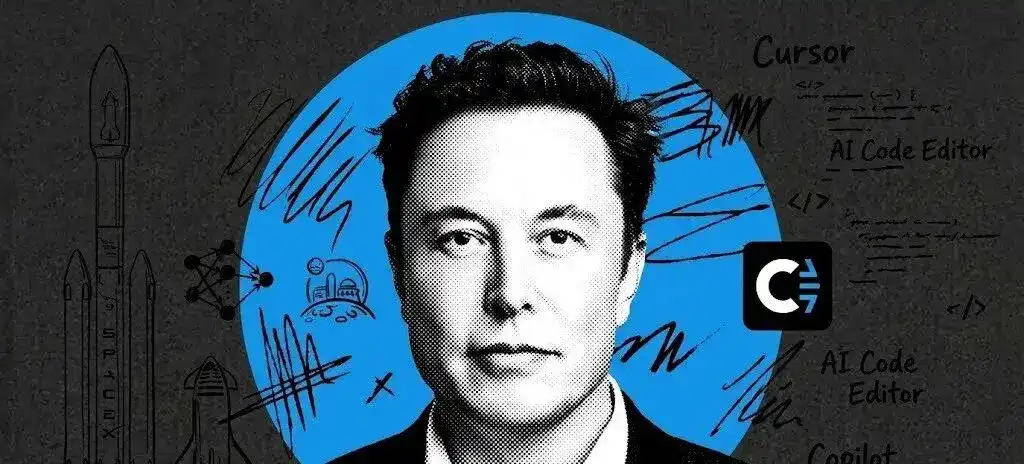
Cursor: Why Did It Board Elon Musk's Rocket?

SpaceX announced its first major acquisition after its historic IPO: a $60 billion all-stock deal to acquire AI programming startup Cursor (parent company Anysphere). Cursor is a popular AI coding assistant that allows developers to switch between models from OpenAI, Anthropic, Google, and others. Founded in 2022 by MIT graduates including CEO Michael Truell, Cursor saw explosive revenue growth, reaching a $4 billion annualized run rate by early 2026. However, its market share had declined as key supplier Anthropic launched its own competing product, Claude Code. Facing dependency risks, Cursor decided to build its own AI model, Composer, but lacked the necessary computing power. In April 2026, Cursor and SpaceX revealed a partnership and an option agreement: SpaceX could acquire Cursor for $60 billion post-IPO, or pay a breakup fee and provide substantial computing resources. After SpaceX's successful IPO, it exercised the option. The deal gives Cursor access to SpaceX's massive "Colossus" supercomputer, while SpaceX gains Cursor's strong foothold among elite software engineers to boost its AI capabilities, as Musk's xAI model Grok lags in programming. The acquisition aligns with SpaceX's broader AI and orbital data center ambitions, as Musk targets $1 trillion in revenue by 2030. For Truell, who once aimed to build an enduring independent company, joining SpaceX represents a monumental bet on an unprecedented scale.

marsbit20m ago

Cursor: Why Did It Board Elon Musk's Rocket?

marsbit20m ago

Trading

Spot
Futures

Hot Articles

What is XRP 2.0

XRP 2.0: A New Frontier in the Cryptocurrency Landscape Introduction to XRP 2.0 In the ever-evolving realm of cryptocurrency, new projects continuously emerge, vying for attention and adoption. One such promising initiative is XRP 2.0, a novel cryptocurrency project designed to leverage advanced blockchain technology and robust encryption methodologies. While the name draws parallels with Ripple’s XRP, it’s crucial to note that XRP 2.0 operates independently, focusing on enhancing transaction security, privacy, and scalability. As the digital financial landscape increasingly embraces decentralized solutions, XRP 2.0 aims to contribute meaningfully to web3 and the overall expansion of crypto projects. What is XRP 2.0? At its core, XRP 2.0 is a cryptocurrency project that aims to create a secure and decentralized digital currency ecosystem. Its foundational technology integrates sophisticated blockchain principles with cutting-edge encryption techniques. The overarching goal of XRP 2.0 is to establish itself as a reliable and efficient platform enabling swift transaction execution while prioritizing enhanced privacy protections for its users. The project is promoted as a solution to many limitations faced by existing cryptocurrencies, proposing a system that can handle a higher volume of transactions with improved speed and privacy. This versatility positions XRP 2.0 as a significant contender in a marketplace riddled with various digital currencies. Who is the Creator of XRP 2.0? The identity of the creator behind XRP 2.0 has been flagged as ‘Wilbur.’ However, comprehensive details regarding Wilbur or their associated entity remain elusive. The anonymity of many cryptocurrency creators is not an uncommon phenomenon in the industry, often designed to maintain a degree of privacy and security. Who are the Investors of XRP 2.0? As of now, specific information related to the investment foundations or organizations supporting XRP 2.0 is not publicly available. In the cryptocurrency sector, the backing by reputed investors can significantly influence a project's credibility and success, yet the transparency regarding the financial supporters of XRP 2.0 has not been established. How Does XRP 2.0 Work? XRP 2.0 stands out by employing a combination of blockchain technology and advanced encryption algorithms that ensures secure and decentralized transactions. Its innovative structure includes unique features designed to foster user engagement and broaden functionalities beyond conventional cryptocurrency transactions. Among these features, XRP 2.0 incorporates AI-powered capabilities, such as text-to-image and text-to-speech functionalities. These additions are designed to enhance the interactive experience for users, promoting broader applicability across various sectors. By bridging technological advancements with user-centered design, XRP 2.0 aims to capture the attention of a diverse range of individuals and enterprises looking to integrate cryptocurrency solutions into their operational frameworks. Timeline of XRP 2.0 Understanding XRP 2.0 requires examining the milestones that have defined its journey thus far: July 23, 2023: XRP 2.0 is introduced as a novel cryptocurrency project, aiming to revolutionize secure and decentralized transaction capabilities in the blockchain domain. September 8, 2023: The launching of another project, XRP20, occurs, marking the emergence of an ERC-20 token on the Ethereum blockchain that remains unrelated to XRP 2.0. November 13, 2023: The XRP Ledger undergoes a significant update with the release of rippled server software version 2.0.0. It is essential to note that this development is disconnected from the XRP 2.0 cryptocurrency project. Key Points About XRP 2.0 To distill the essence of XRP 2.0, several critical factors emerge: Unique Features: The inclusion of features like AI-powered text-to-image and text-to-speech further diversifies the potential applications of XRP 2.0. Blockchain Technology: The framework utilizes advanced blockchain mechanisms and encryption protocols, ensuring a secure and decentralized environment for transactions. Scalability and Privacy: XRP 2.0 prioritizes enhanced privacy protections in transaction processes and the scalability necessary to accommodate a growing user base. No Affiliation with Ripple: Importantly, despite its name, XRP 2.0 does not have any allegiance or collaboration with Ripple’s XRP, distinguishing its operational framework and objectives within the cryptocurrency ecosystem. Conclusion XRP 2.0 represents an ambitious venture into the cryptocurrency sphere, aiming to offer a combination of security, privacy, and efficiency in digital transactions. By integrating sophisticated technologies and user-friendly features, the project sets out to broaden the horizons of what cryptocurrency can achieve in today's digital economy. While the anonymity of its creator and lack of disclosed investors might raise questions for some, XRP 2.0's focus on advanced functionalities and decentralisation enhances its appeal amidst an increasingly crowded crypto market. As the cryptocurrency landscape continues to evolve, XRP 2.0 may yet emerge as a pivotal player in the expansion of secure and scalable blockchain solutions.

955 Total ViewsPublished 2024.04.01Updated 2024.12.03

What is XRP 2.0

Discussions

Welcome to the HTX Community. Here, you can stay informed about the latest platform developments and gain access to professional market insights. Users' opinions on the price of XRP (XRP) are presented below.

活动图片