Developer Behind the World’s Best-Selling Video Game Has No Intentions of Using Blockchain and NFTs in Minecraft

newsbtcPublished on 2022-07-21Last updated on 2022-07-21

Abstract

To date, Mojang has sold 238 million copies of Minecraft and no other video game has sold more copies.

Developer Behind the World’s Best-Selling Video Game Has No Intentions of Using Blockchain and NFTs in Minecraft

On July 20, 2022, Mojang Studios the Swedish video game developer behind the world’s best-selling game of all time said blockchain or non-fungible token (NFT) technologies are “not permitted to be integrated inside [Mojang’s] client and server applications.” Mojang stressed that NFTs or any use of blockchain tech cannot be integrated into any “in-game content such as worlds, skins, persona items, or other mods.”

Mojang Studios Has No Plans to Integrate Blockchain or Introduce NFT Technology Into Minecraft — Blockchain and NFTs are Not Permitted

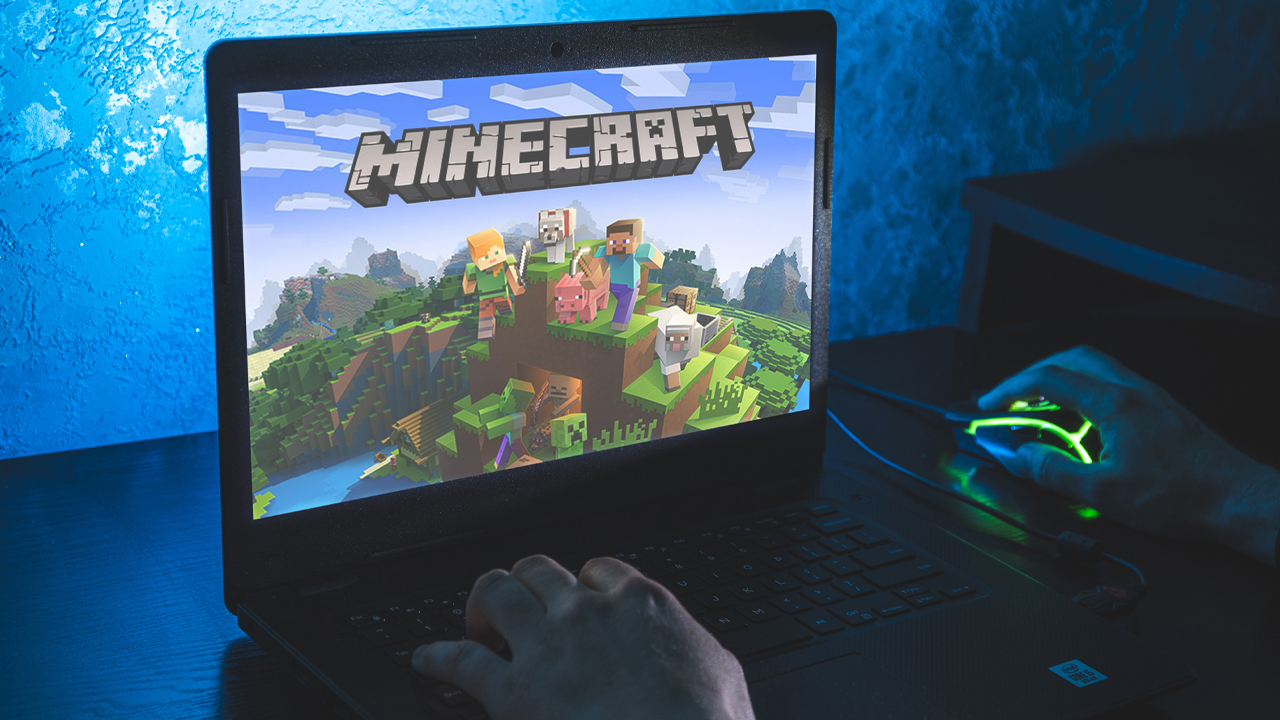
Mojang Studios has put its foot down when it comes to blockchain technology and non-fungible tokens (NFTs), according to a blog post published on Wednesday. Mojang is well known for producing the best-selling game of all time Minecraft, a three-dimensional (3D) sandbox game that has no intended goals.

To date, Mojang has sold 238 million copies of Minecraft and no other video game has sold more copies. Minecraft’s sales are followed by top sellers like Grand Theft Auto V (165M copies), Tetris (100M copies), and Wii Sports (82.9M copies).

The blog post released on Wednesday, states that Minecraft won’t be using blockchain technology or NFTs. The Minecraft creators wholeheartedly believe that “all players should have access to the same functionality” and “everyone has access to the same content.”

Using NFTs would go against the company’s ethos, as NFTs can “create models of scarcity and exclusion that conflict with [the company’s] guidelines and the spirit of Minecraft.” The company cites a number of reasons like the fact there are too many blockchains issuing NFTs, “some third-party NFTs may not be reliable,” and NFTs have been “sold at artificially or [for] fraudulently inflated prices.”

“As such, to ensure that Minecraft players have a safe and inclusive experience, blockchain technologies are not permitted to be integrated inside our Minecraft client and server applications nor may they be utilized to create NFTs associated with any in-game content, including worlds, skins, persona items, or other mods,” Mojang’s blog post details. The Stockholm-based video game developer added:

We will also be paying close attention to how blockchain technology evolves over time to ensure that the above principles are withheld and determine whether it will allow for more secure experiences or other practical and inclusive applications in gaming. However, we have no plans of implementing blockchain technology into Minecraft right now.

Mojang Won’t Be Following Heavy Weight Game Software Developers Like Square Enix, Konami, Ubisoft — Minecraft Creator Believes ‘Speculative Pricing and Investment Mentality’ Takes the Fun Away From Playing the Game

Mojang’s decision comes at a time when firms like Ubisoft, Square Enix, and Konami have all launched NFT implementations of some kind or another. At the end of 2021, Ubisoft and GSC Game World faced backlash over NFT inclusion.

The flak the companies got was so bad, GSC Game World decided to stop the production of the NFT elements planned for the game Stalker 2. However, an executive at Ubisoft, Nicolas Pouard, told the press that he thinks players reject NFTs because they don’t understand the benefits of the technology.

Konami detailed in February that it planned to continue issuing NFTs to preserve the company’s content. Moreover, Square Enix participated in a $35 million investment round for the fintech and bitcoin payment processor Zebedee. The Hoboken, New Jersey-based company Zebedee specializes in integrating bitcoin payments into games.

Mojang wants nothing to do with blockchain or NFTs as it wants to be an all-inclusive game. “The speculative pricing and investment mentality around NFTs takes the focus away from playing the game and encourages profiteering, which we think is inconsistent with the long-term joy and success of our players,” Mojang concluded on Wednesday.

Related Reads

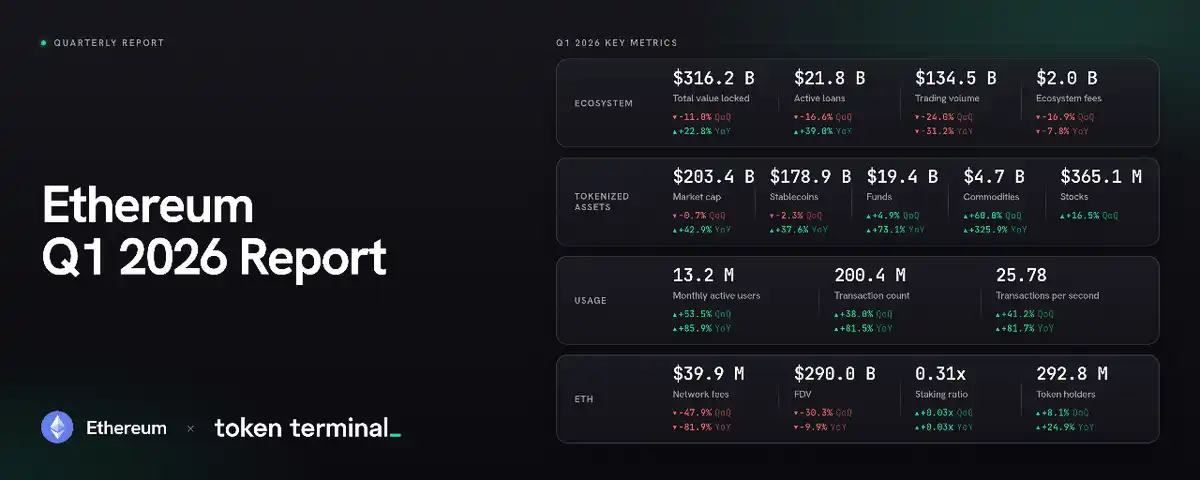
Ethereum 2026 Q1 Review: On-Chain Activity Hits Record Highs, Tokenized Assets Lead the Industry

Ethereum Q1 2026 Review: Record On-Chain Activity, Tokenized Assets Lead the Industry. Despite a price correction impacting USD-denominated metrics, Ethereum's on-chain usage hit all-time highs in Q1 2026. Monthly active addresses surged 85.9% year-over-year to 13.2 million, while L1 transactions and throughput also set new records. This growth occurred alongside a significant 47.9% quarterly drop in L1 transaction fees, demonstrating the impact of network scaling via upgrades like the Blob Parameter Fork. The ecosystem maintained its dominance in decentralized finance (DeFi), holding 71% of the total value locked among top chains and 79.2% of active borrowing. Ethereum solidified its position as the primary platform for tokenized real-world assets (RWAs), with a total market cap of $203.4B. It holds leading shares in stablecoins (61.8%), tokenized funds (73%), and tokenized commodities (84%) across major chains. Key developments included the ERC-8004 standard for AI agents and heightened institutional engagement at forums. Major financial institutions like BlackRock, JPMorgan, and a European banking consortium announced new tokenized products on Ethereum throughout the period. The report draws parallels to the early internet, suggesting Ethereum is sacrificing short-term fee revenue for long-term network expansion and adoption. Its strategy focuses on becoming a neutral, open settlement layer for global finance, with scaling roadmaps aiming for tens of thousands of TPS by 2029.

marsbit36m ago

Ethereum 2026 Q1 Review: On-Chain Activity Hits Record Highs, Tokenized Assets Lead the Industry

marsbit36m ago

Matrixdock Featured Again in SBMA’s 《Crucible》: Discussing How Tokenisation Enhances Efficiency in the Precious Metals Market

Matrixdock's research article, titled "Why Tokenisation Matters for the Bullion Industry and How Carrying Costs Fit In," has been featured again in the SBMA's industry publication *Crucible*. Authored by Matrixdock lead Eva Meng, the piece examines how tokenisation enhances the efficiency and utility of the precious metals market. The article argues that tokenisation builds upon the accessibility improvements brought by gold ETFs, not by redefining gold's value but by enabling it to function within digital finance. It extends gold's role beyond a portfolio holding, potentially facilitating instant settlement, digital collateral, and operation in 24/7 markets. A key focus is transparently handling the unavoidable carrying costs (storage, insurance) of physical assets like gold and silver. Matrixdock introduces the Fungible Reserve Standard (FRS) framework, based on an "Economic Purity Principle," which aims to reflect these real-world economic costs clearly within the token mechanism, rather than bundling them opaquely. The platform's practical applications are highlighted, including its gold token XAUm and its silver token XAGm, the first built on the FRS framework. As the tokenised gold market surpassed $6 billion in February 2026, the industry's focus is shifting from initial proofs of reserves to broader concerns of market efficiency and capital utilization. Tokenisation is positioning gold and other precious metals to become active components within the evolving digital financial system.

marsbit1h ago

Matrixdock Featured Again in SBMA’s 《Crucible》: Discussing How Tokenisation Enhances Efficiency in the Precious Metals Market

marsbit1h ago

Trading

Spot
Futures
活动图片