你的加密钱包是你的 Web3 身份的关键

Meta之光Published on 2022-07-12Last updated on 2022-07-12

Abstract

自互联网诞生之初,数字身份就一直是一个令人担忧的话题。

自互联网诞生之初,数字身份就一直是一个令人担忧的话题。Web2 弥合了人们的线下生活、在线身份以及创意和消费习惯之间的差距,这已经让位于一个彻底集成的互联网体验,旨在尽可能个性化和有针对性。随着虚拟交互和数字身份的新阶段出现——一个比 Web2 更相互关联的阶段——我们需要重新思考个性化和所有权,着眼于在 Web2 的世界中哪些行得通,哪些行不通。

虽然没有 Web3 身份过程的蓝图,但我们可以预测元宇宙中的数字身份将遵循的轨迹。这一轨迹已经形成。
你所知道的一切,去中心化

众所周知,互联网的几乎所有方面都已经成熟,可以进行去中心化。聊天和消息服务是私密的和加密的,浏览是隐身的,交易发生在个人银行账户之间(尽管由中介进行调解)——所有迹象都表明系统是由用户控制的,服务于个人而不是集体。
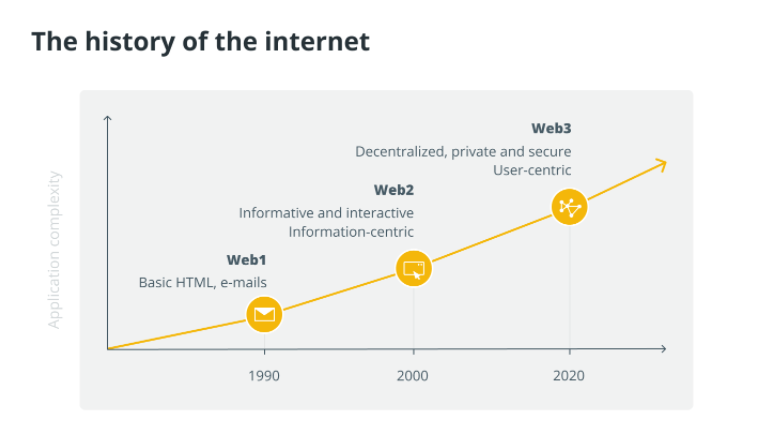
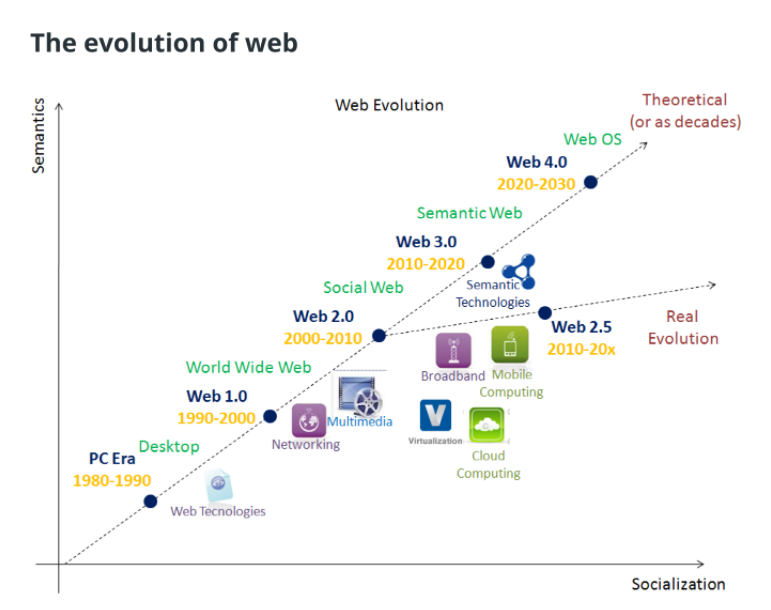
互联网的兴起也不是我们第一次看到这种进展。收音机最初是一系列 AM 电台,逐渐扩展到包括 FM,然后发展了卫星功能,可提供对各种电台的普遍访问。Web3 以及其中的身份功能与卫星广播大致相关。因此,在现代通信系统的历史中,弧线倾向于去中心化。
在这个新空间中,一个人的加密钱包将成为他们在元宇宙中建立存在的关键,从作为游戏的入口到帮助他们建立不可替代的令牌 (NFT) 集合到允许他们开展业务。加密钱包将连接到用户已经在互联网上所做的一切,以及即将到来的所有在线活动。

ID(实体)的未来

习惯于传统市场的人可能会被基于加密货币的所有权革命所迷惑、恐吓甚至吓倒。但改变的是手段(认同),而不是目的(身份)。

用户的加密钱包将充当钥匙,访问他们所有的土地、房地产、NFT 和其他虚拟财产。如果他们丢失了那个密钥,他们将不得不等到它的期限到期才能更新它。也就是说,钱包对于每个人的在线身份都是不可或缺的,因此不太可能发生完全丢失,并且有些公司正在积极开发解决方案来应对这种损失。

身份不会自行改变,但与所有权相关。例如,加密钱包将参与购买网络域名。互联网名称与数字地址分配机构 (ICANN) 等第三方监管机构将不再影响用户购买顶级域 (TLD) 或从中创建子域的能力,用户无需提出请求允许自己这样做。域名的所有权将成为新的永久;即使从以前拥有的 TLD 中创建子域,也会授予用户对该子域的无限所有权。

这一切只有通过加密钱包才能实现。随着我们在元宇宙和 NFT 周围的炒作,以太坊和其他钱包地址将成为积累虚拟财富的主要渠道。

但是 Web2 呢?

所有这一切并不是说 Web2 将完全或瞬间过时。它不会消失,但会融入 Web3 空间。例如,域名所有权将向后兼容 ICANN 标准,这意味着个人所有者将获得与过去通过 ICANN 获得域名相同的合法性。
像 PayPal 这样的服务自然会继续存在:这些账户最终将连接到钱包地址而不是电子邮件地址。这种转变已经在主流金融平台和零售商中发生。

精简且易于访问

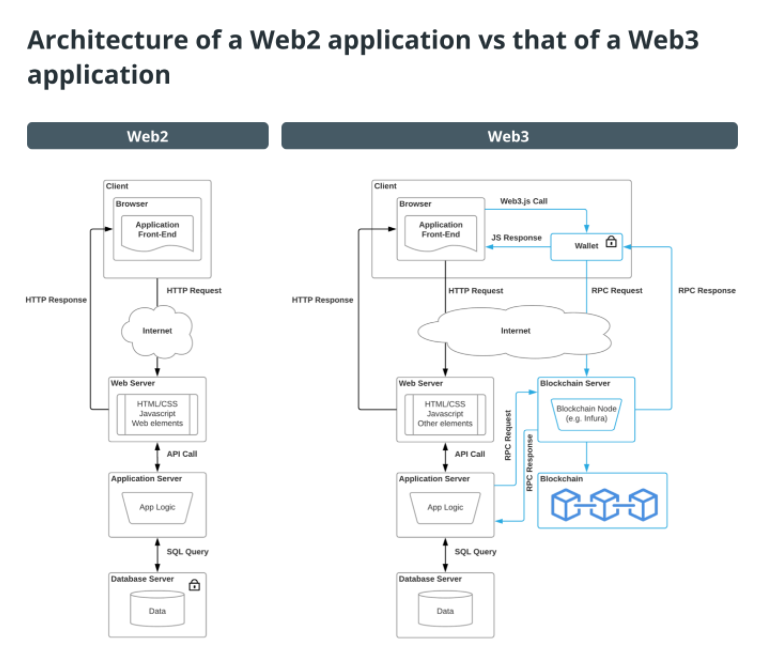
鉴于加密钱包的可能性,域名购买和数字身份的未来将把集体利益心态与个人所有权结合起来。它将彻底改变我们在线识别的方式。迄今为止,解析器一直需要用于将 URL 跟踪到 IP 地址的域名服务 (DNS) 记录,但这种解析将在完全实现的 Web3 环境中本地发生。以类似的方式,Web2 所有权和识别过程中所需的许多额外步骤将变得不必要。

这些变化最终将导致区块链上的身份证明不可变。一旦用户购买了财产,无论是域名还是 NFT,他们都将拥有它;任何组织都不能收回或篡改该所有权。主要目标是跨元节的可访问性。我们需要开发能够促进可行性、实用性和实用性的系统,以创建一个适合所有人的互联网。


Related Reads

SK Hynix Q2 Profit Soars Sixfold, Still 'Misses Expectations'; Secures Long-Term Agreements with 10 Clients, HBM4 to Accelerate Volume Ramp in Second Half

SK Hynix reported record-breaking Q2 2026 financial results, with operating profit soaring 557% year-over-year to 60.5 trillion won and revenue increasing 257% to 79.3 trillion won, driven by strong demand for AI server memory, HBM, and enterprise SSDs. The operating profit margin reached 76.3%. However, both figures fell short of analyst expectations, leading to a drop in its share price. The company attributed the earnings miss to three factors: a high sales mix of HBM, which limited upside from surging prices of general-purpose DRAM; a deceleration in memory price increases compared to Q1; and long-term supply agreements (LTAs) with major customers that lock in prices, reducing sensitivity to spot market gains. SK Hynix has signed LTAs with about 10 clients, covering roughly half of its sales. Despite the miss, the company remains optimistic about AI-driven demand. Its net profit of 93.9 trillion won was significantly boosted by a one-time gain from the partial sale of its Kioxia stake. Financially, it strengthened its cash position, ending the quarter with a net cash position of 69.4 trillion won. Looking ahead, SK Hynix plans capital expenditures at the high end of its 40-50 trillion won range for 2026 to expand capacity for HBM and advanced NAND products, including accelerating the mass production of HBM4 in the second half of the year.

marsbit15m ago

SK Hynix Q2 Profit Soars Sixfold, Still 'Misses Expectations'; Secures Long-Term Agreements with 10 Clients, HBM4 to Accelerate Volume Ramp in Second Half

marsbit15m ago

Behind the 67,000 Semiconductor Talent Shortage: U.S. Industrial Policy Game and Implications for China

The U.S. push to reshore semiconductor manufacturing faces a core challenge: a significant talent shortage. While over $770 billion in investments are planned across 160 projects, a key hurdle is finding enough people to run the new fabs. According to industry projections, the U.S. could face a shortage of approximately 67,000 technicians, engineers, and computer scientists by 2030. This shortage is multi-faceted. It includes not only high-level chip design engineers requiring advanced degrees but also a substantial need for technicians to operate and maintain fab equipment. Technician roles, while often requiring less formal education, are hard to fill due to factors like shift work, factory locations, and local community infrastructure. Conversely, for high-end engineers, the issue is less about salary—which is already competitive—and more about intense competition for specialized skills from other tech sectors and the long lead time to develop such expertise. The geographic dispersion of new investments complicates recruitment, as fabs need large numbers of local, stable employees. In response, U.S. policy emphasizes building workforce development as critical infrastructure. Strategies include expanding community college programs for technician training, fostering industry-education partnerships, and pursuing immigration reforms for high-skilled talent, aiming to balance immediate needs with long-term domestic pipeline development. For China, the key takeaway is the need to integrate talent supply planning with factory construction from the outset. This involves requiring companies to submit workforce plans, strengthening vocational education aligned with industry needs, and building supportive local ecosystems to retain talent. Ultimately, a sustainable semiconductor industry depends not just on building fabs, but on cultivating a continuous, local talent pipeline capable of keeping them running and advancing.

marsbit1h ago

Behind the 67,000 Semiconductor Talent Shortage: U.S. Industrial Policy Game and Implications for China

marsbit1h ago

Trading

Spot
活动图片