Власти Коннектикута блокируют рынки предсказаний из-за ставок на спорт

cryptonews.ruPublished on 2025-04-03Last updated on 2025-12-04

Администрация штата Коннектикут выпустила приказ о немедленной приостановке операций с событийными контрактами для платформ Kalshi, Robinhood и Crypto.com. Этот шаг усиливает жесткую политику региона в отношении цифровых активов.

Решение демонстрирует растущий регуляторный разрыв между местными законами об азартных играх и федеральным надзором за производными финансовыми инструментами.

Новый виток конфликта с криптоиндустрией

Департамент защиты прав потребителей (DCP) направил требования о прекращении деятельности трем крупным игрокам рынка. Чиновники обвиняют платформы в организации незаконных онлайн-ставок на спорт под видом событийных контрактов. По мнению ведомства, компании нарушают законы штата об играх и подвергают риску финансовую безопасность пользователей.

Данное решение последовало через пять месяцев после подписания губернатором Недом Ламонтом законопроекта, который запрещает инвестиции штата в биткоин. Это закрепило за Коннектикутом статус одной из наименее дружелюбных к криптовалютам юрисдикций в США. В то время как Техас, Аризона и Нью-Гемпшир изучают возможность создания биткоин-резервов, Коннектикут продолжает ужесточать ограничения.

Аргументы регулятора против платформ

В официальном пресс-релизе от 3 декабря DCP заявил об отсутствии у перечисленных компаний лицензии на организацию пари. Представители ведомства подчеркнули, что контракты нарушают множество государственных норм. В частности, речь идет о допуске к торгам лиц моложе 21 года.

Регулятор выдвинул ряд серьезных претензий к операторам рынков предсказаний. Список нарушений включает рекламу для лиц из списка самоограничения и отсутствие контроля честности. Кроме того, платформы якобы разрешают ставки на события с заранее известным исходом и работают вне системы защиты потребителей. Также чиновники обвиняют компании во введении пользователей в заблуждение относительно законности таких инвестиций.

Директор игрового подразделения DCP Крис Гилман отметил, что ставки на рынках предсказаний нельзя считать инвестициями. На этом фоне ведомство призывает платформы прекратить все операции со спортивными контрактами и позволить резидентам штата вывести средства.

Правовая коллизия и федеральный надзор

Компании Robinhood и Kalshi уже выразили несогласие с позицией властей, ссылаясь на федеральное регулирование. Однако только Kalshi подала федеральный иск, оспаривая полномочия штата. Этот спор обнажает серьезную юридическую проблему разграничения сфер влияния между местными законами об азартных играх и федеральным регулированием деривативов.

Пользователи в социальных сетях активно обсуждают сложившуюся ситуацию. Участники рынка указывают на очевидную непоследовательность в подходах различных ведомств к одним и тем же финансовым инструментам.

Масштабирование юридических споров

Коннектикут не единственный штат, вступивший в конфронтацию с индустрией. Нью-Йорк также вовлечен в судебное разбирательство с Kalshi. Параллельно с этим регуляторы Невады вынесли постановление о своем праве контролировать спортивные событийные контракты. Это подрывает аргументы отрасли об исключительном федеральном надзоре.

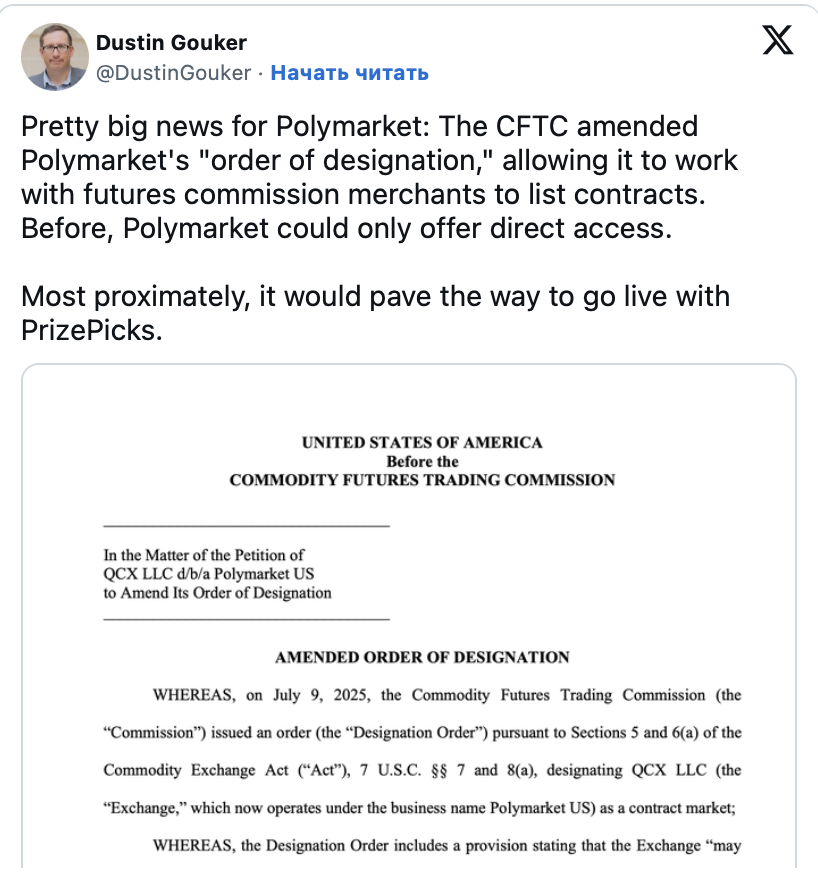
Тем не менее общая регуляторная среда продолжает меняться. Платформа Polymarket ранее получила одобрение CFTC и расширила деятельность более чем на 20 штатов. Это создает резкий контраст с запретительными мерами, принятыми в Коннектикуте.
Перспективы рынка событийных контрактов

Текущие действия властей усиливают неопределенность вокруг правового статуса рынков предсказаний. Различные штаты заявляют о своих полномочиях, что создает сложную и фрагментированную регуляторную карту США. Эксперты прогнозируют увеличение количества судебных исков в ближайшем будущем.

Исход этих разбирательств определит будущее индустрии. Рынки предсказаний либо станут федерально регулируемыми финансовыми продуктами, либо будут приравнены к азартным играм под надзором штатов. Ключевым моментом станет результат иска Kalshi и реакция других регионов на модель взаимодействия Polymarket и CFTC.

Related Reads

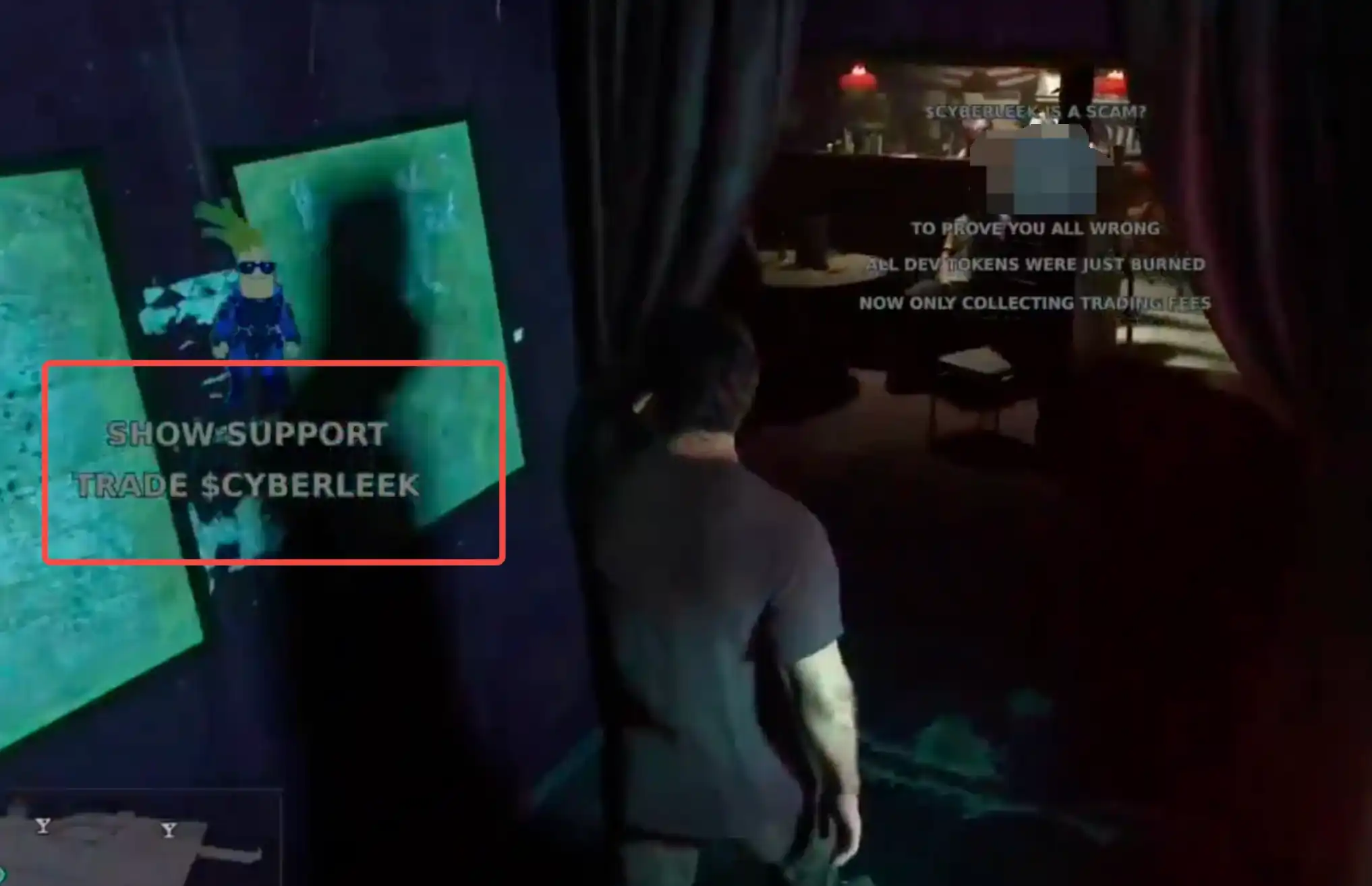
Hacker Leaks GTA6 and Launches a Token: Leaked Videos Become Ad Space for $CYBERLEEK, Must Buy Tokens to Vote for Next Clip

A hacker group called "CyberLeek" has leaked gameplay footage of the highly anticipated video game *GTA 6*, which is slated for release in 2026. Simultaneously, the group launched a meme token, $CYBERLEEK, on Solana. The leaks, which include maps and gameplay clips, are heavily watermarked with advertisements urging viewers to buy the token. Investigations of blockchain data reveal that the token was created and funded from a single wallet approximately eight hours before the first leak was released, suggesting a coordinated plan. The group has implemented a voting system where token holders can "vote" for the next type of content to be leaked by sending $CYBERLEEK tokens to a designated wallet—a process that permanently transfers the tokens to the hackers. This creates a self-sustaining cycle where interest in the leaks drives token purchases. Financially, the operation involved minimal upfront costs (less than $3,500 in out-of-pocket expenses) but generated significant revenue. On its first day, the token saw $15 million in trading volume, netting the creators an estimated $30,000 from transaction fees alone. While the group later burned a large portion of its developer-held tokens (worth over $1 million) to build trust, the fee-generating mechanism remains intact. The game's publisher, Take-Two Interactive, has initiated legal proceedings to identify the hackers. Despite this, the case demonstrates a new model where leaked intellectual property is used as leverage to promote and profit from a cryptocurrency, with meme token markets serving as an additional revenue stream.

marsbit1h ago

Hacker Leaks GTA6 and Launches a Token: Leaked Videos Become Ad Space for $CYBERLEEK, Must Buy Tokens to Vote for Next Clip

marsbit1h ago

Jensen Huang's Daughter: From Chef to an $8 Million Annual Salary

Madison Huang, daughter of NVIDIA founder Jensen Huang, recently made a rare public appearance in Beijing during the 2026 World Robot Conference. As the Senior Director of Product and Technology Marketing for NVIDIA's Physical AI Platform, with an annual salary of approximately $1.2 million, her visit focused on evaluating leading Chinese robotics companies like UBTech, Unitree, and others. This highlights NVIDIA's strategic interest in the burgeoning Chinese robotics ecosystem, a key battleground for the development of Physical AI—technology that enables machines to understand and interact with the physical world. Huang's career path is unconventional. Initially pursuing her passion, she studied culinary arts, worked as a chef, and later held a marketing role at LVMH. She joined NVIDIA as an intern in 2020 after completing an MBA, quickly rising through the ranks. Her brother, Spencer Huang, followed a similar path, closing a cocktail bar he co-founded to also join NVIDIA, where he now works on robotics software. Jensen Huang has publicly addressed nepotism concerns, humorously noting that some "second-generation" employees outperform their parents. The conference itself underscored China's vibrant robotics sector, marked by Unitree's recent blockbuster IPO and a pipeline of companies preparing to go public. While hardware development and manufacturing are advancing rapidly, industry leaders like Wang Xingxing of Unitree point to the next critical challenge: developing the "brain" or AI that allows robots to perform diverse, unseen tasks based on simple instructions. With massive manufacturing scale and diverse real-world testing scenarios, China is positioned as a central player in the global race to define the future of robotics.

marsbit3h ago

Jensen Huang's Daughter: From Chef to an $8 Million Annual Salary

marsbit3h ago

He Gave Wang Xingxing the First 2 Million, Now Serves as Chairman for the Next 'Unitree'

On August 19, 2024, Unitree Robotics, China's "first humanoid robotics stock," went public. Its founder, Wang Xingxing, started a decade ago with his self-developed XDog. In 2016, at a critical funding juncture, he received his first angel investment of 2 million RMB from Yin Fangming. This bet has since yielded a return of over 140 times. Yin Fangming is more than just a key investor. He was a co-founder of the AI robotics company ROOBO, whose own venture ultimately struggled. This firsthand experience with the hardware challenges in robotics gave him unique insight when backing Unitree, a company renowned for its hardware R&D and cost control. While his own company faltered, Yin continued investing shrewdly. He partially cashed out some Unitree shares early, reinvesting the proceeds into sectors like energy (e.g., solid-state battery firm TaiLan) and commercial aerospace (e.g., small launch vehicle developer XianDeng Aerospace). However, his most significant move after Unitree is his deep involvement with Galaxy General, a leading embodied AI unicorn. In July 2024, Yin stepped from behind the scenes to officially become its Chairman, indicating a role far beyond a typical investor. This comes as Galaxy General is viewed as preparing for future capital moves. Yin's career has consistently been ahead of the curve—from mobile internet to AI and robotics. Known for his foresight and low profile, he declined an interview for this story, offering only a statement encouraging support for visionary entrepreneurs like Wang Xingxing.

marsbit4h ago

He Gave Wang Xingxing the First 2 Million, Now Serves as Chairman for the Next 'Unitree'

marsbit4h ago

Trading

Spot
活动图片