Северная Корея легализует похищенную криптовалюту через Россию и Азию — ООН

cryptonews.ruPublished on 2025-11-25Last updated on 2025-11-25

Северокорейские хакеры с января 2024 года по сентябрь 2025-го похитили криптовалюту на $2,837 млрд. Большая часть средств легализуется через посредников в России, Гонконге и Камбодже, сообщили эксперты Многосторонней группы по мониторингу санкций в отношении КНДР (MSMT) при ООН.

Главной целью хакеров из КНДР эксперты Организации Объединенных Наций назвали крупные централизованные криптобиржи. Киберпреступники наладили тесные контакты с российскими группировками, которые занимаются разработкой программ-вымогателей, заявили представители MSMT.

В Северной Корее насчитывается не менее 2000 программистов, работающих удаленно под чужими именами в России, Лаосе, Камбодже и африканских странах. Они переводят свою зарплату на родину для финансирования военных программ, считают специалисты организации при ООН.

Ситуация осложняется тем, что киберподразделения из Пхеньяна начали использовать искусственный интеллект практически на каждом этапе хищения криптовалюты: разведка, фишинг, анализ кода, кражи и отмывание похищенных цифровых монет. Используя модели, схожие с ChatGPT и Claude, злоумышленники анализируют открытый исходный код блокчейнов, находят уязвимости у криптобирж и переносят успешные методы взлома из одной экосистемы в другую, рассказали эксперты MSMT.

По мнению специалистов ООН, без международного сотрудничества и создания единых стандартов кибербезопасности подобные схемы кражи виртуальных активов будут только шириться, угрожая не только крипторынку, но и глобальной финансовой стабильности.

Ранее эксперты работающей в области кибербезопасности компании Elliptic заявили, что северокорейские хакеры за первые девять месяцев года похитили более $2 млрд в криптовалютах. Это рекорд за всю историю наблюдений. Доля биткоинов в этом объеме могла составить от 20% до 35%.


Related Reads

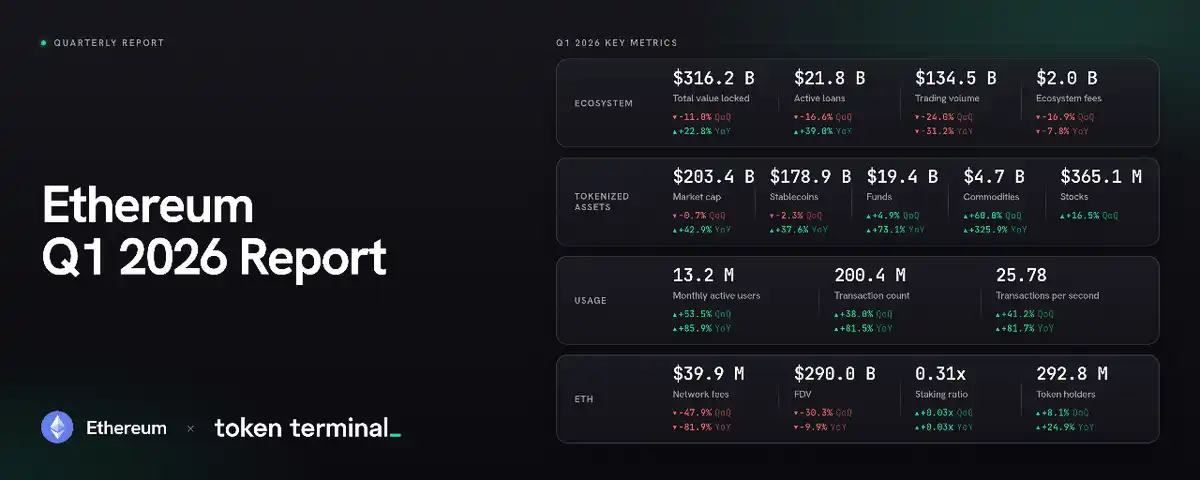
Ethereum 2026 Q1 Review: On-Chain Activity Hits Record Highs, Tokenized Assets Lead the Industry

Ethereum Q1 2026 Review: Record On-Chain Activity, Tokenized Assets Lead the Industry. Despite a price correction impacting USD-denominated metrics, Ethereum's on-chain usage hit all-time highs in Q1 2026. Monthly active addresses surged 85.9% year-over-year to 13.2 million, while L1 transactions and throughput also set new records. This growth occurred alongside a significant 47.9% quarterly drop in L1 transaction fees, demonstrating the impact of network scaling via upgrades like the Blob Parameter Fork. The ecosystem maintained its dominance in decentralized finance (DeFi), holding 71% of the total value locked among top chains and 79.2% of active borrowing. Ethereum solidified its position as the primary platform for tokenized real-world assets (RWAs), with a total market cap of $203.4B. It holds leading shares in stablecoins (61.8%), tokenized funds (73%), and tokenized commodities (84%) across major chains. Key developments included the ERC-8004 standard for AI agents and heightened institutional engagement at forums. Major financial institutions like BlackRock, JPMorgan, and a European banking consortium announced new tokenized products on Ethereum throughout the period. The report draws parallels to the early internet, suggesting Ethereum is sacrificing short-term fee revenue for long-term network expansion and adoption. Its strategy focuses on becoming a neutral, open settlement layer for global finance, with scaling roadmaps aiming for tens of thousands of TPS by 2029.

marsbit40m ago

Ethereum 2026 Q1 Review: On-Chain Activity Hits Record Highs, Tokenized Assets Lead the Industry

marsbit40m ago

Matrixdock Featured Again in SBMA’s 《Crucible》: Discussing How Tokenisation Enhances Efficiency in the Precious Metals Market

Matrixdock's research article, titled "Why Tokenisation Matters for the Bullion Industry and How Carrying Costs Fit In," has been featured again in the SBMA's industry publication *Crucible*. Authored by Matrixdock lead Eva Meng, the piece examines how tokenisation enhances the efficiency and utility of the precious metals market. The article argues that tokenisation builds upon the accessibility improvements brought by gold ETFs, not by redefining gold's value but by enabling it to function within digital finance. It extends gold's role beyond a portfolio holding, potentially facilitating instant settlement, digital collateral, and operation in 24/7 markets. A key focus is transparently handling the unavoidable carrying costs (storage, insurance) of physical assets like gold and silver. Matrixdock introduces the Fungible Reserve Standard (FRS) framework, based on an "Economic Purity Principle," which aims to reflect these real-world economic costs clearly within the token mechanism, rather than bundling them opaquely. The platform's practical applications are highlighted, including its gold token XAUm and its silver token XAGm, the first built on the FRS framework. As the tokenised gold market surpassed $6 billion in February 2026, the industry's focus is shifting from initial proofs of reserves to broader concerns of market efficiency and capital utilization. Tokenisation is positioning gold and other precious metals to become active components within the evolving digital financial system.

marsbit1h ago

Matrixdock Featured Again in SBMA’s 《Crucible》: Discussing How Tokenisation Enhances Efficiency in the Precious Metals Market

marsbit1h ago

Trading

Spot
Futures
活动图片