加密市场能否迎来“Uptober”反弹行情?

比推Published on 2025-09-30Last updated on 2025-09-30

作者:Zhou, ChainCatcher

原标题:上周行情回顾+市场前瞻:加密市场能否迎来下一个“Uptober”?


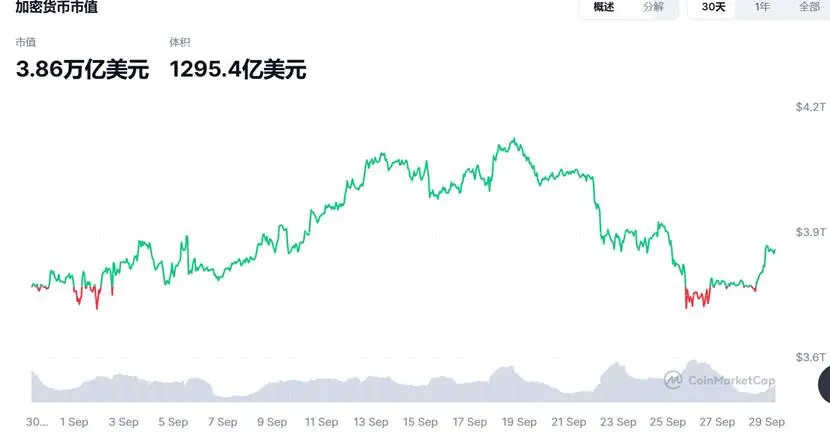
九月降息落地后,加密市场整体延续“九月魔咒”呈现波动下行趋势,全球市值从 9 月 19 日高点 4.13 万亿美元最低跌至约 3.72 万亿美元,几乎抹平了上半月的所有涨幅,总市值蒸发超 4000 亿美元。其中比特币和以太坊等主流币种价格承压,但上周末小幅反弹后形成短期底部。月末已至,接下来的市场将受哪些因素和大事件的影响、机构如何看待接下来的市场?

1.行情回顾

据 CoinMarketCap 数据,2025 年 9 月 22-28 日,全球加密货币总市值从 4.04 万亿美元缩水至 3.79 万亿美元,蒸发约 2,500 亿美元。其中,比特币从周初高点约 115,000 美元回落至周末的 109,500 美元,周跌幅约 5%,期间测试了 107,000 美元的关键支撑位,现货 ETF 单周净流出 9.03 亿美元。以太坊的波动更为剧烈,从 4,200 美元跌至 3,900 美元,累计下跌 7%,现货 ETF 单周净流出 7.96 亿美元。
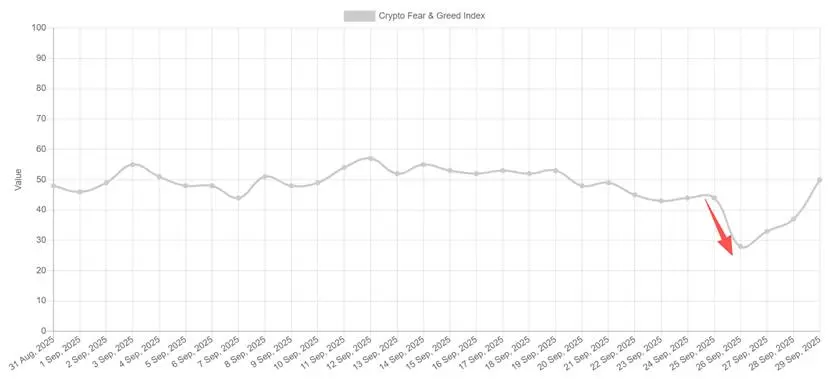
其他主流币则表现分化。SOL 表现较为稳健,周跌幅仅 2%,收 182 美元;XRP 跌幅超 6%,收 2.75 美元;BNB 则在 970 美元附近震荡,跌幅约 4%。加密货币恐惧与贪婪指数从周初中性 50 骤降至恐慌 28,周末小幅回升至 37,情绪有所企稳。
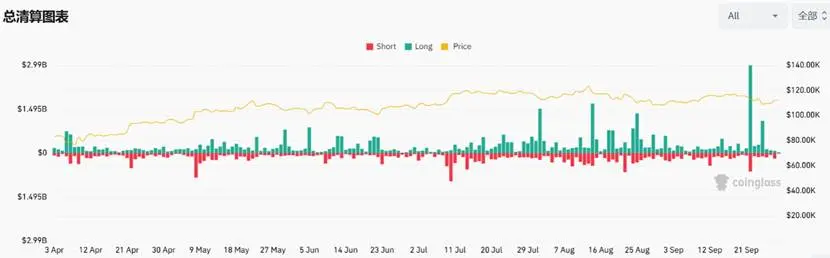
据 coinglass 数据,上周加密市场杠杆清算总额接近 20 亿美元,主要集中在 BTC 和 ETH 多头爆仓,其中 9 月 22 日单日清算 3.8 亿美元;未平仓合约(OI)从峰值约 500 亿美元回落至 450 亿美元左右。链上数据显示,上周长期持有者(LTH)实现的比特币利润对应约 340 万枚 BTC ,LTH 卖出倾向增加,反映市场承压。
交易所资金流动方面,CryptoQuant 显示上周交易所的 BTC 净流入约 25,000 枚(约 27.5 亿美元),ETH 净流入约 120,000 枚(约 4.68 亿美元),抛售情绪较为浓厚。Glassnode 数据表明,BTC 活跃地址数周均约 65 万,较 9 月初下降 10%;ETH 活跃地址约 40 万,下降 12%,零售地址参与度明显减弱。

尽管如此,周末的市场情绪出现转机。Santiment 数据显示,BTC 在 X 平台的讨论热度于 9 月 22 日激增 40%,以“dip”和“crash”关键词为主;到周末,“buy”和“bottom”相关词汇讨论量上升 25%,或暗示短期底部可能形成。

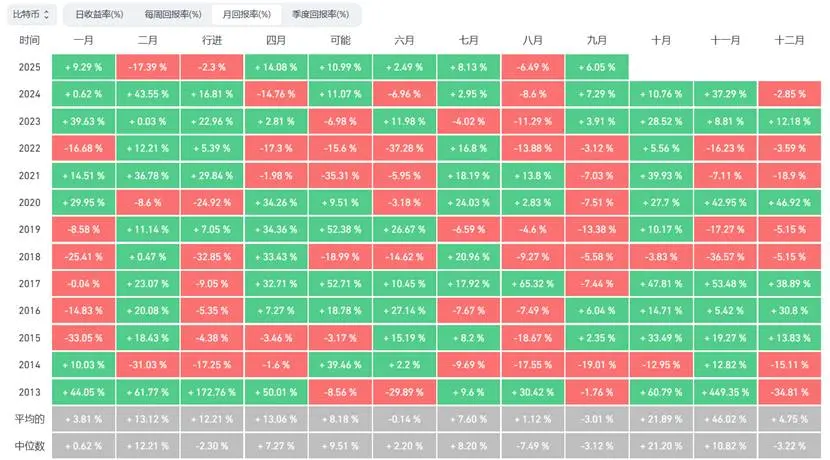
整体而言,上周加密市场受九月魔咒拖累,资金净流出、总市值缩水,但周末价格企稳和情绪回暖,市场从恐慌转向谨慎乐观。从历史数据来看,2013-2024年 BTC 在 10 月份的平均回报率约为 +21.89%,远高于 9 月的 -3.91%,投资者或倾向于押注“Uptober”窗口。
2. 本周宏观大事件

本周宏观大事件日程密集,可能引发市场波动。首先是美国 SEC 与 CFTC 联合圆桌会议于 9 月 29 日召开。加密记者 Eleanor Terrett 在 X 平台发文表示,美 SEC 已要求 LTC、XRP、SOL、ADA 和 DOGE ETF 发行方撤回 19 b-4 申请,因为通用上市标准已获批准。如此一来,相当于简化了 ETF 的审批流程。彭博社 ETF 分析师 Eric Balchunas 指出,山寨币 ETF 获得批准的可能性“现在真的是 100%”,并补充说新的山寨币 ETF 随时都可能出现。

9 月 30 日,白宫当晚将召开会议,参议院将重新投票决定 10 月 1 日后政府资金供给,美国政府存在停摆风险。FP Markets 分析师 Aaron Hill 指出,投资者对政府停摆持谨慎态度,这将为经济数据发布蒙上阴影,并削弱美联储政策信号。若停摆发生,原定 10 月 3 日发布的 9 月非农就业报告将推迟,增加美联储 10 月 28-29 日会议的不确定性。

10 月 1 日,美国参议院金融委员会讨论加密税务政策,涉及资本利得税率和报告门槛调整。

10 月 3 日,美国公布 9 月非农就业数据,预计新增 14.5 万就业人口,失业率 4.2%。花旗预计 2025 年下半年全球经济增长放缓至 2% 以下。美联储官员上周密集发声,Hammack 预计通胀率到 2027 年底或 2028 年初才能达到 2% 目标,暗示宽松步伐放缓。JPMorgan CEO Jamie Dimon 认为,通胀率维持 3%,美联储难以进一步降息,市场对多次降息的预期过于乐观。

美联储Williams周一表示,劳动力市场出现的初步疲软迹象促使他在最近一次美联储会议上支持降息。他认为将利率略微下调是有道理的,并表示适度放松一些紧缩措施将帮助提振就业市场,并对仍然偏高的通胀水平施加一定下行压力。此外,他的模型对实际中性利率的估计为0.75%,但强调政策是由数据驱动的。

此外,特朗普在社交媒体威胁“解雇”美联储主席鲍威尔,加剧对美联储独立性的担忧。PGIM 固定收益副主席 Daleep Singh 警告,政治压力下的过度鸽派可能推高通胀,美元走弱,利好比特币和以太坊。金价受美元走软及降息预期推动其刷新历史高位,反映了市场的避险需求,间接支撑加密资产。

3. 机构对后市怎么看?

大多数机构和分析师看好第四季度的行情,预测比特币目标价 12 万至 25 万美元,以太坊 4,200 至 1.3 万美元,链上数据和低波动率暗示着“暴风雨前的宁静”。

Coinbase CEO Brian Armstrong 发推表示,比特币可能在 2030 年左右达到 100 万美元,建议长期投资。BitMine Chairman Tom Lee 在 2025 年韩国区块链周Impact峰会预测,比特币年底达 20-25 万美元,以太坊 1-1.2 万美元,称以太坊对比特币汇率将恢复历史均值或五年高点,突破前高后价格发现将在 1.2-1.5 万美元完成,远非顶点。该预测与 Fundstrat 首席市场技术官 Mark Newton 的目标一致。

Matrixport 分析指出,贪婪与恐惧指数接近低位,历史上对应可交易底部,比特币逼近对称三角形收敛顶点,或突破至11万美元。期权市场提前布局,但高杠杆下波动或提前爆发,交易量下滑加大强行平仓风险,建议控制风险敞口。他们强调本轮牛市由机构主导,21周均线 109,899 美元为牛熊分界,守住则趋势延续。

CryptoQuant 数据显示,当前交易所储备量接近多年低点,30 天净流出 17 万枚比特币,MVRV 比率中性,资金费率平衡,表明需求上升前供应紧缩。ITC Crypto 创始人 Benjamin Cowen 预测,比特币主导地位将重返 60% 以上,山寨币短期走弱,流动性回流比特币。FxPro 高级分析师 Alex Kuptsikevich 认为,比特币突破 113,500 和 115,000 美元阻力将恢复上行趋势,否则回调风险增加。XWIN Research 指出,隐含波动率降至 2023 年以来最低,类似 2023 年 325% 飙涨前,预示大行情。市场分析师 James Van Straten 表示,衍生品将推动比特币市值达 10 万亿美元,CME 比特币期货未平仓合约创历史新高,反映市场结构成熟。

也有少数声音警告通胀和回调风险。Cryptonomist 报道称,通胀担忧下,比特币若跌破 10.4 万-10 万美元,可能下探 8-8.4 万美元。加密 KOL Ansem 预测,比特币跌至 9 万美元反弹概率 60%,跌至 7.5 万美元概率 20%,最糟情况跌至 5 万美元(5% 概率),建议低位买入,2026 年第二季度上涨启动。他认为“四年周期”不再适用,熊市可能会更长。Glassnode 在社交媒体上发布数据表示,比特币短期持有者 NUPL(未实现净盈亏比率)指标已进入亏损区间,这表明近期买入的投资者正承受压力。从历史数据来看,短期持有者的投降事件往往标志着市场进入重置阶段,通常为新一轮的资产积累奠定基础。

总体来看,短期行情受到经济数据发布和政策变动的影响较大。长期来看,机构对加密市场的信心依然坚实,尤其是对 2026-2030 年周期性牛市的预期。


Twitter:https://twitter.com/BitpushNewsCN

比推 TG 交流群:https://t.me/BitPushCommunity

比推 TG 订阅: https://t.me/bitpush

说明: 比推所有文章只代表作者观点,不构成投资建议

Related Reads

SpaceX IPO Rush: A Capital Feast That Could Reshape the Landscape of AI and Crypto

SpaceX's potential IPO is emerging as a pivotal event that could reshape the landscape for both AI and Crypto markets. Far more than a traditional aerospace offering, SpaceX represents the core of Musk's future-tech ecosystem, with its Starlink satellite network positioning it as a global digital infrastructure company. This shift could redefine the foundational layers of the internet, communication, and data flow. Historically, major tech capital market movements, like AI booms or Bitcoin ETF approvals, have profoundly influenced crypto cycles. The SpaceX IPO could trigger a similar "super-narrative" fusion, boosting investor sentiment toward future digital infrastructure. This is particularly relevant for Crypto, which aims to build decentralized versions of such global systems. Key crypto sectors likely to benefit include: * **DePIN (Decentralized Physical Infrastructure Networks):** Projects like Render, Filecoin, and Helium, which incentivize real-world infrastructure for compute, storage, and connectivity. * **AI Crypto:** Platforms such as Bittensor and Fetch.ai, which leverage blockchain for decentralized AI computation, data markets, and agent economies. * **On-chain Payments & SocialFi:** Ecosystems like Solana and Ton, which could gain traction if Musk's X platform integrates digital payments and stablecoins. Ultimately, the IPO symbolizes a broader capital re-evaluation of core digital-age assets—networks, AI, data, and decentralized systems—aligning closely with crypto's long-term vision. It may act as a catalyst, redirecting global tech investment flows toward the crypto space as the next chapter in digital infrastructure unfolds.

marsbit55m ago

SpaceX IPO Rush: A Capital Feast That Could Reshape the Landscape of AI and Crypto

marsbit55m ago

KUN and Pharos Network Forge Strategic Partnership to Jointly Drive Innovation in RealFi, RWA, and Cross-Border Payment Infrastructure

Hong Kong. Layer 1 infrastructure Pharos Network and licensed digital payment expert KUN have signed a strategic MoU. They will integrate Pharos's institutional blockchain with KUN's licensed global payment rails to drive the tokenization of supply chain credit assets and enable more efficient global settlement on-chain. **Background:** Emerging market SMEs face severe working capital challenges due to slow, costly traditional trade finance, often waiting 30-90 days for payment after delivery. While RWA tokenization is a focus, few projects effectively connect underlying infrastructure to real commerce and licensed payment networks. **Collaboration Focus:** The partnership aims to bridge this gap by bringing supply chain credit and B2B cross-border payments on-chain compliantly. Initial priorities include: * Tokenizing supply chain credit assets to unlock liquidity. * Enabling native on-chain settlement of digital assets. * Exploring enterprise virtual card solutions. * Providing compliant on-chain financial services for verticals like commodities, trade, B2B e-commerce, and Web3. **Executive Quotes:** * Wish Wu, Co-founder & CEO of Pharos Network, highlighted KUN's trusted, licensed payment network as a perfect fit for bringing supply chain assets and cross-border capital flows on-chain accessibly. * Dr. Louis Liu, Founder & CEO of KUN, stated that settlement certainty is RealFi's final hurdle. Bridging KUN's payment rails with Pharos's infrastructure will help convert on-chain assets into real-world liquidity with institutional-grade trust. They will also explore AI-driven optimization for global capital flows. Pharos mainnet is live with over 50 dApps. This partnership strengthens its position as RealFi infrastructure by linking licensed payment systems with on-chain finance.

marsbit55m ago

KUN and Pharos Network Forge Strategic Partnership to Jointly Drive Innovation in RealFi, RWA, and Cross-Border Payment Infrastructure

marsbit55m ago

Deconstructing Anthropic: The Best AI Company May Also Be an Organizational Invention

Anthropic has emerged as one of the most notable AI companies, distinguished by its strategic focus and unique organizational culture. Strategically, Anthropic demonstrated exceptional foresight by prioritizing coding early on, recognizing it as a critical path for model learning, commercial value, and accelerating AGI research. Unlike OpenAI's expansive, multi-front approach, Anthropic maintained rigorous focus on scaling language models and the coding vertical, avoiding distractions like multimodal development. This discipline stemmed partly from resource constraints but also from the conviction of its leadership, particularly co-founder Dario Amodei, who exhibits a strong, independent strategic vision. Organizationally, Anthropic’s culture is its “secret sauce.” It is characterized by a strong, mission-oriented focus on AI safety, high trust, low ego among employees, and a distinct humanistic ethos. This culture has resulted in remarkably low talent attrition and high retention rates. Key practices sustaining this culture include stringent cultural screening in hiring, high-context transparency and writing practices led by leadership, a founding structure of seven co-founders with equal equity to diffuse values, and a deliberate “one team” approach that minimizes internal silos and hierarchy. This culture is both a reaction to the political dynamics its founders experienced at previous companies and a functional necessity for the data-intensive, collaborative “dirty work” required to excel in coding and agentic AI. While OpenAI remains a formidable competitor with greater resources and exploration, Anthropic’s success illustrates how focus, cultural cohesion, and a steadfast mission can be powerful drivers in the AI race.

marsbit1h ago

Deconstructing Anthropic: The Best AI Company May Also Be an Organizational Invention

marsbit1h ago

Why Are the Most Believers in AGI Buying NVIDIA Put Options?

The article analyzes the significant, market-moving 13F filing for Q1 2026 by Situational Awareness LP (SALP), a fund managed by former OpenAI researcher Leopold Aschenbrenner. While Aschenbrenner is a prominent believer in the accelerated arrival of AGI and has built the fund as a focused bet on AI infrastructure, the filing revealed large new put option positions (totaling billions in notional value) on key AI/semiconductor names like Nvidia, SMH ETF, Broadcom, and AMD. The article argues this is not a bearish turn on AI but a sophisticated hedging strategy. Given the macro backdrop in late March (rising oil prices, inflation concerns, higher-for-longer interest rates), the fund is managing volatility in its high-beta, high-valuation portfolio of AI infrastructure plays (like Bloom Energy, CoreWeave, Core Scientific). The puts act as "insurance" against a potential systemic pullback in the AI trade. Simultaneously, SALP maintained or added to core long positions in companies tied to power, data centers, compute, and storage—the "bottlenecks" expected to capture AI capital spending. It trimmed or exited some Q1 winners (e.g., Lumentum) and reduced leverage (e.g., selling CoreWeave calls), suggesting a rotation from crowded, high-momentum trades towards assets with clearer long-term fundamental pathways. The key takeaway is an evolution in the AI investment theme: from a broad, linear rally to a more discerning, "show-me-the-money" phase. The focus shifts from simply buying the AI narrative to identifying companies that can convert capex into tangible revenue, while actively managing portfolio risk in a volatile macro environment. The strategy reflects a move from unilateral bullishness to "offense with defense."

marsbit2h ago

Why Are the Most Believers in AGI Buying NVIDIA Put Options?

marsbit2h ago

Trading

Spot
Futures
活动图片