为何 Tom Lee 的以太坊价值理论存在根本性谬误?

比推Published on 2025-09-25Last updated on 2025-09-25

作者:Andrew Kang,Mechanism 合伙人

编译:AididiaoJP,Foresight News

原标题:买了 242 万枚 ETH 的 Tom Lee 根本不懂以太坊


Tom Lee 的 ETH 理论是我这段时间从知名分析师那里看到的、由金融文盲论点组合而成最愚蠢的理论之一。让我们来逐一剖析。Tom Lee 的理论基于以下几点:

  • 稳定币与 RWA 的采用

  • 数字石油的类比

  • 机构将购买并质押 ETH,在保障网络的安全性的同时进行资产代币化,并作为运营资本。

  • ETH 的价值将等同于所有金融基础设施公司的价值之和

  • 技术分析

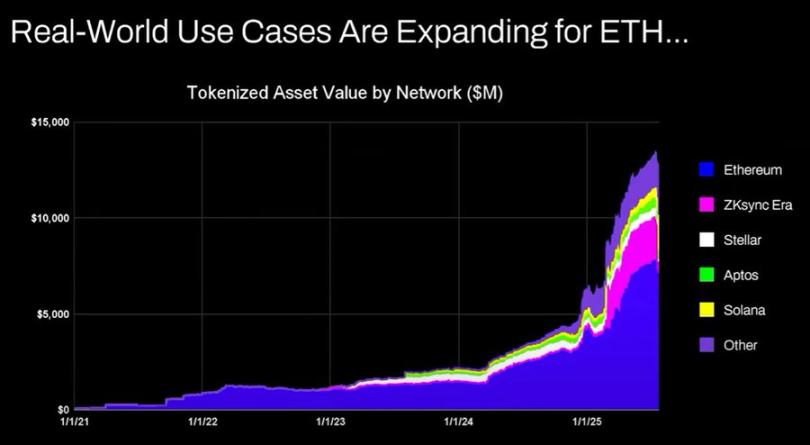
这个论点大致是这样的,稳定币和代币化资产的活动正在增加,这应该会推动交易量增长,从而推动 ETH 的手续费和收入的增加。表面上看这有道理,但如果你花几分钟时间并费一脑细胞核对数据,你会发现事实并非如此。
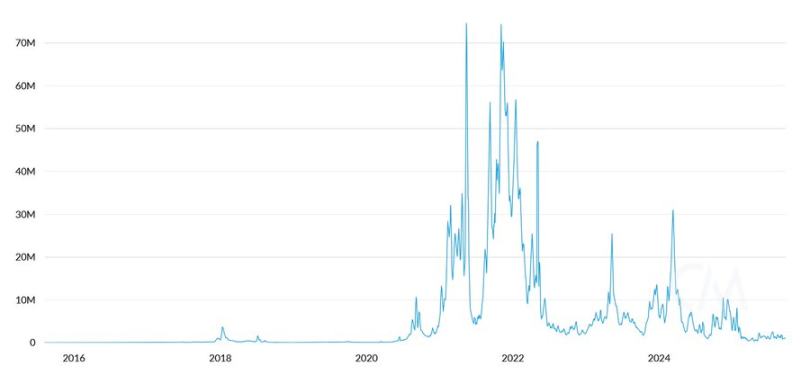
每日 ETH 交易手续费(美元)

自 2020 年以来,代币化资产价值和稳定币交易量增长了 100 到 1000 倍。Tom Lee 论点从根本上误解了价值积累的方式,可能会让你认为手续费会按比例增长,但实际上它们几乎与 2020 年的水平相同。

原因有以下几点:

  • 以太坊网络升级使得交易更高效

  • 稳定币和代币化资产活动流向了其他公链

  • 代币化低周转率的资产不会产生太多手续费。代币化的价值与 ETH 的收入不成正比。某人可以代币化一种 1 亿美元的债券,如果它每两年交易一次,那能为 ETH 产生多少手续费?0.10 美元?一笔 USDT 交易可能产生的手续费都比这多。

你可以代币化价值万亿美元的资产,但如果这些资产不频繁流动,那么它可能只给 ETH 增加 10 万美元的价值。

区块链的交易量和产生的手续费会增长吗?是的但大部分手续费将被那些拥有更强业务拓展团队的其他公链区块链捕获。在将传统金融交易引入链上方面,其他竞争者看到了机会并正在积极抢占市场。Solana、Arbitrum 和 Tempo 正在获得早期的大部分重大胜利。甚至 Tether 也在支持两个新的 Tether 链,Plasma 和 Stable,两者都旨在将 USDT 交易量转移到它们自己的链上。

石油是一种商品。经通胀调整后的实际石油价格在一个多世纪以来一直在同一区间内交易,伴有周期性的冲高回落。我同意汤姆的观点,即 ETH 可以被视为一种商品,但这并不是直接看涨,也无法确定汤姆在这里想表达什么!

机构将购买并质押 ETH

大型银行和其他金融机构已经在他们的资产负债表上购买 ETH 了吗?没有。

他们有宣布任何这样做的计划吗?也没有。

银行会因为持续支付能源费用而囤积汽油吗?不会,这根本不重要,他们只是在需要时支付费用。

银行会购买他们使用的资产托管机构的股票吗?不会。
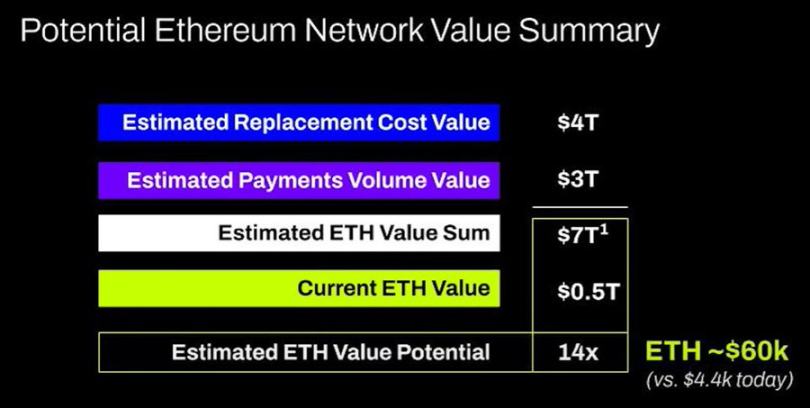
得了吧,这再次体现了对价值积累的根本误解,纯属妄想。

我实际上非常喜欢技术分析,并且相信客观看待时它可能非常有价值。不幸的是,Tom Lee 似乎在通过技术分析随意画线来支持他的偏见。
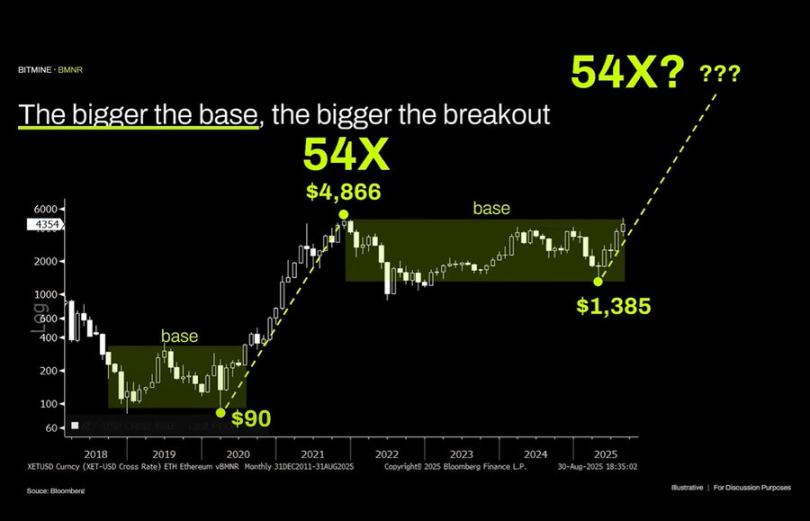
客观看这张图表,最明显的观察结果是以太坊处于长时间的震荡区间。与原油价格在过去三十年里也在宽幅区间内交易并无太大不同。我们不仅处于区间内,而且最近触及了区间顶部,未能突破阻力位。如果说有什么不同的话,以太坊的技术面是看跌的。我不会排除其可能在更长时间内处于 1,000 美元至 4,800 美元区间震荡的可能性。一个资产之前有过抛物线式的上涨,并不意味着它会无限期地持续下去。
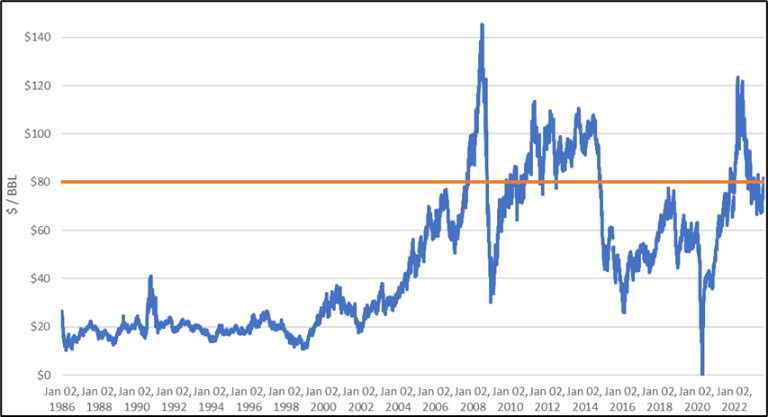
原油价格

ETH/BTC 长期图表也被误解了。它确实处于一个长期区间内,但过去几年主要由下跌趋势主导,最近在长期支撑位出现反弹。下跌趋势的驱动因素是以太坊的叙事已经饱和,且基本面无法证明估值增长的合理性,这些基本面并未改变。

以太坊的估值主要来源于金融文盲。这确实可以创造相当大的市值,看看 XRP 就知道了。但由金融文盲推导出的估值并非无限的。更广泛的宏观流动性使 ETH 市值得以维持,但除非发生重大的组织变革,否则它很可能注定会无限期地表现不佳。


Twitter:https://twitter.com/BitpushNewsCN

比推 TG 交流群:https://t.me/BitPushCommunity

比推 TG 订阅: https://t.me/bitpush

说明: 比推所有文章只代表作者观点,不构成投资建议

Related Reads

Warsh's First Day in Office, Markets Deliver a 'Wake-up Call': Rate Hike Expected This Year

On his first day in office, newly inaugurated Federal Reserve Chairman Warsh received a stark market warning, with expectations now fully pricing in a 25-basis-point interest rate hike this year. The shift was triggered by hawkish remarks from Fed Governor Waller, who stated that inflation is now the key policy "driver" and that the odds of a hike or cut are evenly split. This sent short-term Treasury yields higher. Waller signaled a significant pivot in his stance, citing disappointing inflation and labor data. He suggested removing "easing bias" language from Fed statements and did not rule out future rate increases if inflation fails to recede, though he noted immediate action isn't warranted without signs of unanchored inflation expectations. Chairman Warsh faces immediate pressure at his first FOMC meeting in June. With the preferred inflation gauge at a three-year high, analysts warn that failing to hike could be interpreted as an implicit easing of policy. The geopolitical situation in the Middle East is adding to existing price pressures. The market's expectation for a hike contrasts sharply with earlier forecasts for multiple cuts. While long-term Treasury yields have been contained by lower energy prices recently, analysts note they remain under structural upward pressure. Warsh's swearing-in at the White House highlights political scrutiny over Fed independence. However, the market has made it clear that inflation is the most urgent challenge, leaving the new chairman little time to settle in.

marsbit9h ago

Warsh's First Day in Office, Markets Deliver a 'Wake-up Call': Rate Hike Expected This Year

marsbit9h ago

Has Microsoft Lost Its Way in the AI Race, and Can Copilot Bring It Back on Track?

Microsoft, once seen as an early AI frontrunner due to its investment in OpenAI, is navigating a strategic shift amid increased competition. Its initial reliance on OpenAI’s GPT models has been complicated by OpenAI’s growing ambitions as a direct competitor, rapid advancements from rivals like Claude and Gemini, and the disruptive rise of AI agents, which challenge its traditional SaaS business model. These factors contributed to stock declines and slower-than-expected adoption of its flagship Copilot products. In response, CEO Satya Nadella has taken a hands-on role in product development, signaling the urgency of change. Microsoft is pivoting from a model-centric strategy to a "model-agnostic" enterprise platform approach. It aims to become the foundational layer connecting various AI models—from OpenAI, Anthropic, or its own new "Superintelligence" team—with enterprise workflows, data, security, and cloud services. Recent organizational changes merged consumer and enterprise Copilot teams to accelerate innovation, exemplified by new products like Copilot Tasks and Copilot Cowork. However, this transformation comes at a high cost. Microsoft faces massive capital expenditures, potentially reaching ~$190 billion by 2026, to support AI infrastructure. While its platform strategy shows early signs of traction with growing Azure AI revenue, it must balance startup-like agility with the reliability expected by enterprise clients. The core challenge is no longer being the sole AI winner but defending its position as the essential enterprise software entry point amidst rapid technological commoditization and the shift towards always-on AI agents.

marsbit9h ago

Has Microsoft Lost Its Way in the AI Race, and Can Copilot Bring It Back on Track?

marsbit9h ago

Trading

Spot
Futures

Hot Articles

Discussions

Welcome to the HTX Community. Here, you can stay informed about the latest platform developments and gain access to professional market insights. Users' opinions on the price of ETH (ETH) are presented below.

活动图片