RedSwan токенизирует недвижимость на Stellar

cryptonews.ruPublished on 2025-06-18Last updated on 2025-09-19

Финансовая компания RedSwan Digital Real Estate, регулируемая FINRA и специализирующаяся на инвестициях и торговле ценными бумагами, перенесла коммерческие активы недвижимости на сумму $100 млн на блокчейн Stellar. В портфель вошли жилые комплексы и объекты гостиничного бизнеса, представленные в виде токенов для расширения инвестиционных возможностей.

RedSwan выпускает токены через платформу Token Studio с соблюдением требований регуляторов благодаря сети Stellar. Инвесторы могут покупать доли недвижимости в меньших объемах и при желании торговать ими на вторичном рынке.

Stellar Development Foundation отметил, что сеть изначально создавалась для быстрой и безопасной передачи стоимости и поддерживает использование RWA, включая токенизацию недвижимости. RedSwan планирует расширять доступ к инвестициям в недвижимость институционального уровня через блокчейн-инфраструктуру.

Изображение: Freepik
Related Reads

190 Million: 688286 Completes Two Acquisitions Within Two Months

In August 2026, Suzhou MEMSIC Semiconductor Co., Ltd. (688286.SH), despite reporting a net loss of RMB 20.62 million for the first half of the year, announced two significant acquisitions within two months, totaling approximately RMB 189 million. The company first acquired a 51.82% stake in Suzhou Novosense Electronic Technology Co., Ltd., entering the industrial gas sensor market. Shortly after, it launched a fundraising plan to acquire a 54% stake in Beijing Pudan Optoelectronics Co., Ltd., targeting the fiber-optic gyroscope core components sector. These moves represent a strategic pivot for MEMSIC, historically reliant on the consumer electronics market (e.g., MEMS microphones, pressure sensors), which is facing slowing growth and intense price competition. By acquiring Novosense and Pudan, MEMSIC aims to diversify into higher-margin industrial (e.g., chemical safety, environmental monitoring) and high-reliability sectors (e.g., aerospace, defense), leveraging their respective expertise in chemical sensing and high-precision inertial navigation. The article details the background of founder Li Gang and MEMSIC's 19-year journey, from its pioneering role in China's MEMS industry to its 2020科创板 listing and subsequent financial struggles amidst market downturns. The recent acquisitions are framed as a critical attempt to transform from a consumer electronics-focused chipmaker into a "full-scenario sensing platform" company. However, risks are noted, including the challenge of integrating the acquired companies, Pudan Optoelectronics' current unprofitability, and the overall financial strain on MEMSIC as it navigates this transition. The success of this strategic shift remains uncertain.

marsbit9m ago

190 Million: 688286 Completes Two Acquisitions Within Two Months

marsbit9m ago

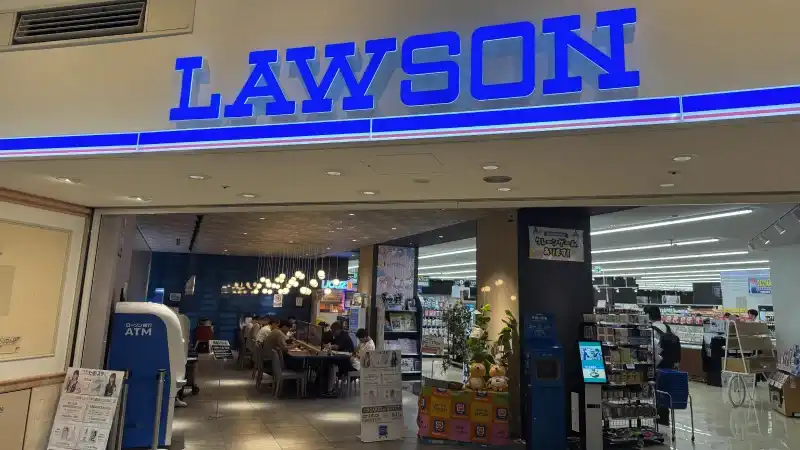
Lawson Convenience Store Tests Stablecoin Payments Again: Three Coins, Three Chains, But Japanese Regulators Haven't Given the Nod

Lawson convenience stores have conducted a second-phase pilot test of stablecoin payments in partnership with payment solution provider NetStars, moving stablecoins from exchanges to physical checkout counters. The experiment, conducted at a Tokyo store, tested payments using three stablecoins—USDC, USDT, and JPYC—across three blockchains: Solana, Morph, and Polygon. A key development was the inclusion of USDT, which is not currently on Japan's approved list of electronic payment assets. The test linked Lawson's existing POS system with NetStars' "Stablecoin Pay" service to verify that stablecoin payments could be processed without disrupting store operations. It assessed payment speed, user experience, and handling of various transaction scenarios. Payments were typically completed within five seconds. Users paid with stablecoins via MetaMask, while stores received yen settlements. NetStars covered the blockchain gas fees upfront, charging users a separate "processing fee" that also included potential foreign exchange costs for dollar-denominated stablecoins. Company executives stated the pilot was preparatory, aimed at understanding technical feasibility and challenges ahead of potential wider adoption. They highlighted the appeal of globally-traded stablecoins like USDC and USDT for foreign visitors to Japan, alongside the domestic use case for yen-pegged JPYC. However, the legal and operational framework for converting received USDT into yen remains under discussion with Japanese financial authorities. No timeline for a commercial rollout was given, pending further market demand, user needs, and final economic conditions like fee structures.

marsbit10m ago

Lawson Convenience Store Tests Stablecoin Payments Again: Three Coins, Three Chains, But Japanese Regulators Haven't Given the Nod

marsbit10m ago

Trading

Spot
活动图片