山寨季姗姗来迟?四大信号或预示轮动已悄然开启

比推Published on 2025-09-01Last updated on 2025-09-01

作者:BitMEX

原文标题:虽迟但到的山寨季:四大信号揭示早期轮动已启动


不是梗图,是数据在说话。我们判断一轮早期山寨季正在展开,理由很简单:

  • 市场结构: TOTAL3(剔除 BTC/ETH 的山寨总市值)相对两大主流币企稳;即便没有 BTC/ETH 的放量突破,市场宽度也在扩散。

  • 领涨方向: SOL/ETH 上行、资金费率温和、强平不多——真买盘,不是挤空。

  • 催化因素: 美国政府推进区块链应用,商务部将 GDP、PCE 等官方数据上链(经 Chainlink/Pyth),平台币阶段性重估等基本面把“场外”资金带回场内。

  • ETF 资金面: ETF 仍净流入但明显降温;ETH 相关 DAT(币股)的市值/净值比(m/NAV)偏低 → 增发吸引力下降,可能给山寨留出更多空间。

信号 1|市场结构与 TOTAL3 的韧性
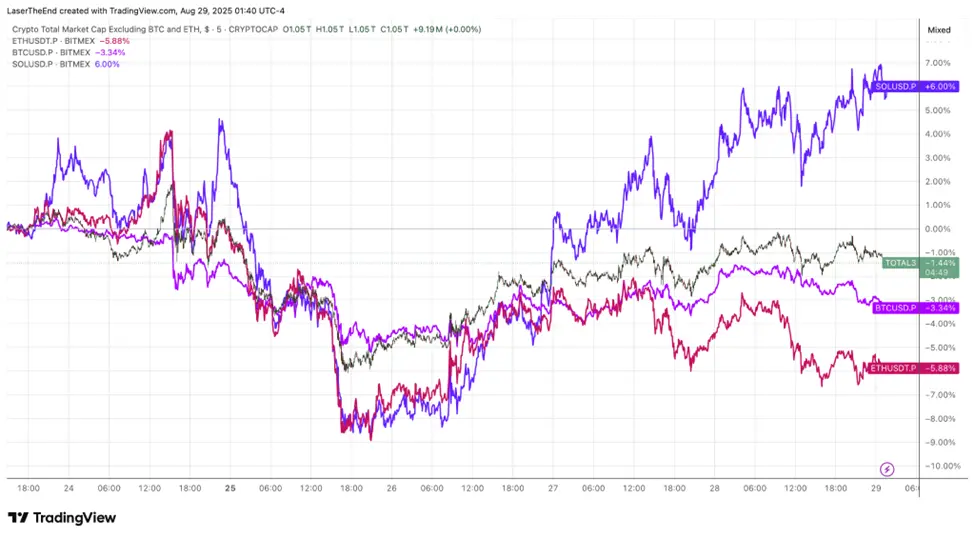
过去 5 天的走势,更像山寨季开端而不是“只涨主流”的轮动。TOTAL3 在 BTC、ETH 震荡时未创新低;衍生品侧保持有序:资金费率接近中性、被动平仓有限——指向现货主导的真实需求。对交易员而言,重点很明确:不等 BTC/ETH 创新高,广度也能扩散;在配对交易里挑选山寨,性价比更高。

信号 2| SOL跑赢ETH,开始轮动
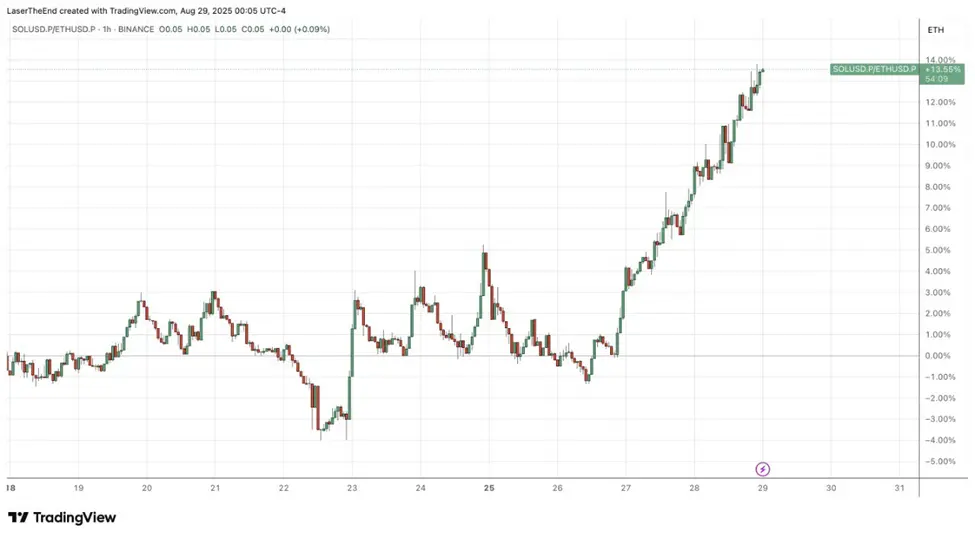
SOL/ETH 上行同时资金费率平稳、没有明显挤空痕迹,说明是主动配置的真实买盘。历史上,这常常领先于高流动中盘和功能赛道的配对轮动;同时提供更低 β的表达:做多 SOL / 做空 ETH。

信号 3|主流币“稳,但不带节奏”

来源:https://www.strategicethreserve.xyz/

主流币的基本面依旧正面,但 ETH、BTC 的边际动能在下降:回调有承接、上攻缺追涨,难以直接推高新高。

以太坊币股 为例,m/NAV 多在 1.0–1.1×,跑输现货 ETH,难以支撑继续“增发+被动现货买入”的链条。我们的判断是:主流抄底盘足、追高盘弱,边际风险下沉到有事件催化的山寨更合理。

信号 4|可落地的区块链应用在推进

政策与基础设施两端都有硬催化:美国商务部宣布将实际 GDP、PCE 等官方系列上链(经 Chainlink、Pyth,覆盖 Arbitrum、Avalanche、Base 等),权威且可机读的数据为数据驱动型 DeFi、代币化风控、事件市场打开新场景。

同时,区块链为底层的应用也获得了主流机构的认可和采用,Numerai(以 $NMR 激励、AI 驱动的对冲基金)获 摩根大通资管 5 亿美元策略容量承诺。

平台币阶段性走强:OKB 受代币模型调整提振,CRO 因特朗普家族基金投资等相关消息面而受关注。以上进展都不依赖 BTC/ETH 创新高——这正是山寨季早期的典型特征。

结论|交易框架

当前画面:主流有序、ETF 净流入降温、DAT 溢价偏薄、硬催化把资金往下游带。

策略上继续坚持配对优先、新闻优先:


说明: 比推所有文章只代表作者观点,不构成投资建议

Related Reads

Fidelity Assesses the Limits of AI's Influence on the Crypto Market

Fidelity Analysts Assess the Limits of AI's Impact on the Crypto Market Fidelity Digital Assets senior analyst Max Waddington notes that AI agents could become a new source of activity in the digital asset sector, from payments to trading and lending. However, the benefits will likely be distributed unevenly. Fidelity's study of over 100,000 GitHub developers shows AI coding assistants increased commit counts by up to 180% and releases by 30%. These tools enable smaller teams to build blockchain applications faster, though critical financial software still requires manual code review. In the crypto industry itself, developer counts fell in 2026 amid lower prices, but commits per developer continued to rise. Waddington cautions that more applications don't guarantee success; user adoption, liquidity, compliance, and trust remain key. Autonomous AI agents, capable of payments, trading, liquidity provision, and lending, are emerging as another driver. Blockchains are suitable due to 24/7 operation and programmable settlements. According to Keyrock, AI agents had already conducted over 176 million transactions worth more than $73 million by May, predominantly using USDC. Infrastructure is developing, with Coinbase launching tools like the x402 protocol and 'Coinbase for Agents'. However, Fidelity expects agents to use multiple platforms (both public blockchains and traditional finance systems) based on cost and convenience. A surge in AI-driven transactions may not proportionally boost blockchain revenue. Payments, while numerous, generate low fees and can be batched or moved to cheaper Layer 2s. Capital-intensive activities like trading are far more lucrative for networks; over 180 days, trading generated 49x more revenue per dollar of volume for Ethereum's base layer than payments did, with additional revenue from MEV. Therefore, analysts see greater potential in AI agents involved in trading, lending, and liquidity provision. Widespread automated payments would primarily benefit stablecoin issuers and infrastructure providers rather than native blockchain tokens. This aligns with earlier comments from Bernstein and Franklin Templeton on AI agents driving crypto payments and being key to stablecoins' future.

cryptonews.ru5m ago

Fidelity Assesses the Limits of AI's Influence on the Crypto Market

cryptonews.ru5m ago

Trading

Spot
活动图片