流动性质押新范式,一文读懂去中心化保证金交易协议 Glow Finance

深潮Published on 2025-05-12Last updated on 2025-05-12

Glow Finance 提供一套互补的 DeFi 工具,围绕保证金账户、池化借贷和自动化策略构建。

撰文:Fairy,ChainCatcher

流动性质押一直是市场关注的热点叙事,但大多数流动性质押代币停留在“收益包装工具”的阶段,缺乏组合性与策略灵活性。这让用户面临选择题:牺牲资产流动性以换取收益,或者放弃收益以参与更复杂的 DeFi 策略。

Glow Finance 试图解决这一问题。Glow 通过将借贷与交易功能整合,帮助用户提升资金使用效率、灵活管理风险,并执行复杂策略。

Glow Finance 是什么?

Glow 是一个去中心化的保证金交易协议,提供了一整套金融工具,旨在最大化资本效率并拓宽收益机会。其跨保证金账户功能允许资产间进行动态交互,用户可以在统一框架内管理、借入和操作头寸。

Glow Finance 的核心是“保证金账户 + 模块化组件”的流动性引擎。用户可通过非托管的保证金账户进行借贷、交易及资产管理,避免频繁切换平台,账户还支持子账户功能,类似于中心化交易所的分账户操作,便于高级策略部署和风险隔离。

Glow Finance 产品矩阵:

  • Glow 保证金账户(Glow Margin Accounts):实现跨协议、可组合杠杆,释放交易能力。

  • Glow 策略配方(Glow Recipes):自动化收益策略,帮助用户执行复杂的 DeFi 操作。

  • $glowSOL:由 Solayer 超级验证者支持,提供 Solana 上优质收益的流动性质押代币(LRT)。

团队背景与项目进展

Glow Finance 的联合创始人 Nicholas Roberts-Huntley 拥有牛津大学基于证据的政策评估与经济学硕士学位。在 2013 年至 2018 年期间,他在医疗领域担任医生,专注于泌尿肿瘤外科、急诊医学、结直肠外科等多个领域。2018 年以后,他转型进入风险投资领域,曾在 Virtual Ventures 担任风险投资架构师,之后在 Point72 担任副总裁,并于 2022 年创立了 Concrete。
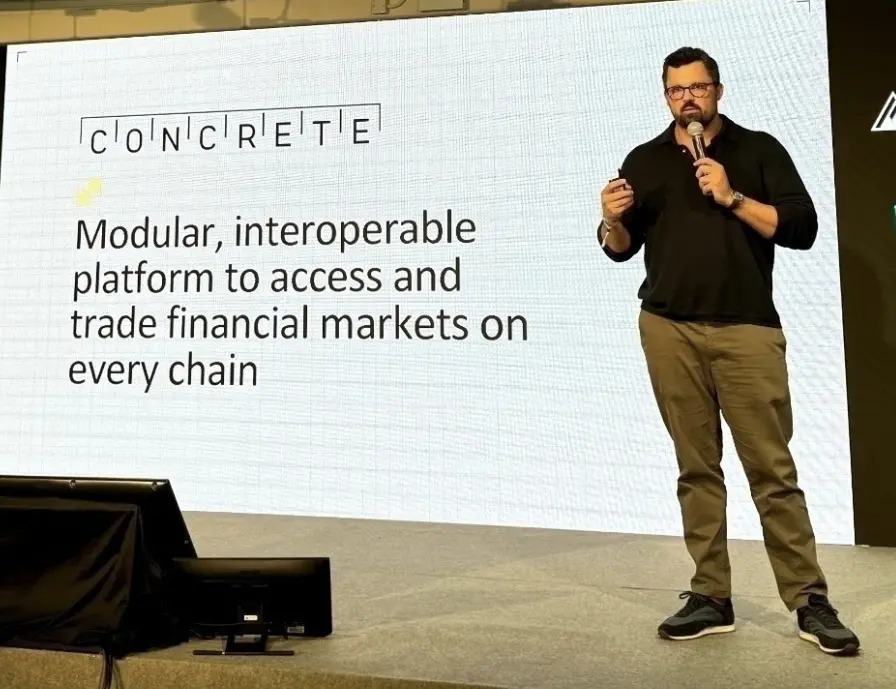
图源:Nicholas Roberts-Huntley

而 Glow Finance 起源于借贷平台 Jet Protocol。2024 年 10 月,Blueprint Finance 收购了 Jet,并对其进行了全面重构,更新技术架构,并重新定义产品定位。据悉,Blueprint Finance 团队此前打造了以太坊生态中的收益协议 Concrete。Concrete 当前已积累超过 6.5 亿美元的 TVL。

4 月 14 日,Glow Finance 正式上线 Solana 主网,但团队的愿景并不止步于 Solana。Nicholas Roberts-Huntley 表示,Glow 的架构已经为未来扩展至包括 Fogo、Atlas 等新一代基于 Solana 虚拟机(SVM)的链上生态做好了准备。

Glow Finance 工作原理

Glow Finance 提供一套互补的 DeFi 工具,围绕保证金账户、池化借贷和自动化策略构建。

Glow 将用户资产集中到保证金账户,并通过适配器将其与保证金池和外部协议连接,确保用户在访问各种 DeFi 服务的同时,优化资金效率。
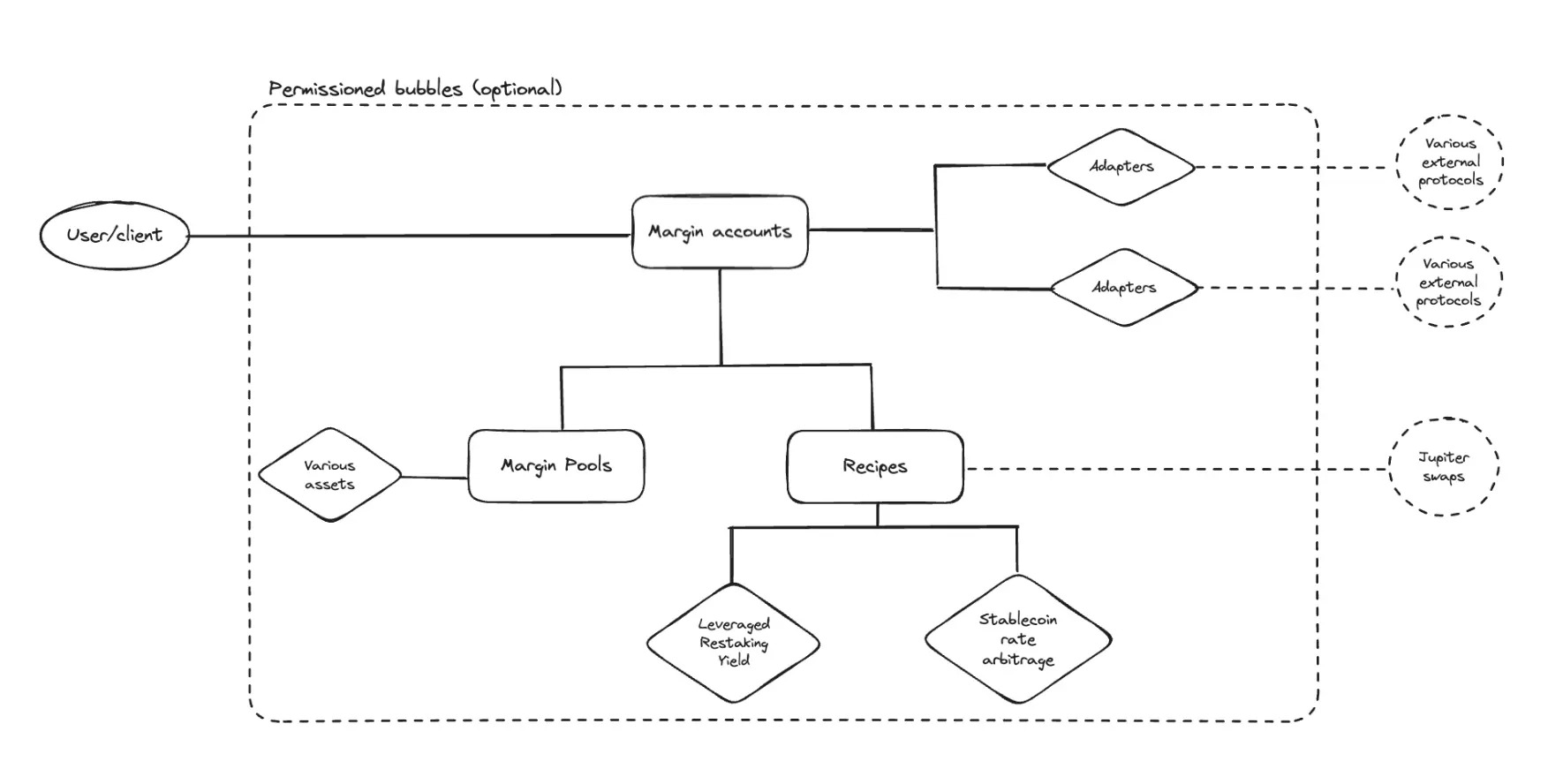
Glow 核心架构和功能

杠杆式 SOL 再质押策略是 Glow 的旗舰策略,旨在最大化来自 Glow 和 Solayer 的收益与积分,同时避免暴露于 SOL 价格波动的风险。该策略通过使用 glowSOL 和 sSOL(Solayer 的流动性质押代币),创建一个可自选杠杆倍数的头寸。

用户可在一个独立的保证金账户中获取多倍的 SOL 再质押收益,同时赚取 Solayer 和 Glow 的双重积分,并规避 SOL 的价格波动风险。这一头寸也因 Glow 的独立保证金账户机制而能有效隔离风险,避免因 SOL 波动而被清算。

具体运作方式:

  • 用户创建一个 Glow 保证金账户,并进入“杠杆 glowSOL 再质押”页面;

  • 在应用界面引导下,用户可选择从钱包或现有保证金账户中存入 SOL,并将其投入策略;

  • 用户持有的 glowSOL 会随着质押奖励的累积而不断增值,从而在无价格风险的中性仓位中赚取收益;

  • glowSOL 同时为封装的 sSOL,这意味着用户能赚取 Glow 积分和 Solayer 积分,所获积分数量根据所选杠杆倍数而提升;

  • 用户借入 SOL 并持有 glowSOL,因此头寸本质上对 SOL 价格变动保持中性,既避免了价格下行风险,又能享受质押奖励带来的收益。除非 SOL 与 sSOL 的锚定关系断裂,否则用户不会面临清算风险。


Related Reads

Earning Six Figures and Still Struggling to Rent in San Francisco

A couple in San Francisco with a combined tech income over $360,000 struggled for months to find a one-bedroom apartment under $5,000 per month. Their story highlights how the AI wealth boom, driven by upcoming IPOs from companies like OpenAI and Anthropic, is dramatically escalating the city's cost of living. Even six-figure salaries are becoming insufficient for a comfortable lifestyle. The article details the financial reality for tech workers earning around $180,000 annually. After taxes, retirement contributions, and healthcare, take-home pay is roughly $7,000 per month. With average rents exceeding $3,800 and one-bedrooms often costing $4,500-$5,200, discretionary income shrinks to $1,500-$2,500. This contrasts sharply with reported median total compensations of $640,000 at OpenAI and $420,000 at Anthropic. The AI gold rush is identified as the primary driver. The scale of potential wealth from these IPOs, far surpassing previous tech booms, is flooding the housing market. Data shows San Francisco's average rent is now the highest in the U.S., with vacancy rates in desirable neighborhoods plummeting to around 3%. The overall cost of living is 65.6% above the national average. The piece features multiple professionals, including a 25-year-old with a $250,000 salary, facing housing instability, fierce competition for rentals, and a persistent, low-grade financial anxiety despite high earnings. It concludes that the rapid concentration of AI wealth is redefining what constitutes a "high salary" in San Francisco, pushing out mid-tier tech talent and creating a stark divide between those in the AI sector and everyone else.

marsbit1h ago

Earning Six Figures and Still Struggling to Rent in San Francisco

marsbit1h ago

Rate Hikes to Save STRC, Selling Bitcoin to Preserve Credit: Strategy Picks Its Two Most Expensive Paths

Over the past six weeks, Strategy has faced a significant crisis of confidence, with its core securities MSTR and STRC experiencing sharp price declines. The situation escalated as the company utilized dollar reserves intended for dividends and interest payments to repurchase debt, and then sold a small amount of Bitcoin for the first time since 2022—an action that contradicted its "never sell" narrative and signaled potential liquidity strain. In response, Strategy introduced a Digital Credit capital framework. This formalized a series of measures to manage the pressure down its capital structure: ordinary shareholders have already borne costs through equity dilution from an $11.5 billion ATM offering; new rules enforce a hard dollar reserve covering at least 12 months of expected dividend and interest payments; the STRC dividend rate was increased from 11.5% to 12%; and, most notably, Bitcoin was officially integrated into the capital toolkit, with board authorization to sell up to $1.25 billion worth if needed to support obligations and repurchase programs. The market reacted with a mix of relief and skepticism. While the announcement triggered a sharp single-day rally in both MSTR and STRC, the preferred shares still trade at a significant discount. Supporters view the framework as pragmatic crisis management that provides a price floor and clearer rules. Critics argue that institutionalizing Bitcoin sales undermines the core investment thesis and, with Bitcoin's price below the company's average cost basis, amounts to selling assets at a loss to maintain its financial structure. The broader context shows institutional Bitcoin buying drying up, highlighting that Strategy's challenges and new framework are now a key indicator for overall market risk sentiment. Ultimately, the framework buys time, but STRC's return to par value depends on market belief in the company's ability to cover dividends without further dilution or substantial Bitcoin sales—a task that would be easier if Bitcoin's price recovers.

链捕手1h ago

Rate Hikes to Save STRC, Selling Bitcoin to Preserve Credit: Strategy Picks Its Two Most Expensive Paths

链捕手1h ago

Has Bitcoin Bottomed? Unpacking 12 Key Data Indicators

Author: BitalkNews **Title: Has Bitcoin Bottomed? Analyzing 12 Key Data Indicators** The current Bitcoin price is around $59,600, representing a maximum drawdown of approximately 53% from the 2025 high. The market is in a deep correction phase. Multiple indicators suggest valuations are nearing historical lows, but a confirmed bottom requires more time. **Summary of Key Indicators:** 1. **Fear & Greed Index:** At 16, indicating "Extreme Fear," similar to levels seen during the 2022 FTX collapse. 2. **Rainbow Chart:** BTC has fallen into the "Bitcoin is dead" zone, only the second such occurrence historically. 3. **MVRV Ratio:** Currently around 1.13, near the lower historical band, pointing to a bottoming valuation area (approx. $53,200-$53,400). 4. **Realized Price:** The aggregate cost basis is ~$53,400; the current price is only about 12% above it but hasn't broken below yet. 5. **UTXO Profit/Loss Ratio:** Has dropped to its lowest level this cycle, signaling a potential "capitulation" event often seen near cycle bottoms. 6. **Long-Term Holder SOPR:** For holders >155 days, it's at 0.662, now negative, indicating seasoned investors are selling at a loss. 7. & 8. **Miner Health:** ~20% of miners are unprofitable, and actual miner revenue is below theoretical levels, indicating ongoing miner stress. 9. **ETF Flows:** U.S. spot BTC ETFs have seen sustained net outflows, including a 13-day streak with over $1.7B in weekly outflows. 10. **Strategy Risk:** Strategy's stock premium has significantly contracted, pressuring the traditional "borrow-to-buy" model. 11. **Bear Duration & Drawdown:** The correction has lasted >265 days with a ~52.5% drawdown, shorter in depth but lengthy in duration. 12. **Market Expectations (Polymarket):** Betting markets suggest an ~80% probability of BTC falling below $55,000 and a notable chance below $50,000. **Conclusion:** Bitcoin is in a deep correction with potential bottom formation. Valuation metrics are in historically low ranges, and on-chain capitulation signals are accumulating. However, a complete shakeout isn't finished—the realized price hasn't been breached, and ETF demand hasn't reversed. The area below $60,000 holds long-term appeal, but patience is advised. Key signals to watch for include a return to ETF inflows, a recovery in the Long-Term Holder SOPR, and easing miner pressure.

marsbit1h ago

Has Bitcoin Bottomed? Unpacking 12 Key Data Indicators

marsbit1h ago

Trading

Spot
活动图片