Чешский центральный банкир скептически относится к месту Биткойна в резервах

cryptonews.ruPublished on 2024-11-20Last updated on 2025-03-20

Член правления Чешского национального банка высказал сомнения по поводу биткоина в качестве резервного актива, ссылаясь на юридическую неопределенность и риски волатильности, несмотря на изучение новых классов активов.

Биткоин сталкивается с противостоянием от чешских центральных банкиров

Член правления Чешского национального банка Ян Кубичек выразил сомнения относительно включения биткоина в резервы центрального банка, сославшись на его юридическую неопределенность и колебания цен, сообщил Reuters. Его комментарии следуют за предложением губернатора Алаша Михля включить BTC в пересмотр активов центрального банка.

Во время интервью в прошлый вторник Кубичек обсудил подход банка: «Мы оценим различные классы активов, а биткоин — всего лишь один из них». Он уточнил свою позицию, заявив:

Моя позиция скорее скептическая по отношению к биткоину.

Комплексная оценка альтернативных классов активов должна быть завершена к октябрю.

Как объяснил Кубичек, неопределенность в правовом статусе биткоина может создавать трудности в бухгалтерском учете и аудите. Он также подчеркнул непредсказуемые изменения стоимости актива, предупредив, что волатильность цен остается ключевой проблемой. «Мы не можем быть уверены, что волатильность биткоина в ближайшие годы будет отражать наблюдаемые модели за последнее десятилетие, поскольку я подозреваю, что, если больше институциональных инвесторов примут биткоин как инвестиционный актив, он начнет вести себя иначе, чем мы видели до сих пор», — заявил Кубичек. Помимо BTC, банк также изучает возможность инвестирования в международные корпоративные облигации, отдельные индексы акций — особенно те, которые ориентированы на технологии, и фонды недвижимости.

Скептицизм в отношении пригодности биткоина для резервов центрального банка был поддержан и другими политиками. Заместитель председателя Чешского национального банка Ева Замразилова отвергла BTC как подходящий резервный актив, заявив: «Биткоин не является подходящим активом для резервов». Президент Европейского центрального банка (ЕЦБ) Кристин Лагард также отвергла эту идею, подчеркнув: «Это не место для центральных банков Европы».

Губернатор Михль, несмотря на признание опасений по поводу инвестиций в криптовалюту, призвал к дальнейшему исследованию потенциала биткоина как резервного актива. Он предложил создать тестовый портфель для криптовалюты, отличая его от других цифровых активов. «Однако биткоин — это другая история. Его не следует объединять с другими криптоактивами. Мы, центральные банкиры, должны изучать его и исследовать технологию, на которой он построен», — заявил Михль. Правление банка уполномочило анализ новых классов активов, включая биткоин, при этом уточнив, что никаких немедленных инвестиционных обязательств не последует. В то же время Чешский национальный банк расширил свои усилия по диверсификации резервов, имея в распоряжении 142,8 млрд евро (155,75 млрд долларов), что эквивалентно примерно 45% валового внутреннего продукта страны. Банк постепенно увеличивал свои золотые резервы и выделял больше средств на инвестиции в акции.

В Соединенных Штатах президент Дональд Трамп подписал исполнительный указ об учреждении Стратегического резерва биткоина, позиционируя биткоин как цифровую альтернативу золоту. Кроме того, различные штаты США оценивают законодательство о введении собственных резервов BTC.


Related Reads

Li Fei-Fei's Latest Long-Form Article: When Video Generation, Robotics, and NVIDIA All Call Themselves World Models, We Need a Taxonomy

In a new article, Dr. Fei-Fei Li addresses the widespread and often inconsistent use of the term "world model" in AI. She proposes a clear, functional taxonomy rooted in the classic Partially Observable Markov Decision Process (POMDP) loop (agent → action → state → observation → agent). According to this framework, current systems called "world models" are different projections of this loop, categorized by their primary output: 1. **Renderers**: Output observations (pixels). Their goal is visual fidelity for human consumption (e.g., video generation models like Sora). They are the most commercially mature but are limited by a focus on appearance over physical accuracy. 2. **Simulators**: Output states (geometric, physical, dynamic representations). They provide a structurally accurate world for both human professionals (e.g., architects) and computational agents (e.g., robots for training). Li argues simulators are the crucial, underappreciated bridge, as they can underpin both rendering and planning. 3. **Planners**: Output actions. Given an observation and a goal, they decide what an agent should do next (e.g., robotic action models). This area is highly promising but remains the least mature for real-world deployment. Li highlights a key trend: the boundaries between these three categories are beginning to blur, as they all rely on a shared underlying understanding of geometry, physics, and dynamics. The logical endpoint is a unified world foundation model capable of switching between rendering, simulation, and planning based on downstream needs. This convergence, she concludes, is central to advancing spatial intelligence—enabling machines not just to talk about the world, but to truly understand, imagine, and interact with it.

marsbit49m ago

Li Fei-Fei's Latest Long-Form Article: When Video Generation, Robotics, and NVIDIA All Call Themselves World Models, We Need a Taxonomy

marsbit49m ago

Forbes Feature: Stablecoin Cross-Border Payments Are Faster, But Not Yet Cheaper

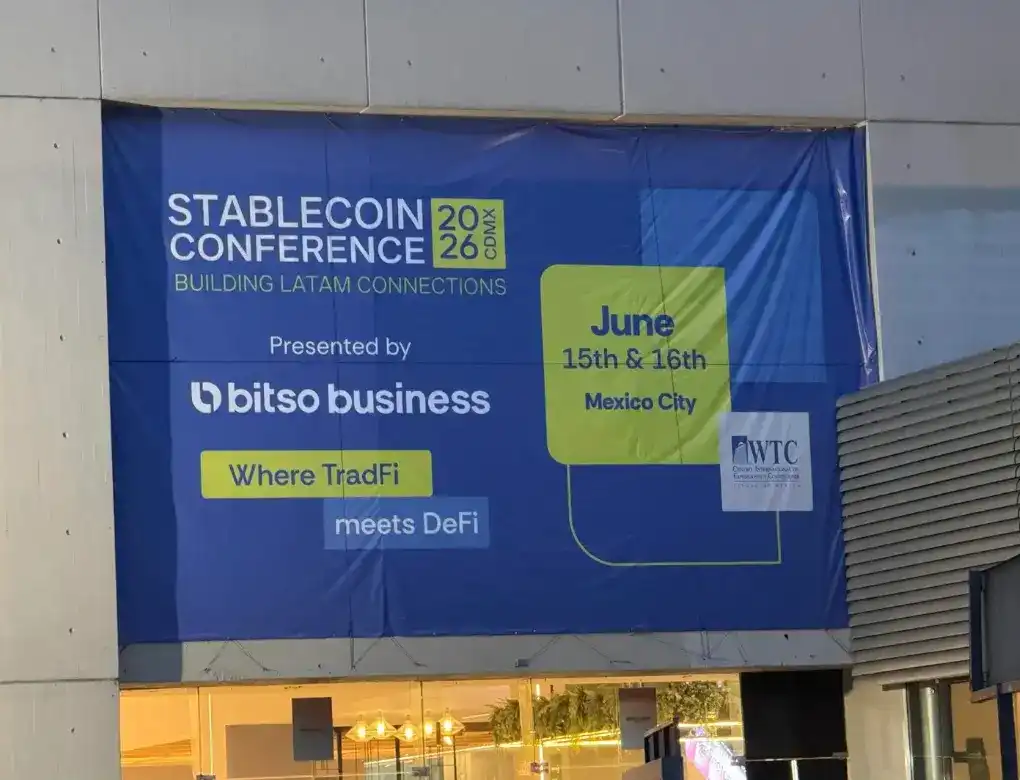
A Forbes feature delves into the state of stablecoin-based cross-border payments, noting rapid growth but a key shortfall: while faster and more accessible, they are not yet cheaper. At a recent industry conference in Mexico City, optimism about technology, regulation, and volume was tempered by discussions with practitioners. The core issue is liquidity. Traditional FX brokers charge 60-70 basis points, and stablecoins promise to slash this to 2-5 basis points. However, this theoretical cost advantage cannot be realized until deep liquidity pools are established at scale, requiring significant institutional capital inflow. A major adoption barrier is trust. Businesses often rely on long-standing relationships with traditional brokers, valuing reliability over marginal cost savings. This shift will be gradual. Furthermore, successful companies in the space are not positioning themselves as replacements for legacy systems like SWIFT, but as complements. They leverage stablecoins for speed while using traditional rails for their standardization and reliability in ensuring accurate payment details—a critical factor for supplier payments to avoid customs issues. Companies like Caliza, experiencing high monthly growth, exemplify this hybrid approach. The industry anticipates consolidation, as long-term viability will depend on securing the essential trifecta: proper licensing, robust fiat on/off-ramps, and deep liquidity. Without these, firms risk being mere intermediaries rather than building sustainable businesses.

marsbit50m ago

Forbes Feature: Stablecoin Cross-Border Payments Are Faster, But Not Yet Cheaper

marsbit50m ago

Li Feifei's Latest Article: When Video Generation, Robotics, and NVIDIA All Claim to Have 'World Models,' We Need a Taxonomy

"World Model" has become a widely used yet ambiguous term in AI. Drawing from the classic POMDP framework (agent → action → state → observation), this article proposes a functional taxonomy to clarify the concept. It identifies three distinct types, categorized by their output in the perception-action loop: 1. **Renderers**: Output visual observations (pixels). These models, like advanced video generators, prioritize visual fidelity but often lack underlying physical accuracy. 2. **Simulators**: Output the state of the world (geometry, physics, dynamics). They provide a structurally accurate representation for professionals (e.g., architects) and serve as training environments for robots and AI agents. 3. **Planners**: Output actions. Given an observation and a goal, they determine what an agent should do next, closing the perception-action loop (e.g., vision-language-action models). While renderers are currently the most commercially mature and planners are the most aspirational, the article argues that **simulators are the crucial, underappreciated hub**. By working at the level of geometry and physics, a simulator can project upwards to create visuals for humans and downwards to predict action consequences for agents. The future lies in the convergence of these three functions. Emerging research and products, like World Labs' Marble model which outputs both visual splats and physical collision meshes, are beginning to blur these boundaries. The logical endpoint is a unified world foundation model capable of rendering, simulating, and planning based on a shared understanding of spatial and temporal structures—ultimately enabling machines to understand, imagine, and interact with the physical world.

链捕手1h ago

Li Feifei's Latest Article: When Video Generation, Robotics, and NVIDIA All Claim to Have 'World Models,' We Need a Taxonomy

链捕手1h ago

Trading

Spot
活动图片