Криптовалюта Илона Маска — запустит ли он свою монету

cryptonews.ruPublished on 2024-05-09Last updated on 2025-01-09

На фоне слухов о запуске платежной системы X Money в X по сети разлетелись слухи о том, что на рынке может появиться криптовалюта Илона Маска

Рассказываем, почему многие инвесторы ждут запуск монеты бизнесмена и оправдаются ли их надежды.

Что происходит

В начале января 2025 года произошла утечка данных социальной сети X (бывший «Твиттер»), которая принадлежит американскому бизнесмену, основателю Tesla и активному участнику криптосообщества Илону Маску. Анализ информации, по мнению пользователей сети, указывает на планы команды платформы запустить в ближайшее время платежную систему X Money. Для этого у X есть все юридические основания. Ранее представители платформы получили лицензии на запуск платежной системы в 39 штатах США.

С переходом контроля над X в руки Илона Маска в 2022 году, которого многие считают создателем биткоина, участники криптосообщества заговорили о том, что у социальной сети может появиться своя криптовалюта. Поводов для таких предположений оказалось множество:

  • Во-первых, Илон Маск активно поддерживает криптосообщество. У него даже есть любимая криптовалюта — Dogecoin. Упоминания монеты в X бизнесмена неоднократно провоцировали памп ее курса. На фоне интереса Маска к крипте создание собственного токена выглядит логичным шагом.
  • Во-вторых, собственный токен «напрашивается» в X. Социальная платформа еще в 2021 году предложила пользователям отправлять любимым авторам чаевые в криптовалюте. Поскольку у X нет токена, команда социальной сети сделала ставку на уже существуюшие монеты. Запуск собственной криптовалюты мог бы упростить интеграцию криптоплатежей на платформе.
  • В-третьих, Илон Маск, как оказалось, совсем не против заработать на рыночных манипуляциях. Запуск собственного токена мог бы стать для него отличным источником обогащения.

В августе 2023 года Маск заявил, что инвесторам не стоит рассчитывать на запуск криптовалюты X. По его словам, у социальной сети нет и никогда не будет токена. Несмотря на ранние заявления бизнесмена, новости о возможном запуске X Money в ближайшее время вновь породили слухи о том, что криптовалюта Илона Маска может появиться на рынке.

И снова DOGE в центре внимания

Поскольку криптовалюта Илона Маска, как уверяет сам бизнесмен, — нечто из разряда фантастики, участники криптосообщества решили, что основной монетой X Money может стать любимчик основателя Tesla — Dogecoin. Он уже продает мерч своей компании за криптовалюту. В марте 2024 года Маск заявил, что не исключает прием DOGE в качестве оплаты за электрокары.

Также бизнесмен подогревает интерес к Dogecoin благодаря Department of Government Efficiency (D.O.G.E.). Так называется департамент, в рамках которого Маск планирует бороться с нецелевым расходованием бюджетных средств.

Подводим итоги

Кажется, что пока что единственная криптовалюта Илона Маска — это Dogecoin. Бизнесмен отрицает планы запуска собственной монеты. Также он утверждает, что у его команды нет намерений создать криптовалюту прицельно для X.

Интерес Маска к Dogecoin позволяет предположить, что его любимая монета может так или иначе стать частью X Money.
Related Reads

Li Fei-Fei's Latest Long-Form Article: When Video Generation, Robotics, and NVIDIA All Call Themselves World Models, We Need a Taxonomy

In a new article, Dr. Fei-Fei Li addresses the widespread and often inconsistent use of the term "world model" in AI. She proposes a clear, functional taxonomy rooted in the classic Partially Observable Markov Decision Process (POMDP) loop (agent → action → state → observation → agent). According to this framework, current systems called "world models" are different projections of this loop, categorized by their primary output: 1. **Renderers**: Output observations (pixels). Their goal is visual fidelity for human consumption (e.g., video generation models like Sora). They are the most commercially mature but are limited by a focus on appearance over physical accuracy. 2. **Simulators**: Output states (geometric, physical, dynamic representations). They provide a structurally accurate world for both human professionals (e.g., architects) and computational agents (e.g., robots for training). Li argues simulators are the crucial, underappreciated bridge, as they can underpin both rendering and planning. 3. **Planners**: Output actions. Given an observation and a goal, they decide what an agent should do next (e.g., robotic action models). This area is highly promising but remains the least mature for real-world deployment. Li highlights a key trend: the boundaries between these three categories are beginning to blur, as they all rely on a shared underlying understanding of geometry, physics, and dynamics. The logical endpoint is a unified world foundation model capable of switching between rendering, simulation, and planning based on downstream needs. This convergence, she concludes, is central to advancing spatial intelligence—enabling machines not just to talk about the world, but to truly understand, imagine, and interact with it.

marsbit2h ago

Li Fei-Fei's Latest Long-Form Article: When Video Generation, Robotics, and NVIDIA All Call Themselves World Models, We Need a Taxonomy

marsbit2h ago

Forbes Feature: Stablecoin Cross-Border Payments Are Faster, But Not Yet Cheaper

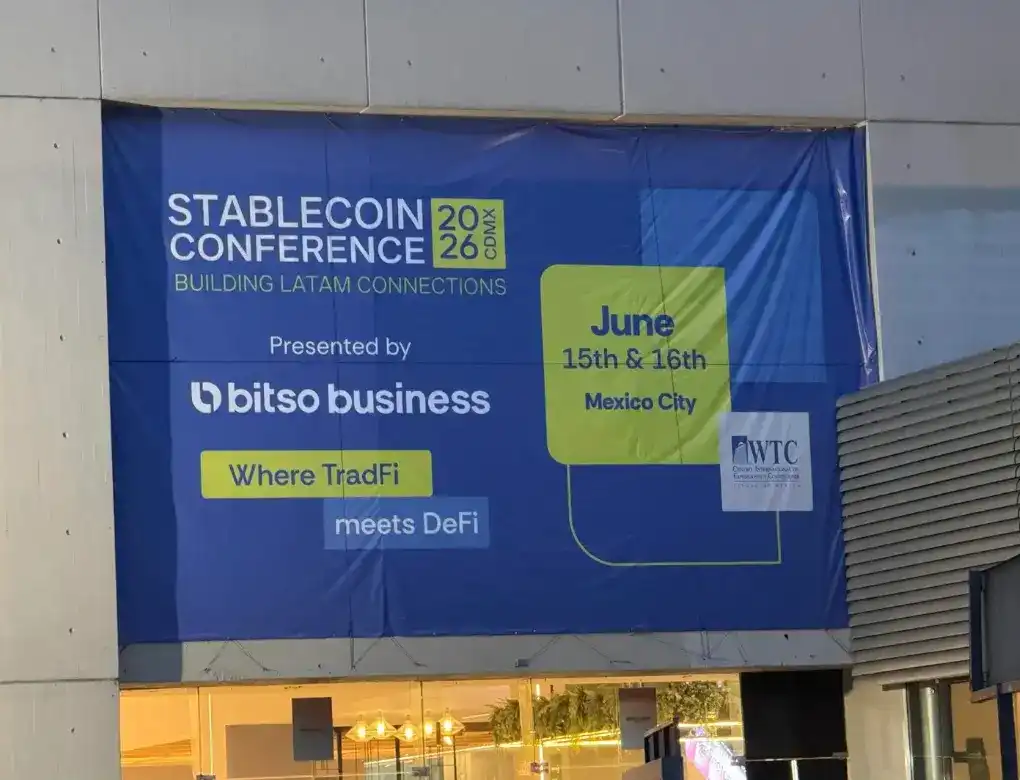
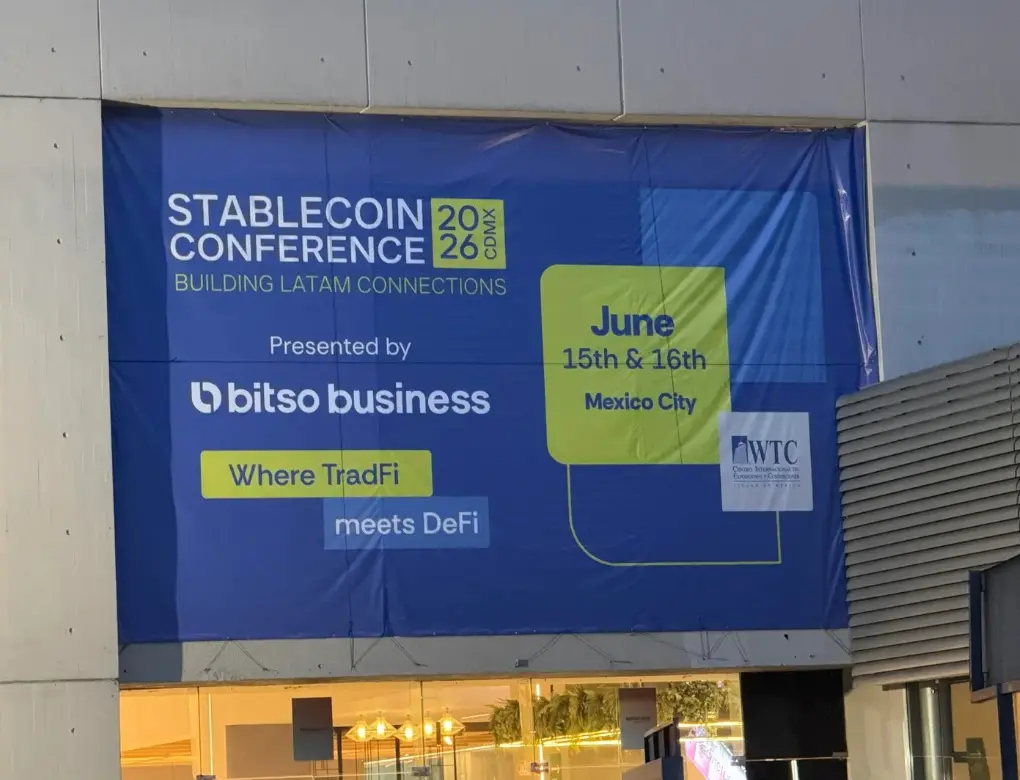
A Forbes feature delves into the state of stablecoin-based cross-border payments, noting rapid growth but a key shortfall: while faster and more accessible, they are not yet cheaper. At a recent industry conference in Mexico City, optimism about technology, regulation, and volume was tempered by discussions with practitioners. The core issue is liquidity. Traditional FX brokers charge 60-70 basis points, and stablecoins promise to slash this to 2-5 basis points. However, this theoretical cost advantage cannot be realized until deep liquidity pools are established at scale, requiring significant institutional capital inflow. A major adoption barrier is trust. Businesses often rely on long-standing relationships with traditional brokers, valuing reliability over marginal cost savings. This shift will be gradual. Furthermore, successful companies in the space are not positioning themselves as replacements for legacy systems like SWIFT, but as complements. They leverage stablecoins for speed while using traditional rails for their standardization and reliability in ensuring accurate payment details—a critical factor for supplier payments to avoid customs issues. Companies like Caliza, experiencing high monthly growth, exemplify this hybrid approach. The industry anticipates consolidation, as long-term viability will depend on securing the essential trifecta: proper licensing, robust fiat on/off-ramps, and deep liquidity. Without these, firms risk being mere intermediaries rather than building sustainable businesses.

marsbit2h ago

Forbes Feature: Stablecoin Cross-Border Payments Are Faster, But Not Yet Cheaper

marsbit2h ago

Trading

Spot
活动图片