Crypto.com и Deutsche Bank: партнерство в Азии

cryptonews.ruPublished on 2024-05-10Last updated on 2024-12-10

Криптовалютная платформа Crypto.com объявила о стратегическом партнерстве с Deutsche Bank. Сделка направлена на улучшение корпоративных банковских услуг в 3-х ключевых регионах: Сингапуре, Австралии и Гонконге. Партнерство также предусматривает расширение сотрудничества в будущем.

Deutsche Bank станет предоставлять банковскую инфраструктуру для Crypto.com, включая решения для управления корпоративными финансами. Это позволит платформе улучшить операционную эффективность и укрепить свои позиции в азиатско-тихоокеанском регионе.

Генеральный менеджер APAC и глава глобальных банковских партнерств Crypto.com Карл Мохан назвал это сотрудничество важным шагом для организации. Он подчеркнул, что партнерство с одним из ведущих мировых финансовых институтов демонстрирует приверженность платформы безопасности и соответствию нормативным требованиям.

Сотрудничество с Deutsche Bank стало еще одной частью успешной стратегии Crypto.com. В 2024 году платформа анонсировала обновленную дорожную карту, сосредоточив внимание на инновациях и глобальной экспансии. Также организация запустила программу Level Up, которая предлагает расширенные награды и бонусы для пользователей.

Крит Джайн, глава направления «Новая экономика» в Deutsche Bank, заявил: банк рад поддержать Crypto.com в регионе. По его словам, обширная глобальная сеть и опыт работы с цифровыми компаниями делают это сотрудничество особенно перспективным.

Для криптобиржи данный шаг не только укрепляет присутствие в Азиатско-Тихоокеанском регионе, но и демонстрирует приверженность высоким стандартам работы. Компания продолжает доказывать свою надежность и готовность к долгосрочному развитию в условиях растущего рынка.


Ошибка в тексте? Выделите её мышкой и нажмите Ctrl + Enter

Related Reads

Li Fei-Fei's Latest Long-Form Article: When Video Generation, Robotics, and NVIDIA All Call Themselves World Models, We Need a Taxonomy

In a new article, Dr. Fei-Fei Li addresses the widespread and often inconsistent use of the term "world model" in AI. She proposes a clear, functional taxonomy rooted in the classic Partially Observable Markov Decision Process (POMDP) loop (agent → action → state → observation → agent). According to this framework, current systems called "world models" are different projections of this loop, categorized by their primary output: 1. **Renderers**: Output observations (pixels). Their goal is visual fidelity for human consumption (e.g., video generation models like Sora). They are the most commercially mature but are limited by a focus on appearance over physical accuracy. 2. **Simulators**: Output states (geometric, physical, dynamic representations). They provide a structurally accurate world for both human professionals (e.g., architects) and computational agents (e.g., robots for training). Li argues simulators are the crucial, underappreciated bridge, as they can underpin both rendering and planning. 3. **Planners**: Output actions. Given an observation and a goal, they decide what an agent should do next (e.g., robotic action models). This area is highly promising but remains the least mature for real-world deployment. Li highlights a key trend: the boundaries between these three categories are beginning to blur, as they all rely on a shared underlying understanding of geometry, physics, and dynamics. The logical endpoint is a unified world foundation model capable of switching between rendering, simulation, and planning based on downstream needs. This convergence, she concludes, is central to advancing spatial intelligence—enabling machines not just to talk about the world, but to truly understand, imagine, and interact with it.

marsbit4h ago

Li Fei-Fei's Latest Long-Form Article: When Video Generation, Robotics, and NVIDIA All Call Themselves World Models, We Need a Taxonomy

marsbit4h ago

Forbes Feature: Stablecoin Cross-Border Payments Are Faster, But Not Yet Cheaper

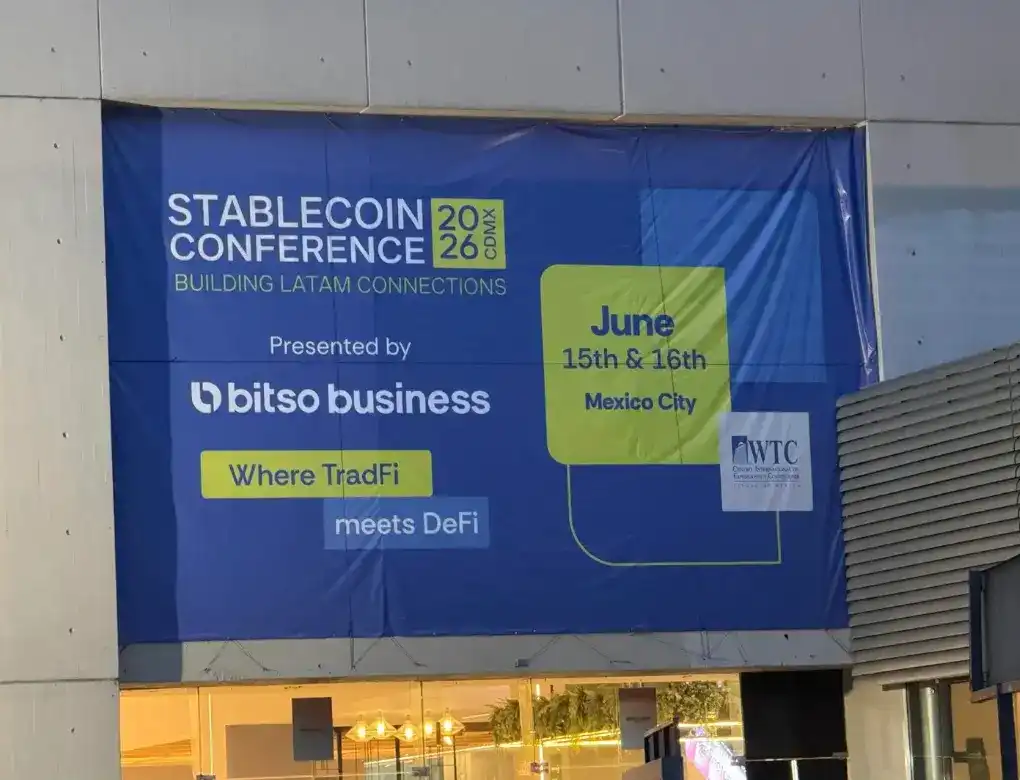
A Forbes feature delves into the state of stablecoin-based cross-border payments, noting rapid growth but a key shortfall: while faster and more accessible, they are not yet cheaper. At a recent industry conference in Mexico City, optimism about technology, regulation, and volume was tempered by discussions with practitioners. The core issue is liquidity. Traditional FX brokers charge 60-70 basis points, and stablecoins promise to slash this to 2-5 basis points. However, this theoretical cost advantage cannot be realized until deep liquidity pools are established at scale, requiring significant institutional capital inflow. A major adoption barrier is trust. Businesses often rely on long-standing relationships with traditional brokers, valuing reliability over marginal cost savings. This shift will be gradual. Furthermore, successful companies in the space are not positioning themselves as replacements for legacy systems like SWIFT, but as complements. They leverage stablecoins for speed while using traditional rails for their standardization and reliability in ensuring accurate payment details—a critical factor for supplier payments to avoid customs issues. Companies like Caliza, experiencing high monthly growth, exemplify this hybrid approach. The industry anticipates consolidation, as long-term viability will depend on securing the essential trifecta: proper licensing, robust fiat on/off-ramps, and deep liquidity. Without these, firms risk being mere intermediaries rather than building sustainable businesses.

marsbit4h ago

Forbes Feature: Stablecoin Cross-Border Payments Are Faster, But Not Yet Cheaper

marsbit4h ago

Trading

Spot
活动图片