Tesla перевела все $770 млн своих биткоинов на неизвестные кошельки

investing.ruPublished on 2024-10-16Last updated on 2024-10-16

Investing.com — Tesla, один из крупнейших корпоративных держателей биткоинов, перевела оставшиеся 11 509 монет стоимостью около $770 млн на новые адреса, сообщает The Block со ссылкой на данные аналитической компании Arkham Research.

В серии транзакций компания, которая сделала беспрецедентное вложение в биткоин на $1,5 млрд в феврале 2021 года, переместила во вторник около $770 млн в криптовалюте на семь новых адресов. Перед этим Tesla провела шесть тестовых транзакций, впервые взаимодействуя с биткоин-кошельками после продажи большей части своих активов в 2022 году.

На 15 октября Tesla имела в наличии около 9 720 BTC, стоимостью примерно $650 миллионов, по сравнению с 43 000 на пике. Однако, по мнению Arkham, Tesla владеет до 11 509 BTC через 68 адресов, стоимостью $770 миллионов по текущим ценам. Компания SpaceX Илона Маска, по оценкам, обладает 8 285 биткоинами, согласно данным BitcoinTreasuries.

Tesla является третьим по величине держателем биткойнов среди публично торгуемых компаний после MicroStrategy и MARA. Производитель электромобилей принимает биткоин в качестве оплаты за покупку автомобилей.

Неизвестно, почему компания перемещает BTC после более чем двух лет бездействия, хотя некоторые подозревают, что она может готовиться к продаже еще большей части своих монет.

В первом квартале 2021 года Маск санкционировал продажу биткоинов на $272 млн, получив $128 млн прибыли, когда биткоин поднялся до почти $62,000, согласно данным The Block.

Tesla также продала монеты на $936 млн во втором квартале 2022 года, заработав $64 млн.

Компания опубликует свои финансовые результаты за третий квартал после закрытия рынка 23 октября.

В среду биткоин остается на высоких позициях, торгуясь вблизи максимумов конца июля, отмеченных накануне в районе $67 800. По состоянию на 08:40 мск. BTC подрастает на 0,35%, торгуясь на $67 374.

Related Reads

Why 2026 could redefine Ethereum, Solana, Base and Avalanche

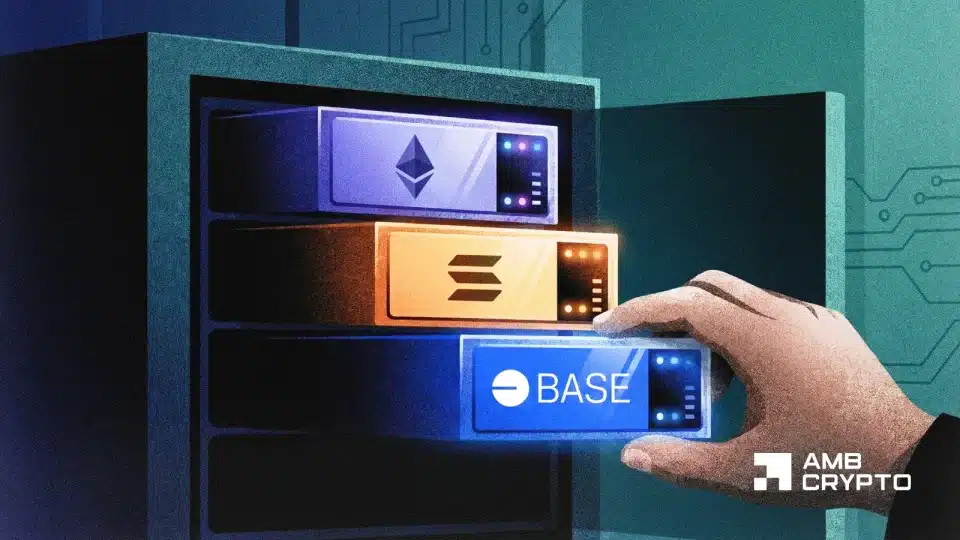
Blockchain infrastructure is undergoing a major coordinated transformation, driven by institutional demand for reliability, compliance, and predictable settlement. Over $30 billion in Real-World Assets (RWA) on-chain has exposed network weaknesses. Major blockchains are responding with foundational upgrades, moving beyond incremental speed improvements. Ethereum's "Glamsterdam" upgrade, planned for H1 2026, will significantly increase gas limits and introduce features like PBS (pre-blocked state) for enhanced settlement and parallel execution. Solana's "Alpenglow," targeting a mainnet launch in H2 2026, focuses on reducing finality time dramatically and freeing network resources to improve reliability. Beyond speed, compliance is critical. Base's "Beryl" upgrade in Q3 2026 will introduce a standardized, regulatory-compliant token framework (B20). Avalanche's "Octane" upgrade aims to boost transaction processing and reduce costs for enterprise applications. Even Bitcoin is evolving with the potential activation of OP_CAT by late 2026/early 2027. The competition is shifting. While technical upgrades are widespread, institutions will ultimately allocate capital based on proven execution, operational resilience, and regulatory compatibility during market stress. Ethereum currently leads in tokenized assets, while networks like Base and Solana are strengthening their institutional offerings. The blockchain that best delivers reliable, compliant, and uninterrupted service is poised to attract the greatest share of future institutional capital.

ambcrypto18m ago

Why 2026 could redefine Ethereum, Solana, Base and Avalanche

ambcrypto18m ago

Tiger Research: Take RWA Tokenization Overseas First

This article discusses the strategic choices facing financial institutions in jurisdictions lacking mature regulatory frameworks for Real-World Asset (RWA) tokenization. With the market growing rapidly, institutions must choose between waiting for local legislation, using regulatory sandboxes, or—the recommended priority—expanding into overseas markets to gain early experience. Successfully launching cross-border RWA tokenization requires meticulous preparation across six key areas: establishing an overseas base (e.g., Hong Kong, Singapore, the U.S.), securing necessary licenses, defining the tokenized asset (with bonds being simpler than non-standard assets), defining the target investor scope, deciding on settlement currencies/payment flows, and designing operational requirements like custody and on-chain governance. The article outlines two primary strategic paths: a direct "onshore" path and a "native on-chain" path. The direct path involves setting up a legal entity and obtaining licenses in a mature jurisdiction like Hong Kong, Singapore, or the U.S., leveraging existing platforms (e.g., DigiFT, Securitize) for efficiency. The alternative native on-chain path involves partnering with compliant, decentralized platforms (e.g., Ondo, Plume Nest) that use structures like offshore SPVs to facilitate tokenization and access DeFi liquidity, offering speed and broader reach but with greater structural complexity. The core argument is that institutions should not wait for perfect domestic regulation. A detailed hypothetical case study illustrates the multi-step, 6-12 month process of launching an overseas tokenized bond. The key takeaway is that the essence of a tokenization business lies not in the technology but in successfully executing the entire sales and operational process. The market is moving forward, and the time to act is now.

marsbit29m ago

Tiger Research: Take RWA Tokenization Overseas First

marsbit29m ago

Trading

Spot
活动图片